

You’ve tried the meal plans, the food tracking apps, the late-night promises to “start over” tomorrow.
You’ve binged in silence. And afterward—you’ve blamed yourself.
If you’ve ever whispered, “What’s wrong with me?” while standing in front of the fridge… this article is for you.
Let’s start here: There is nothing wrong with you. Binge eating is not a failure of willpower. It’s a response to deprivation, to emotional overload, to systems that taught you not to trust your body.
And what if the answer isn’t another restriction?
What if it’s… trust?
That’s the promise of intuitive eating.
In this guide, we’ll gently explore what intuitive eating is, how it helps with binge eating, and five key shifts that can help you regain peace with food.
What Is Intuitive Eating—and How Can It Help with Bingeing?
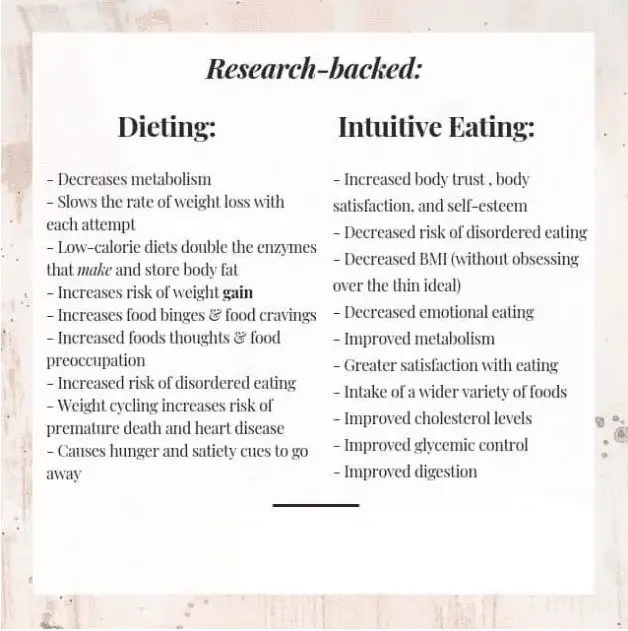
Intuitive eating is often misunderstood as simply “eat when you’re hungry, stop when you’re full.” But it’s much deeper than that.
It’s a practice of returning to body wisdom—learning to hear, trust, and honor your internal cues in a world that taught you to override them.
It was originally developed by dietitians Evelyn Tribole and Elyse Resch, and it includes 10 principles that help individuals:
- Reject the diet mentality
- Make peace with food
- Cope with emotions without using food
- Respect their bodies
- Honor hunger and fullness
So how does this relate to binge eating?
Many binge episodes are triggered by:
- Physical deprivation (skipping meals, restrictive diets)
- Emotional suppression (e.g., numbing sadness, anxiety)
- Nervous system overload (stress, shutdown, dissociation)
Intuitive eating addresses these root causes—not by fixing you, but by unlearning the systems that caused the disconnection.
✨ “Intuitive eating is not about eating perfectly. It’s about building a relationship with your body based on trust—not control.”
A 2014 study found that intuitive eating was associated with lower binge eating, improved body image, and reduced disordered eating behaviors (Van Dyke & Drinkwater, 2014).
1. Permission to Eat: Why Allowing Yourself Food Heals Deprivation
If you’re bingeing, chances are you’re restricting—consciously or unconsciously.
Even if you eat enough calories, if you’re labeling certain foods as “bad,” your brain still believes you’re in a state of threat. This creates a scarcity mindset, which makes the binge feel urgent and inevitable.
Intuitive eating begins with unconditional permission to eat. Yes—even the foods you’ve demonized.
When food is no longer forbidden, the “forbidden fruit” effect softens. The urgency begins to dissolve.
🎯 Try this: Add one “off-limits” food to your daily intake for a week. Don’t restrict it—observe your body’s response without judgment.
This act of permission teaches your nervous system: “There’s enough. I’m not in danger anymore.”
Over time, binges lose their grip—not because you willed them away, but because the fear of famine fades.
2. Rebuilding Hunger and Fullness Cues
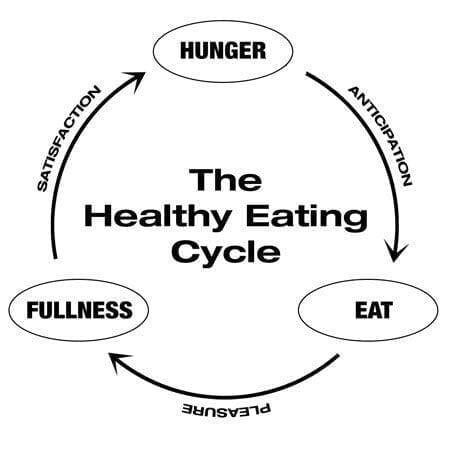
Binge eating often leaves people feeling disconnected from their body’s signals.
Why? Because bingeing hijacks the nervous system. It numbs, soothes, and bypasses the subtle cues of hunger, satiety, and desire.
Intuitive eating helps you slowly reawaken these cues.
🌿 Practice: The Gentle Check-In
- Before eating: Ask, “Where am I on a 0–10 hunger scale?”
- During: Pause. “Am I still enjoying this?”
- After: Reflect. “How do I feel physically and emotionally?”
This isn’t about stopping when you’re full—it’s about becoming aware of what fullness even feels like.
And remember: if you’re disconnected, that’s not failure—it’s a nervous system adaptation. Many binge eaters grew up in environments where their cues were ignored or shamed.
This practice isn’t just about food. It’s about reclaiming your right to feel.
3. Dismantling Food Morality and Shame
So many of us live in black-and-white thinking:
Carrots = good. Cake = bad.
Being “good” today means you earned rest. “Being bad” means you have to make up for it tomorrow.
This shame-based system is deeply internalized—and it fuels the binge-restrict cycle.
Intuitive eating helps us unhook from these moral judgments. Food becomes neutral. You become safe.
💭 “What if food wasn’t a moral battleground—but a place of reconnection?”
🎯 Reflect: When you binge, what stories follow? “I’m disgusting”? “I ruined everything”?
Practice replacing those with:
- “I was overwhelmed. That makes sense.”
- “My body is asking for safety. I can listen now.”
Reducing shame is one of the most effective paths to reducing binge eating long-term.
4. Feeling Your Feelings Without Food (Eventually)
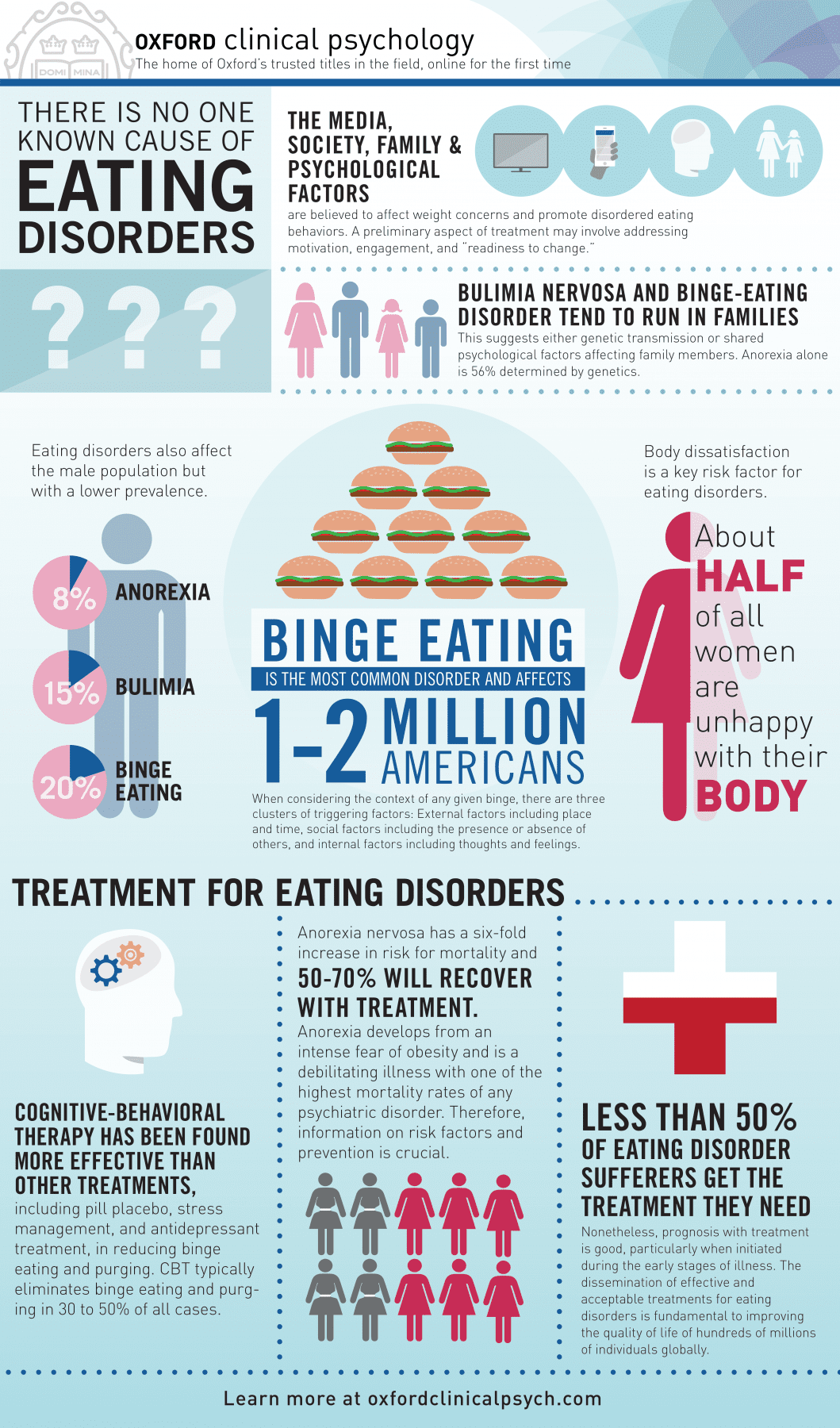
Sometimes, binge eating is less about hunger—and more about escape.
Intuitive eating invites us to ask: What else might I be hungry for?
Is it:
- Rest?
- Expression?
- Touch?
- Crying?
This isn’t about replacing food with “better coping tools.” It’s about including food as one of many ways we care for ourselves, while expanding our capacity to feel.
🌿 Nervous system note: If feeling emotions feels terrifying or blank, that’s your body protecting you. Co-regulation, therapy, or coaching can help you feel safe enough to feel.
Try journaling after a binge—not to fix it, but to get curious. Use our Mindful Meal App to gently track triggers and patterns.
5. Trust Over Time: Why This Isn’t a Quick Fix (And That’s Okay)
Binge eating recovery isn’t linear.
Some days you’ll feel free. Other days, you might spiral again.
That doesn’t mean intuitive eating isn’t working. It means you’re healing in real time.
Just like a body doesn’t recover overnight from injury, neither does the food-body connection.
🌀 “You’re not starting over. You’re starting deeper.”
Be patient with your process. Don’t swap “eating intuitively” for a new set of expectations or rules. This is about relationship, not regimen.
You are relearning how to trust a body that’s been ignored, overruled, and judged. That takes time. And tenderness.
Conclusion: You Can Stop Binge Eating—Without More Restriction

So, can intuitive eating stop binge eating?
Yes—but not in the way most of us think.
Not through force. Not through fixing. But through coming home to yourself.
Through permission.
Through presence.
Through patience.
You’re not out of control. You’re trying to find safety.
And intuitive eating helps you find that safety within, not through external rules.
You don’t need more shame. You need more trust.
🌀 Take our free quiz to understand your food story.
📘 Download the Mindful Meal App to start tracking with compassion.
💬 Reach out for coaching if you need support. We’re here to walk with you.
You are not broken. You are becoming whole.