

You thought you were done with binge eating. Maybe you hadn’t binged in weeks—or even months. You were proud, maybe even hopeful. But then… it happened again. That heavy, foggy pull. That voice saying, Just this once. The aftermath—the guilt, the numbness, the ache of self-doubt—can feel unbearable. And worst of all, it can feel like you’ve failed.
If you’re here, take a deep breath.
Relapse doesn’t mean you’re broken. It doesn’t mean you’re back at square one. And it definitely doesn’t erase all the growth you’ve made.
Relapse is part of the healing arc for many people. But with the right mindset, tools, and support, it can become a turning point—not a dead end.
This article is your companion for navigating binge eating relapse prevention with compassion, strategy, and insight. Whether you’ve recently slipped or you’re worried about the future, you’ll find guidance that honors your humanity and supports your recovery.
Curious about your relationship with food?
Take our free quiz for gentle insight into your eating patterns.
Why Do Binge Eating Relapses Happen?

It’s Not Just About Willpower—It’s About Nervous System Regulation and Emotional Survival
Many people think relapse is a matter of not trying hard enough. But the truth runs deeper.
Relapse often stems from:
- Unprocessed emotions like grief, shame, or loneliness
- Nervous system overwhelm, where the body flips into fight, flight, or freeze
- Unmet needs for comfort, control, or safety
- Cultural conditioning that links food with morality, success, and control
Imagine a moment of intense stress—like conflict with a loved one or a wave of anxiety before bed. Your logical mind may want to “stay on track,” but your body is wired to find relief. And sometimes, bingeing becomes that relief mechanism.
In one 2020 study, 74% of participants with binge eating disorder reported that negative emotions triggered their episodes (Leehr et al., 2020). Relapse is often your body’s attempt to self-regulate—not sabotage.
Gentle Reflection Prompt:
Can you remember the last time you binged? What emotion or bodily sensation came before the urge?
The Myth of Perfection in Recovery
Let Go of “Forever Healed” Thinking
In recovery, it’s easy to secretly hope for a final chapter. I’ll be cured. I’ll never binge again.
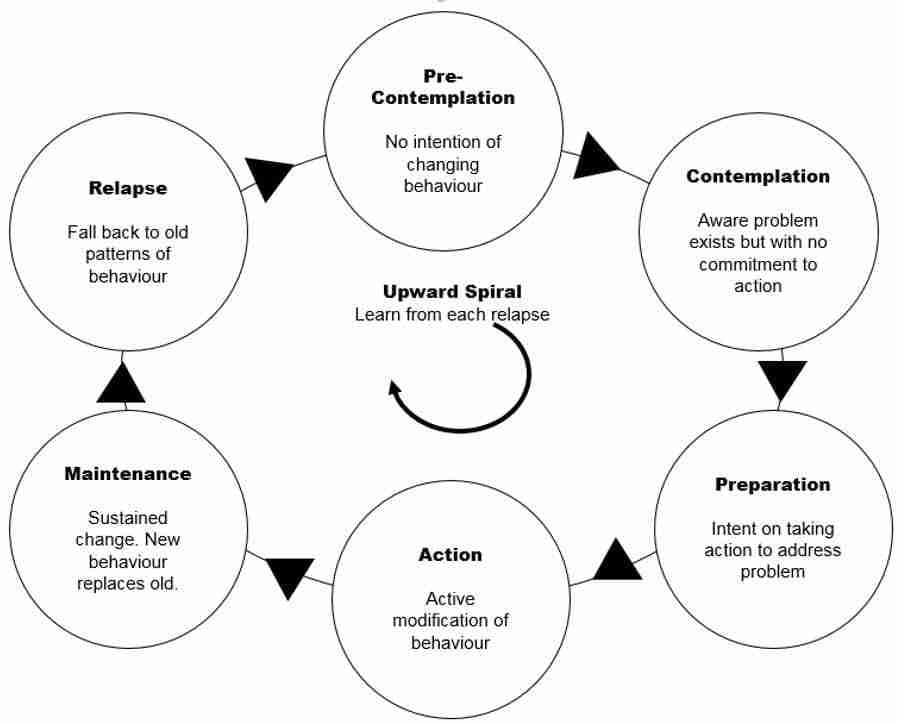
But healing isn’t linear. It’s not a staircase—it’s a spiral. You might revisit old patterns from a wiser place, with new tools.
This doesn’t mean you’re not progressing. It means your healing includes integration, not just elimination.
Some days you’ll feel strong and centered. Other days you’ll feel raw and exposed. That’s not failure. That’s aliveness.
Instead of asking, “Will I relapse again?” try asking,
“How will I care for myself if I do?”
How to Respond When You Slip

A 3-Step Self-Compassion Protocol
If a binge has already happened, here’s a roadmap for moving through it:
1. Pause and Breathe
Place a hand on your chest or belly. Name what you’re feeling—without judgment. “I feel scared.” “I feel disappointed.” “I feel numb.”
2. Speak Kindly to Yourself
Would you yell at a child who fell while learning to walk? No. You’d help them up. Try saying: “This moment is hard. I am still worthy of love.”
3. Reconnect With a Regulating Ritual
Take a warm shower. Step outside. Journal. Lie down and feel the ground. This helps your nervous system exit survival mode and come back online.
Download our Mindful Meal Journal and Scheduling App for a gentle, structure-based way to return to eating with awareness.
Strategies to Prevent Future Relapses
1. Build Emotional Awareness
Keep a mood-to-food journal to track what emotions tend to precede binge urges. Over time, you’ll notice patterns.
2. Regulate Before You Restrict
Often, we try to “fix” a binge by skipping meals or restricting the next day. This backfires. Eat consistently and compassionately—even after a binge.
3. Strengthen Your Support System
Binge eating thrives in secrecy. Talk to someone you trust. If you don’t have that yet, consider coaching or community care.
Want help understanding your patterns?
Our coaching program offers practical support and emotional grounding.
4. Cultivate Nourishing Rituals
Rituals ground the body and mind. These might include:
- Eating meals at regular times
- Gentle movement or stretching
- Morning journaling
- Breathwork or prayer
5. Expect Imperfection and Create a Plan
Create a relapse prevention plan that includes:
- Warning signs (e.g., skipping meals, isolating, obsessive thoughts)
- Healthy coping tools (e.g., walking, calling a friend, guided meditations)
- Affirmations to remember your worth
Addressing Root Causes of Relapse
Healing is Not Just About Behavior—It’s About Belonging
Underneath bingeing are often deeper stories:
- Childhood moments when food was love—or the only comfort available
- Times you felt unseen, unheard, or unsafe
- Cultural pressures equating thinness with value
When you examine these roots, the binges start to make sense—not as “bad choices,” but as adaptations to unmet needs.
Our Enlighten Eats Course explores these root causes and gives you tools to meet your deeper hungers—spiritually, relationally, and somatically.
Gentle Practices to Rebuild Trust with Yourself
Repairing the Relationship with Your Body
After a binge, it’s common to feel disconnected from your body. These practices can help restore trust:
- Body scanning: Slowly bring attention to each part of your body, noting sensation without judgment.
- Soothing touch: Hold your own hand or rest a palm over your heart.
- Grounding food experiences: Try one meal a day where you sit down, breathe, and eat slowly without distraction.
These are not “hacks”—they’re rituals of re-connection.
Conclusion: You Are Still On the Path

Relapse is not the opposite of recovery. It’s part of the unfolding.
What matters most is not whether you slip—but how you meet yourself afterward.
Every moment of shame can become a doorway to compassion. Every urge can become a signal to slow down and listen. And every relapse can remind you: Healing isn’t about being perfect. It’s about being present.