


There’s a moment many of us face. After yet another binge, you sit there—numb, full, ashamed—and quietly ask:
“Is there anything that will actually help me?”
You may have tried willpower. You may have tried diets, apps, or hiding the evidence. And still, here you are—searching, hurting, and hoping.
This article is for that moment.
Here, we’ll walk through the full spectrum of binge eating disorder (BED) treatment options. Not just prescriptions and protocols, but compassionate pathways that honor your body, your nervous system, and your story.
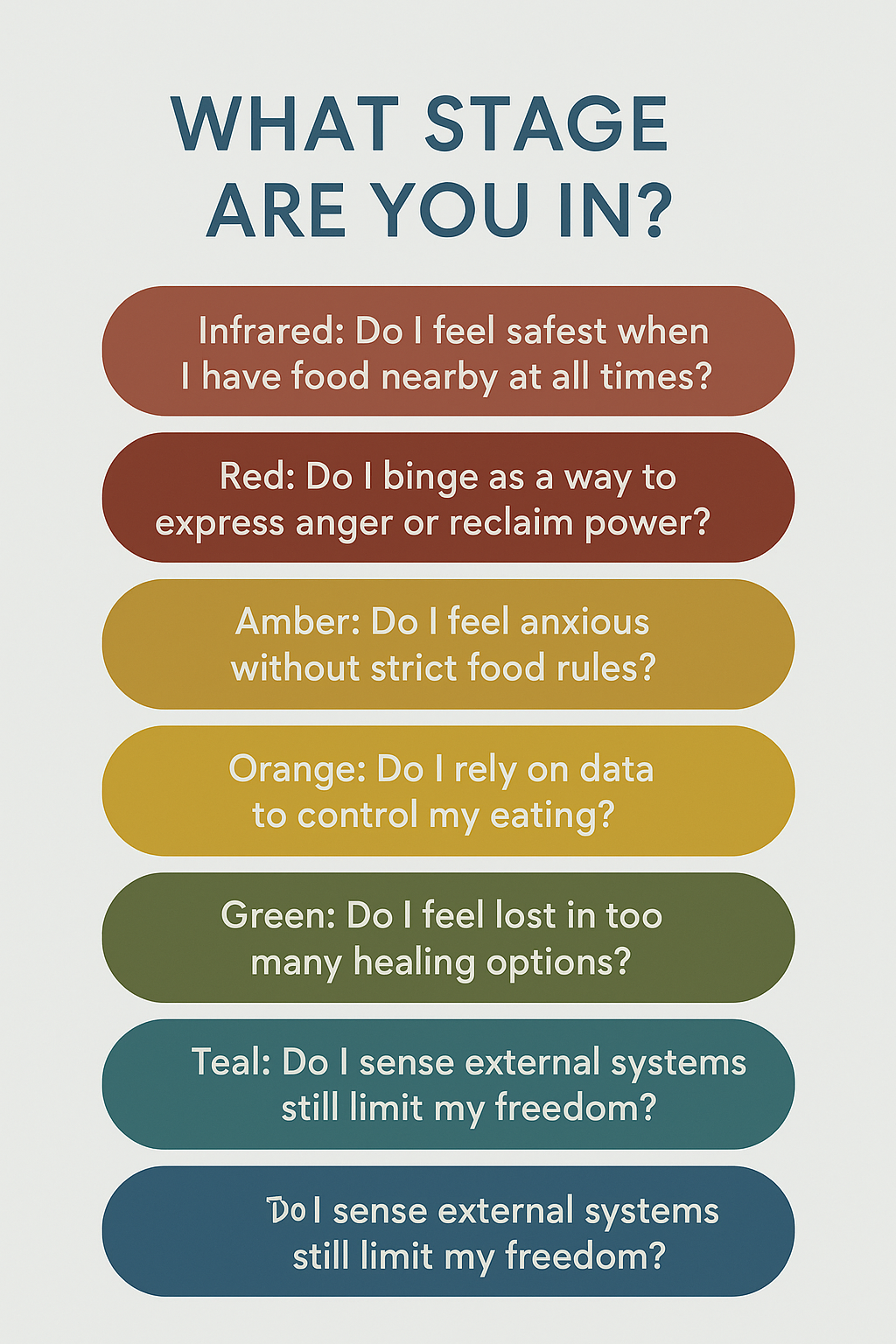
If you’re curious where to start, our free quiz can gently help you understand your current relationship with food.
Understanding Binge Eating Disorder as a Whole-Person Experience
Before we talk treatments, we have to name something crucial:
BED is not a sign of weakness. It’s a response to unmanageable overwhelm.
According to the DSM-5, binge eating disorder is characterized by recurrent episodes of eating large quantities of food, often quickly and to the point of discomfort, accompanied by a feeling of loss of control and followed by guilt or shame.
But the why runs deeper.
Most people struggling with BED are not bingeing because they’re hungry for food—but because they’re hungry for safety, regulation, relief, or escape.
BED is deeply tied to:
- Nervous system dysregulation (freeze, shutdown, or hypervigilance)
- Shame-based perfectionism and emotional repression
- Cultural messages that equate thinness with worth
- Structural barriers like medical gaslighting, poor access to care, or systemic pressure to diet
Understanding this context changes everything. It reminds us: healing is not about control. It’s about compassionate care.
Therapy Options for Binge Eating Disorder
Therapy is often the first—and most effective—line of treatment. Here are the most evidence-based approaches available in 2025:
1. Cognitive Behavioral Therapy (CBT)
CBT is the gold standard, with numerous studies confirming its effectiveness in reducing binge episodes (Wilson et al., 2007).
It works by helping you identify unhelpful thoughts (e.g., “I’ve ruined everything”) and replace them with more supportive beliefs.
Pros:
- Strong research backing
- Helps reframe black-and-white thinking
- Often time-limited and structured
Limitations:
- Doesn’t always address trauma or emotional regulation
2. Dialectical Behavior Therapy (DBT)
DBT focuses on emotional regulation, distress tolerance, and building mindfulness. It’s especially helpful for people who binge to numb or soothe overwhelming feelings.
Key skills taught include:
- Urge surfing
- Emotional naming
- Opposite action
3. Somatic Therapy & Trauma-Informed Approaches
For many, binge eating is rooted in early developmental trauma. Somatic therapies help reconnect you with your body—through breath, movement, and sensation tracking.
This supports nervous system repair in a way talk therapy alone often can’t reach.
If you’ve struggled with shutdown, dissociation, or food-related trauma, working with a somatic therapist may be especially helpful.
4. Coaching & Peer Support
Coaching isn’t a substitute for therapy, but it can be a powerful supplement—especially when grounded in nervous system understanding, like our Eating Enlightenment coaching program.
Medical & Psychiatric Treatment Options

While therapy addresses the psychological roots, some people benefit from medications that reduce binge urges or support mood stabilization.
FDA-Approved Treatments:
✔️ Lisdexamfetamine (Vyvanse)
Approved in 2015, Vyvanse is a stimulant that helps reduce binge frequency. It works by regulating dopamine and impulse control.
Note: It is typically reserved for moderate to severe BED and must be monitored closely.
✔️ Antidepressants (SSRIs like fluoxetine)
SSRIs are often used off-label to address co-occurring anxiety, depression, or obsessive thoughts that drive binge behavior.
Holistic and Lifestyle Approaches That Support Recovery
Healing from BED requires more than stopping binges. It’s about building a life where binges no longer feel necessary.
🥗 1. Nutritional Rehabilitation
Many people with BED are underfed during the day—leading to blood sugar crashes and nighttime binges.
Focus on:
- Eating 3 meals + 1–2 snacks daily
- Including protein, fat, and fiber in every meal
- Avoiding long periods of restriction
Our Mindful Meal Journal App helps you track your patterns and emotional connections to food—without shame.
🧠 2. Sleep, Stress, and Regulation Practices
Your nervous system plays a huge role in recovery. Without rest, you’ll likely fall into the cycle of restrict-binge-repeat.
Support yourself by:
- Aiming for 7–9 hours of sleep
- Limiting screens before bed
- Practicing breathing, grounding, or journaling daily
💬 3. Community & Connection
Isolation feeds shame. Whether it’s a support group, a Reddit thread, or one trusted friend—you deserve to be seen.
Even online communities like r/BingeEatingDisorder can help you feel less alone in the process.
Matching the Right Treatment to Your Needs
There’s no one-size-fits-all path. But asking the right questions can help you choose a starting point:
- Do I feel emotionally overwhelmed after binges? → Try DBT or somatic therapy
- Do I obsess about food all day? → Try CBT or coaching
- Do I feel stuck in shutdown or apathy? → Try nervous system support
- Do I need immediate relief from intense urges? → Consider medication + therapy
Many people combine several approaches. What matters most is that you begin with kindness.
What True Healing Looks Like (It’s Not What You Think)

Healing doesn’t look like eating salads and going to the gym.
It looks like:
- Eating a real breakfast instead of skipping
- Saying no when you mean no
- Crying instead of binging
- Forgiving yourself when you slip
And one day, it looks like this:
You feel an urge. You pause. You breathe. You choose something new.
That is what healing looks like.
If you want to go deeper, our Enlighten Eats course gently guides you through all four layers of healing: physical, emotional, relational, and spiritual.
Conclusion: You Are Already on the Path
If you’ve read this far, you’re already in motion. You are not stuck. You are becoming.
BED is not who you are. It’s what happened to you—and what your body learned to do in response.
There is a path to healing. And it’s not built on shame—it’s built on care.
When you’re ready, take the next step:
- Start with our free quiz
- Download the Mindful Meal Journal App
- Or explore compassionate coaching that meets you where you are
You deserve peace. Not perfection. Just peace.