

Maybe you found this page after a night of shame eating in secret, or perhaps you’ve googled this phrase — binge eating disorder testimonials — dozens of times before, hoping to find someone whose story made you feel less alone.
If so, I want to say this clearly: you’re not broken.
Binge Eating Disorder (BED) affects millions of people, but it can feel like no one really talks about it. Or if they do, it’s in whispers. Behind closed doors. Covered in shame. And yet, beneath the surface of that silence, real people are healing — often in quiet, profound, and deeply courageous ways.
In this article, you’ll hear from those people. Their stories are real (names changed for privacy), their emotions familiar, and their victories hard-earned. You’ll also discover resources that might gently guide you toward your own path of recovery — not with pressure, but with presence.
Curious about your relationship with food?
Our free quiz can offer gentle insight into your eating patterns and what they might be trying to show you.
What Is It Like to Live With Binge Eating Disorder?

For many, BED doesn’t start with food. It starts with feeling too much — or not being able to feel anything at all.
Here’s how Lisa, 33, describes it:
“I’d come home from work, numb from holding it together all day, and the only thing that made me feel anything was eating. It was like this out-of-body experience, and afterward, I’d sit there in shame, asking myself why I couldn’t stop.”
This kind of emotional spiral is heartbreakingly common. Binge eating often functions as a survival mechanism — a way to self-soothe when the nervous system is stuck in freeze, when the body doesn’t feel safe, when the world seems too much.
Over time, it becomes a patterned response:
- Emotional pain → urge to eat
- Temporary relief → crushing shame
- Resolution to “do better” → another binge
This cycle isn’t a moral failing. It’s the nervous system doing what it can to regulate overwhelming emotions — often ones rooted in childhood confusion, cultural pressure, or chronic stress.
💡 If you want to explore these deeper root causes and understand the stages of recovery, check out our Enlighten Eats Course — a gentle, comprehensive guide to healing your relationship with food.
Testimonial #1: “Food Was My Escape — and My Prison”
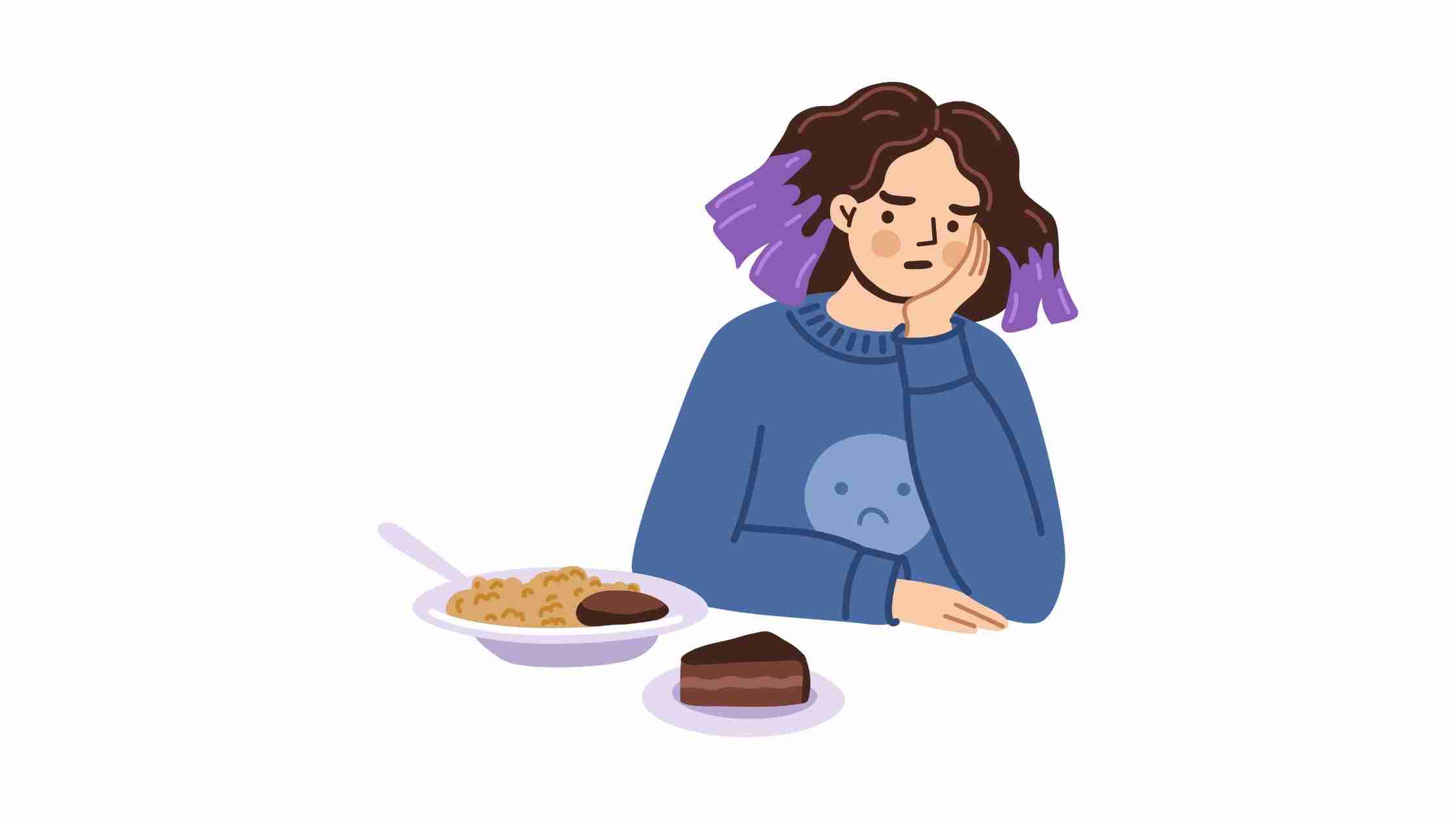
Name: Sarah, 28
Journey: Dieting at age 11, bingeing by 13
“I remember stealing food from the pantry and eating it under my bed. I didn’t even like the taste. I just needed the relief. I needed something to hold onto.”
Sarah’s story reflects a common pattern: early restriction, followed by secret bingeing. For her, the turning point came not through a diet, but through connection.
“When I started seeing a coach who didn’t judge me — who didn’t tell me what to eat, but asked me how I felt — something shifted. I started journaling. I started noticing my triggers. Slowly, I stopped hating myself.”
Key Takeaways from Sarah’s Recovery:
- Safety and self-compassion must come before change.
- Journaling can help uncover emotional roots.
- Coaching can provide co-regulation — the nervous system calming through relationship.
📝 Ready to explore your own eating patterns? Try our Mindful Meal Journal & App to gently track what you eat — and how you feel.
Testimonial #2: “I Was the Fit Guy With a Secret”

Name: Marcus, 35
Journey: Bodybuilder by day, binge eater by night
“No one would’ve guessed. I had abs. I meal prepped. But at night, I’d blackout and eat until I couldn’t breathe.”
Marcus’s story challenges the stereotype of who struggles with BED. The truth? Disordered eating doesn’t have a look. It hides behind achievement, control, and even health.
Marcus linked his bingeing to a deeper trauma — a childhood where perfection equaled love. His binges were rebellions. Acts of unconscious resistance.
“What helped was realizing I didn’t need to punish myself after every binge. I started learning about the nervous system. I began doing breathwork. Slowly, I felt more in control because I was less afraid.”
Marcus’s Healing Highlights:
- Bingeing often masks unacknowledged trauma or perfectionism.
- Somatic practices (like breathwork) help regulate impulses.
- Recovery includes rewiring what “strength” means.
Testimonial #3: “I Thought I Was Just Lazy”
Name: Priya, 42
Journey: Diagnosed late, misattributed to “lack of willpower”
“I kept thinking, ‘What’s wrong with me?’ I could do hard things at work, but not around food.”
Priya was never told that what she was experiencing had a name. Like many, she believed her struggle was a personal failure — not a recognized disorder.
“When I learned about BED, I cried. For the first time, it wasn’t my fault. It was a real thing. That validation changed everything.”
Through community support and therapy, Priya reclaimed her voice.
“Now, when I feel the urge to binge, I pause. I ask myself, ‘What am I needing right now?’ And then I try to give it to myself — without food.”
Lessons from Priya’s Path:
- Naming the struggle reduces shame.
- Recovery isn’t about control — it’s about attunement.
- You can’t hate yourself into healing.
👥 If you’re ready to speak with someone who gets it, consider our 1-on-1 Coaching — trauma-informed support that meets you where you are.
Common Threads in These Testimonials
Though each story is unique, some common themes emerge:
1. Shame is the Hidden Driver
Most people didn’t start bingeing because of food. They started because of:
- Emotional overwhelm
- Cultural expectations of thinness
- Early restriction or trauma
- Lack of safe emotional outlets
2. Healing Requires Safety, Not Self-Control
You can’t heal from BED by white-knuckling. Recovery happens when the nervous system feels safe enough to not need food as protection.
3. Co-regulation Matters
Therapists, coaches, and community offer the relational safety needed to break the isolation
What Helped Most: Reflections from Real People
Here are some of the practices and tools our community found most helpful:
- Journaling after a binge: Not to judge, but to witness.
- Eating regularly: Prevents physical hunger from triggering binges.
- Naming emotions before eating.
- Learning about nervous system responses: Understanding freeze, fawn, or shut-down made everything click.
- Gentle, non-diet guidance from trauma-informed coaches.
🔍 Want to better understand your personal binge patterns? Take our free quiz to start your journey.
Healing Isn’t Linear — But It Is Possible

There will be days when you feel like you’ve gone backward. That’s not failure. That’s the nervous system seeking safety the only way it knows how.
What matters isn’t perfection. What matters is kindness.
And if you’re here reading this? That’s already a kind act toward yourself.
Final Thoughts: You’re Worth the Work
If binge eating disorder has been quietly shaping your life, please hear this:
You are not alone. You are not broken. And healing is possible.
Thousands of people — just like you — have found freedom not through willpower, but through compassion, insight, and support.
Whether you start by taking our quiz, downloading our journal app, or exploring our course, you don’t have to do this alone.
🌱 Start with the free quiz — it might be the most compassionate question you ask yourself today.