


It’s a lonely thing—to feel like food controls you.
You tell yourself it’s the last time. That you’ll do better tomorrow.
But the craving hits like a wave.
And before you know it… you’re knee-deep in shame again.
If you’re here reading this, you’re likely exhausted.
From fighting your body.
From googling late at night, desperate to find the right solution.
From wondering, “What is wrong with me?”
Let’s pause.
Nothing about you is broken.
Binge eating is not a character flaw. It’s a response.
A very human one.
This article will walk you through the best therapy options for binge eating disorder in 2025.
Not from a place of pressure or perfection.
But from a grounded space of possibility—so you can begin to understand, choose, and move toward healing at your own pace.
Curious about your relationship with food?
Take our free quiz to gain gentle insight into your eating patterns and emotional needs.
What Makes Binge Eating Disorder So Hard to Treat?
Binge eating is more than “overeating.”
It’s more than food—it’s about feeling.
Most people struggling with BED (binge eating disorder) carry layers of shame, secrecy, and confusion.
Many have been misdiagnosed or dismissed.
Worse—many internalize the message that they just need more willpower.
But BED is not about willpower.
It’s often rooted in:
- Early experiences of emotional neglect or unpredictability
- Diet trauma or restriction cycles
- Nervous system overload—where bingeing becomes a shutdown or soothing response
- Cultural conditioning equating worth with thinness
In one study, over 60% of individuals with BED reported having experienced adverse childhood events (Udo & Grilo, 2018).
BED isn’t stubbornness. It’s survival.
Why You’re Not Broken: The Deeper Roots of Bingeing

Imagine this:
A child grows up in a home where emotions are overwhelming or ignored.
Food becomes the one consistent comfort.
Over time, that child becomes an adult—who eats not just for hunger, but for safety.
Bingeing often forms as a way to:
- Numb intense emotions
- Regulate inner chaos
- Create a felt sense of “fullness” when life feels empty
This isn’t just metaphorical—it’s biological.
Our nervous systems seek regulation.
When we don’t have safe relationships or tools to soothe ourselves, food can become the fastest route to calm.
So when you binge… your system is trying to help you.
Not hurt you.
And the best therapy?
Begins by honoring that truth.
What Is the Best Therapy for Binge Eating Disorder? (2025 Evidence & Insights)

There’s no one-size-fits-all answer—but certain approaches are consistently supported by research.
The most effective therapy in 2025 combines:
- Cognitive restructuring (addressing thoughts and beliefs)
- Emotional regulation (learning to feel without being overwhelmed)
- Nervous system awareness (recognizing when your body is in survival mode)
- Relational repair (co-regulating with others in safe, attuned relationships)
According to the American Psychological Association, Cognitive Behavioral Therapy (CBT) is the most evidence-based treatment for BED.
But newer integrative therapies that include somatic and attachment-based approaches are growing in popularity—for good reason.
CBT, DBT, and Beyond: Comparing Proven Approaches
Let’s break down the most common options:
CBT (Cognitive Behavioral Therapy)
- Helps reframe distorted beliefs about food and body
- Teaches structured coping strategies
- Often short-term and goal-focused
DBT (Dialectical Behavior Therapy)
- Focuses on emotional regulation and distress tolerance
- Helpful if bingeing is tied to intense emotions or self-harm patterns
ACT (Acceptance and Commitment Therapy)
- Uses mindfulness and values-based choices
- Helps reduce shame and resistance
Somatic and Polyvagal-Informed Therapies
- Focus on body-based cues and nervous system regulation
- Excellent for those with trauma histories or shutdown responses
When Therapy Alone Isn’t Enough: Addressing Nervous System Dysregulation

Many people in therapy still binge.
Why?
Because talking about the problem doesn’t always soothe the body that’s stuck in a state of stress or freeze.
If your bingeing feels automatic—like you go numb and can’t stop—it may be your nervous system calling the shots.
Therapies that include breathwork, body awareness, or co-regulation with a trusted guide can be deeply healing.
✨ Want to build daily awareness around your triggers and emotional patterns?
Try our Mindful Meal Journal App to gently track without judgment.
The Role of Trust, Relationship, and Co-Regulation in Healing
The truth is: healing rarely happens in isolation.
If bingeing developed in a context where you didn’t feel safe…
it makes sense that healing needs to happen in a safe relationship.
Therapy isn’t just about tools.
It’s about trust.
When you find a therapist who can hold space without judgment—
Your body begins to soften.
Your inner protector doesn’t need to binge just to feel okay.
When to Consider Group Therapy, Coaching, or a Course
Not everyone heals in the same way.
Some people find 1:1 therapy helpful.
Others need community.
Others prefer structured, self-paced learning.
Here’s a quick guide:
- Group Therapy: great for reducing shame and building connection
- Coaching: more present-focused and action-oriented
- Online Courses: offer clarity, structure, and affordability
✨ Want a guided path that explains the root causes of bingeing—and gives you tools to move forward?
Explore our Enlighten Eats course here
How to Choose the Right Therapist or Program for You
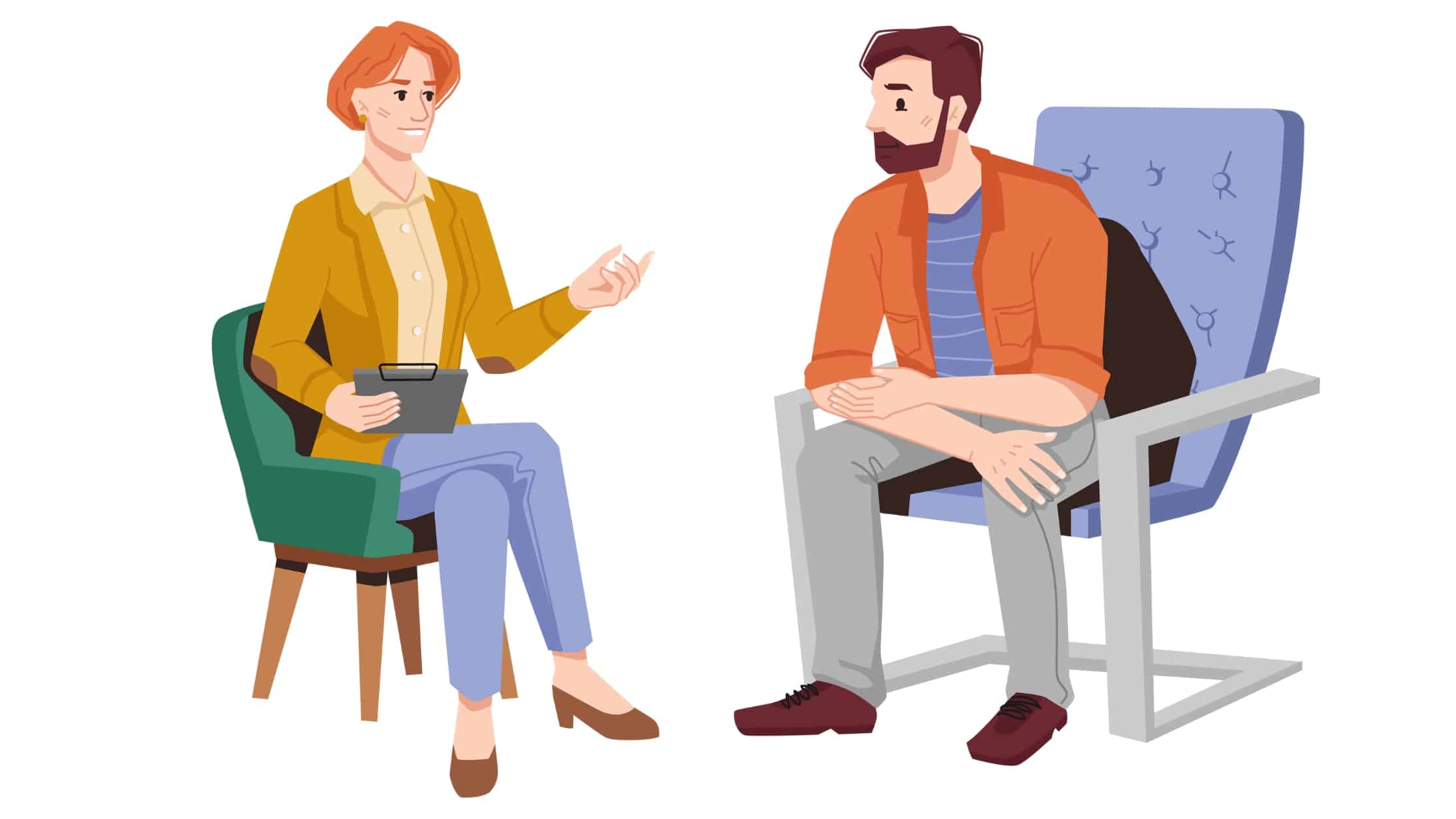
A few questions to ask yourself:
- Do I feel safe and seen by this therapist or guide?
- Do they understand the emotional and somatic roots of eating?
- Are they focused on weight loss—or whole-person healing?
Healing is relational.
It’s okay to try a few paths before one fits.
And it’s okay to outgrow something that once helped you.
✨ Need support finding the right next step?
Learn about Eating Enlightenment Coaching and receive compassionate guidance from a trained team.
You Are Not Alone: Hope, Healing, and the Next Step Forward
If you’ve struggled for years—know this:
There is nothing about you that is unworthy of healing.
Your cravings are not shameful.
They are signals.
And when you learn to listen—with help, with compassion—
Everything begins to change.
One step at a time.
✨ Not sure where to begin?
Take our free Eating Quiz to gently explore your patterns and possibilities.