


There’s a quiet pain that often goes unnoticed until something cracks.
Sometimes it begins with a skipped meal here or there — a desire for control, for lightness, for safety in a world that often feels too heavy. But beneath the surface, your body is being asked to survive a famine it never consented to. And over time, one of the deepest betrayals of that survival shows up in your bones.
Osteoporosis is not just something that happens to “old people.” In fact, among those with anorexia, especially young women and teens, osteoporosis and low bone density are heartbreakingly common — and often irreversible if left unaddressed.
But this isn’t an article to scare you.
It’s here to help you understand the very real, biological consequences of starvation while holding deep compassion for why someone might find themselves in this place. It’s here to offer hope, science, and small next steps.
Curious about your relationship with food? Our free quiz offers gentle insight — no judgment, just understanding.
How Anorexia Leads to Osteoporosis: The Biology of Starvation
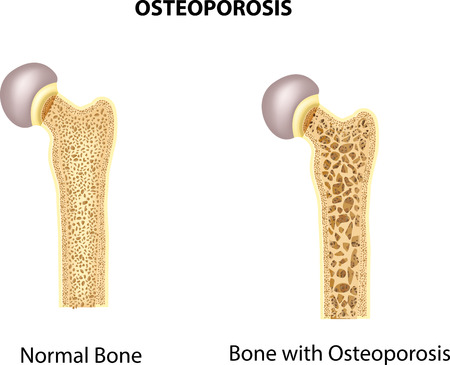
Let’s start with the basics: osteoporosis is a condition where bones become brittle and porous due to loss of mineral density. The result? An increased risk of fractures, chronic pain, and even changes to posture or mobility.
But how does anorexia cause this?
Here’s what happens inside a body coping with prolonged restriction:
- Calcium Deficiency: Without enough calcium from food, the body pulls it from bones.
- Hormonal Disruption: Low estrogen (in females) and testosterone (in males) reduces bone protection.
- Malnutrition of Bone-Building Nutrients: Magnesium, Vitamin D, and protein are all crucial for skeletal health — and often deficient in restrictive eating patterns.
- Elevated Cortisol: Chronic stress and starvation elevate cortisol, which degrades bone tissue.
📌 Research Insight: Up to 90% of women with anorexia develop some form of bone loss, and 38% develop full-blown osteoporosis (Misra et al., 2010, Journal of Endocrinology and Metabolism).
For many, this damage begins in the teenage years — just when bones should be reaching their peak density.
And yet… how many providers look at a thin teen and consider their bones?
If you’ve ever felt invisible in a medical office, or praised for losing weight when your body was begging for help, know that you’re not alone. Our cultural conditioning misses things. Especially the slow damage done by restriction.
Why This Happens: A Compassionate Look at Control, Collapse, and Coping
If you’re reading this, there’s a good chance you already know that anorexia isn’t just about food or weight. It’s about:
- Safety
- Perfectionism
- Fear of being too much — or not enough
- Trying to disappear to avoid being hurt
In that sense, the body’s shutdown makes perfect sense.
When life feels overwhelming and unsafe, it’s not unusual to try to make yourself smaller — emotionally, physically, even metabolically. Your nervous system can enter a freeze state. You may feel numb, rigid, or out of touch with hunger altogether.
This isn’t failure. It’s adaptation.
Unfortunately, that adaptation comes with a cost — one that your bones quietly bear. Because bones are living tissue, and they respond to nourishment, stress, movement, and emotion just like any other part of you.
You didn’t choose to harm your bones. You were trying to survive.
Signs and Symptoms of Bone Loss You Shouldn’t Ignore
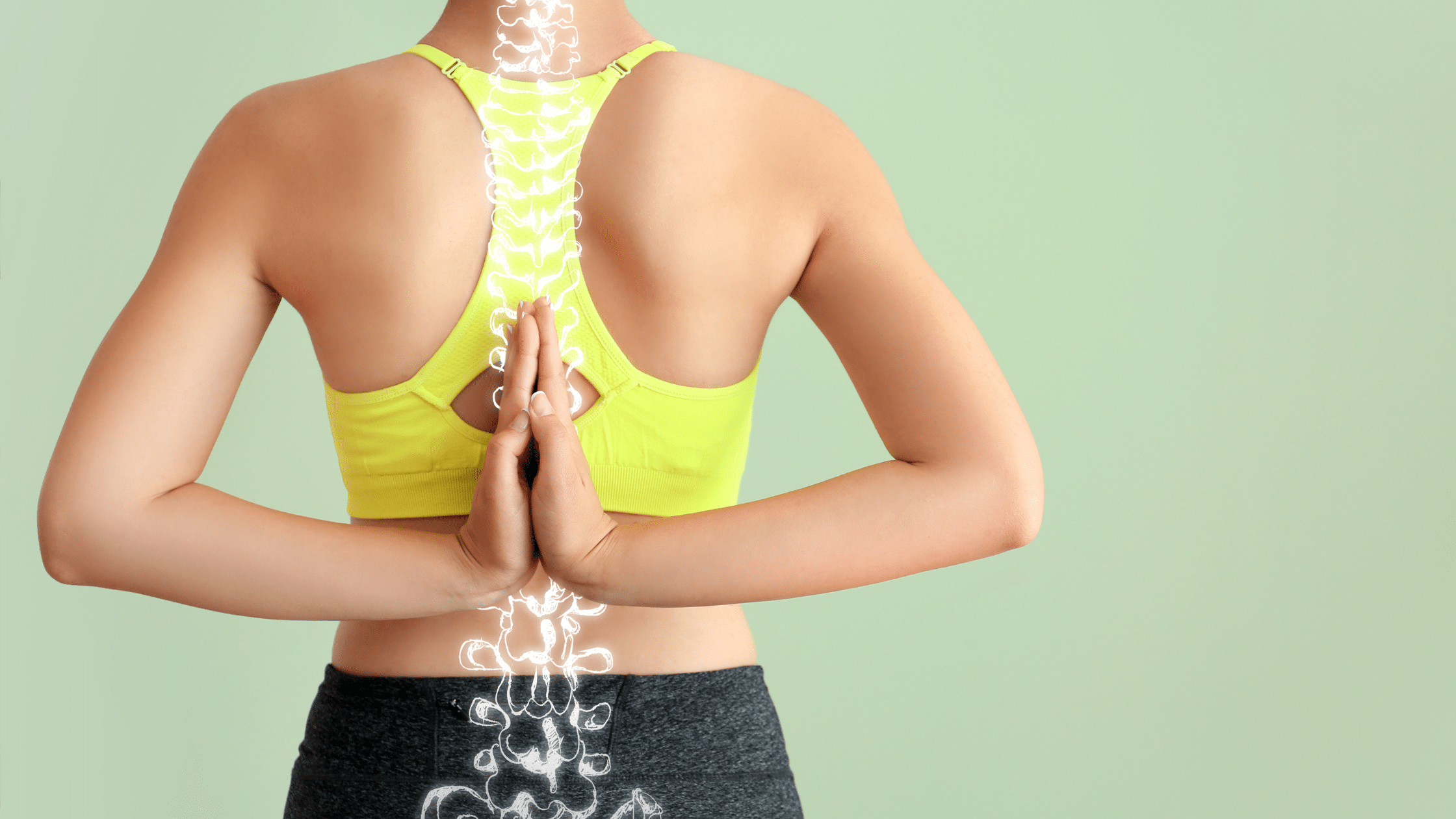
Osteoporosis is sometimes called a “silent disease” because the signs are easy to miss — especially in young people. But your body does whisper clues when it’s in distress.
Here are some possible signs of low bone density:
- Frequent fractures or stress injuries
- Persistent lower back pain
- Loss of height or stooped posture
- Menstrual irregularities (a sign of low estrogen)
- Fatigue and muscle weakness
If you’ve experienced any of the above, please don’t wait.
A bone density scan (DEXA) can offer valuable insight. More importantly, compassionate providers exist who see the whole picture — not just your weight.
💡Need structure and guidance? Our Mindful Meal App helps you build safe eating rhythms gently — and rebuild trust with your body, one meal at a time.
Why Early Intervention Matters: The Window You Don’t Want to Miss
The truth is hard: for many people with anorexia, some bone loss may be permanent.
But — and this is so important — early recovery can still make a huge difference. Especially if you’re under 30, your bones are still actively building density. And with time, support, and nourishment, much of that loss can be reversed or halted.
Key interventions include:
- Weight Restoration: This is essential for bone healing.
- Estrogen or hormone therapy: Especially for those who’ve lost their period.
- Strength training and gentle weight-bearing exercise
- Supplementation with calcium, Vitamin D, and magnesium
But none of this works without healing your relationship with food and your body. That’s the root.
That’s why our Enlighten Eats Course doesn’t just give you meal plans. It helps you understand the emotional, cultural, and somatic roots of disordered eating — so you can make peace, for good.
A Root Cause Reflection: What Did You Learn About Worth and Nourishment?
Pause for a moment.
What did you learn growing up about what made you “good”? Was it thinness? Discipline? Self-denial? What messages did you internalize about rest, appetite, softness?
So many of us grew up in systems — families, schools, media — that rewarded performance and punished need. The child who skipped seconds got praised. The teen who worked through hunger got admired.
Eventually, that conditioning shapes how we relate to our own bones.
Not because we’re vain — but because we’re trying to belong.
If this resonates, take a breath. Let yourself not be blamed. Let this awareness be a beginning — not a verdict.
Real Recovery Is Rooted in Reconnection
Bones rebuild when we feel safe.
That means safety in nourishment, yes — but also safety in relationship. With food. With your body. With others who witness you without judgment.
The healing process isn’t about force-feeding or “fixing” anything. It’s about reclaiming your right to be nourished — physically, emotionally, and spiritually.
And yes, sometimes that begins with calcium. But more often?
It begins with kindness.
Take the quiz. Use the app. Reach out. Not because you’re broken — but because your bones are worth protecting. And so are you.
Conclusion: Your Bones Want You Here — Fully Alive

If you’ve made it this far, thank you.
Thank you for your courage, your curiosity, your presence.
Osteoporosis may be a consequence of anorexia — but it’s not the end of your story. Your body is always trying to move toward healing, even when things feel stuck. Even when you’re afraid.
You are not alone. You are not too late. And you are not beyond help.
✨ Begin with something small:
- Take our free quiz to understand your eating patterns
- Try the Mindful Meal App to bring gentle structure to your meals
- Or reach out for coaching — because sometimes, you just need someone to walk beside you
You — and your bones — are worthy of care.