


Have you ever found yourself craving a warm slice of bread or a hearty bowl of pasta, wondering why you can’t get wheat-based foods off your mind? You’re not alone.
Cravings for wheat are surprisingly common and can signal more than just a simple liking for its taste.
These cravings might be tied to your body, emotions, or habits. By understanding the root causes, you can take charge of your eating patterns in a healthy and empowering way.
We’ll explore eight reasons for your cravings and share insights on journaling to understand them better, drawing inspiration from Eating Enlightenment. Use this as a guide to uncover the deeper meaning behind your food choices.

8 Possible Reasons for Your Wheat Cravings
#1. Nutritional Deficiencies
Sometimes, your cravings aren’t about the wheat itself but what your body is missing. Nutritional deficiencies, especially in magnesium or zinc, might cause you to crave wheat-based products for comfort or quick energy.
These deficiencies can sneak in when meals are skipped or diets rely heavily on processed foods that lack essential nutrients.
Try journaling what you eat and how you feel afterward to address this. You might notice gaps in your nutrition that need attention.
Replenish your body with nutrient-dense foods like leafy greens, nuts, seeds, and legumes. These restore your magnesium and zinc levels and reduce the intensity of your cravings.
#2. Opioid-Like Effects of Gluten

Did you know that wheat can affect your brain in surprising ways? When you digest wheat, your body breaks it down into peptides like gliadorphin, which has an opioid-like effect.
This can leave you calm or soothed, creating a strong link between wheat and emotional comfort.
If you reach for wheat products in moments of stress, it’s worth exploring this emotional connection.
Keep a food and mood journal to note how you feel before and after eating wheat. Simply recognizing this pattern can help you identify whether your cravings are physiological or emotional, empowering you to seek alternative ways of calming yourself when emotions run high.
#3. Stress and Emotional Eating
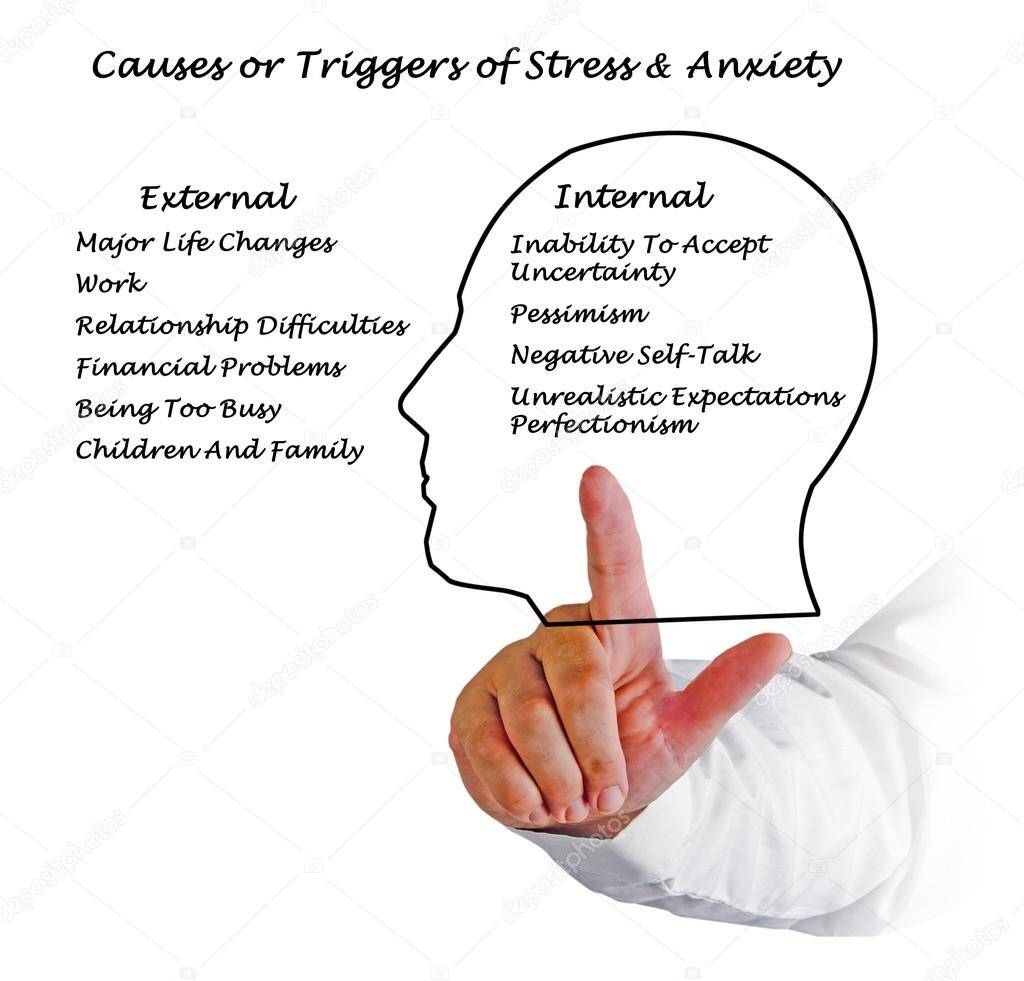
Stress often triggers cravings, and wheat-based comfort foods tend to feel like the perfect solution. Whether it’s the warmth of freshly baked bread or the crumbliness of a soft cookie, these foods often remind us of happier or calmer times.
Unfortunately, relying on food for emotional release can perpetuate a cycle of craving and guilt.
Journaling your emotional states alongside your cravings can help you spot when stress, anxiety, or boredom is driving your wheat indulgence.
Once you see the connection, you can try alternative stress-relief techniques, such as deep breathing, meditation, or calling a friend, instead of reaching for another pizza slice.
#4. Cultural and Habitual Associations

Wheat products are deeply woven into many societies’ social and cultural fabric. Think about family gatherings over pizza, pasta dinners, or holiday cookies.
These memories often increase our pull toward wheat-heavy foods, making them feel inseparable from routines or traditions.
Mindfulness journaling can help you unpack these associations. Are you craving pasta because you’re hungry or because it reminds you of Sunday dinners with loved ones? By becoming more aware of these underlying triggers, you can find satisfying alternatives that still hold personal or cultural significance, like zucchini noodles or cauliflower-based pizza crusts.
#5. Blood Sugar Imbalances
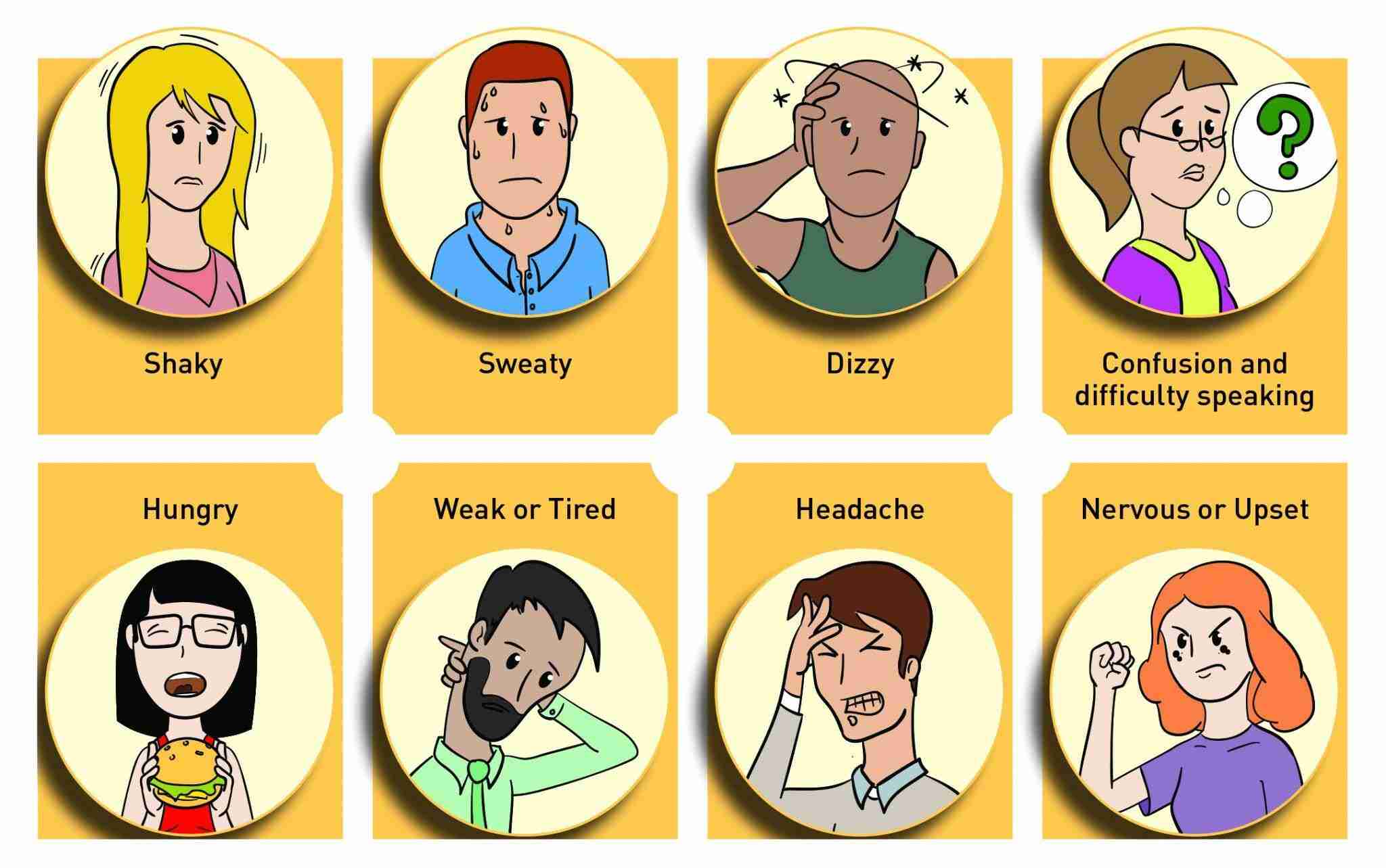
A standard physical reason for wheat cravings is low blood sugar. When energy dips, your body seeks a quick carbohydrate fix, and wheat products like bread or crackers are easy go-tos. But their relief is often temporary, leading to another craving soon after.
Pair your meals and snacks with protein, healthy fats, and fiber to stabilize your blood sugar and reduce these rollercoasters.
For example, substitute a sugary pastry with an apple paired with almond butter. Journaling your hunger and energy levels throughout the day can reveal when you’re most vulnerable to these cravings, allowing for better preparation.
#6. Dehydration or Lack of Fiber
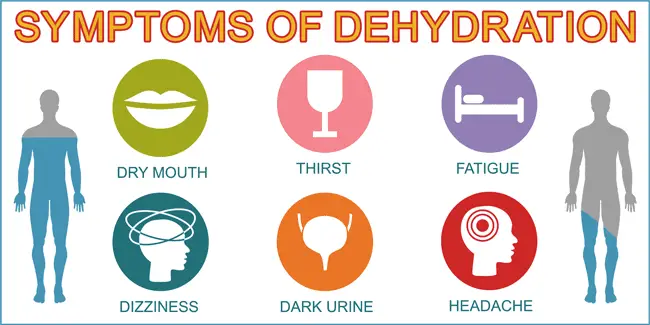
Sometimes, your body confuses thirst or low fiber intake with a need for wheat-heavy foods. If you’re not staying adequately hydrated or eating enough fiber, your body might prompt you to reach for something, even if water or vegetables might better address the need.
Hydrate throughout the day, incorporating whole, fiber-rich alternatives like oats, barley, or quinoa instead of reaching for white bread or crackers.
Track your water and fiber intake in your journal to see if these adjustments help diminish your cravings for wheat over time.
#7. Food Sensitivities or Gluten Addiction
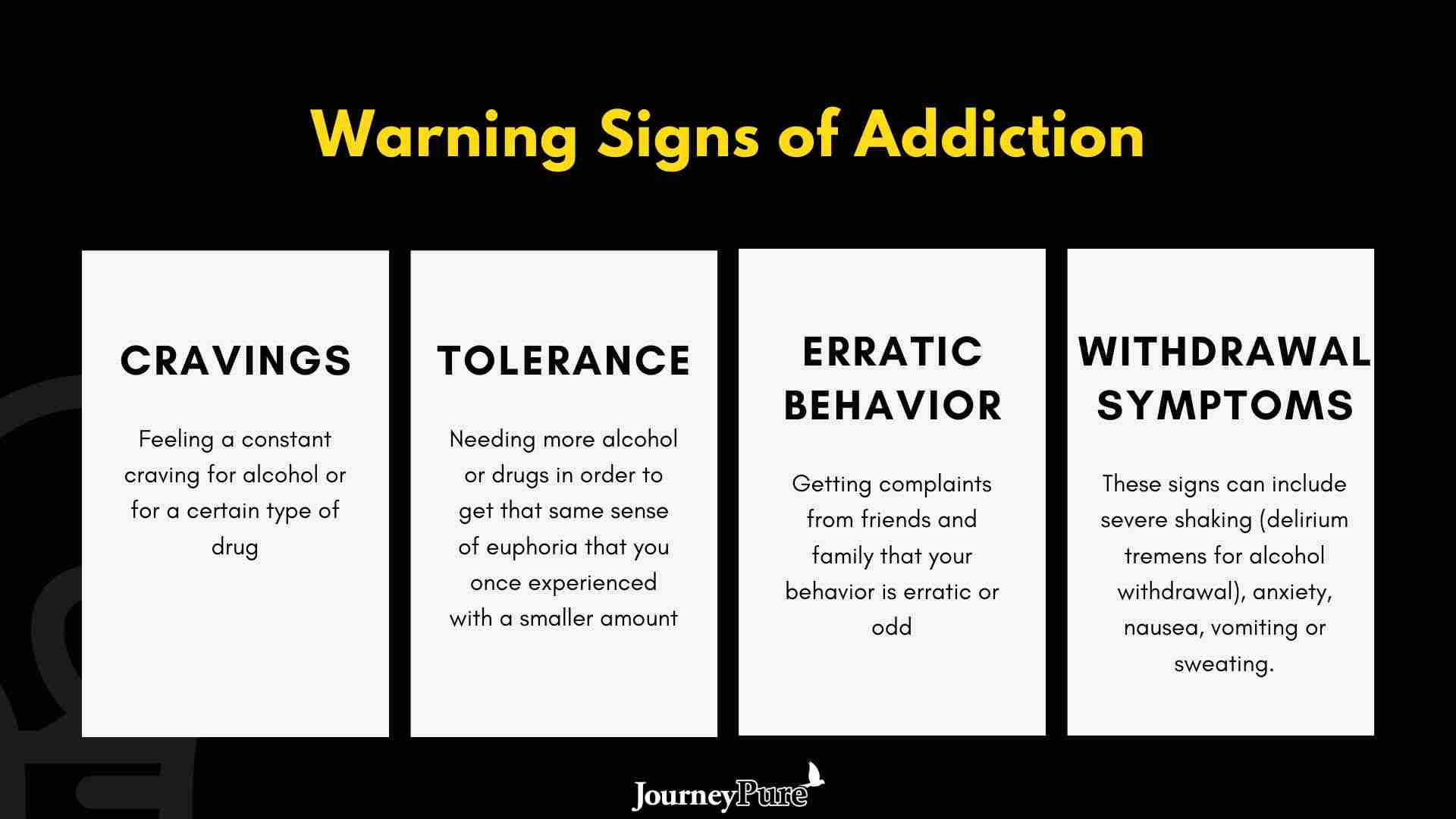
Ironically, gluten intolerance or sensitivity might be fueling your wheat cravings. When your body struggles to process certain foods, it sometimes creates short-term addictive cycles, leading you to crave what’s making you feel discomfort afterward.
If you often feel bloated, fatigued, or foggy after eating wheat, journaling your physical symptoms can be revealing. Track what you eat alongside how your body reacts.
This practice can uncover hidden sensitivities, giving you the insight to experiment with gluten-free options or consult a healthcare provider for advice.
#8. Subconscious Dieting Mentality

Have you tried eliminating wheat from your diet? However, restriction can often backfire, making banned foods even more tempting.
Wheat, labeled as a “forbidden food” in specific diets, is one of the most common craving triggers for this reason.
To break free from this cycle, practice mindful indulgence. Enjoy wheat-based foods consciously and in moderation.
Use your journal to reflect on how it feels to eat wheat without guilt, noting the experience and savoring each bite. Over time, you’ll find that cravings lose their intensity as they stop being “off-limits.”
Are Cravings a Sign of Binge Eating Disorder?

Wheat cravings might be more than a passing desire—they can sometimes hint at a more profound issue like Binge Eating Disorder (BED).
BED involves a cycle of restriction, bingeing, and shame that can reinforce cravings as part of a larger pattern. Recognizing these signs is essential to navigating your relationship with food.
One key feature of BED is the binge-diet cycle, which often starts with restricting or labeling foods, like wheat, as “bad.” The deprivation builds cravings, eventually leading to overconsumption and a sense of losing control.
For example, avoiding bread all week and eating half a loaf on Friday highlights this pattern. The guilt that follows keeps the cycle alive. Journaling your meals and emotions can help you spot these connections and become aware of the underlying behaviors.
How Eating Enlightenment Helps You Break the Cycle
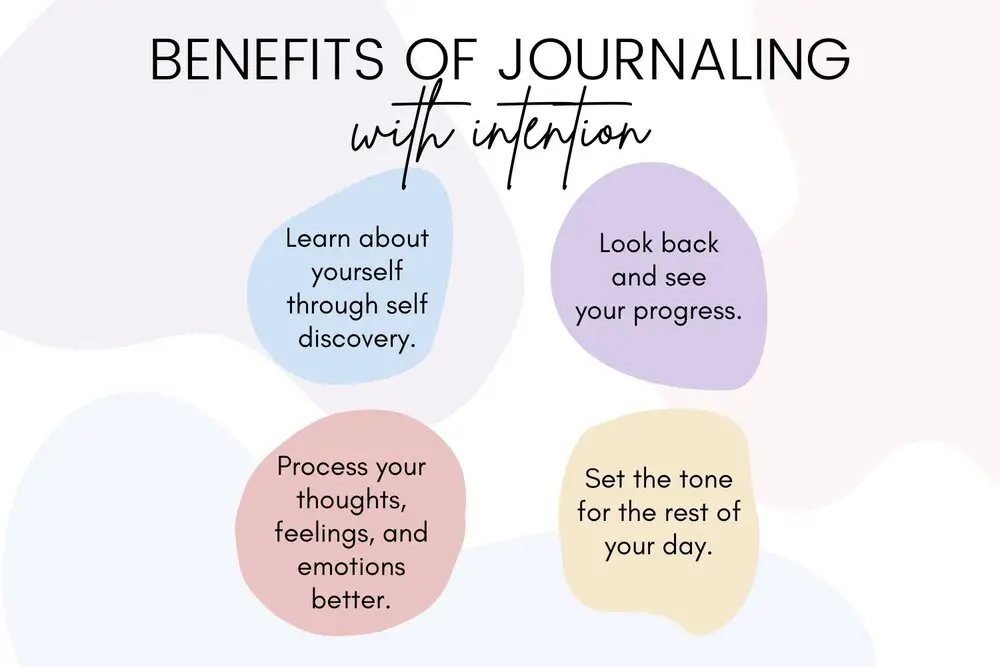
At Eating Enlightenment, we use a compassionate 3-step process to address cravings holistically.
Step One – Nutritional Journaling
Start by consistently nourishing your body. Balanced meals with proteins, fats, and whole grains like quinoa or farro help stabilize your energy. Journal prompts like “When did I feel the most full today?” can identify gaps in your diet and highlight areas for improvement.
Step Two – Mindfulness of Emotional Triggers
Once your nutrition is steady, explore the emotional causes behind cravings. If stress or boredom drives your desire for comfort foods, reflections like, “What emotion is tied to this craving?” can guide you to alternative ways to soothe yourself, such as taking a walk or meditating.
Step Three – Inner Voice Awareness
Finally, identify the deeper emotional roots of cravings, such as unmet needs or past experiences. Journaling questions like, “What part of me is asking for comfort through food?” can help uncover insights that lead to healing and reduce the emotional pull of cravings.
Cravings are windows into what your body or mind needs. By addressing them with mindfulness and proper nutrition, you can break free from cycles like BED and find a healthier balance with food. Start small by journaling your cravings today to uncover meaningful patterns.
Practical Tips to Wrap Up
- Hydrate consistently and eat fiber-rich meals.
- Acknowledge cravings without judgment.
- Shift focus from restriction to nourishment.
- Take the free Eating Enlightenment Quiz to uncover more profound insights into your cravings and eating patterns.
Conclusion:
Understanding the reasons behind your wheat cravings is vital to building a healthier and more balanced relationship with food.
Whether these cravings stem from nutritional deficiencies, emotional triggers, or habitual patterns, the key is to pause and listen to your body’s unique needs.
Addressing these cravings with mindfulness and informed choices can improve well-being, energy, and emotional balance.
You don’t have to figure it all out alone—tools like the Eating Enlightenment Journal App are here to guide you on this empowering journey.
The app’s easy-to-use platform helps you track your eating habits, discover patterns, and connect with the deeper meaning behind your cravings.
By reflecting on your food choices and emotions in real-time, you can uncover key insights that inspire healthier, more nourishing decisions.
Your relationship with food tells a powerful story. Download the Eating Enlightenment Journal App or take our free quiz today to begin your path toward mindful nourishment and freedom from cravings.
Each step brings you closer to a brighter, more balanced you. Start now and take the first step toward better understanding yourself!