

Have you longed for a hearty serving of turkey and wondered why that craving feels so strong? Perhaps it’s the thought of a perfectly roasted turkey at a holiday feast or the memory of a delicious turkey sandwich you couldn’t get enough of. It might catch you off guard during a busy day, leaving you wondering what’s driving this sudden urge. As peculiar as they seem, these cravings hold a more profound story—they can reveal fascinating truths about your body, emotions, and lifestyle.
Cravings don’t just pop up out of thin air. They often carry messages and clues about what you might need or feel at that moment. Sometimes, it’s as simple as a nutrient deficiency. Other times, it might be a nostalgia-fueled yearning for comfort. Whatever the cause, it’s worth paying attention to these signals and approaching them with curiosity and kindness.
Could it be your body asking for something it’s missing? Or might an emotional tie be formed in the warmth of family gatherings or seasonal traditions? This post will take you through the common reasons for craving turkey and the surprising ones that go beyond the plate. Together, we’ll explore the possibilities and uncover how you can respond to these cravings in a balanced, mindful way. Get ready to decode the mystery behind that irresistible pull toward turkey!
#1. Your Body is Asking for Protein
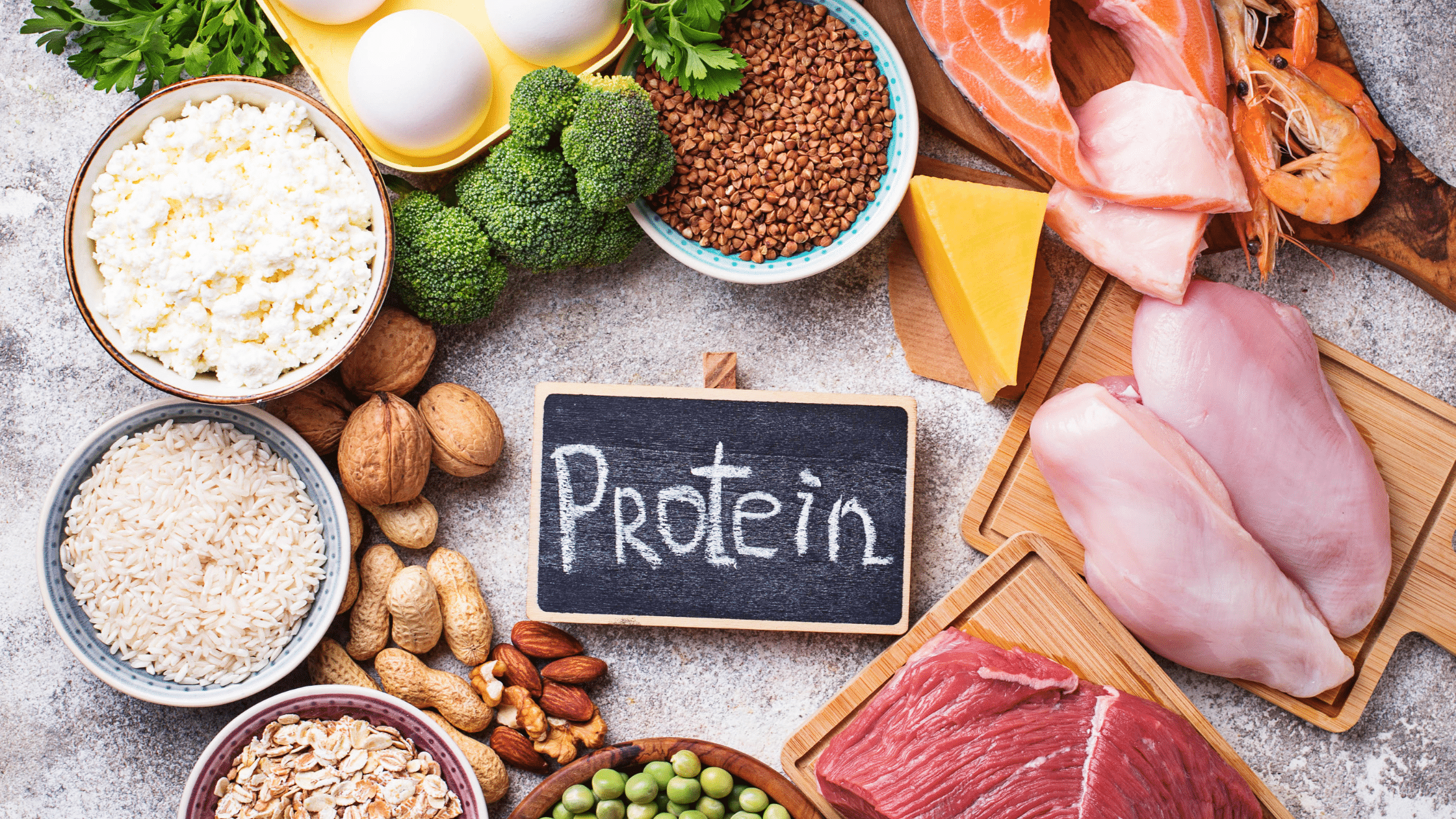
Turkey is a protein powerhouse, offering the essential building blocks your body needs to repair tissue, sustain energy, and keep you feeling full. If you haven’t been eating enough protein lately—maybe your meals have been heavy on carbs or light on balance—your body may be nudging you toward turkey to fill that gap. This can also happen after physical exertion, like a gym session, when your muscles are in repair mode.
Journaling Prompt: Take a moment to list what you’ve eaten in the past two days. Are protein-rich foods missing? Did your meals leave you feeling full or craving more? Reflect on whether this turkey craving aligns with what your body might be missing.
#2. Low Levels of Specific Nutrients
Turkey isn’t just rich in protein; it’s a source of essential nutrients like zinc, vitamin B6, and tryptophan. Zinc helps boost your immune system, vitamin B6 contributes to energy and cognitive function, and tryptophan supports the production of serotonin, which can enhance your mood. A craving for turkey might be your body’s way of nudging you toward these nutrients if they’ve been running low.
Journaling Prompt: Use your food journal to track diversity in your meals. Are you getting various nutrients from colorful fruits, veggies, and proteins? Write down how you might incorporate these essentials into your diet more consistently.
#3. Seasonal Associations and Habits
Turkey often takes center stage during seasonal celebrations, like Thanksgiving or cozy holiday dinners. If your craving appears around specific times of the year, it might stem from seasonal nostalgia—moments that evoke warmth and connection. Cravings for turkey could signal a longing for the comfort and memories tied to those occasions.
Journaling Prompt: Reflect on how the current season feels to you. Does turkey remind you of specific memories or loved ones? Write about these connections and notice how revisiting them makes you think.
#4. A Need for Comfort
Food goes beyond sustenance; it can be an emotional anchor. Turkey often features in comforting, celebratory dishes, so if you’re feeling stressed, lonely, or emotionally drained, that turkey craving might be your mind whispering for something more than food—comfort, connection, or grounding.
Journaling Prompt: Ask yourself, “How has my emotional state been lately?” Write about the feelings that come up. Is your craving more about comfort than hunger?
#5. You’ve Been Restricting Certain Foods

Have you recently been on a diet or cut out foods that you used to enjoy? Sometimes, well-intended food restrictions backfire, causing intense cravings for “forbidden” items like turkey. Your body may rebel by creating heightened focus and desire for the foods you’ve tried to limit.
Journaling Prompt: Reflect on any food rules you’ve set for yourself. Are they empowering, or do they feel overly restrictive? Write about how allowing yourself flexibility with foods like turkey might ease these cravings.
#6. Tryptophan’s Mood-Boosting Effects
Turkey is famous for its tryptophan content, an amino acid that promotes serotonin, a key hormone for regulating mood and relaxation. Craving turkey could hint at stress or low mood, but eating it might feel natural and calm your mind and body.
Journaling Prompt: Write about how you’ve felt emotionally over the past week. Do moments of stress or sadness line up with your turkey craving? Explore whether this is your body’s way of seeking balance.
#7. Cultural and Social Triggers
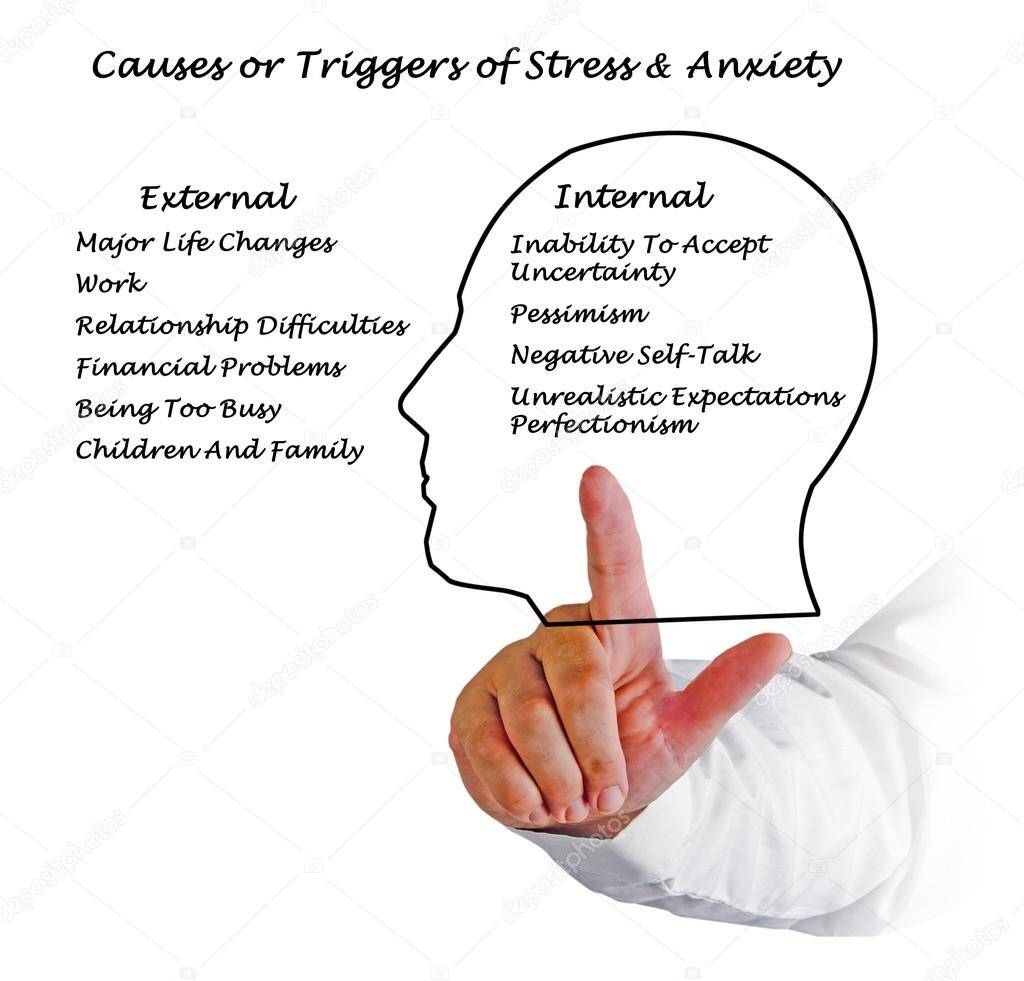
Have you recently watched a family cook turkey in a commercial or scrolled past a delicious-looking turkey dish on social media? Sometimes, our cravings are products of external cues rather than internal needs. Food, especially turkey, can also carry social and cultural significance if tied to shared meals or group traditions.
Journaling Prompt: Reflect on your recent interactions with food. Are you craving turkey because you’ve seen, smelled, or shared it socially? Write about whether these experiences have shaped what you want to eat.
#8. Mindful Eating and Intuition
Not all cravings are signs of imbalance. Sometimes, your body instinctively knows what it needs or wants. Trusting that wisdom with curiosity can be empowering. If turkey sounds appealing because of its taste, smell, or texture, it might simply be your body guiding you toward something satisfying in that moment.
Journaling Prompt: Take a mindfulness pause. Ask yourself, “Why am I craving turkey? What about it feels appealing—its flavor, its warmth?” Write about how eating turkey might make you feel physically and emotionally.
Could Your Cravings Point to Something Deeper?
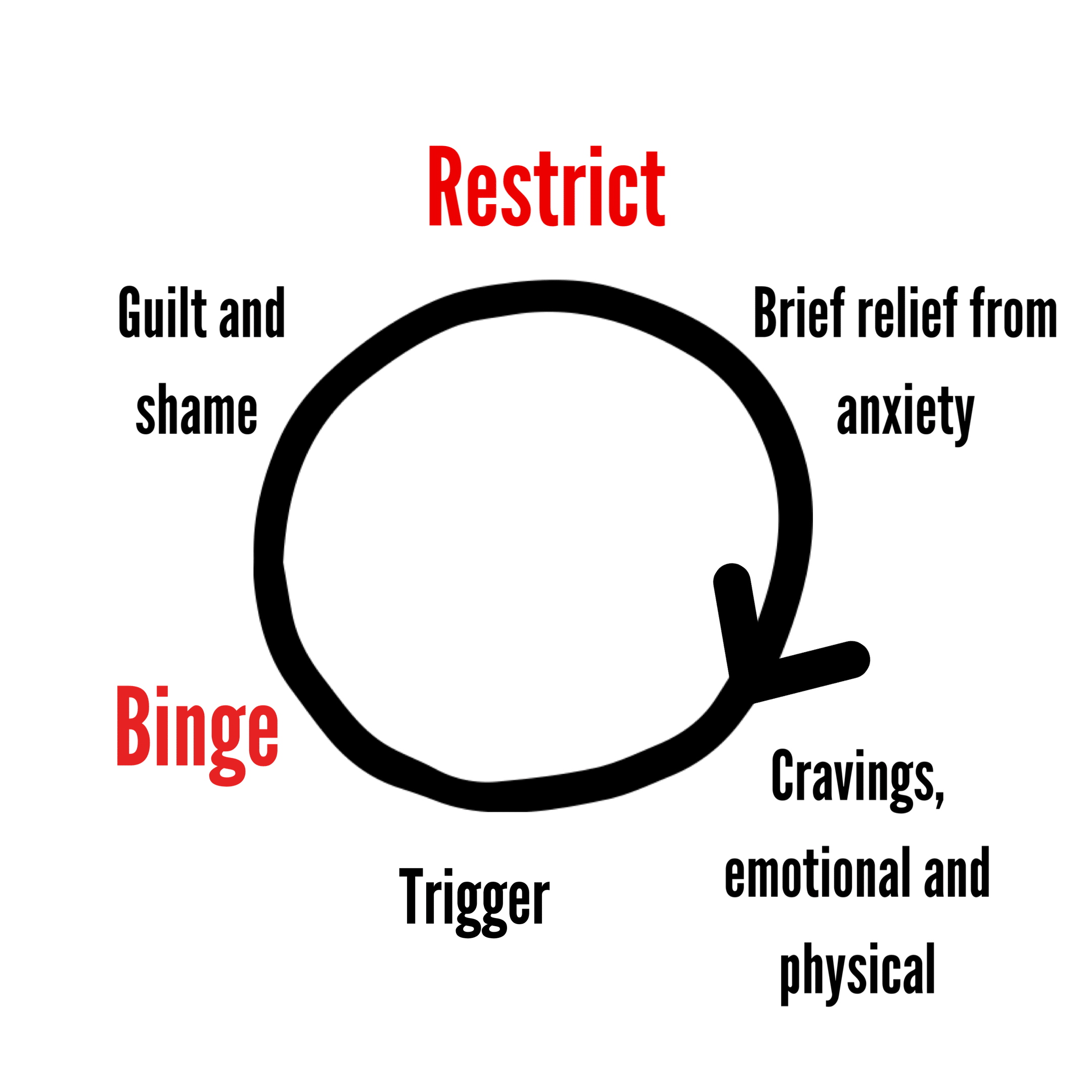
Have you ever craved a particular food so intensely that it felt like it was taking over? While occasional cravings are usual, overpowering urges may signal your body or emotions trying to communicate something important. Cravings often go beyond physical needs, hinting at unresolved feelings, habits, or stress responses. They can also illuminate areas that might need care or attention.
For instance, craving turkey might reflect a nutritional need—or a deeper emotional connection to warmth and family. If indulging leaves you feeling guilty or fuels a cycle of restriction and overeating, it could indicate a more complex issue, like binge diet patterns. These cycles can trap you in emotional turmoil, making cravings harder to understand or control.
Cravings as Messengers
At Eating Enlightenment, we view cravings as opportunities to listen and grow. A craving might reveal a physical need, an emotional gap, or a signal to pause and reflect. For example, turkey cravings during stressful times or holidays might indicate a desire for comfort or connection. Pinpointing these triggers through journaling can help uncover patterns and gently explore their meaning.
The Eating Enlightenment 3-Step Approach
Rather than ignoring or battling your cravings, try approaching them with curiosity and compassion using these three steps:
Step 1. Nutritional Journaling
Ensure your body is nourished with regular, balanced meals rich in protein, fats, and carbs. Missing meals or skimping on nutrients often heightens cravings. Keep a simple journal to track your eating habits and identify gaps. For example, a mid-afternoon turkey craving might reveal a lack of protein at lunch. Adjusting your meals can prevent similar cravings before they start.
Step 2. Mindfulness of Triggers
Explore why cravings arise. Are they tied to comfort, stress, or habit? Journaling can help you spot emotional or situational triggers. Stressful days or nostalgic memories might fuel specific cravings. Once identified, ask yourself what your body or mind truly needs: rest, connection, or self-care beyond food.
Step 3. Inner Parts Work
Dig deeper into the “why.” Cravings often carry emotional baggage connected to unmet needs or past experiences. For instance, a turkey craving could reflect an ongoing familial connection. Journaling as though dialoguing with your craving can uncover inner emotions and lead to healing. What does your craving genuinely ask for, and how can you nurture that need?
Cravings as Teachers
Cravings are not flaws—they’re guides, pointing you toward physical, emotional, or spiritual balance. By journaling and reflecting, you can turn these signals into profound insights. Pause and ask yourself: What’s beneath my craving? How can I meet my actual needs? Consider starting your exploration today with [product], a tool to guide you toward a guilt-free, peaceful relationship with food and yourself.
The action begins with understanding. Listen to your cravings, reflect with curiosity, and honor the wisdom they carry.
Practical Tips to Address Turkey Cravings
Turkey cravings can tell us much about what our body and mind truly need. Whether it’s your body asking for more protein, a sign of low essential nutrients, or even an emotional yearning for comfort and connection, these cravings are worth listening to. We’ve explored how cultural traditions, seasonal influences, and even our habits can affect these feelings. Perhaps one of the most surprising insights is how cravings offer more than a physical message—they invite deeper self-awareness and reflection.
Rather than dismissing or suppressing your turkey cravings, consider them an opportunity to discover more about your nutritional and emotional needs. By addressing these signals thoughtfully—whether through balanced meals, mindful eating, or journaling—you can respond in ways that fulfill your body and mind while nurturing your relationship with food.
If you’re curious about understanding your eating habits on a deeper level, download the free Eating Enlightenment Journal App today. This app is designed to help you track your meals and emotions, offering insights into patterns and triggers you may not have noticed. Start journaling your cravings and watch how each small step leads to a better, healthier connection with your food and yourself. Your cravings are a pathway toward growth, so take that first mindful step and explore where they can lead!