

Have you ever found yourself craving a slice of toast out of the blue? Maybe you were sitting at your desk, and suddenly, the image of warm, crunchy bread fresh from the toaster popped into your mind. Or perhaps it’s the kind of craving that won’t quit until you give in, slathering it with butter or your favorite spread. Sound familiar?
You’re not alone. Cravings for something as simple yet comforting as toast are surprisingly common and can feel oddly specific.
But here’s the real question worth asking—why toast? Is your body asking for a quick energy fix, or could this craving mean something more profound? You might be surprised that your sudden toast obsession could reveal fascinating insights about your dietary needs, emotional state, or habits that shape your daily life.
Whether it’s a sign of missing nutrients, a comforting connection to the past, or a signal from a stressed-out brain, there’s more to this craving than meets the eye.
By the time you finish this post, you will not only understand why your mind keeps drifting back to toast, but you’ll also gain practical tools and prompts for journaling your way to clarity.
Together, we’ll uncover the possible reasons behind your cravings, including nutritional gaps, emotional cues, lifestyle patterns, and more.
And suppose your craving feels overwhelming or complicated to control. In that case, we’ll also take a compassionate look at how it could connect to larger eating patterns you might not have considered before.
Get ready to explore the surprising layers behind this seemingly simple desire—and walk away feeling more empowered to listen to your body in a way that brings both understanding and peace. Let’s get started!
#1. Your Body Needs Carbohydrates
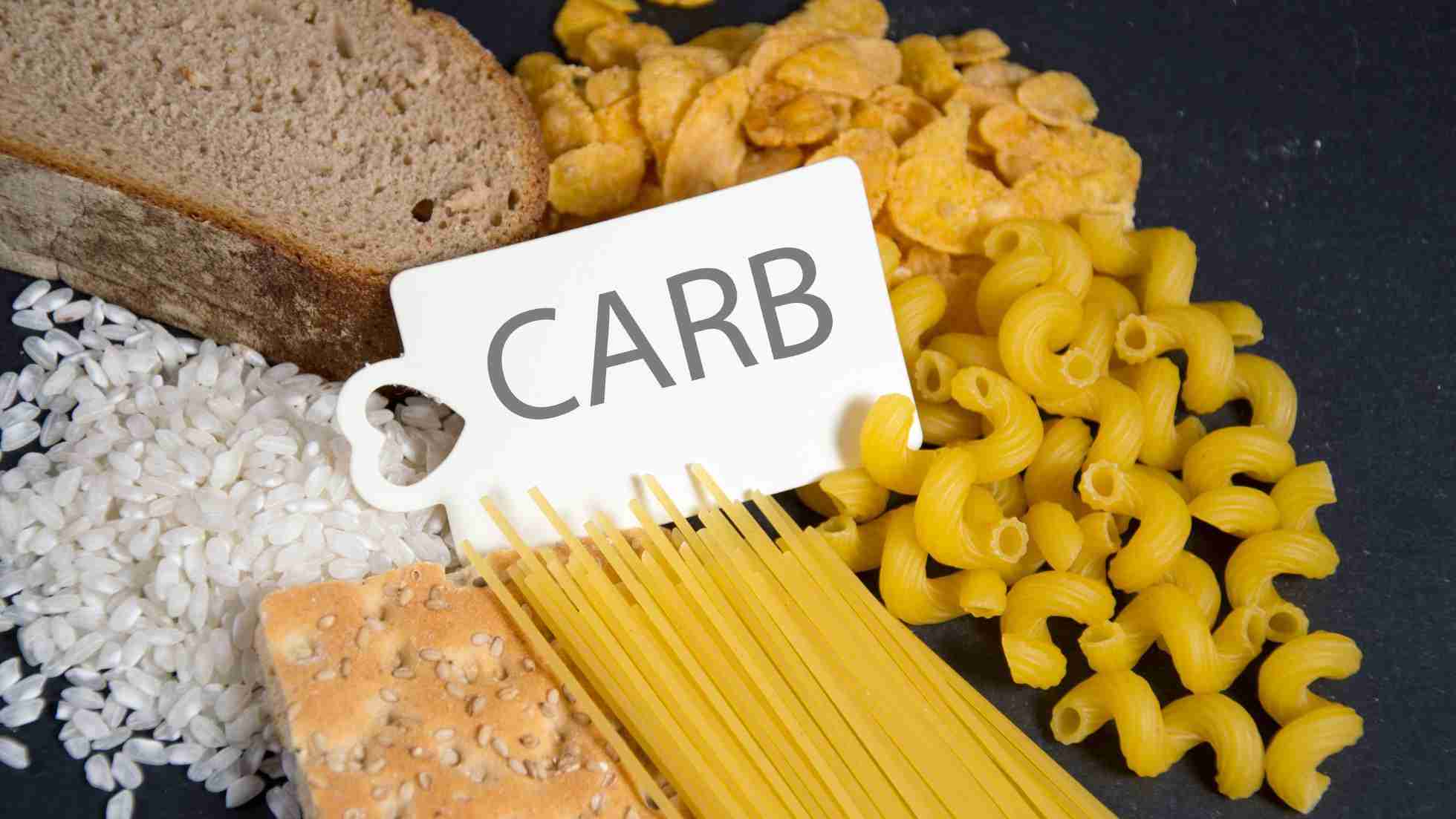
At its core, toast is a simple, easily digestible source of carbohydrates—your body’s primary energy source. If your body runs low on energy, it might nudge you toward something quick and accessible, like toast. This is especially common if you’ve been skipping meals, following a low-carb diet, or exercising more than usual.
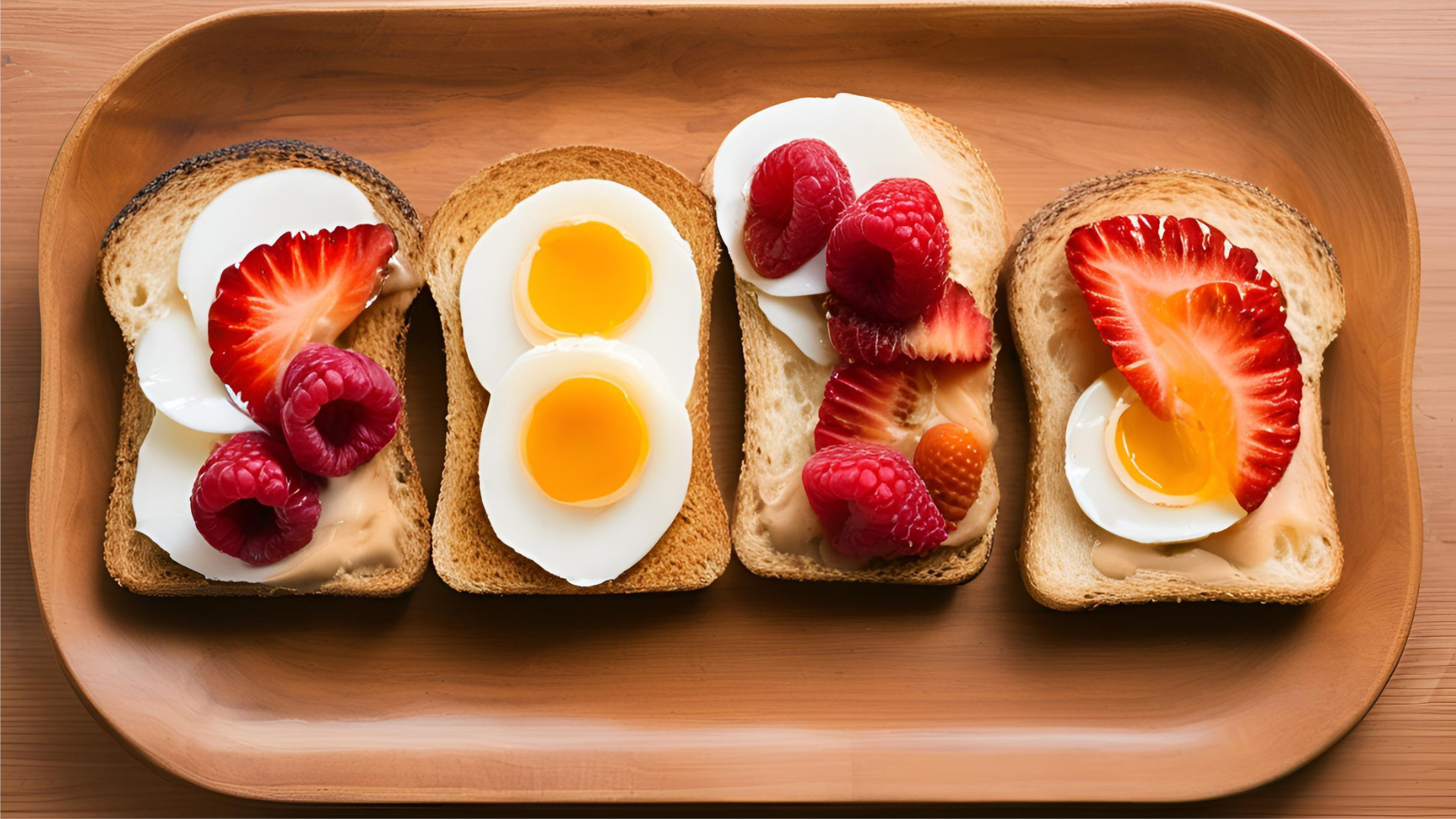
A great way to avoid this is to ensure your meals include complex carbs throughout the day. Incorporate options like quinoa, oats, and whole-grain bread for sustained energy. If you’re craving toast, pair it with a protein or healthy fat topping, like peanut butter or avocado, to stabilize your blood sugar.
How to journal: Record your recent meals. Did you skip breakfast? Have you been undereating carbs? Food journaling helps you identify patterns to nourish your body more consistently.
#2. Blood Sugar Imbalance
When your blood sugar levels dip too low or spike too high, your body may crave foods like toast to restore balance quickly. Toast—predominantly white bread—breaks into glucose quickly, providing a quick energy spike. However, this can lead to a crash shortly after.
To address this, choose whole-grain or rye bread to slow digestion and pair it with healthy toppings. This combination prevents sudden blood sugar spikes and produces more balanced energy.
Practical tip: Next time you eat toast, add a protein-rich option like eggs or cheese to keep your hunger in check longer and avoid energy dips.
#3. Mineral Deficiencies (Magnesium or Chromium)
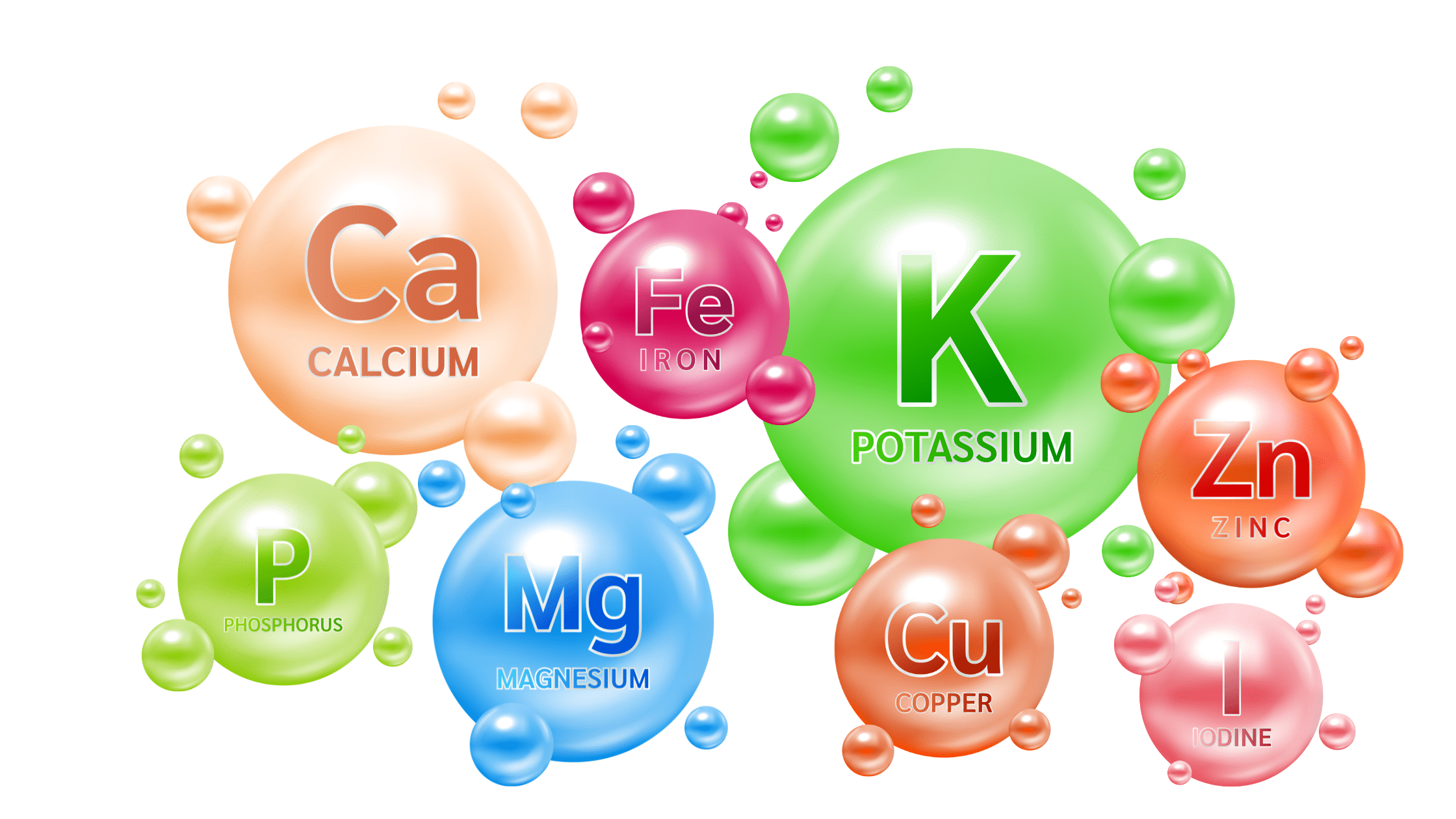
Did you know that specific cravings might connect to nutrient deficiencies? Magnesium and chromium, which regulate metabolism and reduce sugar cravings, are often found deficient in processed foods.
If you’re grabbing toast often, ensure your meals include magnesium-rich foods like leafy greens, nuts, and seeds. Chromium can be sourced from broccoli, grape juice, or whole grains, which might naturally help curb the craving.
How to journal: After writing down your meals, note any feelings of fatigue, irritability, or stress—these can signal missing nutrients.
#4. Lack of Fiber in Your Diet
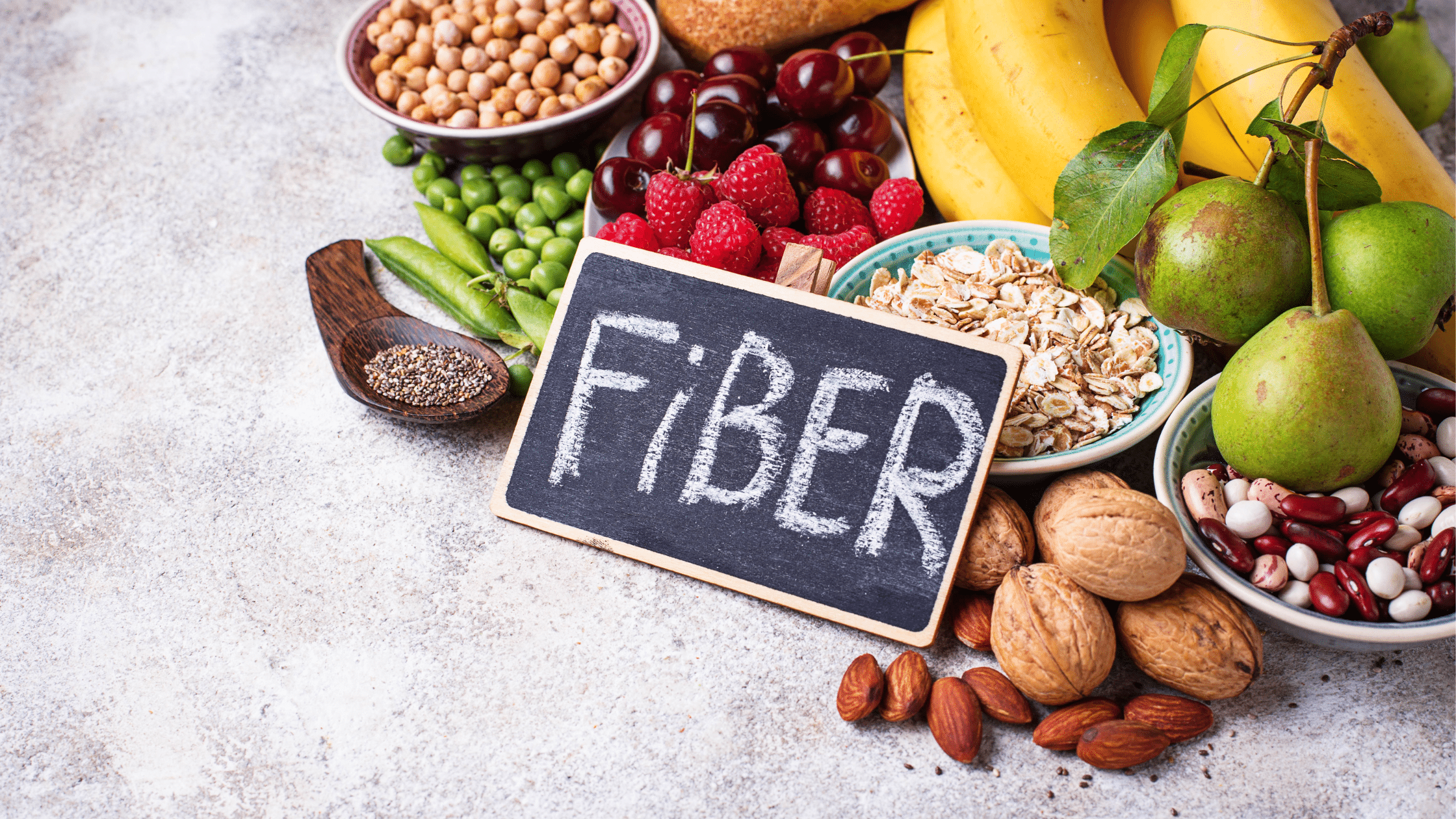
Fiber helps you feel full and supports digestive health. If your diet lacks fiber, your body might crave carbs, such as whole-grain toast.
Explore ways to add fiber without relying solely on bread. Fruits (apples, berries), legumes, and seeds (chia, flax) are excellent options. Alternatively, aim to use whole-grain or sprouted bread to boost your daily fiber intake.
Mindful tip: List your favorite fiber-rich foods in a journal and create simple, fiber-packed snacks to enjoy throughout the day.
#5. Comfort and Nostalgia
Toast can trigger powerful memories. For many, it’s tied to comforting moments—like weekend breakfasts or a warm snack on a cold day. If you’re feeling stressed, homesick, or emotionally drained, your craving might reflect a need for comfort rather than hunger.
You can reconnect with the nostalgic feeling without relying solely on food. Call a loved one, wrap yourself in a cozy blanket, or listen to a favorite song.
How to journal: Reflect on what’s happening when the craving strikes. Are you seeking warmth or security? Write about how toast played a role in comforting moments from childhood.
#6. Stress Eating and Quick Fix Solutions
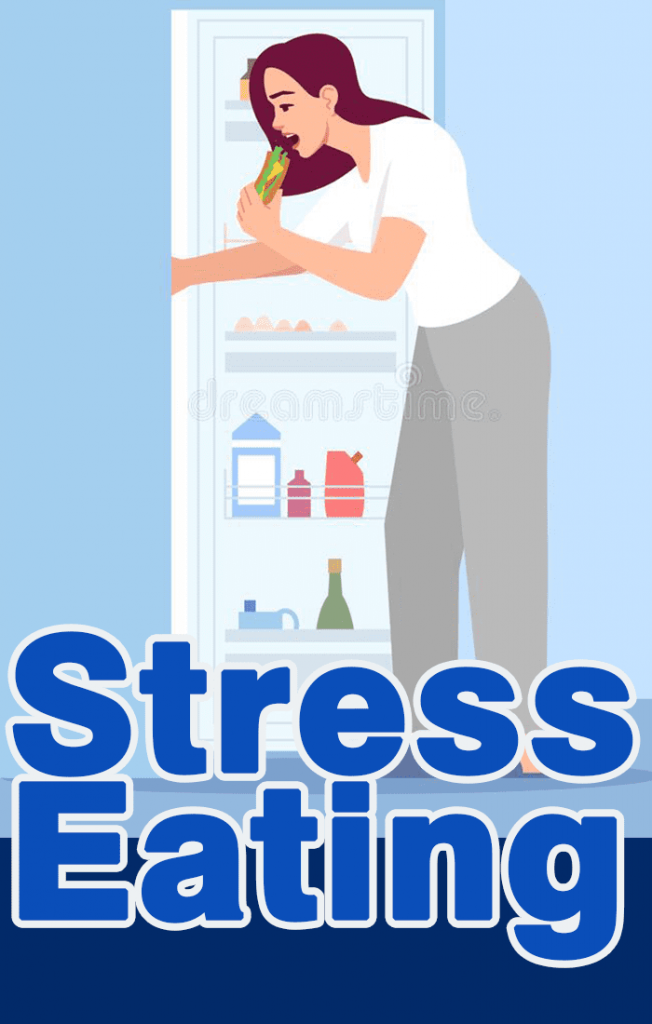
Stress often leads to cravings for simple, comforting foods because they offer a brief moment of relief. Toast—and carbs in general—can soothe frazzled nerves by momentarily boosting serotonin levels in your brain.
Instead of mindlessly reaching for toast during stressful times, take a pause. Drink some water, breathe deeply, or step outside for fresh air. Even if you still enjoy the toast, these mindful steps help separate emotional triggers from true physical hunger.
Practical tip: Before eating, jot down your feelings and ask, “Am I truly hungry, or am I trying to ease my stress?”
#7. Dopamine Rewards from Simple Carbs
Carbs stimulate dopamine, the same feel-good chemical released during enjoyable activities. If you’ve had a challenging day, your brain might crave toast as a quick pick-me-up.
Find alternative ways to boost dopamine while compassionately addressing your craving. Walking in nature, dancing, or chatting with friends can provide the same mental lift.
Mindful tip: Write down three non-food actions that would bring you joy, and try one the next time toast comes to mind.
#8. Convenience and Habit
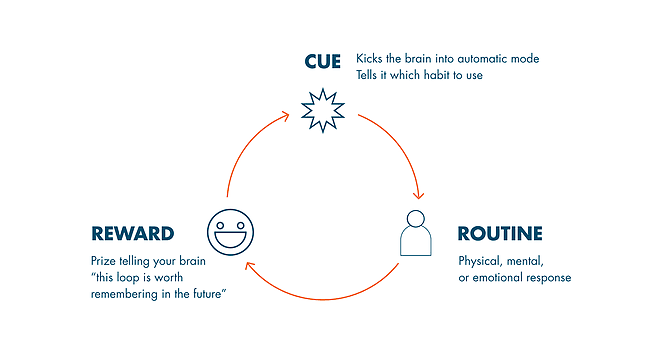
Toast is familiar and easy—no elaborate cooking or cleanup is required. It might be more about habit than hunger if you’ve fallen into routine cravings.
To break habitual cravings, switch up your go-to snacks. For example, swap toast for whole-grain crackers, veggie sticks with hummus, or apple slices with almond butter. Variety not only satisfies cravings but also prevents boredom.
How to journal: Track where and when cravings occur. Do you reach for toast out of habit, convenience, or a lack of alternatives? Reflect and adjust as needed.
#9. Post-Workout Recovery

After physical activity, your body might crave carbs like toast to replenish glycogen stores and repair muscles. While this is natural, choosing nutrient-rich post-workout snacks is key to recovery.
If you desire toast, consider topping it with protein, such as cottage cheese or nut butter. This combination aids recovery and sustains energy.
Practical tip: Note how your body feels after exercise. Are you shaky, tired, or excessively hungry? Your journal can help you fine-tune your pre-and post-workout nutrition.
#10. Sleep Deprivation
When you’re sleep-deprived, your body shifts into survival mode, increasing hunger hormones like ghrelin while decreasing appetite-regulating leptin. This imbalance often drives cravings for quick carbs like toast.
By prioritizing quality sleep, you reduce the likelihood of toast cravings rooted in exhaustion. Until then, fuel your mornings with balanced meals containing protein and healthy fats to keep sluggishness at bay.
How to journal: Evaluate your sleep habits for patterns—do toast cravings ramp up after a restless night? Track and adjust accordingly.
#11. Cultural Norms and Social Cues
Food choices aren’t just personal—cultural traditions and social contexts shape them. Toast is a breakfast staple in many cultures, so naturally, those cues play a role. If you see family or friends eating toast daily, you might crave it as part of a shared experience.
Lean into these moments mindfully. If you crave toast during mealtime traditions, enjoy it intentionally by pairing it with nutrient-dense sides to align with your goals.
Mindful journaling: Reflect on how cultural habits influence your choices. Do environmental cues rather than personal needs drive your craving?
10 Fun Facts About Cravings for Toast
- Your Body Loves Carbs
Toast is a quick and efficient source of carbohydrates, your body’s preferred energy fuel. When you’re low on energy, your craving for toast could be your body asking for a refill! - Blood Sugar Whisperer
Toast cravings might be your body’s way of stabilizing blood sugar levels. The easy-to-digest carbs offer a fast energy boost when running low. - Comfort in Every Crunch
Toast has a nostalgic charm for many. Whether it reminds them of cozy breakfast mornings or is an after-school snack, the craving could stem from a longing for emotional comfort. - Cultural Icon
Toast is a breakfast staple and mealtime staple in many cultures. From buttery toast in the U.S. to fragrant kaya toast in Southeast Asia, its popularity makes it easily craved. - Stress Relief in Disguise
Carbs like toast can temporarily boost serotonin levels, helping to calm and soothe your mind. Craving toast during a stressful day? It could be your brain’s way of seeking a quick hug. - Crunch Factor is Real
The texture of toast (crunchy on the outside, soft on the inside) triggers a satisfying eating experience—a big reason why it’s hard to resist. - Post-Workout Fuel
After exercise, your body might crave toast to replenish depleted glycogen stores. It’s a quick carb fix for post-workout recovery. - Dopamine’s Best Friend
The simple carbs in toast can give your brain dopamine, so you might turn to it for a little extra happiness after a long day. - Lack of Fiber Calling
If your diet is low in fiber, your body might subconsciously urge you to eat whole-grain toast to fix the deficit. - The Habit Loop
Toast is an easy, reliable choice when busy or unsure what to eat. It becomes a habitual craving when convenience is key.
Craving toast might feel random, but it’s often your body signaling its needs or your mind looking for comfort. Take a moment to tune in—it’s more than just bread!
Unraveling Your Toast Cravings and How to Respond Mindfully

Have you ever longed for a slice of toast, wondering why it’s calling your name? For many, cravings feel like a battle, but they’re messages from your body and mind. Toast cravings, in particular, can stem from physical needs, emotional triggers, or even ingrained habits. Instead of fighting these urges,
what if you explored what your body and mind are asking for? By listening with awareness, you can address the root causes and respond to cravings in a balanced, mindful way.
How the Eating Enlightenment Philosophy Helps
Cravings aren’t enemies—they’re signals. The Eating Enlightenment philosophy turns these moments into opportunities for growth using a simple 3-step journaling process.
- Nutritional Journaling
Start by tracking your meals throughout the day. Sometimes, a craving for toast means your body needs balanced nutrients, like complex carbs or fiber. Undereating or skipping meals might leave you with intense urges for quick, energy-packed foods like toast. Patterns emerge by noting what and when you eat, ensuring your body gets the nourishment it needs. - Mindful Triggers via Journaling
Cravings often arise from emotional triggers, such as stress or fatigue, rather than hunger. During your next craving, take a moment to pause. Write down your feelings—are you stressed, bored, or looking for comfort? For example, a toast may remind you of warm childhood memories or offer a temporary escape from anxiety. Journaling can help you identify these emotional cues and brainstorm non-food alternatives like deep breathing or contacting a friend. - Inner Parts & Healing Trauma
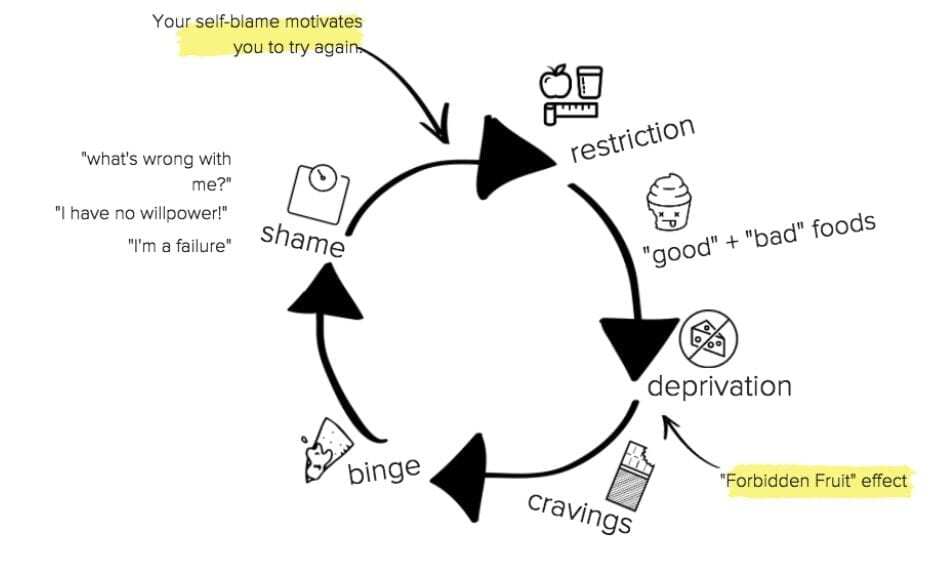
Journaling also provides a window into your inner world. Maybe you have an “inner critic” that links food choices with guilt or an “inner rebel” reacting to food restrictions from past dieting efforts. Ask yourself, “What need am I trying to meet with food right now?” or “What story am I telling myself about this craving?” Over time, this process fosters deeper awareness and healing around food-related traumas or habits, transforming how you respond to cravings.
Actionable Advice and Tools
Want to manage toast cravings with clarity and balance? Start by prioritizing meals combining protein, fats, and carbs to stabilize blood sugar. Opt for nutrient-dense alternatives, like whole grain or rye toast, which provide longer-lasting energy and more fiber than processed white bread. When cravings hit, pause and reflect. Take three deep breaths and jot down what’s coming up emotionally or physically, even for just a minute.
If you’re curious about exploring cravings further, the Eating Enlightenment journaling app can guide you through tracking meals, emotions, and triggers. You’ll uncover valuable patterns that lead to a healthier, more intuitive relationship with food. Cravings for toast—or any food—are a chance to listen to yourself with compassion and curiosity. You can create lasting change by partnering with your cravings instead of fearing them.
Your Next Steps

Toast cravings are more than just a fleeting desire—signals from your body and mind asking you to tune in. From nutritional needs like low energy or fiber deficits to emotional triggers like stress or nostalgia to lifestyle habits shaped by ease and routine, the reasons behind these cravings are deeply layered and highly personal. By exploring these factors, you can uncover what these cravings truly mean and take meaningful steps toward a healthier, more balanced approach to eating.
Cravings are not your enemy—they’re an invitation to understand yourself better. Whether toast or any other food is calling to you, take a moment to pause, reflect, and respond—mindfully, not impulsively. Journaling can be a powerful anchor in this process, helping you identify patterns, understand your emotions, and foster self-compassion with every step.
You’ve already taken the first step by reading this. Now, what’s one small but meaningful action you can take today? Maybe it’s grabbing a notebook, sitting with your thoughts for a few minutes, or downloading the free Eating Enlightenment Journal App. This app is designed to help you track cravings, uncover valuable insights about your eating habits, and support your efforts toward mindful, intuitive eating. Your path to food peace and clarity starts here—are you ready to take the next step?