

Giving up alcohol is no easy feat, and you’ve made an incredible decision for your health. But now, perhaps unexpectedly, you find yourself overwhelmed by intense sugar cravings.
Why does this happen? While it might feel frustrating or baffling, the truth is there’s a strong connection between alcohol cessation and the sudden desire for sweets.
These cravings aren’t a sign of failure. They’re your body and mind signaling complex changes underway. By understanding these signals, you can manage the cravings in a way that supports your recovery.
This post will explore five key reasons behind your sugar cravings after quitting drinking. We’ll take a compassionate journaling-based approach rooted in the Eating Enlightenment philosophy.
You’ll gain insights into why your body is reacting this way and learn how journaling can help you unpack these cravings’ physical, emotional, and psychological layers.
Reason 1: Change in Blood Sugar Levels
Alcohol significantly impacts your blood sugar. For many, drinking can cause wild swings in glucose levels, masking underlying imbalances. When you stop drinking, your body works hard to stabilize blood sugar—cue the sugar cravings. The quick fix of sweets can seem like an easy way to compensate for the “low” your body perceives.
Journaling Prompt
- Before reaching for that sugary snack, pause and ask, “Am I physically hungry, or is this my body adjusting to something else?” Write down your observations.
Practical Tip
Eat balanced meals with protein, fiber, and healthy fats to maintain steady blood sugar throughout the day. Foods like almonds, whole-grain toast, and eggs can help stabilize your energy levels.
Reason 2: Replacement Reward Mechanism
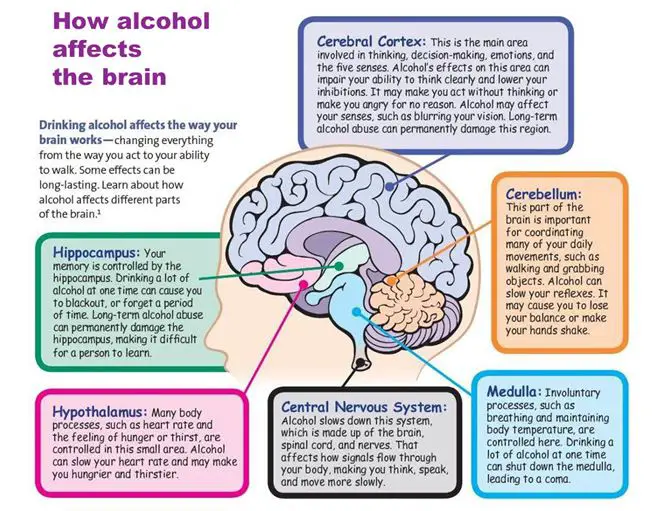
Alcohol often acts as a quick-hit dopamine booster. When you cut it out, your brain starts looking for an alternative source of pleasure—and sugar can provide a temporary dopamine rush. This is a natural response as your brain adjusts to life without alcohol.
Journaling Prompt
- Reflect on what reward alcohol provided for you (e.g., comfort, stress relief). Ask yourself, “How else can I nurture this need without turning to sugar?”
Scientific Insight
Research highlights how our brains link sugar and pleasure due to dopamine release. Understanding this connection can help you choose healthier, more sustainable replacements, like a brisk walk or engaging hobby.
Reason 3: Emotional Coping

Alcohol often serves as a way to mask or numb difficult emotions. When you remove it, you might find yourself wrestling with the feelings that surface. Sugar, being comforting and nostalgic, can feel like an emotional “bandage.”
Journaling Prompt
- “What emotions am I feeling right now? If I want sugar, is it because my inner child is seeking comfort or reassurance?”
- Write about a time when sugar felt like comfort, and explore if that feeling is arising now.
Practical Tip
Engage in mindful replacements for sugar. Try soothing teas, deep breathing, or calling a supportive friend when emotions feel overwhelming.
Reason 4: Habitual Connection Between Alcohol and Sugar
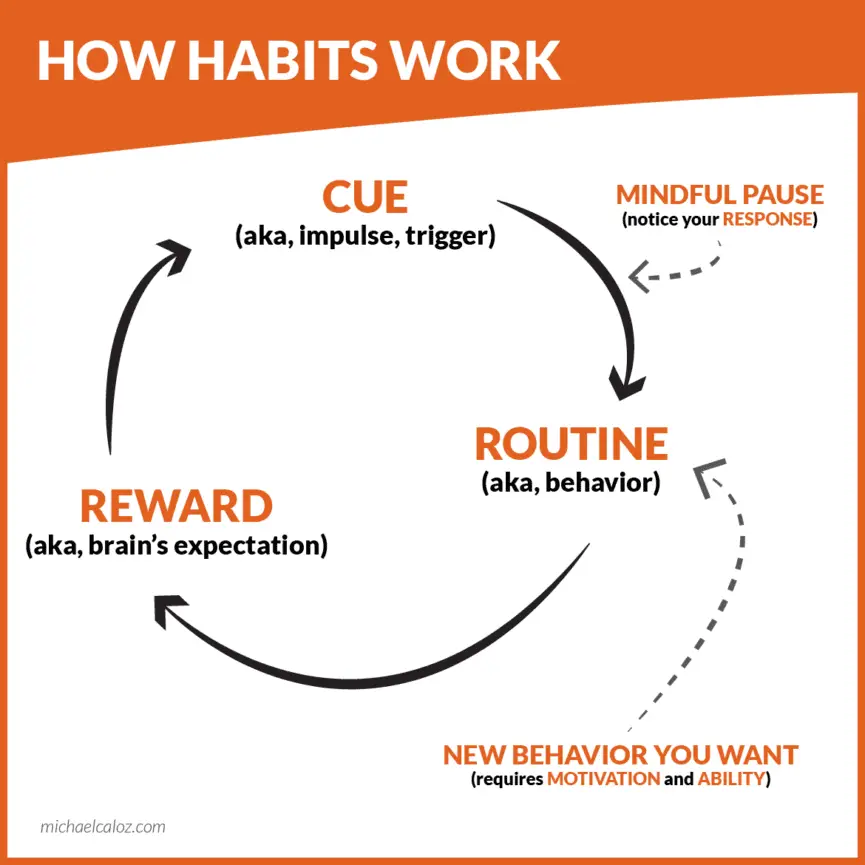
Did you know that alcohol is technically a sugar? For many, drinking introduces an unconscious pattern of craving sweetness. Once alcohol is removed from the equation, your body might still crave that sugary density it’s grown accustomed to.
Journaling Prompt
- Track your cravings and alcohol-drinking habits. Ask, “What flavors or textures did I enjoy while drinking?” You may uncover surprising connections between your past and current cravings.
Practical Tip
Opt for naturally sweet, healthier options like fruits or dates to satisfy cravings while breaking the habit loop. Slowly, your taste preferences will recalibrate.
Reason 5: Gut Health Disruption
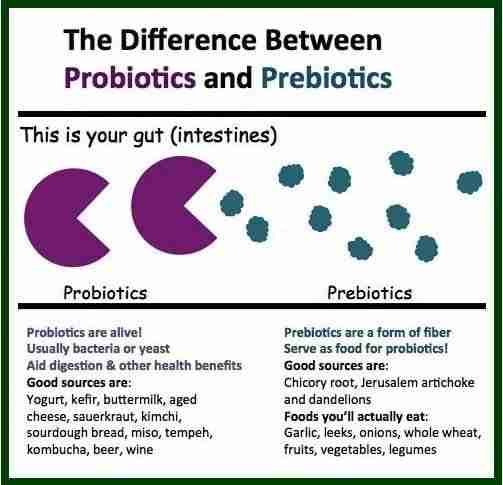
Chronic drinking can disrupt your gut microbiome. Some gut bacteria thrive on sugar, so when you quit alcohol, these bacteria send signals demanding sugar for survival. This can amplify your cravings.
Journaling Prompt
- Reflect daily on how you feel after consuming something sugary versus nourishing (like yogurt or leafy greens).
Practical Tip
Introduce prebiotics (like bananas and asparagus) and probiotics (like kefir and tempeh) into your meals to begin restoring gut health and reducing cravings over time.
Cravings and the Binge Diet Cycle

It’s essential to recognize that intense sugar cravings can sometimes point to deeper issues, such as binge eating tendencies or emotional imbalances. The binge diet cycle—restricting, binging, and feeling guilt—might emerge as a way to manage emotions left unresolved by alcohol cessation.
The Eating Enlightenment Approach to Break the Cycle

This is where Eating Enlightenment’s philosophy offers a gentle, 3-step framework to address cravings sustainably and holistically.
- Step 1—Nutritional Journaling
Build a solid nutrition foundation by consistently journaling your meals. Track your hunger levels, fullness, and satisfaction to ensure your body is physically nourished. This can reduce sudden sugar cravings related to nutrient imbalances.
Prompt: “Did I nourish myself well today? If not, what could I do differently without judgment?” - Step 2—Mindfulness of Food Triggers
With nutrition stabilized, deepen your journaling to include emotional and situational triggers surrounding cravings. Write about the circumstances that provoke your desire for sugar.
Prompt: “What need is this craving trying to fulfill? Stress relief, comfort, distraction?” - Step 3—Healing Through Inner Reflection
Finally, explore deeper traumas or inner voices tied to your sugar cravings. Using Internal Family Systems-inspired journaling, identify “parts” of yourself (e.g., the inner critic, the comfort-seeking child) that might drive these behaviors.
Prompt: “What is this craving teaching me? What inner need can I compassionately meet instead of using sugar?”
Practical Tips for Managing Sugar Cravings
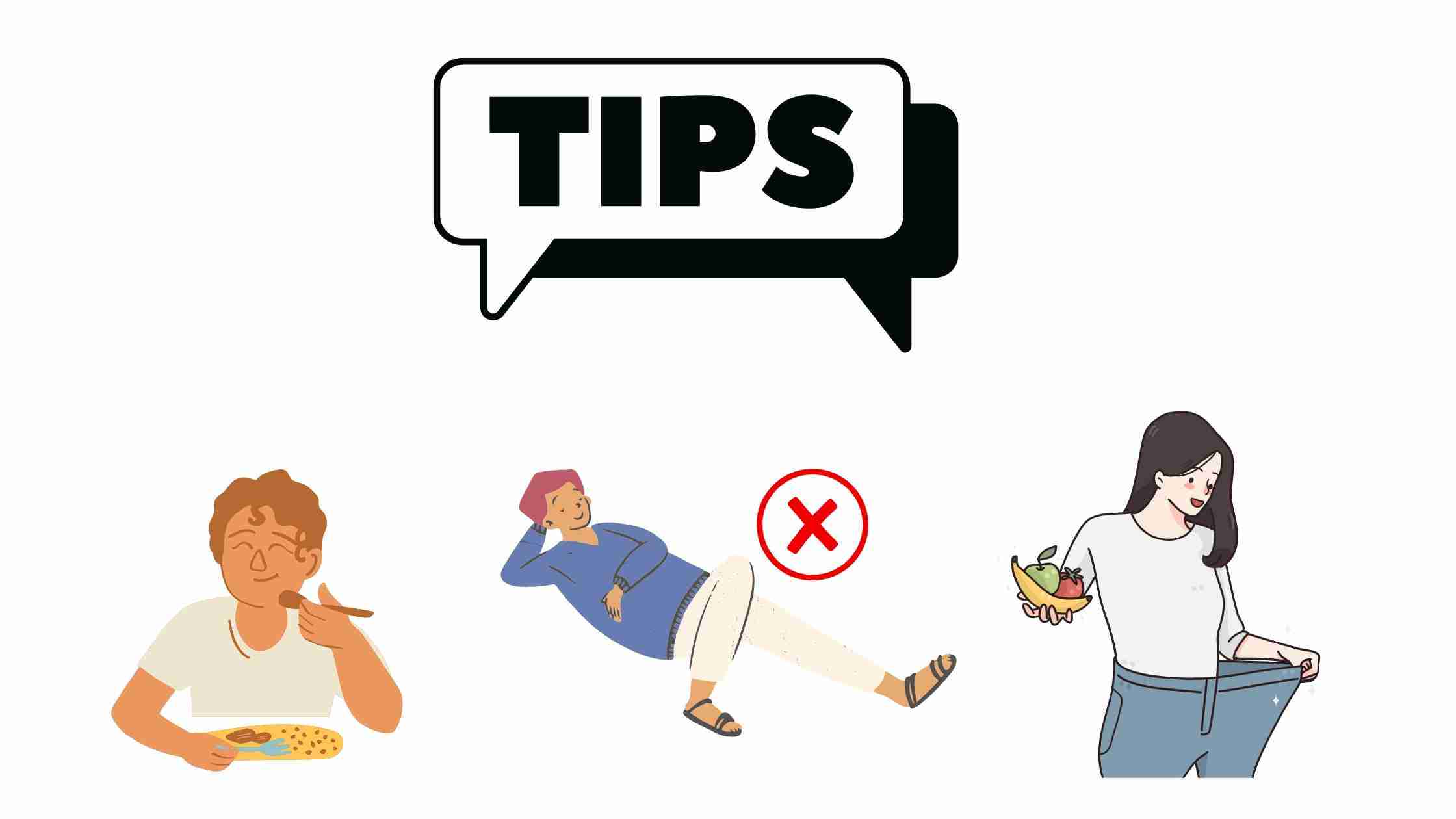
- Snack on Whole Foods
Stock up on options like apples with almond butter or a handful of mixed nuts. These provide sweetness while stabilizing your energy. - Stay Hydrated
Sometimes, thirst masquerades as hunger or cravings. To stay hydrated, sip water or herbal teas throughout the day. - Gentle Movement
Engage in light exercise to help release dopamine naturally. Even a 10-minute walk can reduce cravings and boost mood. - Lean on Support
Whether it’s a friend, support group, or recovery community, connecting with others can help you healthily process cravings.
A Final Word of Encouragement:

Sugar cravings after quitting alcohol are not a sign of personal failure—they’re your body’s way of recalibrating.
By incorporating journaling into your daily routine, you can uncover the deeper roots of these cravings, nurture yourself compassionately, and find sustainable ways to support your recovery.
Take it one day, one craving, and one journal entry at a time. You’ve already made it this far—keep going.
If you’re ready to explore more, download the Eating Enlightenment App today and begin your personalized journaling practice. Reclaim control and calm with every entry.