

Have you ever found yourself elbow-deep in a bag of chips or wondering why pretzels suddenly feel like a lifeline during your period? If the answer is a resounding yes, you’re not alone. Many of us experience That insatiable salt craving each month, often leaving us scratching our heads. Why salt? Why now?
Salt cravings during your period aren’t just a quirky coincidence—they’re a universal phenomenon for countless women. But why does this happen? Is it your hormones steering the ship? Is it something your body truly needs, or are these cravings connected to stress, lack of sleep, or even comfort-seeking behaviors? These are the questions we’ll explore together.
Here’s the good news—you’re not powerless in the face of these cravings. Your salty snack obsessions are influenced by a fascinating mix of biology, emotions, and daily habits, all controllable with understanding and the right tools. Stick around as we break down the mystery of your period-related salt cravings.
By the time you finish reading, you’ll uncover the science behind these cravings and learn practical and simple tips to manage them without feeling deprived. Trust us—there’s so much more to your salt hunting than what meets the tongue.

11 Reasons Why You Crave Salt on Your Period
#1. Hormonal Fluctuations and PMS
One of the main drivers behind your salt cravings is hormonal changes during your menstrual cycle. During the luteal phase, leading up to your period, estrogen and progesterone levels fluctuate significantly, affecting your appetite, mood, and food choices. These hormone shifts can also impact fluid retention, tricking your body into wanting sodium-rich foods to restore balance.
Take a moment to journal about this connection. Ask yourself, “What foods do I crave the most during my cycle? “How do my mood and cravings feel connected?” Understanding this pattern through journaling can clarify and empower you to tune into your body’s needs.
#2. Serotonin Deficiency

Ever notice how salty snacks make you feel better when you’re feeling low? That’s because serotonin, a neurotransmitter known as the “feel-good” chemical, tends to drop during PMS. Salt cravings may be your brain’s way of seeking comfort and balance. It’s not just your imagination—comfort foods can offer a short burst of relief by temporarily boosting serotonin levels.
To naturally improve serotonin, opt for nutritious mood boosters like dark chocolate, avocados, or even a brisk walk outside. Afterward, journal about how these choices affect your mood compared to giving in to salty junk food.
#3. Dehydration and Fluid Retention
Even though it sounds counterintuitive, bloating and dehydration during your period often occur together. This imbalance can trigger salt cravings as your body instinctively seeks to replenish itself. However, indulging in salty snacks can sometimes worsen the problem by increasing water retention.
Instead of heading straight for a bag of chips, hydrate proactively with water or electrolyte-rich drinks. Reflect on how salt cravings appear when you haven’t focused on hydration. Journaling can help you identify whether this habit meets your body’s needs.
#4. Poor Sleep and Cortisol

Stress and poor sleep often intensify before your period, bringing along their not-so-helpful friend, cortisol. Higher cortisol levels can make you crave salty snacks for emotional comfort and quick energy. No wonder you might give in to salty foods when feeling frazzled!
Consider calming nighttime activities, such as sipping herbal tea or practicing yoga, to relieve stress. Afterward, jot down in your journal, “What role does sleep or stress play in the intensity of my cravings? How do I feel after giving in versus making healthier choices?”
#5. Magnesium and Nutrient Deficiencies
If you’re low on magnesium, a common occurrence during menstruation, your body may start looking for salty foods to fill the gap. Magnesium supports muscle relaxation, helps with sleep, and relieves cramps, making it essential for a smoother menstrual cycle.
Boost your magnesium intake with leafy greens, nuts, or even a piece of dark chocolate (chocolate comes to the rescue again!). Note how your cravings decrease when your magnesium levels are more balanced.
#6. Dysregulated Hunger and Fullness Signals

The hormonal shifts of your menstrual cycle can disrupt key hunger hormones like ghrelin (which makes you feel hungry) and leptin (which makes you feel satisfied). This can lead to intense cravings that feel difficult to control, including a longing for salty snacks.
If this sounds familiar, focus on eating regular, balanced meals that stabilize your energy. Use your journal to log hunger levels throughout the day. Writing down how you physically feel before and after meals can offer insights into whether your cravings are more about hunger, habit, or hormones.
#7. Eating as Emotional Comfort

If you’ve had a rough day, you might grab a salty snack without thinking because it feels like a quick fix. Menstruation often amplifies emotions, making comfort-eating all the more tempting. But while salty foods might make you feel good for a moment, they don’t address deeper emotional needs.
Practice mindful eating instead. Pause, take a deep breath, and chew slowly. This allows you to check in with yourself. Are you truly hungry, or are you seeking emotional nourishment? Ask yourself in your journal, “Am I hungry for food—or connection?” Exploring this can help you shift toward more aligned actions.
#8. Cultural and Habitual Factors

For some, salt cravings are rooted in culture or long-term habits. Maybe you grew up associating comfort with a bowl of salty snacks or see it as your go-to in times of stress. These ingrained habits can reinforce your monthly salt cravings, even when your body doesn’t need sodium.
Journal to explore these patterns. Ask yourself, “What memories or cultural habits shape my salt cravings? How do I feel about these associations?” Reflecting helps you separate automatic habits from mindful decisions.
#9. Menstrual Blood Loss and Iron Needs
Did you know losing blood during your period can also lead to nutrient losses like iron? Your body may crave salty items to help replenish that balance, but you’d be better served by combining iron-rich foods (like spinach or lentils) with salt to absorb the nutrients effectively.
Next time a craving strikes, instead of indulging in processed snacks, try sautéed spinach with a sprinkle of sea salt—your body will thank you for the nourishment.
#10. Insulin Resistance During the Luteal Phase
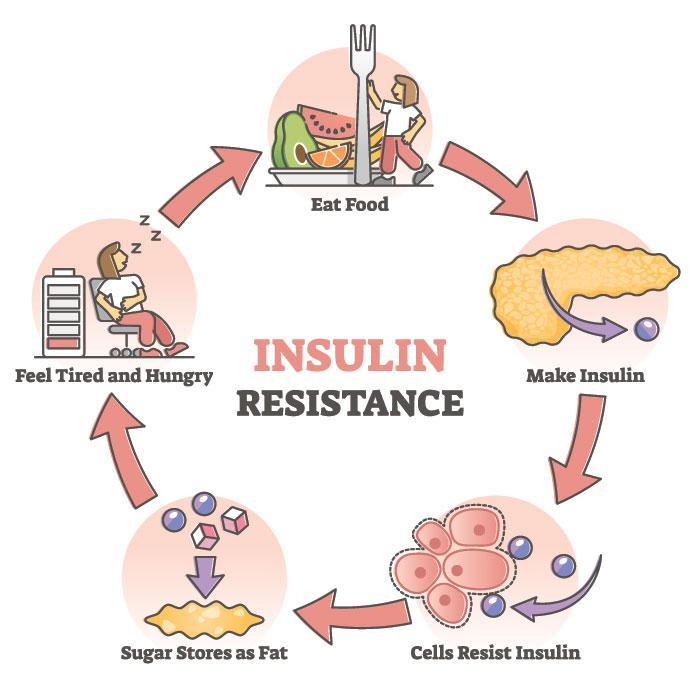
Hormonal changes during the second half of your cycle can make your body less sensitive to insulin, often increasing hunger and cravings. Since salty and carb-heavy snacks provide quick energy, they can feel like a natural choice during this phase.
Combat this by focusing on meals that support stable blood sugar, such as whole grains, lean proteins, and healthy fats. In your journal, reflect on how balanced meals may reduce cravings compared to grabbing quick fixes.
#11. Potential Underlying Disorders
Lastly, ongoing or overly intense salt cravings might signal deeper health issues, including adrenal insufficiency, dehydration, or conditions like Addison’s disease. These cravings are usually harmless, but it’s worth consulting a doctor if they persist outside of your menstrual cycle.
Track the intensity and frequency of your cravings in your journal. Are they aligning with PMS, or are they ongoing? This type of documentation can offer insights to share with a healthcare provider if needed.
Breaking the Cycle of Cravings and Emotional Eating

Do you find yourself battling persistent cravings, especially those that seem to come out of nowhere? These cravings can sometimes reveal disordered eating patterns like emotional eating or even Binge Eating Disorder (BED). BED involves repeated episodes of consuming large amounts of food, often fueled by emotions rather than physical hunger, leading to guilt and loss of control.
At the heart of these behaviors lies the binge-diet cycle. This begins with restrictive eating—skipping meals or cutting out entire food groups. While these tactics might seem like reasonable short-term solutions, they often backfire, leaving you hungry, physically deprived, and craving comfort through bingeing. Afterward, guilt sets in, spurring yet another attempt at restrictive dieting. Breaking free starts with understanding nutrition and your emotional triggers.
The Eating Enlightenment 3-Step Solution
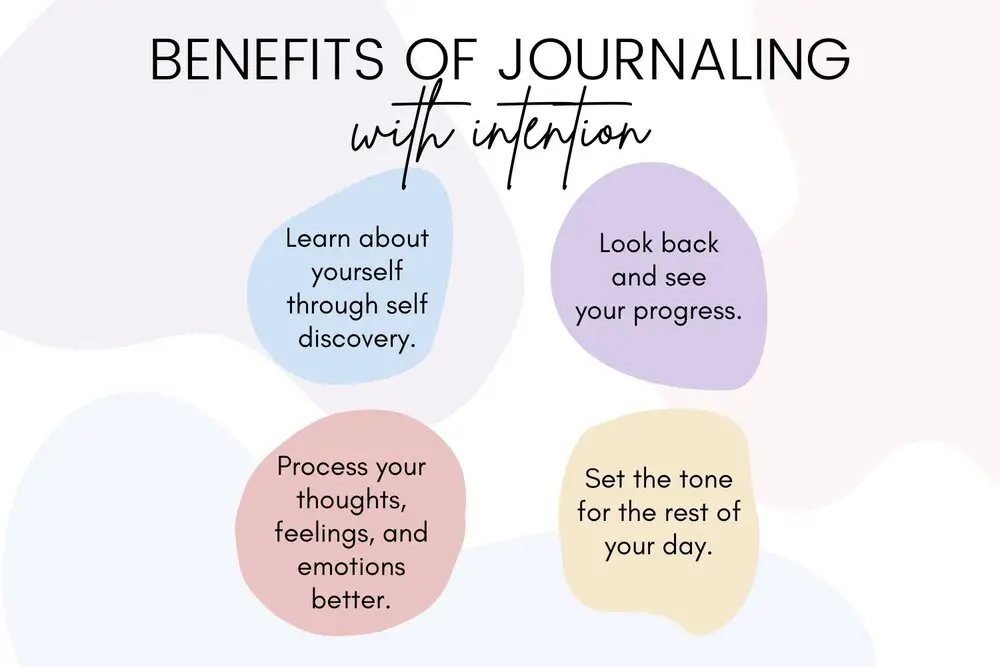
The Eating Enlightenment approach offers a path forward by prioritizing mindfulness and emotional insight. Here’s how it works:
- Nutritional Journaling
Journaling your meals helps identify patterns and ensures you eat consistently, reducing the likelihood of “survival mode” cravings. Notice how skipping breakfast or stressful days influences your cravings, then adjust to nourish your body regularly. - Craving Mindfulness
When cravings strike, pause and write. Reflect on your feelings—stress, fatigue, boredom—and consider if you’re physically hungry or simply responding to emotions. This pause creates space to make thoughtful food choices. - Inner Healing
Use your journal to respond kindly to the inner voices driving your cravings. For example, if one part of you demands a treat for comfort, address it gently, perhaps choosing an alternative way to meet that need. Over time, journaling can uncover deeper emotional patterns linked to past stress or unmet needs, giving you tools to heal.
By blending awareness with compassion, you can unlearn reactive habits and foster a healthier, more balanced relationship with food. Start small—your first entry might be the step that changes everything.
Final Thoughts:

Salt cravings during your period are entirely natural, influenced by hormonal shifts, emotions, and ingrained habits. While these cravings might seem frustrating, they hold valuable clues about your body’s needs and emotional state. By paying attention to these patterns, you can better support your health and make more balanced choices during menstruation.
One of the most effective ways to manage and decode cravings is through journaling. This simple practice allows you to track your eating, observe emotional triggers, and uncover unique patterns. By understanding the “why” behind your cravings, you can empower yourself to make choices that nourish your body and mind.
Take charge of your cravings and turn them into a tool for self-discovery. Download the free Eating Enlightenment Journal App today—a practical and supportive resource to track cravings, explore emotional triggers, and gain clarity on your dietary needs. With features that promote mindful eating and overall well-being, this app is your first step towards transforming cravings into actionable insights.
Start your journaling journey today. One mindful entry at a time can lead to a lifetime of healthier, more compassionate choices. Your well-being is waiting—give it the attention it deserves!