

Ricotta cheese is a creamy, delicate staple in Italian cuisine. Its name means “recooked.” Traditionally made by reheating leftover whey, this cheese has been loved for centuries, gracing savory dishes like lasagna and sweet treats like cannoli.
But why is this simple, velvety ingredient suddenly occupying your thoughts, calling you toward the fridge or tempting you from a restaurant menu?
Cravings are rarely random—they’re signals. Maybe it’s your body asking for a specific nutrient, your emotions seeking comfort, or a happy memory calling you back to a beloved dish. Whatever the reason, these cravings can offer a deeper understanding of your body and mind if you’re willing to listen.
When you start journaling about these cravings, you unlock an opportunity for self-awareness—a way to trace back the “why” behind your food desires.
Today, we’re decoding that curiosity and exploring seven possible reasons why you might be drawn to the creamy allure of ricotta cheese.

Reason.#1 Your Body Needs Calcium or Vitamin D
Ricotta is an excellent source of calcium and Vitamin D, two nutrients essential for keeping your body functioning smoothly.
Calcium supports strong bones and teeth, while Vitamin D is key in helping your body absorb calcium and maintain a healthy immune system.
If you’re not getting enough of these in your regular diet, your body might send a craving signal straight to the dairy aisle.
Imagine your body whispering, “I need support!”—and that soft, rich texture of ricotta becomes the perfect solution. You could enjoy it whipped into a spread, dolloped onto roasted veggies, or stirred into oatmeal to boost nutrients.
I’m not sure if this is the reason for your ricotta craving. Ask yourself, “Have I been getting enough calcium or Vitamin D in my diet lately? Are foods like ricotta, yogurt, or leafy greens part of my routine?” Keeping a food journal can help you track these trends and identify what your body wants.
Reason.#2 Protein Deficiency
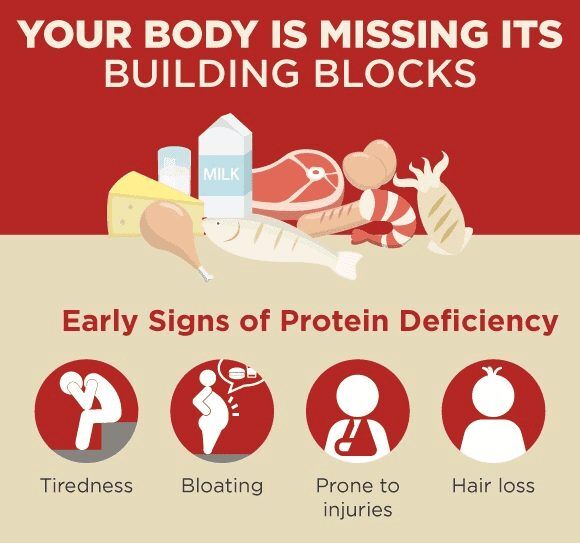
Besides being a calcium powerhouse, ricotta is also rich in protein. Its creamy, comforting texture hides a sneaky amount of high-quality protein that helps rebuild muscle, keeps you fuller for longer, and stabilizes your energy levels.
If you’ve been skipping meals, exercising heavily, or mainly eating carbs, your body might crave ricotta as a rich protein fix.
Think about the last meal you had. Did it feel balanced and satisfying? Or was it a grab-and-go snack that didn’t exceptionally provide what you needed? Protein cravings often signal a desire to restore your balance and rebuild.
Journaling can be insightful here. Ask yourself, “How much protein have I had today? “Was my last meal satisfying and balanced?” Try pairing ricotta with whole-grain crackers or fresh fruit for an easy, protein-packed snack that hits all the right notes.
Reason.#3 Comfort Food and Emotional Connection
For many of us, food transcends essential nutrition. It’s deeply tied to emotion, memory, and comfort. Maybe ricotta reminds you of memorable moments, like your grandmother’s lasagna or a family brunch filled with cheese-stuffed pastries.
Food cravings can often be tied to nostalgia or a longing for the comfort those memories bring.
When you crave ricotta, it’s worth stepping back and asking, “What emotions am I feeling right now? Does ricotta remind me of a specific time or memory?” Journaling about these feelings might reveal that your craving stems more from the heart than from hunger.
Once you’ve identified this, indulge mindfully in recipes that honor these memories. Perhaps bake a classic ricotta cheesecake or recreate that lasagna you grew up loving.
Reason.#4 Magnesium Deficiency
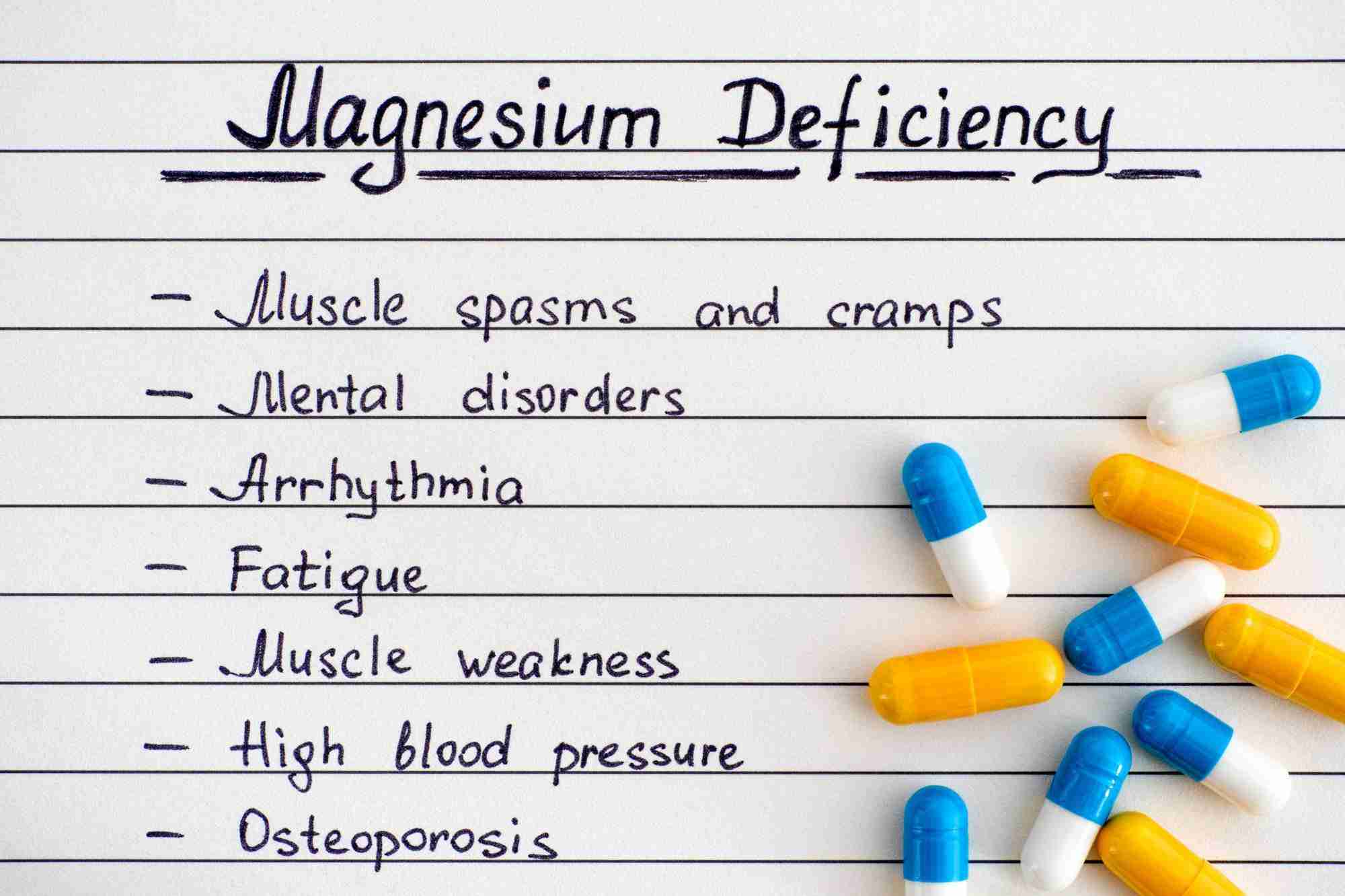
Surprisingly, cravings for creamy foods can sometimes indicate a magnesium deficiency. Magnesium is an essential mineral that helps regulate stress levels, supports muscle function, and promotes relaxation.
If your body hasn’t been getting enough magnesium—perhaps due to extended stress or poor diet—it might nudge you toward soothing and indulgent foods like ricotta.
Magnesium is often found in nuts, seeds, dark leafy greens, and legumes. Ask yourself, “Have I been eating magnesium-rich foods? Do I gravitate toward creamy textures when I’m stressed?” A journaling session here can help spot patterns.
Rather than ignore your craving, try blending ricotta with a handful of toasted almonds and honey for a snack that comforts and nourishes.
Reason.#5 Texture and Sensory Satisfaction
Have you been eating a lot of dry, processed foods lately? Or perhaps foods that don’t feel satisfying on a sensory level? The creamy, smooth texture of ricotta might be calling out to you because your body is yearning for a sensory treat—a soft, luxurious bite that nourishes your body and your senses.
Our cravings can often be about texture as much as taste. Take a moment to think about what textures and sensations you’ve been gravitating towards. “What textures have I been craving? How might they align with my emotional or nutritional needs?” Try to satisfy this craving by spreading ricotta onto warm, whole-grain toast, topped with olive oil and sea salt. It’s a crave-worthy sensory experience that’s as simple as indulgent.
Reason.#6 Fuel or Energy Needs

Ricotta’s unique protein, fat, and carbohydrate balance makes it a surprisingly effective energy booster.
If you feel shaky, exhausted, or drained after a long day or skipped meals, your body might turn to ricotta to get you back on track. It’s like a personal energy recharge wrapped in creamy goodness.
Ask yourself, “Have I been eating regularly? What do my energy levels feel like today?” Skipping meals or eating low-nutrient foods can leave you empty, and ricotta could be a great way to refuel.
Try whisking it into scrambled eggs, blending it into smoothies, or scooping it onto roasted vegetables for a meal that replenishes and satisfies.
Reason.#7 Psychological Ties and Food Restrictions
Have you recently told yourself that cheese—or ricotta specifically—is “off-limits”? When we label foods as forbidden, it’s common for our minds to fixate on them more, turning those foods into something irresistibly desirable.
Ricotta could be your mind’s quiet rebellion against food restriction, attempting to reclaim permission and pleasure.
Consider this as you journal about your craving. “Am I craving ricotta because I’ve labeled it ‘bad’ or forbidden? How can I practice permission-based eating without guilt?” Instead of fighting this craving, try leaning into it with curiosity and freedom.
Prepare a balanced dish celebrating ricotta, like a zucchini ricotta bake or a dollop over pasta. Removing food rules can demystify cravings and help you build a more peaceful relationship with food.
Cravings as a Sign of Binge Eating Disorder (BED)
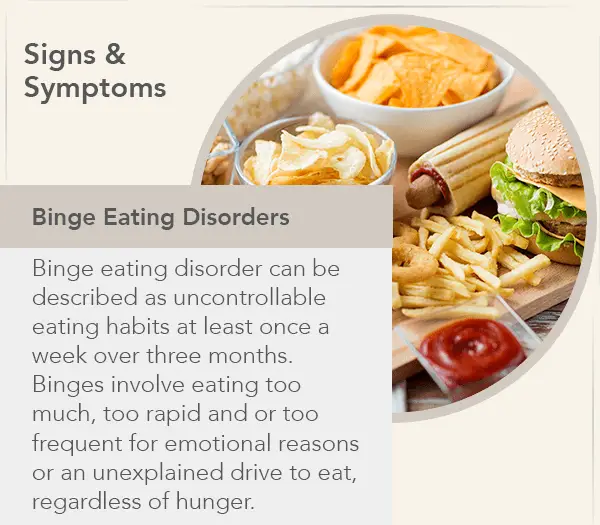
Briefly explain how unchecked cravings can sometimes point to underlying patterns of binge eating. “Cravings, especially when unexamined, can be part of the binge-diet cycle.
This cycle often starts with restrictive eating, leading to intense cravings, overeating, and shame—a loop that can feel impossible to escape.”
What is the Binge Diet Cycle?
- Restriction or Deprivation → Cutting out foods like dairy leads to stronger cravings.
- The Craving Stage → Uncontrollable urge to eat foods like ricotta.
- The Binge and Guilt → Overeating ricotta (or other foods) and blaming yourself.
How Eating Enlightenment Handles Cravings
Introduce Eating Enlightenment’s 3-step process to transform your relationship with cravings:
Practical Tips for Managing Ricotta Cravings

- Satisfy Cravings Mindfully
- “Serve yourself a small bowl of ricotta and savor it. Pair it with fresh fruit, honey, or whole-grain toast for a balanced snack.”
- Get Creative in the Kitchen
- “To enjoy ricotta without guilt, use it in healthier recipes like veggie-stuffed ravioli, ricotta-tomato toast, or low-sugar desserts.”
- Reflect and Journal
- “Document what happens before and after you satisfy the craving. Over time, this builds a deeper understanding of your body’s needs.”
- Check-in with Your Body
- “Imagine the craving as a conversation. What’s your body asking for? Respond with compassion.”
Debunking Myths About Cravings for Ricotta Cheese

Ricotta cheese has its share of myths when it comes to cravings. Here’s a quick, straightforward guide to set the record straight.
1. Cravings Mean Nutritional Deficiency
Craving ricotta doesn’t always mean you’re calcium deficient. It could be a psychological link to comforting dishes or a love for its creamy texture.
2. It’s High in Calories
Ricotta is lighter than many cheeses, low in fat, and packed with protein and calcium. It’s a delicious and nutritious choice.
3. Cravings Reflect a Lack of Willpower
Cravings aren’t about weakness—they stem from physical needs or emotional associations, like seeking comfort from familiar flavors.
4. Contains Excessive Salt
Compared to many cheeses, ricotta is low in sodium, making it a healthier option for your diet.
5. Only for Italian Cuisine
Beyond lasagna and cannoli, ricotta shines in recipes from savory spreads to light desserts, making it a kitchen all-star.
6. Cheese Cravings = Emotional Eating
Cravings may reflect a need for nutrients like protein or magnesium, not just emotions. Enjoying ricotta mindfully can be both satisfying and nourishing.
Final Thoughts

Cravings for ricotta cheese can reveal so much—whether it’s your body signaling a need for nutrients, the comfort of a familiar dish, or even an emotional cue.
Ricotta’s versatility and creamy texture make it fun to explore in dishes like whipped honey ricotta or savory spreads on toast.
To better understand your cravings, try the free Eating Enlightenment Journal App. It can help you uncover the more profound messages behind what your body truly wants, offering a compassionate way to connect with your eating habits.
A Final Word of Encouragement
Cravings aren’t your enemy; they are guides. By tuning into them with kindness, you can discover more about yourself.
Have you dealt with ricotta cravings, or do you have a favorite way to enjoy it? Share your thoughts in the comments below—together, we can inspire and support each other on this delicious path of self-discovery!