


Have you ever found yourself standing in the kitchen, spoon in hand, craving nothing but pudding’s silky, creamy sweetness? Maybe it was after a long, stressful day or during one of those quiet evenings when comfort felt just out of reach.
You’re not alone—food cravings can happen to anyone, especially for something as soothing and nostalgic as pudding. But here’s the curious part—why pudding?
It’s not just about the taste, though that certainly helps. Pudding draws us back to simpler times, perhaps reminding us of childhood treats or family mealtimes. Cravings, however, often run deeper than nostalgia.
They can be whispers from our body signaling a missing nutrient or even murmurs from our mind seeking comfort during emotional turbulence.
The good news? You’re in the right place to understand what’s really behind your pudding craving. Whether it’s a physical need, a psychological pull, or even a habitual response, uncovering the “why” can give you clarity and control.
Together, we’ll explore 14 compelling reasons for your pudding cravings—and offer meaningful ways to turn these moments into opportunities for self-care and insight into your eating habits.

1. Nutritional Deficiencies
Your body is brilliant—it communicates its needs through cravings. Longing for pudding might be its way of signaling a lack of essential nutrients, especially calcium, magnesium, or even carbohydrates. Calcium is necessary for bone health,
and magnesium supports muscle relaxation and energy production. If your meals have been erratic or lacking these nutrients, your body may push you toward creamy, sweet foods that symbolize nourishment.
Journaling Prompt
“What nutrients am I getting today? Is there a pattern to my pudding cravings on days when I skip certain foods?”
2. Emotional Comfort

Pudding often feels like a literal and emotional balm—it wraps you in its creamy sweetness when life feels overwhelming.
This comfort is frequently sought during sadness, stress, or loneliness. While enjoying pudding occasionally is excellent, understanding the emotions that drive these cravings can illuminate unmet needs that might benefit from alternative strategies for relief or support.
Journaling Prompt
“What am I feeling when I crave pudding? Is there an emotion I’m avoiding or soothing?”
3. Cultural Influences
For many, pudding isn’t merely dessert—it’s tradition. Perhaps it’s tied to a holiday, a family recipe, or even part of meals shared with loved ones.
These cravings arise when we yearn for connection or familiarity linked to cultural or familial experiences. Examining these longings may reveal deeper emotional patterns and allow us to cherish traditions in broader ways.
Journaling Prompt
“Does pudding remind me of a specific event, place, or person? How does that memory make me feel?”
4. Hormonal Changes
Hormones exert a significant influence on food cravings. During menstruation, pregnancy, or menopause, fluctuations can increase the urge for creamy and sugary foods like pudding. Hormones such as estrogen and progesterone play roles in appetite regulation and mood swings, making pudding incredibly tempting when you’re seeking comfort or stability.
Journaling Prompt
“Do my pudding cravings appear at specific times in my cycle? What patterns am I noticing?”
5. Psychological Associations
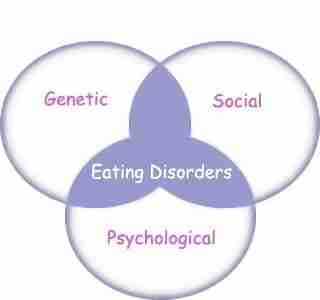
Was pudding a reward or a special treat during your childhood? If so, your mind might have established a subconscious tie between pudding and feeling valued or happy.
These associations can be powerful drivers of food cravings, particularly when you seek emotional reassurance. Exploring these connections can help decode and address deeper emotional or psychological needs.
Journaling Prompt
“What role has pudding played in my life? Was it part of a reward, celebration, or routine?”
6. Stress and Anxiety
Under stress, people typically reach for indulgent foods. With its rich and soothing taste, pudding may be an instinctual choice to cope with life’s stressors.
While it may provide temporary relief, the real solution often lies in addressing the root causes of your stress and building gentler, lasting approaches to emotional regulation.
Journaling Prompt
“When I feel stressed, what foods do I crave most? How does pudding help soothe that feeling?”
7. Social Situations

Pudding might bring back memories of moments shared with loved ones—holiday meals, childhood parties, or other festive gatherings. Food cravings tied to social contexts often symbolize a longing for connection.
Understanding these cravings can help you explore opportunities for meaningful interactions beyond food, cultivating joy through relationships rather than desserts.
Journaling Prompt
“Does my craving for pudding grow after social events? What need might I be trying to fill?”
8. Seasonal Changes
During colder months, our cravings naturally shift toward comforting, warm options like pudding. Pudding makes us feel cozy in otherwise chilly or bleak environments.
Awareness of these seasonal trends can help you balance comfort foods with wholesome recipes that nurture warmth and well-being.
Journaling Prompt
“Do I crave pudding more in colder months? How does the weather impact my food choices?”
9. Dietary Restrictions

If you’ve restricted certain foods, your body might see pudding as the “forbidden fruit.” Strict diets can amplify the desire for sweets, creating a heightened craving because it feels off-limits.
Recognizing this connection can help you renegotiate your dietary balance, making space for treats while honoring your overall health.
Journaling Prompt
“Am I restricting certain foods that might amplify my desire for pudding? How does it feel to crave something I’ve ‘forbidden’?”
10. Childhood Memories
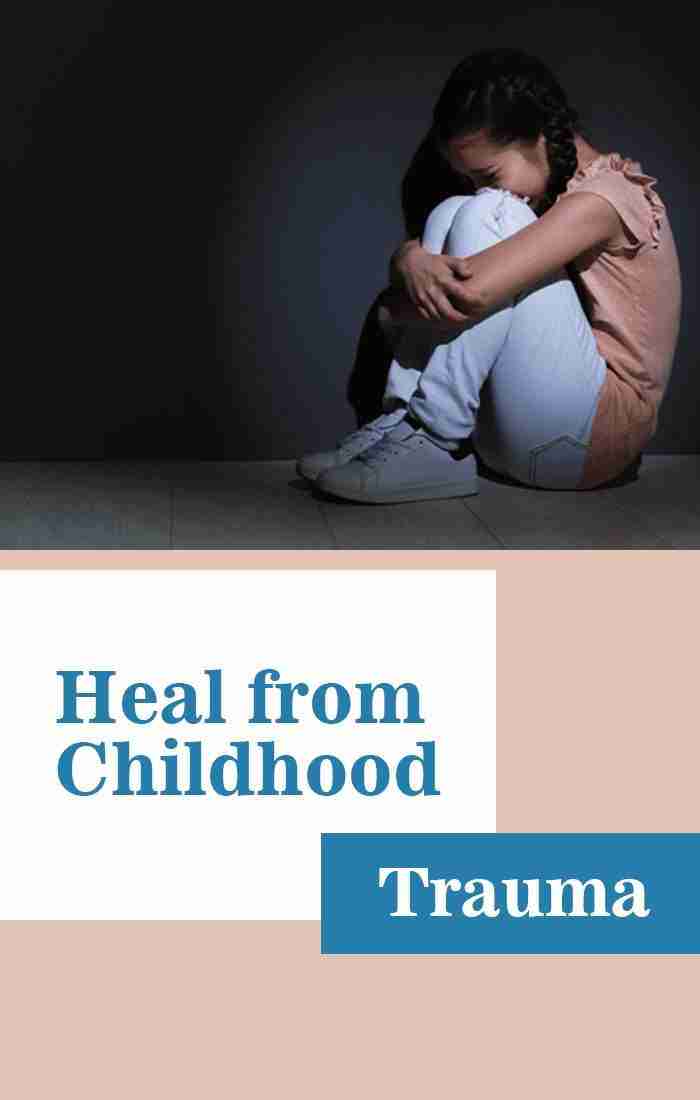
Your craving for pudding may direct you to moments of safety, simplicity, and care during your childhood. Think back to how pudding was part of your early life. Was it a comfort from your parents? A post-school ritual?
Revisiting these memories in your journal can help untangle your emotional ties to pudding and explore ways to recreate childhood joy without always depending on food.
Journaling Prompt
“When I think about pudding, what childhood memories surface? Are they tied to feelings of safety or joy?”
11. Texture Preferences
Sometimes, cravings aren’t about taste—they’re about texture. The pudding’s silky smoothness provides an undeniably soothing sensory experience.
Exploring your relationship to food textures can reveal ways your body and mind find comfort in eating—knowledge that can also extend to other foods.
Journaling Prompt
“What textures do I enjoy in foods? Is there a connection between texture and my emotions?”
12. Nostalgia
Pudding might not be just food; it could be a portal to slower, sweeter times. Nostalgia often heightens cravings when we feel disconnected from the past or overwhelmed by the present.
By understanding this, you can find other ways to anchor yourself to the good memories while savoring pudding in moderation.
Journaling Prompt
“What does pudding represent to me? When I crave it, am I seeking something tangible or emotional?”
13. Advertising and Media Influence
Pudding is seductive in marketing. Watching advertisements or scrolling past mouthwatering dessert photos can turn a passing thought into an urgent craving.
Being mindful of visual cues and their impact on your brain can help you regain control over your cravings.
Journaling Prompt
“Where did I first see pudding today? How often do food ads or images influence my cravings?”
14. Boredom

Boredom often leads to mindless snacking—your brain craves stimulus, and pudding offers an easy fix. Highlighting the difference between boredom and true hunger in your journal could guide you toward alternative activities like reading or walking, creating joyful moments that don’t depend on food.
Journaling Prompt
“Am I truly hungry, or am I seeking distraction? What would happen if I found another way to engage?”
Cravings and Binge Eating Disorder

Have you ever experienced an intense craving for comfort foods like pudding that feels impossible to resist? Maybe you’ve caught yourself eating in secret, overwhelmed with guilt. Feeling so out of control with food can be unsettling, mainly when you aim to eat mindfully. While they may seem harmless, these cravings can sometimes point to a deeper issue—binge eating disorder (BED).
BED isn’t just about overeating; it’s a psychological struggle involving emotions, behaviors, and restrictive food habits. Many people find themselves trapped in a binge-diet cycle—periods of food restriction followed by uncontrollable overeating. Often fueled by guilt and deprivation, this cycle becomes harder to escape.
Recognizing the Signs of Binge Eating Disorder
Understanding the signs of BED is the first step. Persistent cravings could indicate a larger pattern. Common indicators include eating in secrecy, feeling out of control during binges, and using food to suppress or escape overwhelming emotions. That comforting pudding bowl might seem like a relief, but it rarely soothes the discomfort beneath the surface.
The Eating Enlightenment Method
Are you struggling with recurring cravings or BED? The Eating Enlightenment method provides a compassionate, sustainable approach to heal the physical and emotional layers of disordered eating.
- Nutritional Journaling
Intense cravings can stem from physical deprivation. Journaling your meals can help ensure your body is nourished and spot imbalances. For example, a pudding craving might signal a need for calcium or magnesium. Journaling helps identify and address these gaps. - Mindfulness of Triggers
Cravings often have emotional roots. Mindfulness journaling invites you to examine the “why” behind your craving. If the desire for pudding appears after stress or loneliness, journaling can help you recognize and address these triggers. - Healing Inner Parts
Food cravings often stem from unresolved emotional patterns. A longing for pudding could reflect an unmet need, such as comfort or love. By journaling and tending to these “inner parts,” including a younger version of yourself seeking attention, you defuse the hold cravings have over time.
Practical Tips for Managing Pudding Cravings

- Give Yourself Permission
Honor your craving and savor a small portion mindfully, removing the power of restriction. - Try Alternatives
Satisfy cravings with nourishing options like chia pudding or avocado mousse for added nutrients. - Plan Balanced Meals
Reduce deprivation by including protein, healthy fats, and carbohydrates. - Make Journaling Routine
Use journaling to reflect on emotions, patterns, and hunger signals tied to cravings.
Final Thoughts
Cravings, like your desire for pudding, aren’t “good” or “bad”—they’re signals about physical or emotional needs from your body and mind. We’ve explored 14 reasons behind pudding cravings, like nutritional gaps, emotional triggers, and lifestyle habits. These cravings are opportunities to reflect and uncover what drives them.
It is essential to balance cravings. Try journaling to spot patterns, consider healthier alternatives like Greek yogurt or chia pudding, or enjoy small portions guilt-free. Self-compassion and mindful choices are key to addressing your body’s needs.
If cravings seem overwhelming, don’t hesitate to seek professional help for tailored guidance. Engaging with a healthcare professional can provide clarity and help foster a sustainable relationship with food.
Cravings are insights, not obstacles. Approach them with curiosity to find harmony within yourself. Have tips or stories to share? Drop them in the comments below and inspire others!