


Picture this—you’re standing in your kitchen. It’s terrific for one moment, and the next, all you can think about is the crunch of a pickle. Maybe it’s the irresistible saltiness, the bold, tangy flavor, or even the satisfying sound when you bite into one. You find yourself searching the fridge or even considering a grocery store trip to satisfy this bizarrely intense craving. Sound familiar?
You’re not the only one. Food cravings—especially those for something as specific as pickles—have a way of grabbing our attention and holding on tight. But, as strange as they seem, cravings often have a story. When your body keeps whispering (or screaming), “Pickles, now!” it’s likely trying to communicate something important.
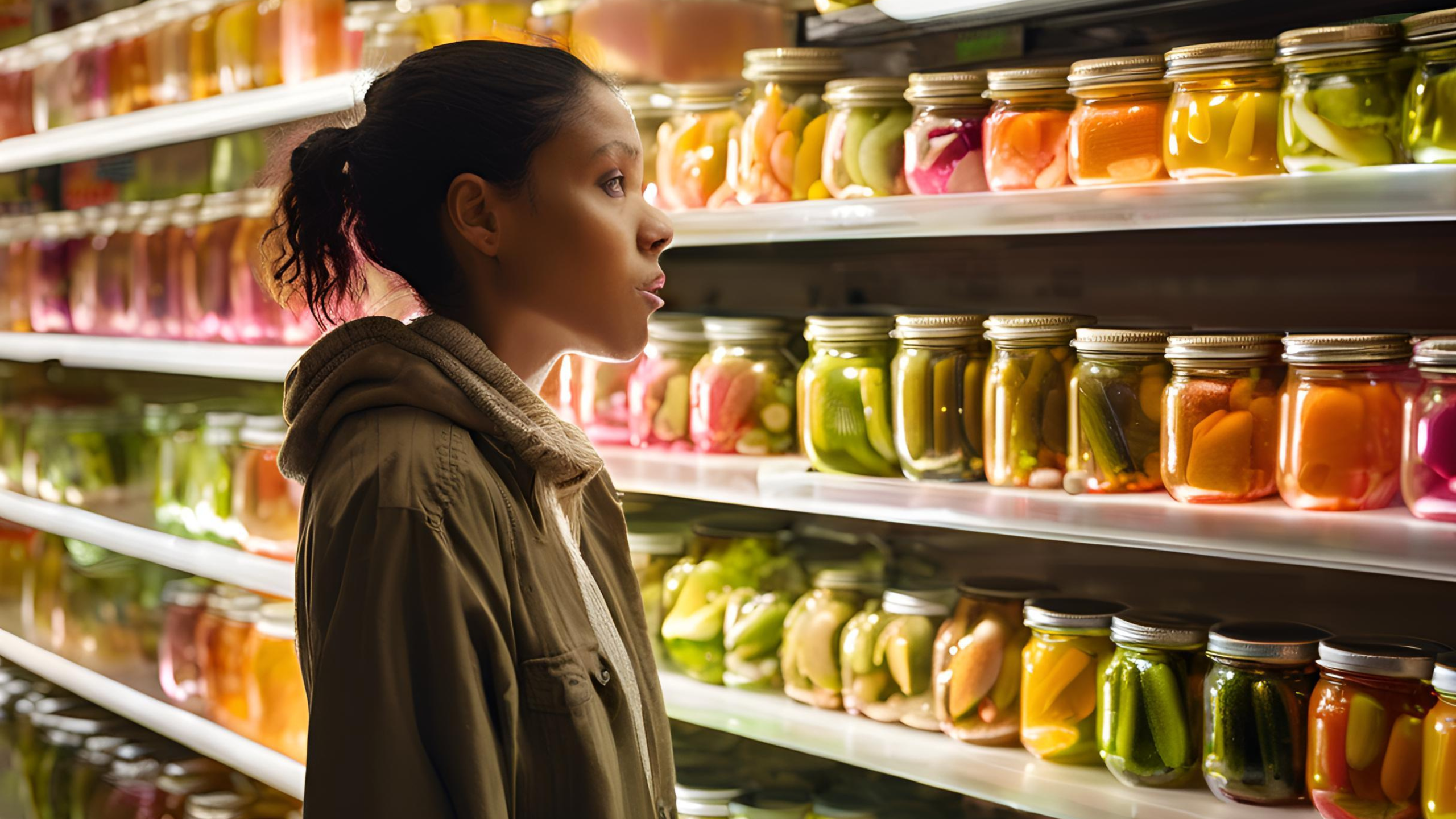
Cravings aren’t just random quirks or passing thoughts. They’re fascinating signals that might point to your nutritional needs, hydration levels, emotional state, or even your gut health. And while it’s easy to dismiss these temptations simply as a phase, taking time to explore their root cause can tell you so much about yourself.
Are you curious about what might be behind that insatiable desire for pickles? Don’t worry—you’re not alone, and we’re about to uncover nine common reasons this craving might be taking over. Come along, and let’s explore how this simple, salty snack could speak volumes about what your body and mind need.
#1. A Sodium Deficiency
Pickles are loaded with salt, making them a go-to craving for anyone whose body is signaling it needs more sodium. Sodium, an essential electrolyte, is crucial in balancing fluids and helping muscles and nerves function properly. If you’ve been sweating excessively—maybe after a good workout or on a hot day—you may have lost sodium and fluids, which could trigger an intense pickle craving.
Practical Tip: Start by reflecting on your physical activity or recent dietary changes. Use a journal to note moments when salt-heavy cravings arise. Have you been drinking enough water, or has your diet been unusually low in sodium? Over time, patterns may emerge that can guide adjustments to balance your electrolyte levels.
#2. Dehydration or Electrolyte Imbalance
Sometimes, your craving might not be about the salt—it could be your body’s way of seeking hydration. Pickles contain water and electrolytes, making them an appealing option when your hydration levels are out of whack. If you’ve been feeling fatigued, lightheaded, or overly thirsty, your body may be cranking up the pickle signal for a reason.
Journaling Exercise: Track your water intake and notice how you feel throughout the day. Are there moments when dehydration could be creeping in? By documenting these observations, you’ll gain clarity on whether your pickle craving aligns with a need to hydrate better.
#3. Pregnancy

If you’re pregnant, you’ve likely heard or experienced the craving for pickles firsthand. Hormonal changes during pregnancy can intensify taste buds and amplify cravings, often making sour, salty foods like pickles incredibly satisfying. Your body might crave what feels instantly gratifying amid a whirlwind of changes.
Fun Fact: Pickles have been a classic pregnancy craving for decades. They offer a quick burst of taste that stands out when your body is otherwise in sensory overdrive.
What You Can Do: If pregnancy might be behind your cravings, reflect on other foods you’re drawn to and speak with your doctor about your nutrition needs. Keep a journal to spot patterns in how different cravings (sour, sweet, salty) arise throughout the stages of pregnancy.
#4. Stress or Emotional Triggers
Food often becomes a comforting outlet when stress or emotions run high. Pickles might offer an intense crunch and tang that feels like a release or distraction from your day. These cravings may emerge not because your body is physically hungry but because you’re navigating emotions like frustration, boredom, or anxiety.
Mindfulness Prompt: The next time you’re drawn to a pickle, pause momentarily. What are you feeling emotionally? Journaling about your mood when the craving hits could uncover whether it’s linked to unresolved stress. From there, consider trying stress-relieving alternatives, like a short walk or deep breathing, before deciding to indulge.
#5. Iron Deficiency

While it’s less common, some studies suggest a connection between iron deficiencies and intense cravings for sour or salty foods, including pickles. Iron is essential for carrying oxygen through your body, and low levels can leave you feeling weak, cold, or lethargic. If these symptoms feel familiar, your pickle craving might be connected to an underlying need for more iron.
Next Steps: Use a journal to note any other symptoms, such as fatigue or unusual bruising, and talk to your doctor about testing your iron levels. They may recommend adding iron-rich foods like spinach or red meat to your diet—or supplementation if needed.
#6. Hunger for Umami or Sour Flavors

Sometimes, your craving isn’t about nutrients—it’s about flavor. Pickles deliver a bold, sour punch of taste that stimulates your senses, especially if your recent meals have been leaning toward the bland side. A lack of variety in your diet, especially flavors like umami or tangy notes, could lead your brain to fixate on something distinct and satisfying.
Exploration Prompt: Review your recent meals. Have they been repetitive or flavorless? Journaling what you’ve eaten can reveal whether you’re missing specific taste experiences. Adding variety with fresh herbs, fermented foods, or diverse cuisines may help balance your cravings.
#7. Habit or Association
Pickles might remind you of certain moments—a backyard BBQ, a comforting sandwich, or even late-night snacking as a kid. Our food preferences are deeply tied to memory and emotion. A craving for pickles might be a craving for the nostalgia or feelings tied to them.
Reflection Exercise: Write down memories connected to pickles. Do they relate to a positive experience or a specific time in your life? Recognizing the emotional layer behind a craving can help you decide whether you’re truly physically hungry or simply seeking comfort.
#8. Gut Health and Probiotics
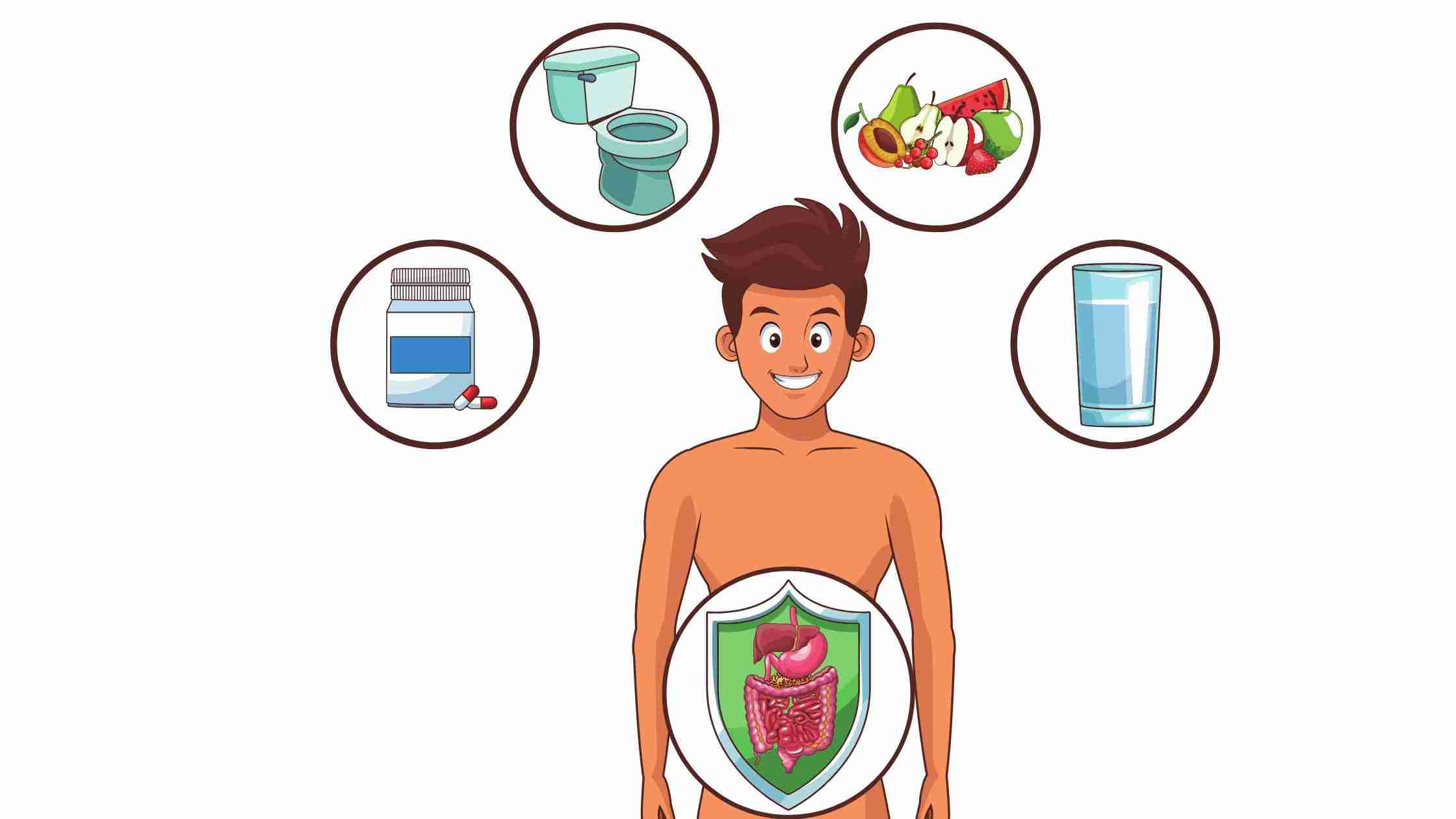
Pickles, especially fermented varieties like those made with brine instead of vinegar, are rich in probiotics. Probiotics are the good bacteria your gut relies on for digestion and overall health. If your gut microbiome feels unbalanced—leading to bloating or discomfort—your body might steer you toward probiotic-rich foods like pickles, yogurt, or kombucha.
Actionable Tip: Document when digestion feels off and pair it with cravings for foods like pickles. This could highlight the need to integrate more gut-friendly foods into your diet. Choose pickles with “live cultures” listed on their labels for the best probiotic boost.
#9. Cyclical Hormonal Changes
For individuals who menstruate, hormonal changes throughout the cycle can intensify cravings for salty and sour foods. Estrogen and progesterone fluctuations may increase interest in foods like pickles during certain month phases.
Journaling Prompt: Keep a monthly log and note when cravings spike. Do you notice cravings for pickles—or other specific foods—lining up at particular times in your cycle? Just this awareness can help you plan meals that satisfy these cravings in a balanced way.
The Link Between Cravings and Binge Eating Disorder
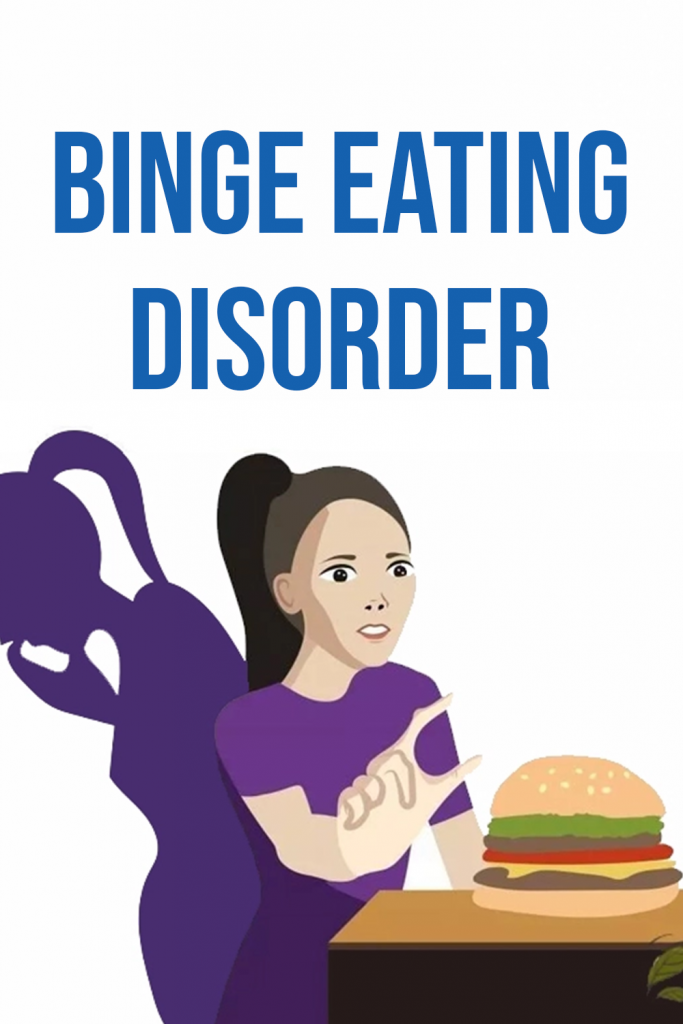
Cravings are a natural signal from our body or mind, but when they become repetitive or overpowering, they may indicate something more profound, such as binge eating disorder (BED). BED involves episodes of consuming large amounts of food, followed by guilt or distress. Often, these cravings are tied to emotional, psychological, or physical factors rather than randomness.
Left unchecked, cravings may fuel the binge-diet cycle, a pattern of restriction, overindulgence, and self-criticism. This cycle traps individuals in a frustrating loop, making sustainable change seem out of reach. However, understanding cravings thoughtfully can break this cycle and foster a healthier relationship with food.
At Eating Enlightenment, cravings are seen as opportunities to uncover underlying messages. We use a three-step process to help you examine cravings with curiosity and create actionable solutions.
1. Nutritional Journaling
Start by identifying whether cravings stem from physical hunger or imbalances. Simple journaling about what you eat, when, and how you feel before and after meals can uncover patterns. For instance, salty cravings may indicate an electrolyte imbalance or sugar cravings could signal blood sugar fluctuations. Journaling builds awareness and reframes cravings as signals rather than failures.
2. Mindfulness of Triggers
Once your nutrition stabilizes, observe the emotional or situational triggers behind your cravings. Are stress, boredom, or celebrations prompting specific food desires? Journaling during these moments builds awareness without judgment, helping you notice patterns and explore alternative ways to meet emotional needs.
3. Inner Parts and Emotional Healing
Deep cravings may stem from unmet emotional needs, such as an inner child seeking comfort or past food-related experiences. Journaling allows exploration of these connections, offering insight and the opportunity for healing. Recognizing these deeper motivations helps you nurture yourself in healthier ways.
Through this process, you’ll learn to appreciate cravings as meaningful signals rather than problems to control. By addressing root causes, you’ll break free from the binge diet cycle and build genuine connections to yourself, your needs, and your well-being.
Why Am I Craving Pickles All of a Sudden? 9 Fascinating Fun Facts
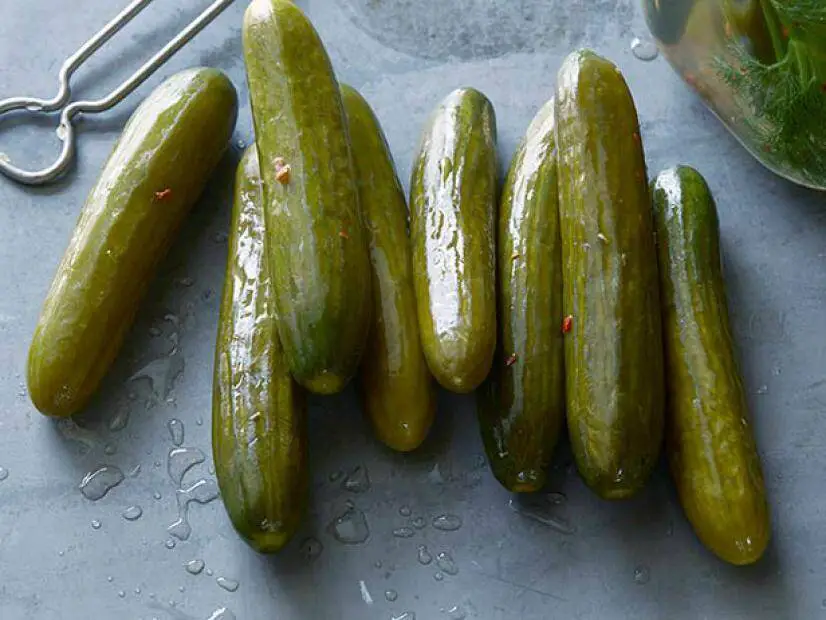
- Addictive Crunch Factor: The crisp snap of pickles is scientifically satisfying to your brain, activating pleasure responses.
- Vinegar Mood Booster: The tangy vinegar in pickles can trigger feel-good chemicals in your brain.
- Salt-Loving Genes: Some people genetically prefer salty or sour flavors, making pickles irresistible.
- Hydration Flavor Fake-Out: Pickles may trick your brain into thinking hydration tastes better with their salty tang.
- Natural Endorphin Release: The bold flavor punch can stimulate endorphins, giving you an instant mood lift.
- Pickled History: People have craved pickles for over 4,000 years, and ancient civilizations used them to preserve veggies and add zing to meals.
- Gut-Brain Connection: Your microbiome might nudge you toward probiotics, like those in pickles, to soothe digestion.
- Trade Secret Appeal: Many fast-food chains use pickle brine in recipes, which might subtly fuel your cravings.
- Hot Weather Snack: Pickles are historically loved in warm climates to replenish salts lost through sweat.
Practical Advice & Resources to Explore
Pickle cravings might seem quirky and random, but as we’ve explored, they can tell a fascinating story about your body and mind. From potential sodium or iron deficiencies to emotional triggers, hormonal changes, or even a nostalgic connection, these cravings are rarely without meaning. Each one can provide insight into your nutritional needs and emotional well-being.
Take a moment to reflect on what your cravings might reveal about your diet and lifestyle. Are you staying hydrated? Are your meals varied enough? Perhaps it’s time to explore the emotions associated with your eating habits.
Here’s where the Eating Enlightenment Journal App can make all the difference. It allows you to track your eating patterns, uncover the roots of your cravings, and develop a mindful approach to food. With guided journaling prompts and emotional check-ins, this app serves as a supportive partner on your path to healthier, happier eating habits.
The next time you reach for a pickle, pause and ask yourself: What is your body or heart craving? By tuning in and jotting it down in your journal, you’ll be one step closer to understanding yourself better and creating a balanced relationship with food. Download the app today and take that first mindful step!