

Imagine this—you’re basking in the excitement of pregnancy, but then an unexpected craving hits you. It’s not pickles; it’s not ice cream. Instead, you find yourself drawn to something far more unusual—dirt. You might feel confused or even a little embarrassed, but take a deep breath—you’re not alone, and there are reasons behind these surprising urges.
Pregnancy cravings are a widely recognized part of the maternal experience, ranging from the charmingly quirky (peanut butter with pickles, anyone?) to the genuinely perplexing. Every craving tells a story of the body’s changing needs, driven by a fascinating mix of hormonal shifts, nutritional requirements, and emotional factors. But when cravings take an unexpected turn toward non-food items like dirt, ice, or chalk, the condition is known as pica. While less commonly discussed, this phenomenon occurs in many pregnancies, sparking curiosity and concern.
Craving dirt might seem strange, but it could give valuable insights about your body’s current state. Understanding why these cravings happen is an opportunity to care for yourself and explore the underlying cues your body is sending. Some explanations, such as nutritional deficiencies, are rooted in science, while others relate to texture preferences or emotional responses. Thankfully, most are manageable when approached with mindfulness and the right tools.

Through this post, we’ll take a deeper look at this unique craving, exploring 11 potential reasons why it occurs. Whether it’s connected to lacking essential nutrients, hormonal shifts, or psychological factors, you’ll gain a clearer picture of what’s going on and what you can do about it. You’ll also discover how journaling can become a powerful partner in understanding your physical and emotional cravings.
By the end of this blog, you’ll feel reassured, informed, and equipped with practical strategies to address these cravings safely and holistically. Whether listing questions for your next prenatal visit or reflecting on patterns through journaling, you’re taking an empowering step in your pregnancy journey.
What is Pica?
Pica is a condition many pregnant individuals encounter, marked by intense cravings or even the consumption of non-food items. Dirt, clay, chalk, cornstarch, soap, and ice are common substances. While it might feel unusual or even isolating to experience such cravings, rest assured that you are not alone—pica is more common than you might expect, especially during pregnancy.
“pica” originates from the Latin word for magpie, a bird known to eat various objects indiscriminately. Similarly, pica during pregnancy often goes beyond typical cravings for food and dives into surprising, sometimes concerning choices. These cravings are not random; they usually reflect underlying needs in your body, signaling deeper biological, psychological, or emotional factors seeking attention.
Why Does Pica Happen During Pregnancy?
While the exact cause of pica isn’t fully understood, several known triggers are present. Nutritional deficiencies, particularly in minerals such as iron or zinc, are believed to play a significant role. Hormonal changes can amplify these urges, creating cravings for non-food substances as a way for the body to compensate. Psychological factors, such as stress or emotional coping, may also contribute, offering comfort in consuming these unusual items.
Regardless of the cause, experiencing pica during pregnancy isn’t a reflection of poor choices or a failure on your part. It’s your body’s way of communicating that deeper needs must be addressed. That’s why acknowledging and exploring these cravings is an essential step, not just for your peace of mind but for the health of you and your baby.
11 Reasons You Might Be Craving Dirt While Pregnant
#1. Iron Deficiency (Anemia)
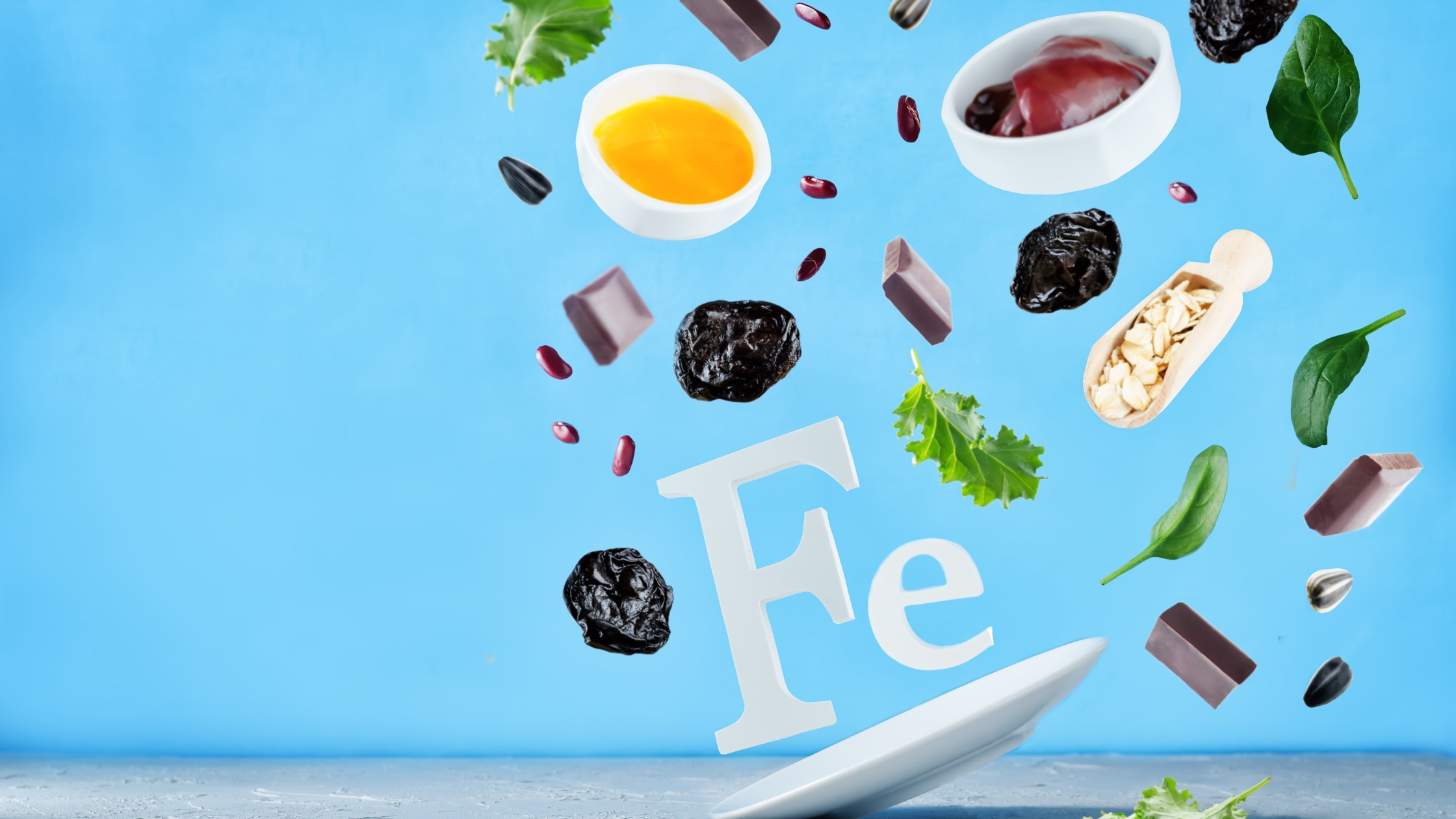
Iron deficiency is one of the most well-known reasons behind dirt cravings during pregnancy. When your body is low on iron, it can spark a desire for non-food items, like dirt or clay, as an instinctive attempt to correct the deficiency. Iron’s role in carrying oxygen throughout your body is critical—especially now, as your baby grows.
Journaling Prompt: “Am I feeling unusually tired or weak? What are these physical sensations telling me about my body’s needs?” Journaling this helps you tune into your body and note signs of fatigue, which might signify an iron shortage.
Practical Advice: Keep a food journal to track your meals and identify gaps in your diet. Iron-rich options like spinach, lentils, or lean red meat can help. If the cravings persist, consult your doctor to check iron levels; supplementation might be needed.
#2. Mineral Deficiencies Beyond Iron
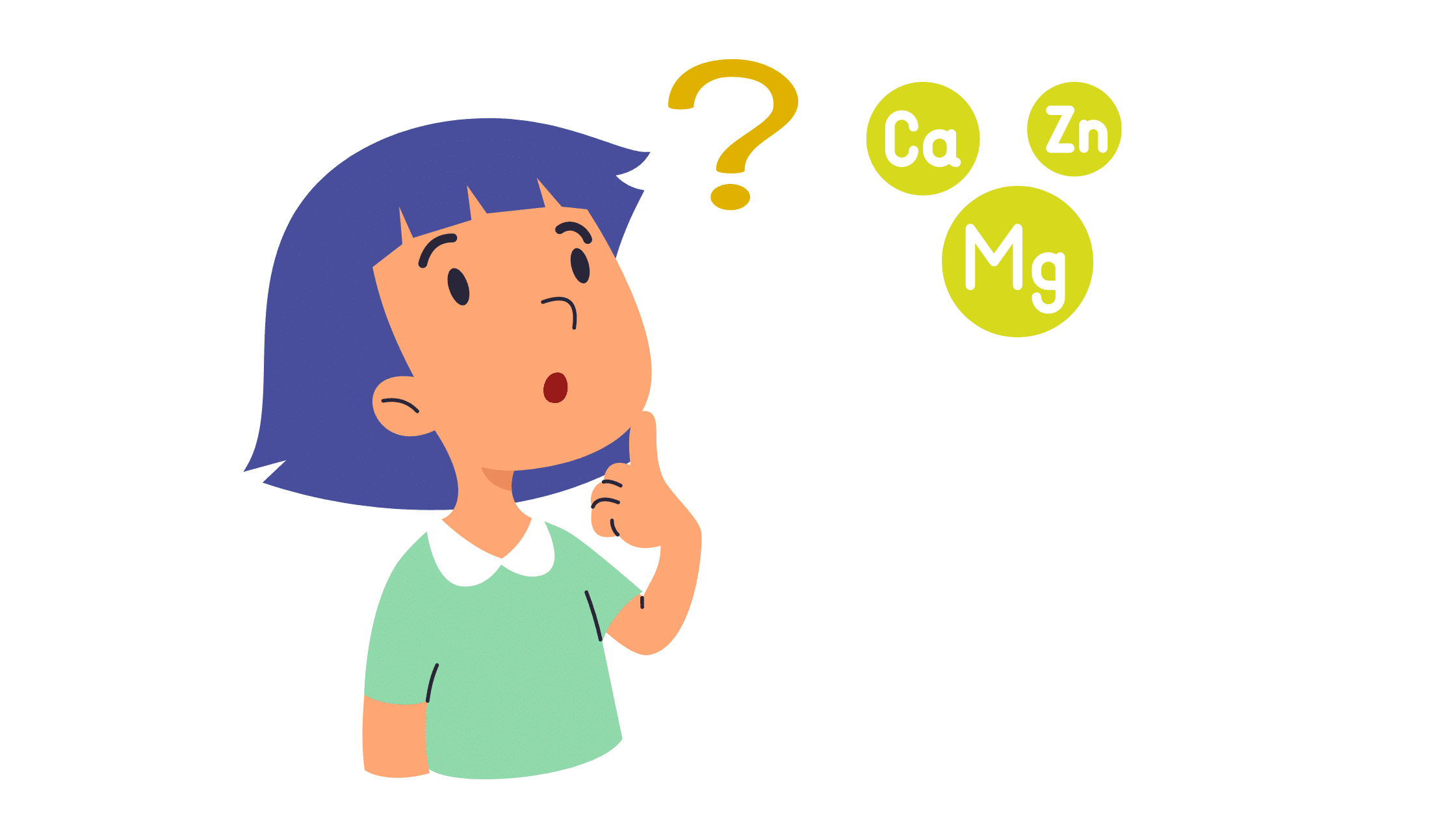
Not just iron—your body might also be yearning for other essential minerals, such as zinc or magnesium, when it craves dirt. These minerals, like supporting your immune system and maintaining a balanced nervous system, play important roles.
Journaling Prompt: “Does my diet feel balanced right now? Am I regularly eating foods from all groups, including fruits, vegetables, and protein sources?” Reflecting here can reveal dietary gaps leading to these cravings.
Practical Advice: Track your meals for a week to identify missing nutrients. Foods like nuts, seeds, whole grains, and dairy are excellent sources of these minerals. A healthcare provider can help tailor a dietary plan or recommend supplements if journaling reveals recurring imbalances.
#3. Hormonal Changes
During pregnancy, fluctuating hormones can turn your world upside down, affecting everything from emotions to food cravings. Hormonal shifts may amplify your brain’s response to cravings, including unconventional ones like dirt.
Journaling Prompt: “How have my hormones affected me lately—physically or emotionally? Are there patterns in my cravings that match heightened emotions?”
Practical Advice: Mindfulness techniques like deep breathing or gentle yoga can help you manage hormonally-driven cravings. Pausing to enjoy healthy snacks when cravings arise, such as apple slices or yogurt dipped in granola, may satisfy those urges while giving your body nutrients.
#4. Psychological Coping Mechanisms
Sometimes, dirt cravings may arise from emotional stress, anxiety, or as a response to overwhelming circumstances. Pregnancy—joyous as it is—can also be a challenging time. With its grounding earthy quality, cravings for soil may be your mind’s way of seeking comfort and stability.
Journaling Prompt: “When I feel the craving for dirt, what emotions am I experiencing?” Tracking these emotional triggers builds awareness of the connection between stress and cravings.
Practical Advice: Try self-soothing activities like journaling, meditation, or taking short walks in nature. If more profound emotional challenges emerge, consider reaching out to a therapist or support group specializing in maternal mental health.
#5. Cultural or Childhood Associations
For some, craving dirt is tied to cultural traditions or childhood experiences. Stories and memories of using earth-based remedies (like clay or soil) for health may influence these desires during pregnancy.
Journaling Prompt: “What childhood or cultural memories do these cravings bring up? Could they be connected to comforting moments?”
Practical Advice: Explore ways to celebrate cultural connections in your diet by incorporating heritage-rich, nutrient-dense foods. Reach out to family members and learn recipes that feel nostalgic and nourish you and your baby.
#6. Evolutionary Instincts for Gut Health

Some researchers believe that cravings for dirt or clay are linked to ancient survival tactics. Certain soils may have binding properties that help detoxify the body or soothe digestive discomfort, which might explain why these cravings emerge during pregnancy.
Journaling Prompt: “How is my digestion lately? Am I experiencing any discomfort, like bloating or nausea, that might connect to these cravings?”
Practical Advice: Address gut health with probiotic-rich foods like yogurt or fermented vegetables. Sipping herbal teas like ginger or peppermint can also be soothing. If gastrointestinal issues persist, consult your healthcare provider.
#7. Dehydration or Electrolyte Imbalance
Craving dirt might indicate that your body is seeking hydration or electrolytes, which support vital functions like muscle movement and nerve signaling.
Journaling Prompt: “Am I drinking enough water daily? When do these cravings strike—after exertion or on hot days?”
Practical Advice: Start the day with a tall glass of water infused with lemon, cucumber, or mint for variety. Incorporate foods rich in electrolytes, such as bananas, coconut water, and leafy greens. Keep track of hydration in your journal to ensure consistency.
#8. Subconscious Response to Nausea
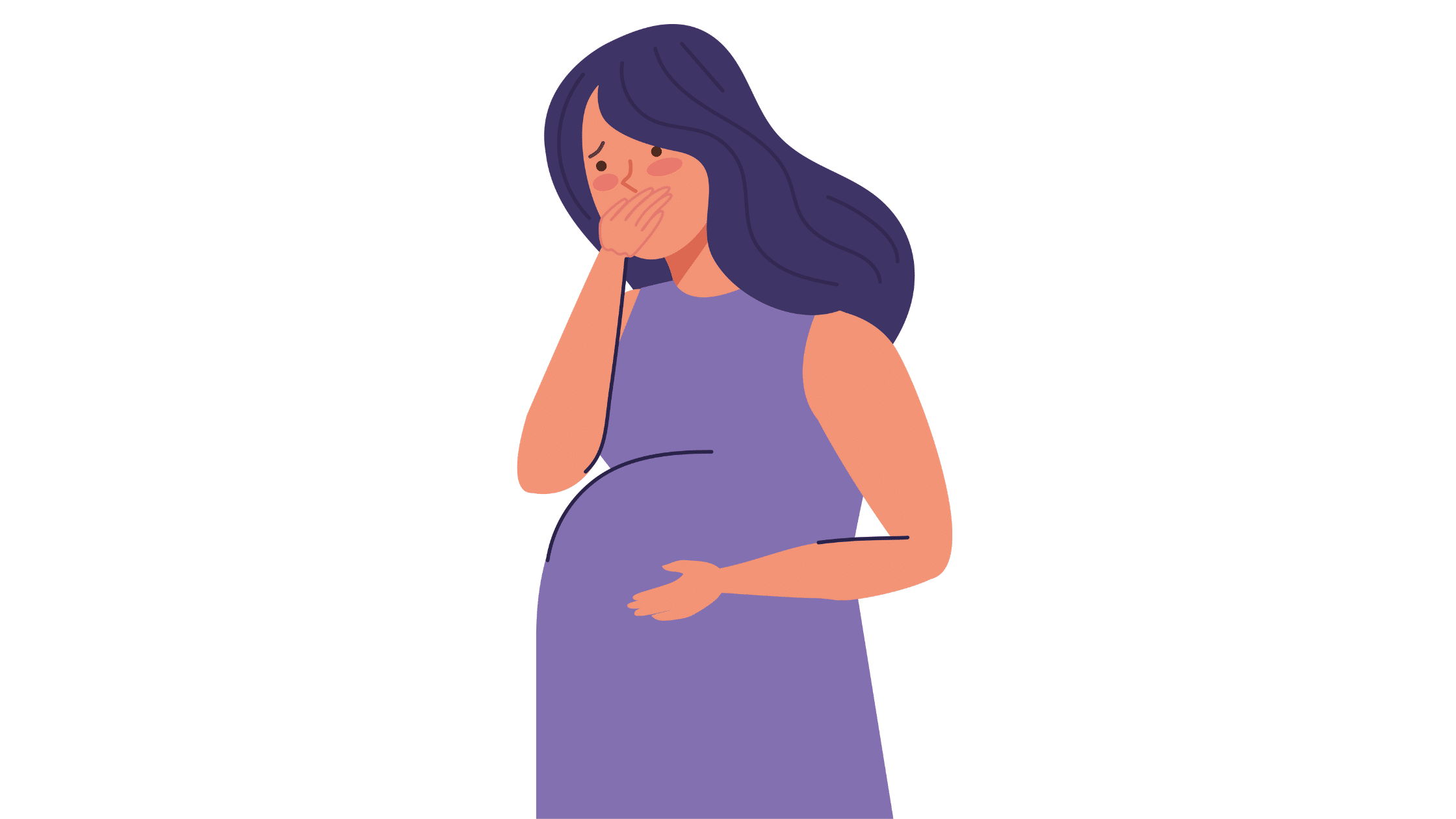
Pregnancy-related nausea may lead you to crave plain, earthy textures, like dirt, as a way to balance feelings of queasiness. It’s your body’s way of seeking relief from overpowering sensations.
Journaling Prompt: “Do I feel nauseated before these cravings arise? How do I feel after eating something earthy in texture?”
Practical Advice: Try bland snacks like crackers, toast, or rice. Sipping ginger ale or sucking on peppermint drops can also help. Adjust your eating routine to include smaller, more frequent meals to relieve nausea.
#9. Texture Preferences and Sensory Needs
Pregnancy can heighten sensory awareness, and cravings for dirt’s gritty texture may simply reflect a need for sensory stimulation.
Journaling Prompt: “What draws me to the texture or feel of this craving? Are there other sensations I find soothing?”
Practical Advice: Replace dirt cravings with foods that have similar textures, such as crunchy granola, nuts, or baked kale chips. Experiment with tactile activities, like clay modeling or squeezing stress balls to meet sensory needs.
#10. Lack of Adequate Protein
Protein deficiency could be another underlying factor behind cravings. Your body requires more protein during pregnancy to support fetal growth, and a lack can appear unexpectedly.
Journaling Prompt: “Am I feeling full and satisfied after meals? Is my diet currently rich in protein-rich foods?”
Practical Advice: Add high-protein foods like eggs, lentils, chicken, or tofu to your meals. Smoothies with protein powder and yogurt can double as filling snacks, keeping cravings at bay.
#11. Disrupted Eating Patterns
Skipping meals or long gaps between eating can create imbalances in blood sugar, increasing cravings for unconventional substances like dirt.
Journaling Prompt: “When did I last eat before this craving hit? Am I eating enough throughout the day to stay energized?”
Practical Advice: Establish a meal schedule that includes small, nutritious snacks between meals. Keep fresh fruit, mixed nuts, or Greek yogurt on hand for convenient options when hunger arises.
The Role of Cravings in Emotional and Psychological Health

Cravings can often feel like obstacles to overcome, but what if cravings weren’t failures? Instead, cravings can act as signals, offering insights into your body’s and mind’s needs. They’re invitations to reflect on what might be unaddressed—a nutritional deficiency, emotional stress, or even an unmet psychological need.
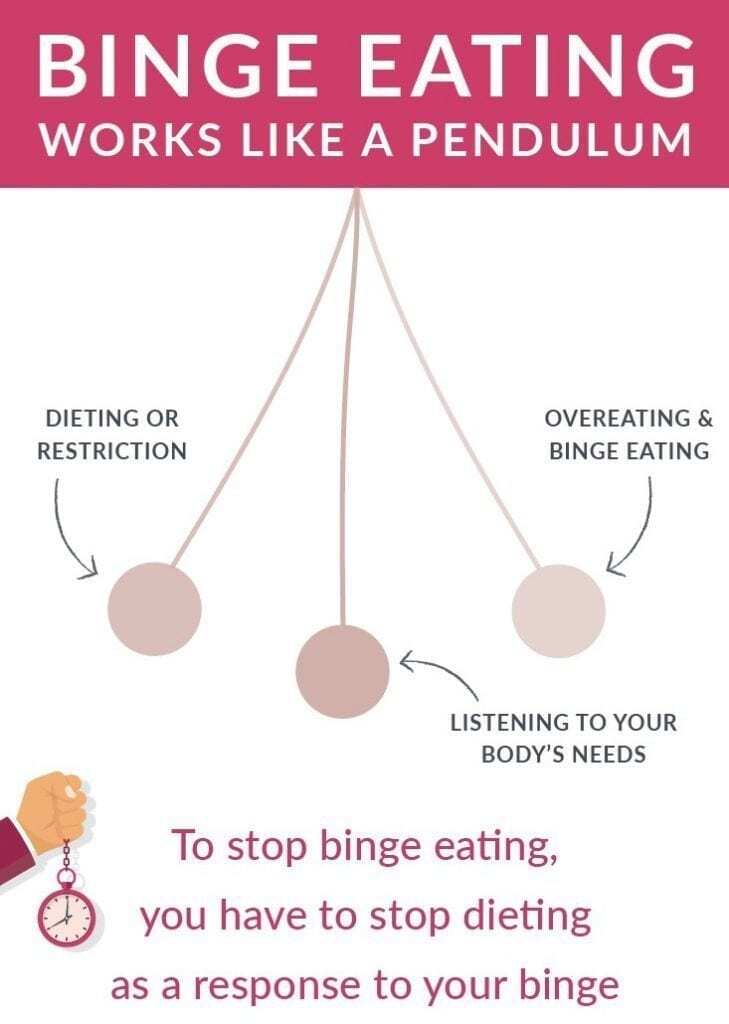
Cravings also weave into the binge-diet cycle, a pattern where denied or restricted cravings eventually lead to overeating or bingeing, followed by guilt and heightened restrictions. This cycle can feel endless, but when cravings are seen as tools for self-discovery instead of something to suppress, they can lead to deeper understanding and lasting balance.
Beyond the Surface
Cravings come from physical needs, like nutrient deficiencies, and emotional triggers, like stress or fatigue. A craving might signal a need for comfort after a hard day or highlight a lack of balance in your diet. By exploring their roots, you can identify patterns and better respond to your body’s signals.
The Eating Enlightenment framework offers a compassionate pathway to understanding these cravings through three practical steps.
Step 1: Nutritional Journaling
Tracking what and when you eat helps identify imbalances that cause cravings. Reflect on which meals leave you feeling satisfied versus those that don’t.
Prompt: “Which meals leave me feeling satisfied and energized, and which do not?”
Step 2: Mindfulness of Triggers
Not all cravings stem from food. Journaling the emotions or situations surrounding your cravings helps uncover their deeper triggers, like stress or exhaustion.
Prompt: “What emotions or situations arise when I have this craving? How do I feel before and after giving in to it?”
Step 3: Journaling Inner Voices
Cravings can sometimes reflect deeper emotional needs. Imagine giving them a voice—what might they tell you? Consider journaling these inner dialogues to bring clarity to areas in need of care or healing.
Prompt: “If this craving could speak, what might it tell me about what I need emotionally?”
Building Progress Over Time
These steps guide you toward understanding cravings as proper signals rather than something to battle. Whether adjusting your nutrition, identifying emotional triggers, or addressing hidden needs, every small step builds trust in your body’s wisdom.
By tuning into cravings, you allow your needs to surface, creating opportunities to meet them with compassion rather than judgment. Cravings become less of a challenge and more of a guidepost for growth.
Empower Your Journey

Understanding why you might crave dirt during pregnancy is more than satisfying curiosity—it’s about tuning into your body’s signals and taking steps to meet its physical and emotional needs. The 11 reasons we explored in this post, from nutrient deficiencies to emotional triggers, shed light on the fascinating connection between cravings and self-care during this special time.
Pregnancy can feel like a whirlwind, and it’s completely natural to have questions about unusual cravings. What’s important is to approach these signals with curiosity rather than judgment and seek professional advice if unsure. Remember, your body is incredibly intuitive, and these cravings might point you toward areas that need nurturing and attention.
Now is the perfect time to take ownership of your health and cravings. Downloading the free Eating Enlightenment Journal App is a powerful way to start. This app is your companion for tracking cravings, uncovering underlying patterns, and promoting healthier, tailored choices throughout pregnancy. It’s more than a tool—it’s a step toward understanding your body on a deeper level and building a stronger connection with yourself for the coming months and beyond.
Take this moment right now to honor your body and its needs. Click below to download the app and start journaling today. Empower yourself with insights, nurture your growing baby, and explore a deeper level of mindfulness in your pregnancy journey. You’ve got this—one small, intentional step at a time!