


There’s something undeniably charming about caramel, isn’t there? That golden, velvety sweetness that wraps your taste buds in a warm, buttery hug—each bite feels like a tiny indulgence, a moment of pure comfort. Maybe it calls to you during that quiet afternoon lull when energy is fading, or perhaps it’s your go-to escape after a long, stressful day when everything else feels too much.
But here’s the thing—craving caramel isn’t always just about its flavor. Those sugary urges you feel might be trying to tell you something more profound. Could your body be signaling a nutritional gap? Maybe it’s a craving rooted in emotion, a bid for comfort, or a touch of warmth. The change in seasons might influence it as we lean into cooler days and comforting treats.
Whatever the reason, your caramel cravings hold a message; this blog post will help you uncover it. Together, we’ll explore 12 fascinating possibilities behind your desire for caramel—revealing how your body, mind, and lifestyle might play a role. By the end, you’ll see these cravings not as something to combat but as a way to understand yourself better.
So grab your journal and a comfy seat. It’s time to decode what your caramel cravings are trying to say.

12 Reasons You Might Be Craving Caramel
#1. Blood Sugar Imbalances
Sometimes, it’s your blood sugar levels screaming for help. If you’ve skipped meals or indulged in too many refined carbs, your body might crave a quick energy boost like caramel. This rollercoaster of highs and lows leaves your brain reaching for something sweet.
To take control, try reflecting on your consistent eating throughout the day. A simple journal entry about what recent meals made you feel can reveal patterns. Instead of caramel, grab a handful of almonds and dates for that sweet fix while stabilizing your energy.
#2. Dehydration
Have you had enough water today? As weird as it sounds, dehydration can show up as sugar cravings. When your body lacks hydration, it often confuses thirst for hunger, especially for sugary indulgences. Before you give in to caramel, pause and drink a big glass of water.
Write down your last drink of water—how did it make you feel? If you’re still craving sugar afterward, you’ll know there might be something more going on.
#3. Stress and Emotional Comfort

Stress is a sneaky companion to sweet cravings. With its warmth and richness, Caramel feels like a hug in food form. When overwhelmed, your brain often draws you to comfort foods for a quick emotional lift. Stop and ask, “What’s been on my mind today?” Journal about your emotions and any patterns you notice. A mindfulness practice, like sitting with a few deep breaths, can help you address stress before you turn to food. Some chamomile tea and a calming environment might be the cozy alternative you need.
#4. Magnesium Deficiency

Another factor nobody talks about enough? Magnesium. Your cravings may indicate a magnesium deficiency, a mineral pivotal in energy production and blood sugar regulation. Foods like dark chocolate, leafy greens, and seeds are excellent sources of magnesium.
Journaling can help you track your diet. Are you incorporating enough magnesium-rich foods? Acknowledge these gaps compassionately and make small, actionable changes.
#5. Fatigue and Lack of Sleep

When running on empty after sleepless nights or intense days, your body demands quick energy. Enter caramel. Sugar temporarily boosts your energy, but it doesn’t solve the fatigue. Reflect in your journal on how much rest you’re giving yourself.
How does your energy feel without caramel? To sustainably fuel your body and mind, substitute quick-energy snacks like banana slices with almond butter.
#6. Hormonal Fluctuations
For many women, hormonal shifts during the menstrual cycle can amplify sugar cravings, including the temptation of caramel. These cravings often peak premenstrual or mid-cycle as fluctuating estrogen impacts serotonin levels. Journal how you feel during different points in the month to notice patterns.
Satisfy hormonal cravings with natural honey, cinnamon-spiced oatmeal, or yogurt topped with berries for a balanced option.
#7. Dietary Restriction or Deprivation
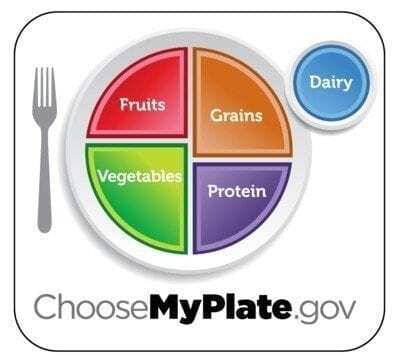
If you’ve been cutting calories or avoiding sugar, a caramel craving could signal your body’s rebellion against deprivation. Restrictive eating can leave you feeling restricted emotionally, too.
Use your journal to explore restrictive thoughts—what feelings or beliefs might be driving them? Acknowledge your need for sweetness without shame. Mindfully savor a measured portion of caramel as a small but satisfying treat.
#8. Nostalgia and Positive Associations
Caramel isn’t just food; it’s an emotional memory. It may remind you of childhood visits to fairs or cozy moments during the holidays. Cravings rooted in nostalgia often signal a desire to reconnect with joy or comfort.
Write in your journal about what caramel brings to mind—what feelings or memories does it evoke? Instead of indulging, recreate those moments differently—call an old friend or revisit similar childhood joys.
#9. Boredom

Idle moments are fertile ground for cravings. When boredom strikes, your brain looks for stimulation, and food becomes an easy distraction. Think back—what were you doing just before the caramel craving hit? Journaling this can help identify your triggers. Engage your boredom mindfully—try a hobby, pick up a book, or create something. Use caramel as a last resort, not your first.
#10. Cultural Influence or Advertising
Sometimes, cravings arise not from within but from what’s outside. Tempting caramel ads or cultural traditions around indulgent desserts might trigger you. Training your mind to question cravings begins with awareness.
Ask yourself what external cues might be at play in a written note or journal. Awareness can help reduce the pull of external triggers.
#11. Seasonal Shifts
A colder season often heightens the appeal of warm, creamy treats like caramel. With the arrival of winter holidays or chilly weather, your cravings may feel almost automatic. Reflect on how the season is shaping your food choices.
Instead of habitual sweets, recreate seasonal feels with warming, spiced drinks like tea or hot cocoa. Journaling these shifts in cravings by season can help you anticipate them in the future.
#12. Underlying Emotional Needs

What’s the emotional gap Caramel is trying to fill? Cravings often symbolize unmet needs like craving connection, rest, or validation. Sweetness from caramel might be your way of reaching for emotional sweetness.
Take this craving as a nudge to slow down, tune in, and ask yourself what you need. Journal your feelings with self-compassion and take small actions toward self-care, whether it’s a warm bath or sending yourself a loving message.
Every craving is a clue, not a challenge to beat yourself up about. By understanding where your caramel cravings come from, you can begin interacting with them thoughtfully, compassionately, and with greater awareness.
Use your journal as your guide and your cravings as your teacher. Take one sweet step at a time toward nourishing your body and your mind.
Fun Facts About Cravings Of Caramel
- Sweet Tooth Origins
Humans are hardwired to crave sweet foods because they provide quick energy to our ancestors. - Caramel and Comfort
Caramel’s creamy sweetness is often linked to emotional nostalgia, reminding us of joyful childhood moments. - Stress Sweet Spot
Cortisol, the stress hormone, can amplify sugar cravings during overwhelming times. - Hormonal Rollercoaster
Due to hormonal shifts, women’s caramel cravings may peak during specific phases of their menstrual cycle. - Brain Boost
Sugar-rich foods like caramel can trigger dopamine—your brain’s “feel-good” chemical. - Sweet Marketing
Food ads featuring caramel often leverage its association with indulgence and reward to tempt your taste buds. - Energy Solution
Caramel’s sugary punch can be your body seeking a quick energy fix after skipping meals. - Texture Love
Chewy caramel’s satisfying texture plays a role in making it so irresistible. - Temperature Cravings
Cravings for sweet, gooey treats like caramel spike during colder months as we seek warmth and comfort. - Mind Over Myth
Sometimes, cravings are more psychological than physical—just seeing caramel can intensify your desire. - Thirsty for Sweets
Dehydration can trick your body into craving sugar to boost energy when water is all you need! - Magical Magnesium
A caramel craving could be your body hinting at a magnesium deficiency, commonly corrected with leafy greens or nuts.
Are Caramel Cravings a Sign of a Binge Eating Disorder?

Sometimes, a craving is just a craving. But when your sweet tooth for caramel feels all-consuming or emotionally loaded, it could indicate something more profound, like a binge eating disorder (BED). BED is not just overeating; it’s a cycle driven by emotional and psychological triggers. Caramel, with its sweet indulgence, may play into this cycle.
The binge-diet cycle often starts with restriction—telling yourself, “No caramel this week.” While initially empowering, this restriction usually fuels relentless cravings. Eventually, the craving overpowers, leading to a binge. It’s no longer about enjoying the caramel but consuming it quickly to fill another void. This is followed by guilt and promises to restrict further, perpetuating the cycle. This is not about willpower but unmet physical and emotional needs within your relationship with food.
How Eating Enlightenment Approaches Cravings

Breaking this cycle requires compassion and a structured approach. Eating Enlightenment outlines three key steps for reconnecting with one’s body and emotions.
Step One: Nutritional Journaling
The first step is to ensure your body is fully nourished. Document meals and snacks to stabilize energy and avoid sharp cravings. For instance, skipping lunch could leave you ravenous, making caramel an easy target for quick energy. Journaling highlights gaps in nutrition, helping you balance your diet and gently ease cravings.
Step Two: Mindfulness of Triggers
Once nutrition is stable, focus on emotional triggers. Ask yourself: Are you stressed or tired when cravings hit? Journaling after these moments can reveal patterns. For example, imagine noting how a craving arises after a demanding workday. Writing down your feelings helps you pause, connect with your emotions, and respond mindfully without judgment.
Step Three: Inner Healing
Dig deeper into why caramel holds power. Is an inner perfectionist fueling guilt about indulgence, or is an inner child seeking comfort in sweetness? Journaling helps you uncover and compassionately address these patterns, giving a voice to emotions beneath cravings.
Journaling Resource
The Eating Enlightenment App provides tools for food journaling, emotional tracking, and guided prompts, helping you turn cravings into insights.
Cravings are messengers, not enemies. Listening to them fosters balance, self-compassion, and a healthier relationship with food and yourself.
Conclusion

Craving caramel may seem like a sweet indulgence, but it often conveys your body’s needs, emotions, and habits. Whether your craving comes from a physical trigger like low energy or magnesium deficiency, an emotional need for comfort, or ingrained lifestyle patterns, understanding the root of your desire is the first step toward a healthier relationship with food.
Reflect on your cravings with curiosity, not judgment, and use them as opportunities for self-discovery. Small habits—like ensuring balanced meals, practicing mindfulness, and addressing emotional triggers—can gradually reshape how you respond to those moments of wanting something sweet and indulgent.
Why not take an empowering step today? The free Eating Enlightenment Journal App is a simple yet transformative tool that helps you track your cravings, uncover patterns, and learn what your body truly needs. By journaling your meals and emotions, the app provides personalized insights into your habits, helping you make mindful, informed choices that honor your health and well-being.
Download the app now and start exploring the messages behind your cravings. It’s not just about caramel—it’s about creating a nourishing, balanced, and joyful relationship with food and yourself.