

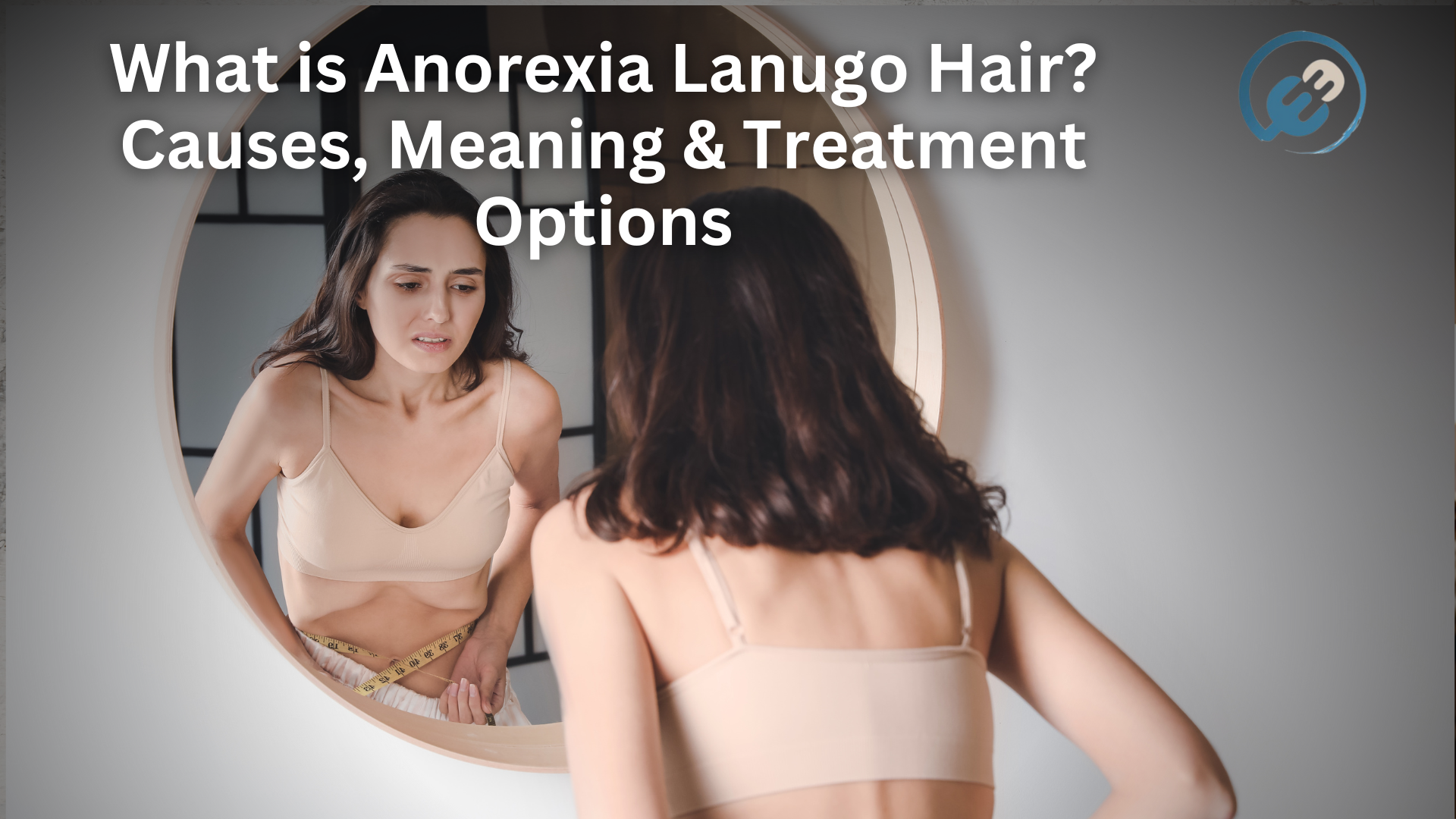
You might not have words for what you’re going through right now. Maybe you’re just noticing something that feels… off. Delicate, soft hairs appear where they didn’t used to be — along your arms, cheeks, maybe your back. Maybe you googled it late at night, your heart pounding, and you’re unsure what it meant, but you’re afraid it might confirm something you’ve been trying not to face.
This type of hair is called lanugo, and yes — it can be connected to anorexia. But let’s pause right there.
This article isn’t here to scare you; it’s here to help you understand what your body might be trying to say — and how that message, as strange or frightening as it might feel, is rooted in your body’s attempt to protect you. To keep you alive. To stay warm when warmth felt unavailable in other ways.
Lanugo hair can emerge when the body is in prolonged starvation. But the story doesn’t start — or end — with food. It’s tied to deeper patterns: trying to feel safe, in control, and quiet overwhelming feelings. And it deserves to be understood with compassion.
In the sections, we’ll explore the biological reasons lanugo hair appears, the emotional layers beneath it, and how healing can — and does — happen. This isn’t about fixing you. It’s about listening more deeply.
If you’re starting to wonder about your relationship with food, control, and how you feel in your body, you’re not alone.
🌱 curious about your food story? Take our free quiz—it’s gentle, insightful, and a safe first step.
What Is Lanugo Hair and Why Does It Grow During Anorexia?

Imagine this: your body, deprived of warmth, energy, and nourishment, starts whispering through ancient survival instincts. One of those whispers? A fine, soft coat of hair — lanugo — growing in places it never did before.
What Is Lanugo Hair?
Lanugo is a downy, almost translucent hair that typically covers a fetus in the womb. It’s the body’s first attempt to retain warmth before the development of insulating fat. In most infants, lanugo disappears before birth or shortly after.
But in adolescents or adults — particularly those struggling with anorexia nervosa or severe calorie restriction — lanugo can reappear. And while it might seem alarming, it’s not a sign of failure. It shows how hard your body is working to keep you alive.
Why Does the Body Grow Lanugo During Starvation?
When your body senses extreme energy deprivation, it switches into conservation mode. Body fat—a key insulator—disappears, and temperature regulation falters. In response, your body revives a deeply embedded blueprint: grow lanugo to keep warm.
This isn’t vanity. This isn’t punishment. This is survival.
Here’s what typically triggers lanugo in anorexia:
- Severe weight loss or low body fat percentage
- Metabolic slowdown as the body prioritizes vital organs
- Hormonal changes impacting skin, hair, and thermoregulation
- Core body temperature drops, signaling the body to self-insulate
🧠 One study from the Journal of Adolescent Health found that up to 70% of adolescents hospitalized for anorexia showed signs of lanugo hair development (Golden et al., 2003).
The Nervous System’s Role
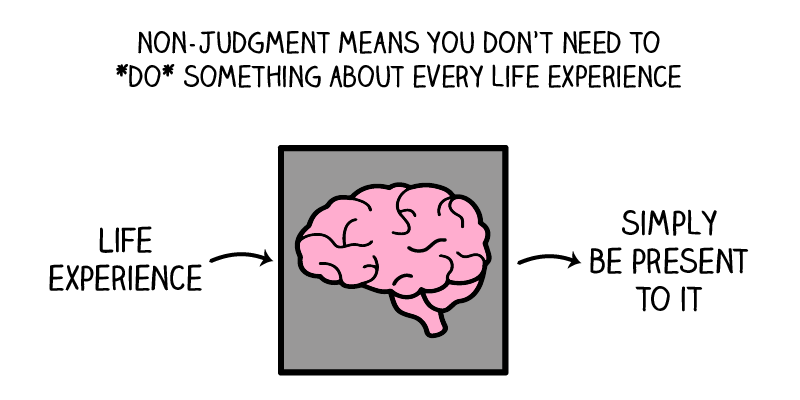
Although we often think of anorexia as a “mental illness,” its roots and expressions are deeply somatic. When the nervous system goes into a freeze or shutdown state, as it often does during long periods of stress, trauma, or deprivation, the body adapts. Lanugo may be part of that adaptation — a nonverbal signal of dysregulation and need.
This isn’t just about food. It’s about felt safety, about the body doing what it must when nourishment, rest, or connection feel out of reach.
The Deeper Meaning of Lanugo Hair — What Your Body Might Be Trying to Say
You notice the hair first — maybe in the mirror, on your arm, or brushing against your cheek under the bathroom light. For a moment, it doesn’t make sense. And then… perhaps it does.
And that realization can hit like shame.
But here’s what I want to say: this hair is not your body failing. It is your body protecting you — the best way it knows how.
What if Lanugo Is a Love Letter from Your Body?
I know that might sound strange. But lanugo, in all its soft, silvery presence, is a sign of how hard your body is trying to keep you alive. When warmth and nourishment feel scarce — whether because of food restriction or emotional overwhelm — your body doesn’t give up. It adapts.
And sometimes, that adaptation looks like a whisper across your skin.
Lanugo hair may be your body’s way of saying:
- “I’m cold and doing my best to stay warm.”
- “Something is missing, and I don’t know how to ask for help.”
- “I’m still here, even if you feel far away.”
The Emotional Landscape Behind the Hair
Many people who develop anorexia — especially in adolescence — describe a confusing emotional storm leading up to it. Not always a significant trauma. Sometimes, it’s the quiet kind, the kind that builds over time.
- There is pressure to be good, perfect, and quiet.
- A fear of taking up too much space — emotionally or physically.
- A sense that no one ever really asked, “How are you… really?”
When those feelings pile up without a safe place to land, control over food can become a lifeline. It offers order, predictability, and a strange kind of safety — even as the body begins to suffer.
And lanugo hair? It often appears in the middle of this paradox. A signal that the body is struggling, even as the mind is trying so hard to hold things together.
“Restrictive eating is not just about food — it’s often about regulation, safety, and a desire to disappear.” — Golden et al., 2003
A Quiet Childhood Story (Causal Vignette)
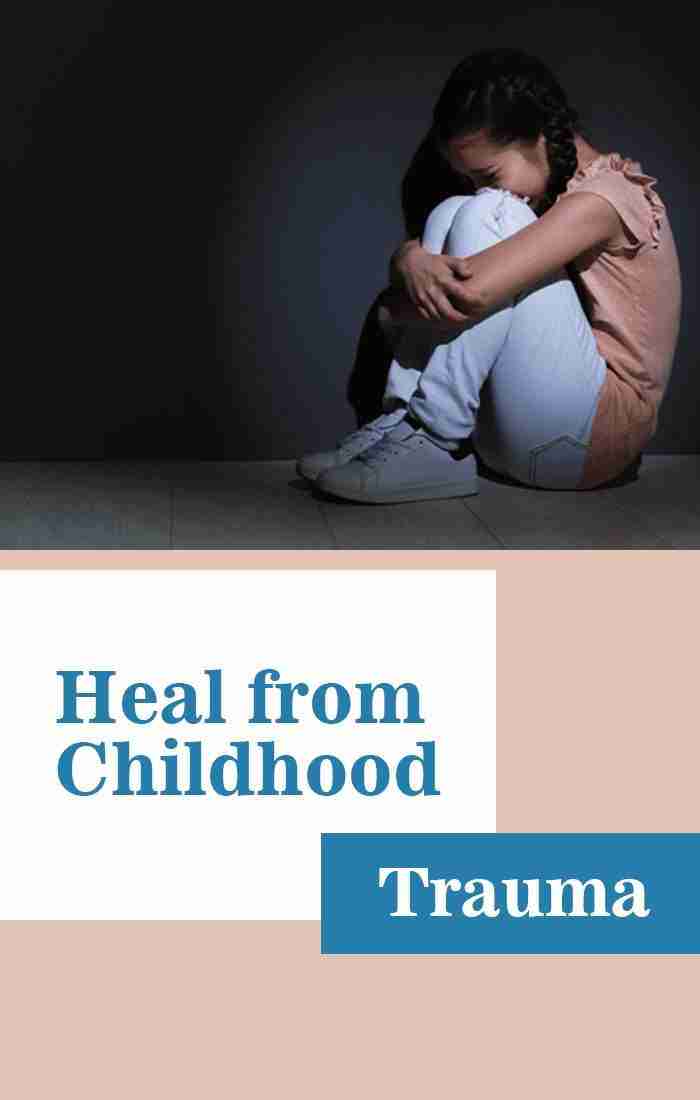
Let’s imagine someone — we’ll call her Mira. From a young age, Mira was the “easy” one. Never cried too loud. She always cleaned her plate. But underneath, she felt like a ghost in her home — emotionally unseen, praised only for being small, quiet, and self-sufficient.
By age 14, Mira discovers that skipping lunch makes her feel in control. Her friends compliment her. Her parents don’t notice. As weeks turn into months, her weight drops — and then one day, she notices the soft hairs on her arms.
She hides them. She’s ashamed. But they are the only part of her trying to stay warm. She doesn’t know that her body is speaking the truth her voice never got to.
This isn’t just Mira’s story. It might be yours. Or a part of yours.
You’re Not Broken — You’re Responding Intelligently
This is the heart of the Eating Enlightenment worldview: symptoms are not random. They are adaptations. They emerged when other ways of coping weren’t available. And they can gently shift — not through pressure or fixing — but through more profound understanding, nervous system safety, and relational support.