


Sometimes, your heart tries to protect you in ways that seem confusing — even frightening.
You go to the doctor. They take your pulse. And then they look up with concern: “Your heart rate is very low.”
You hear a word you may not have expected: bradycardia.
For those living with anorexia, bradycardia — a slow heart rate — isn’t uncommon. But it can be deeply unsettling. You might feel okay on the surface, even high-functioning. So how can your heart be struggling?
This article is here to gently explain what anorexia bradycardia is, why it happens, and how healing — physical, emotional, and nervous system-based — can begin. You’ll learn that your body is not failing you. It’s doing the best it can in a state of depletion.
And there is a path forward. One that includes gentle nourishment, nervous system repair, and support that honors the complexity of your experience.
What is Anorexia Bradycardia? A Survival Response, Not a Defect

Bradycardia simply means a heart rate below 60 beats per minute. In athletes, it can be normal. But in the context of anorexia nervosa, it’s often a signal of something else: the body conserving energy in response to prolonged starvation.
When the body doesn’t get enough calories for a long time, it enters a protective mode. It slows down all non-essential systems — including your heartbeat. This is not weakness. It’s adaptation.
Think of it like this:
- Your body is a wise system.
- When it’s not getting fuel, it starts preserving the essentials.
- Your heart rate drops to keep you alive.
But prolonged bradycardia can become dangerous. According to the Journal of Adolescent Health, adolescents with anorexia frequently present with resting heart rates under 50 bpm, sometimes dipping below 40 — especially during sleep (Golden et al., 2003).
It’s not just physical. This slowing reflects emotional and nervous system shutdown. A freeze state. A quiet plea for help — not always dramatic, but deeply real.
Signs and Symptoms of Anorexia-Induced Bradycardia
Many people don’t feel their heart slowing — and that’s part of the danger. Bradycardia often flies under the radar. But your body might still be sending signals:
- Lightheadedness or feeling faint when standing up
- Cold hands and feet
- Fatigue, even after resting
- Exercise intolerance
- Chest discomfort or irregular heartbeat
- Shortness of breath
Sometimes, there are no clear symptoms. And because many with anorexia are used to ignoring bodily cues, it’s easy to miss these signs.
This is why medical monitoring is essential, especially in early recovery. A slowed heartbeat isn’t always a crisis — but it is a message. One that deserves attention.
The Nervous System Behind the Slow Heartbeat
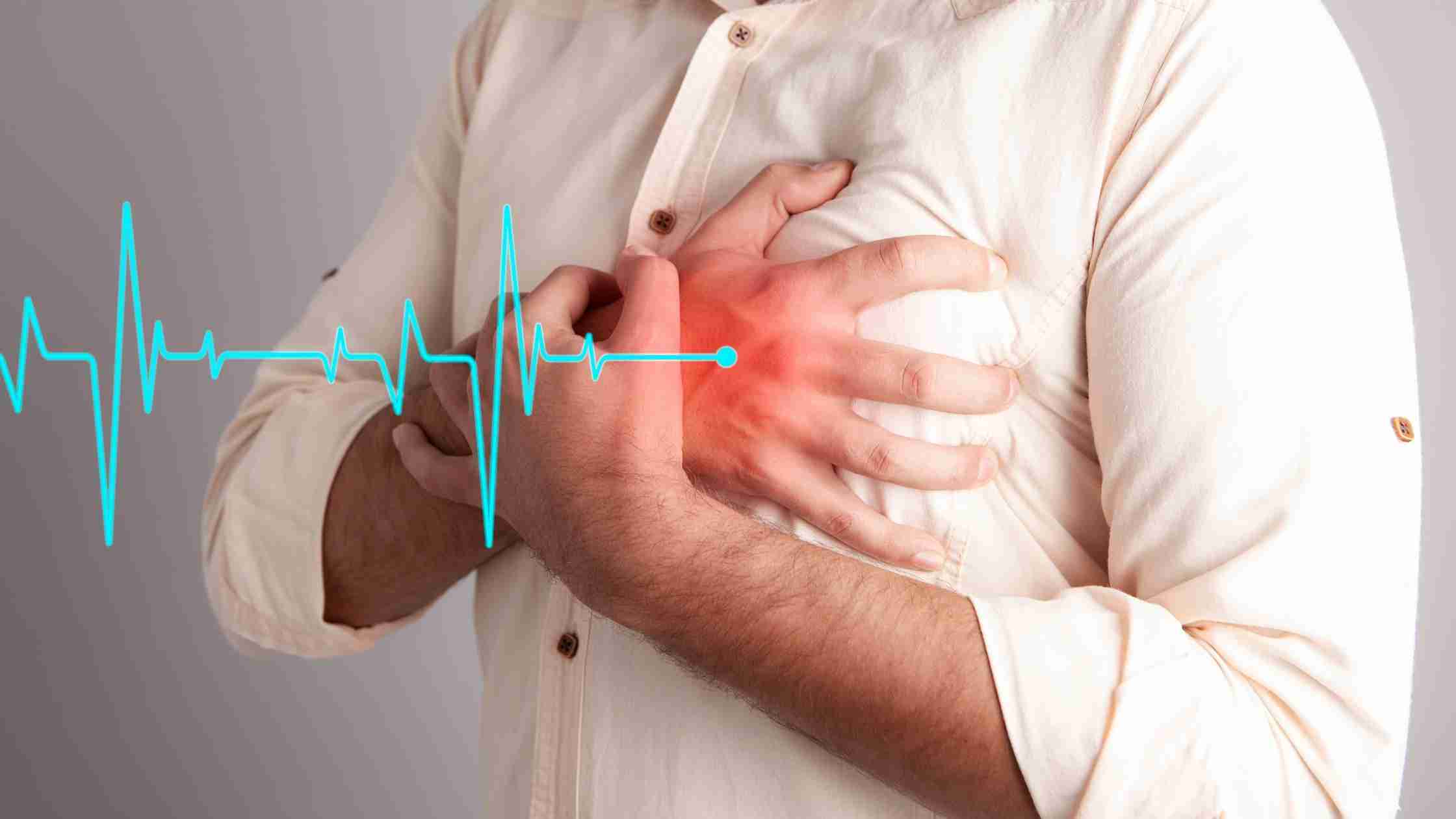
Let’s pause here.
This isn’t just about the heart. It’s about the whole nervous system. When we live in a state of restriction, perfectionism, or emotional overload, our bodies often enter a kind of freeze — a survival mode where everything slows down.
Bradycardia can be one expression of this freeze.
- You stop feeling hunger.
- You stop feeling joy.
- You feel flat, but “fine.”
- And your heartbeat slows to match.
This isn’t because you’re broken. It’s because your system adapted to stress in the only way it knew how.
But recovery is possible. And it doesn’t start by pushing harder. It starts by listening.
Medical Risks of Untreated Bradycardia in Anorexia
While bradycardia is an adaptive response, it can have serious complications if left untreated, including:
- Heart failure
- Low blood pressure
- Electrolyte imbalances
- Sudden cardiac arrest, especially in sleep
- Syncope (fainting) and increased fall risk
The American Heart Association notes that individuals with eating disorders face a 5–10x higher risk of sudden cardiac death than the general population.
But here’s the key: risk doesn’t mean hopelessness. It means paying attention. Gentle nourishment and supervised refeeding can reverse these patterns over time.
How Recovery Restores the Heart’s Natural Rhythm

The heart is resilient. With proper care, its rhythm can return — not just physically, but emotionally.
Here’s how healing often unfolds:
- Medical Stabilization
- Inpatient or outpatient monitoring
- Gradual nutritional repletion
- Electrolyte and hydration balance
- Nervous System Repair
- Restoring safety through co-regulation
- Sleep hygiene, soft movement, and warm foods
- Rebuilding trust in your body’s cues
- Emotional Support
- Therapy to explore the roots of disconnection
- Support groups or trauma-informed coaching
- Naming shame, grief, and isolation — and letting them soften
- Practical Rhythm Recovery
- Scheduled meals with support
- Journaling and awareness of body rhythms
- Relearning rest and activation — one gentle step at a time
Need daily reminders and grounding support? Try our Mindful Meal Journal App, designed to help you track meals, emotions, and nervous system patterns — with compassion.
Talking to Your Doctor: Questions to Ask About Bradycardia
If you’re worried about your heart rate — or just unsure — here are some gentle questions you can bring to your provider:
- “What’s my current resting heart rate?”
- “Is my heart rate concerning in my context?”
- “Would you recommend an EKG or labs?”
- “Can you help me understand what my body is doing right now?”
- “Is there a way to monitor this that feels safe and not overwhelming?”
Remember, you deserve care — not judgment.
Want to build trust with a compassionate guide? Learn more about our Eating Enlightenment Coaching, a space for personalized support rooted in whole-person healing.
Hope Is Rhythmic: Your Heart Can Heal

Bradycardia can feel scary. But it’s not a sentence. It’s a sign.
A sign that your body is still trying. That your heart, even when slowed, still beats for you.
You don’t have to go faster. You don’t have to perform. You can slow down — with intention, not depletion.
And in that slowing, you might hear something new:
A whisper of life. A pulse of hope. The gentle beginning of healing.