


It starts with something that feels good. Running clears your mind, yoga grounds your body, and lifting weights builds confidence.
But slowly, sometimes without realizing, it shifts. Movement becomes a mandate. Skipping a workout feels like failure. Soreness is ignored. Rest becomes weakness.
And deep underneath? A quiet panic: If I stop moving, I’ll fall apart.
This is the hidden heart of anorexia athletica.
In this article, we’ll explore what anorexia athletica really is—including how it often goes undiagnosed, the physical and emotional toll it takes, and how recovery starts not with stopping movement, but with restoring trust in your body.
Curious about your relationship with control, food, or movement? Our free quiz offers gentle insight—and a soft next step.
What Is Anorexia Athletica? Understanding the Term
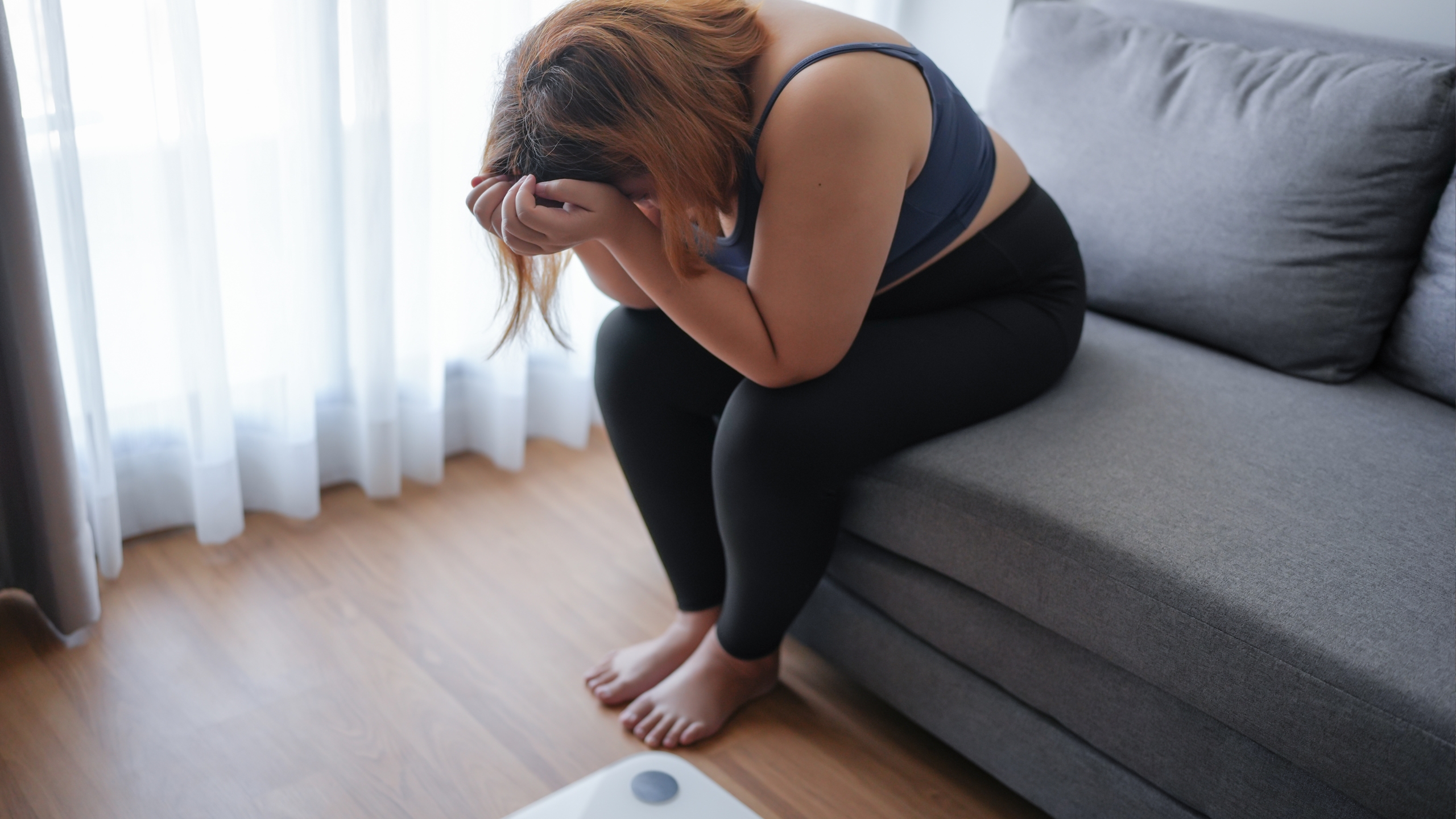
Anorexia athletica—also known as compulsive exercise disorder or hypergymnasia—is not currently listed as a standalone diagnosis in the DSM-5. But it’s recognized by clinicians as a disordered relationship with exercise marked by:
- Obsession with performance, weight, or physique
- Exercising despite pain or injury
- Anxiety or guilt when rest is taken
- Exercise used to justify eating or “burn off” calories
- Social, work, or emotional life disrupted by training
While it often overlaps with anorexia nervosa or orthorexia, anorexia athletica uniquely centers movement as the primary form of self-worth and emotional regulation.
According to research published in the Journal of Eating Disorders, approximately 39–48% of individuals with eating disorders also engage in compulsive exercise (Meyer et al., 2021).
Signs of Anorexia Athletica: When Discipline Becomes Distress
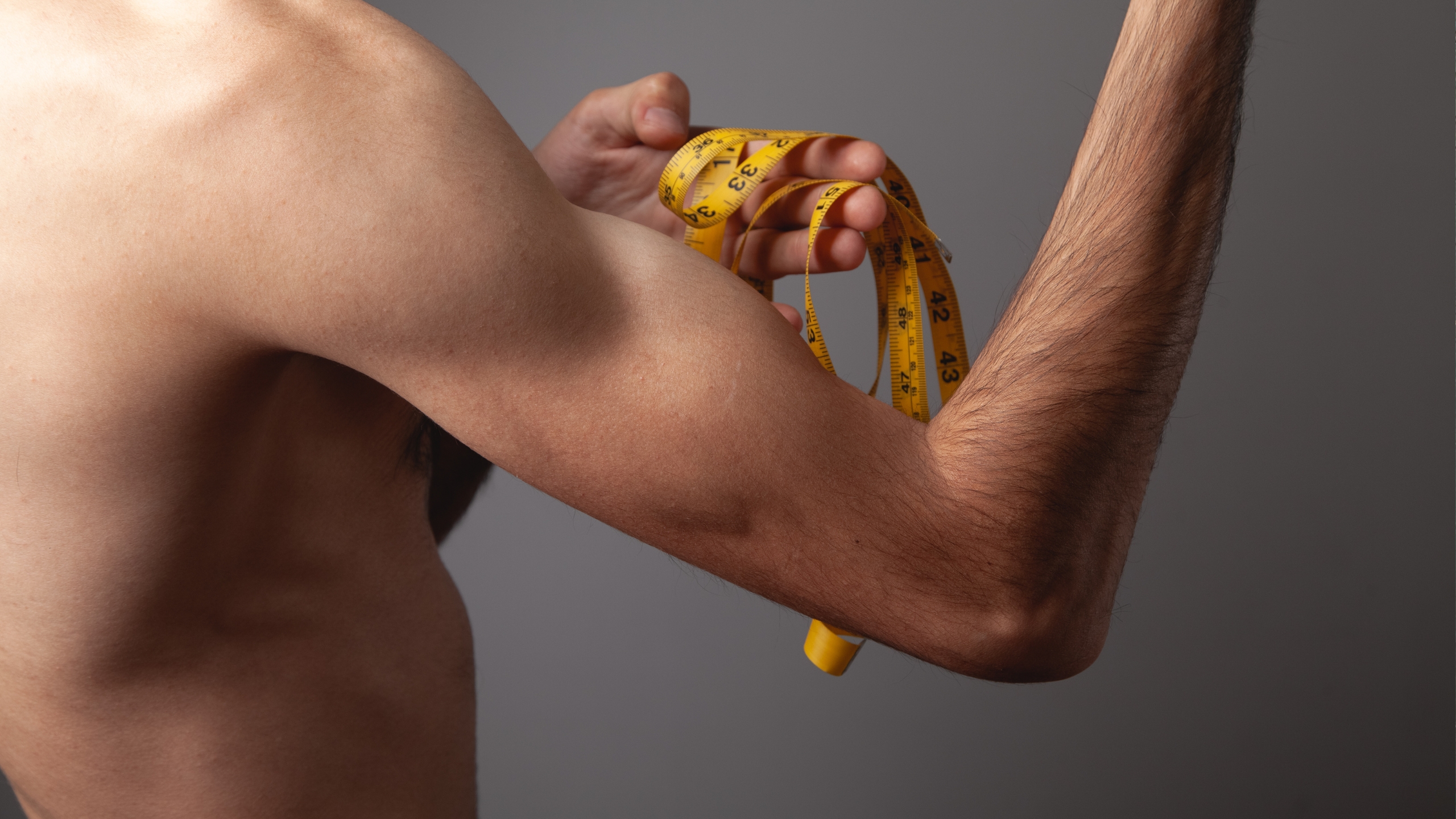
It can be hard to recognize anorexia athletica because culturally, we reward it.
Phrases like:
- “No days off”
- “Pain is weakness leaving the body”
- “You’ll never regret a workout”
…are so normalized, they mask red flags.
Here are signs that exercise may have shifted from healthy to harmful:
Physical signs:
- Frequent injuries or stress fractures
- Fatigue despite adequate sleep
- Missed menstrual periods (for those assigned female at birth)
- Poor immune function
- Weight loss beyond what’s needed for health or performance
Emotional/behavioral signs:
- Guilt or shame on rest days
- Canceling plans to work out
- Exercising when sick or hurt
- Rigid routines (e.g., “If I don’t do 90 minutes, it doesn’t count”)
- Anxiety spikes when movement is skipped
If you’re unsure whether your routine is helping or harming, this question may help:
“If I couldn’t work out for a week, how would I feel about myself?”
The deeper the distress, the more likely the exercise has become a coping strategy, not a choice.
Why Does Anorexia Athletica Happen? Exploring Root Causes

Anorexia athletica isn’t about vanity. It’s about belonging, safety, and identity.
Internal Drivers
- Shame: “I’m only okay if I push harder.”
- Perfectionism: “If I stop, I’ll fall behind.”
- Fear of stillness: “If I rest, the emotions will catch up.”
- Control: “Exercise is the one thing I can manage.”
Nervous System Patterns
For many, the body enters a fight-or-flight state—a buzz of constant motion, tension, and hypervigilance. Movement temporarily soothes the chaos, but without proper rest or co-regulation, it only deepens the exhaustion.
Cultural Conditioning
We live in a world that equates thinness with health, productivity with virtue, and athleticism with worth. Add to that:
- Social media’s “fitspiration”
- Coaches or parents praising overwork
- Industries that profit from body insecurity
…and the result is a system that praises pain and pathologizes rest.
Long-Term Dangers of Anorexia Athletica: The Hidden Costs
While the short-term rewards may include praise, endorphins, or a sense of control, the long-term risks are serious.
Medical risks include:
- RED-S (Relative Energy Deficiency in Sport)
- Osteoporosis
- Amenorrhea (loss of menstruation)
- Heart irregularities
- Weakened immune system
- Depression and anxiety
Many of these effects are silent—until they’re not. What looks like discipline on the outside can be deterioration on the inside.
And emotionally? The cost is often a loss of joy, spontaneity, and connection. Life becomes lived between workouts, not within them.
A Story of Unraveling: When Exercise Became the Only Way to Feel Okay
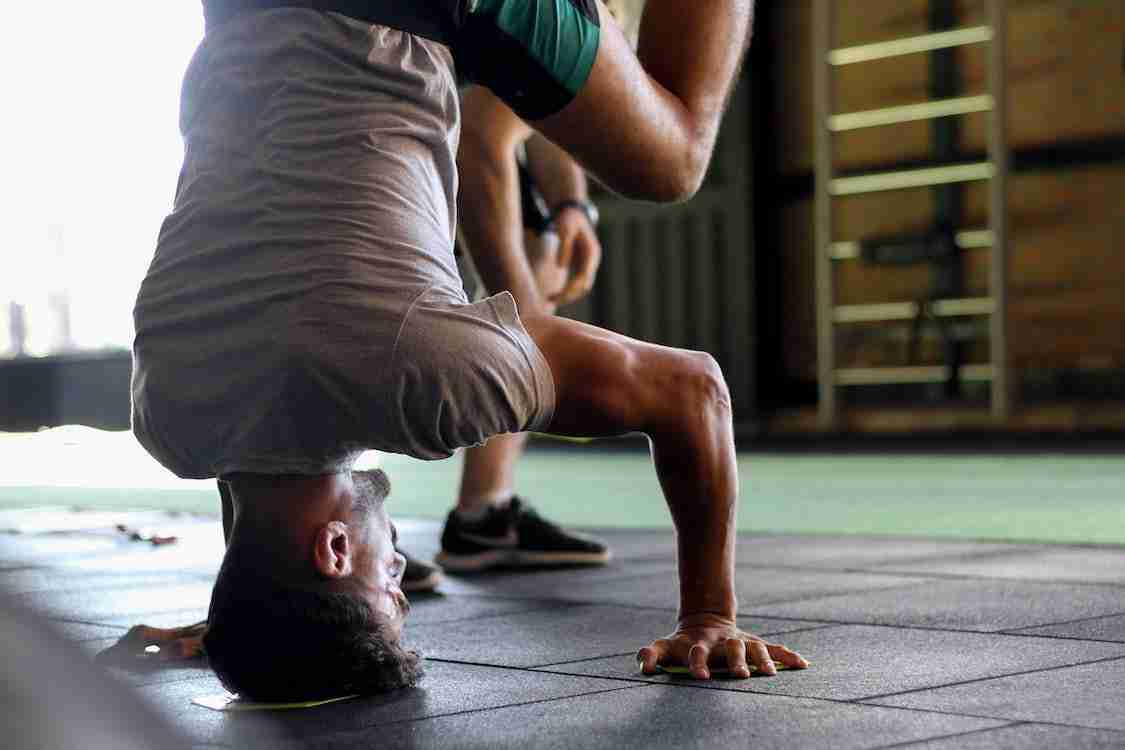
Lena was a collegiate runner. At first, training was exhilarating. She loved the sweat, the goals, the community.
But after a breakup and a family loss, she began doubling and then tripling her runs, eating less and sleeping less, but running more.
She said, “It was the only time I felt nothing. I couldn’t cry, but I could run.”
Her period stopped. Her hair thinned. Friends pulled away. But she didn’t notice—until an injury forced her to stop. That’s when the panic hit.
Recovery wasn’t linear, but with support, Lena began exploring what she was really running from and toward.
This is how it often begins. Not with an eating disorder. But with pain that finds relief in motion—until motion becomes a prison.
Healing from Anorexia Athletica: A Return to Trust, Not Just Rest
Recovery doesn’t mean you have to give up movement forever. It means changing your relationship with it.
Gentle steps may include:
- Working with a therapist trained in eating and movement disorders
- Taking scheduled rest days—even if it feels scary
- Noticing urges to move as messages, not mandates
- Reintroducing joyful movement (e.g., dancing, walking)
- Challenging beliefs around weight, worth, and control
- Using a mindful journaling app to track patterns of stress, guilt, and choice
Our coaching team can help you explore these shifts in a deeply personalized, non-judgmental way. When you’re ready, we’re here.
Is It Okay to Still Love Movement? Yes—But Let It Love You Back

Exercise can be sacred. Healing. Energizing.
But if it’s fueled by fear, shame, or punishment, it’s not love. It’s survival.
The goal is not to remove movement from your life. It’s to reclaim it as something that nourishes, not depletes. Something you do with your body, not to it.
Conclusion: You Are More Than What You Can Do
Anorexia athletica hides in plain sight—often praised by others, even as it drains the soul of the one living it.
If movement has become your only way to feel worthy, safe, or in control… it might be time to ask: What am I running from?
You deserve more than burnout. You deserve a body that can rest, a life that can hold stillness, and a self that knows love even when it’s not in motion.
Explore your story with our free quiz. Or begin gently rebuilding your relationship with your body using our mindful meal and movement journal.
And if you need a guide on this journey, our coaching team offers support rooted in compassion and wisdom.