


Maybe you’ve binged again.
Or spent another night obsessing over food, body, control.
You’ve read the books, tried the affirmations, even seen a therapist—
but something still feels missing.
Not because you’re failing.
But because you’re human. And healing isn’t a solo path.
If what you long for is someone to walk beside you—someone who “gets it” and helps you apply what you’ve learned in real life—a recovery coach might be what you need.
This article will guide you through:
- What an eating disorder recovery coach really does
- How they differ from therapists or dietitians
- Whether they might be right for you
- And how to find someone trustworthy and compassionate in 2025
💡 Want to gently explore your own food story first? Take our free quiz to begin your reflection.
What Is an Eating Disorder Recovery Coach?

An eating disorder recovery coach is a trained professional who supports individuals navigating the emotional, practical, and relational aspects of eating disorder recovery.
They’re not here to fix you. They’re not here to prescribe a plan.
They’re here to help you practice healing in real time—whether you’re recovering from binge eating, anorexia, orthorexia, emotional eating, or chronic dieting.
What a Recovery Coach Does:
- Supports you between therapy sessions
- Helps you identify and disrupt binge/purge/restrict cycles
- Offers shame-free meal support and coping strategies
- Helps you integrate somatic and emotional awareness into daily life
- Provides co-regulation when your nervous system is activated
What They Don’t Do:
- Diagnose mental health conditions
- Offer medical advice or meal plans (unless also a licensed dietitian)
- Replace therapy for trauma, PTSD, or mood disorders
A coach is like a flashlight when you’re lost in the dark—offering presence, not pressure. Support, not shame.
When Might a Recovery Coach Be the Right Fit?
If you’ve ever said:
- “I know what I should do… but I can’t seem to do it.”
- “I just want someone to be with me after a binge, not analyze it.”
- “Therapy is helpful—but I need more hands-on, day-to-day guidance.”
…then a recovery coach may be exactly the bridge you’ve been missing.
Coaching works beautifully if:
- You’re working with a therapist and need more daily structure
- You’re in early recovery and overwhelmed by triggers
- You’re out of formal treatment and need ongoing support
- You simply want to build trust with food and your body, gently
📘 If you’re looking to understand your patterns and learn step-by-step tools, check out our Enlighten Eats Course—rooted in trauma-informed, non-diet wisdom.
Coaching vs. Therapy: What’s the Difference?
While therapists help you process the why, coaches support you in the how.
Here’s a comparison:
| Therapist | Recovery Coach | |
|---|---|---|
| Focus | Past trauma, diagnoses, deep emotional wounds | Present moment support, daily food/body work |
| Credentials | Licensed mental health professionals | Trained/certified in ED recovery coaching |
| Structure | Weekly or biweekly sessions | Can be more frequent, text-based, or in real-time |
| Best for | PTSD, severe depression, mental health diagnosis | Emotional eating, support with meals, integration |
| Tools | CBT, DBT, EMDR, etc. | Nervous system support, exposure work, real-world guidance |
💬 Want a blend of real-life support and deeper insight? Many of our clients pair therapy with our coaching program for full-spectrum care.
A Day in the Life: What Coaching Actually Looks Like
Let’s make it real.
You’ve skipped lunch. You’re spiraling into a restrict-then-binge pattern. You text your coach:
“I feel out of control. I want to eat everything in sight.”
They respond:
“Let’s take one breath together. You are not alone. Can we plan your next bite together—not as punishment, but as nourishment?”
Maybe they help you prep a snack. Maybe they talk you through the shame. Maybe they just sit with you, virtually or in person, while you eat. No judgment. Just kindness.
That’s what recovery coaching can look like.
It’s not perfect. It’s not clinical.
It’s real, raw, relational healing.
📓 Want to track your food and feelings safely? Try our Mindful Meal Journal App for a supportive reflection space.
The Nervous System and Why Coaching Works
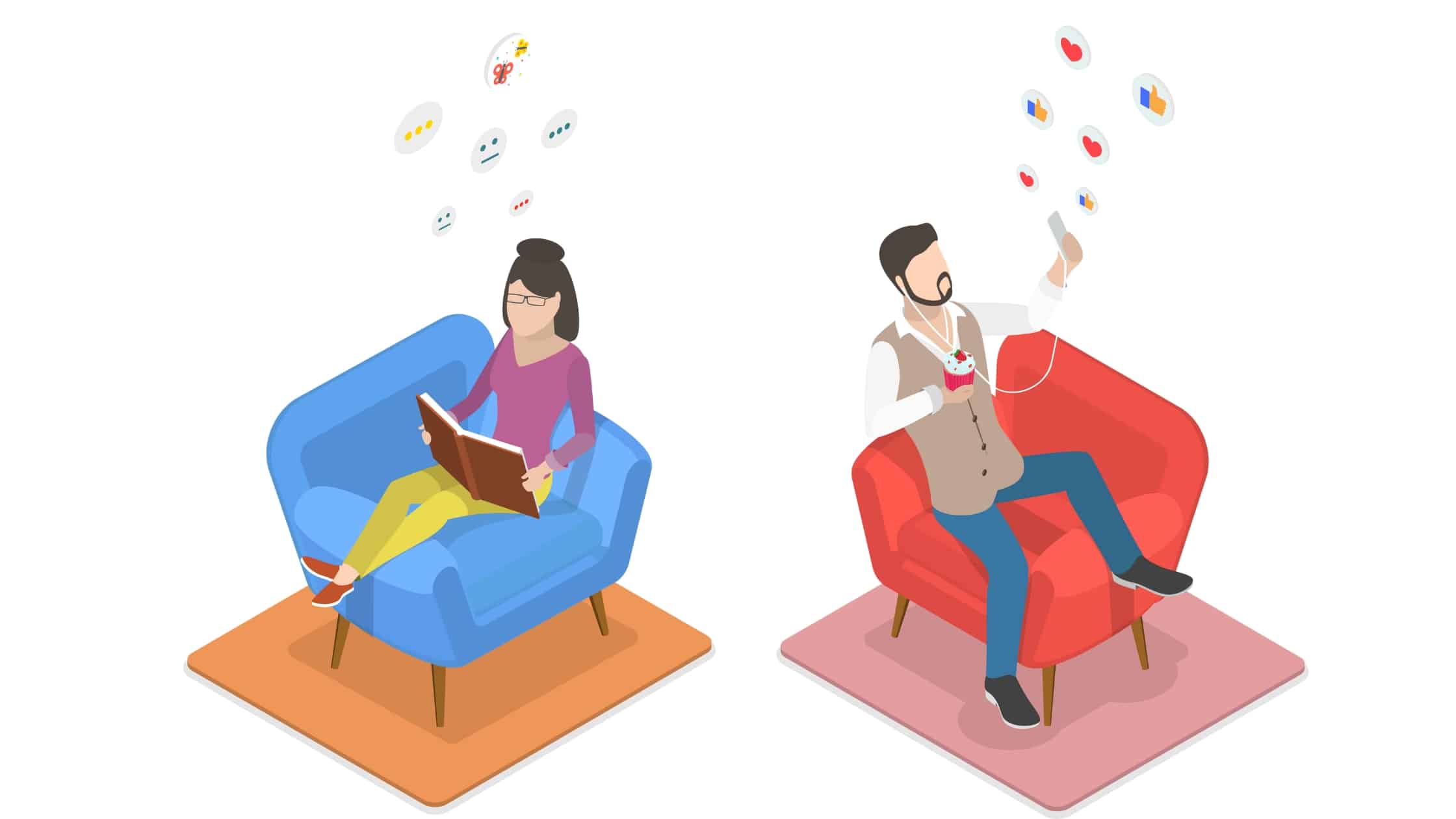
When we binge, restrict, or obsess over food, our nervous system often isn’t regulated.
We might be in:
- Freeze: Numb, checked out, using food to feel something
- Fight/Flight: Controlling, overexercising, or spiraling
- Fawn: People-pleasing, ignoring hunger, “performing recovery”
A coach can gently co-regulate with you—slowing your breath, helping you name what’s happening, and restoring safety.
This is not willpower. It’s nervous system repair.
As Dr. Stephen Porges’ work suggests, healing begins when the social nervous system feels safe enough to connect. Coaches help us get there.
How to Find the Right Recovery Coach
The right coach will make you feel:
- Heard—not rushed
- Seen—not sized up
- Supported—not scrutinized
Where to Look:
- Eating Enlightenment Coaching
- IFEDD Directory
- Recovery Coach Academy
- Referrals from therapists, dietitians, or support groups
Questions to Ask:
- “What’s your training and experience with eating disorders?”
- “What’s your philosophy on food, body, and recovery?”
- “Do you use weight-neutral, non-diet approaches?”
- “How do you support nervous system regulation?”
You’re not being picky. You’re choosing safe, attuned care.
You’re Allowed to Want More Support

Maybe you’re still struggling after therapy.
Maybe you’re newly diagnosed and overwhelmed.
Maybe you’re years into recovery and still feel… lonely.
Wherever you are: you deserve support that’s relational, consistent, and kind.
An eating disorder recovery coach doesn’t promise overnight fixes.
They promise presence. Practice. Patience.
And that, sometimes, is what healing actually needs.
Gentle Next Steps
- ✨ Take the food story quiz for personalized insight
- 📘 Enroll in the Enlighten Eats Course for a self-paced, trauma-informed path
- 📓 Start reflecting with our Mindful Meal Journal App
- 🤝 Meet a Coach and get support right where you are