


There’s a quiet moment many people with anorexia know too well: you’re lying in bed, curled inward, and you suddenly notice your heart is… off. Maybe it’s slower than usual. Maybe it skips. Maybe it aches—not in the emotional sense (though that, too), but with a strange, physical tightness. You tell yourself not to worry. You’ve been told you’re “strong,” “disciplined.” But inside, a whisper persists: Something’s not right.
That whisper deserves to be heard.
Anorexia nervosa doesn’t only affect how we eat or see ourselves—it can cause profound harm to the body, especially the heart. And while the emotional pain is often visible, the cardiac damage is hidden, silent, and tragically under-acknowledged. This guide offers a gentle, evidence-informed look at how anorexia affects heart health—so you can understand what’s really happening and why your body, even in its struggles, is trying to protect you.
Curious about your relationship with food? Our free quiz can offer some gentle insight.
How Anorexia Impacts the Heart: A Hidden Medical Crisis

Anorexia is often praised—wrongly—for its “discipline” and “self-control.” But underneath, the body is quietly breaking down. One of the most serious and life-threatening consequences of anorexia is cardiac involvement.
When the body is severely undernourished, the heart—like any muscle—begins to atrophy. It physically shrinks. The rhythm may become irregular. Blood pressure drops. Electrolytes become imbalanced, which can lead to fatal arrhythmias. Tragically, sudden cardiac arrest is one of the leading causes of death in individuals with anorexia nervosa【APA, 2020】.
Despite this, many people with anorexia appear “normal” on the outside. Their blood work may be “in range.” They might even continue exercising. This makes it easy for both loved ones and doctors to miss the warning signs—especially in people who don’t fit the stereotypical image of emaciation.
Common heart-related conditions include:
- Bradycardia: dangerously slow heart rate
- Hypotension: abnormally low blood pressure
- Prolonged QT interval: increased risk of sudden cardiac arrest
- Electrolyte disturbances: especially low potassium or magnesium
If you’ve been living in survival mode, none of this is your fault. But your body may be sending you signals that it’s time to slow down—and listen.
The Body’s Survival Response: Why the Heart Slows Down
When food is scarce, the body doesn’t panic—it adapts.
In the face of prolonged restriction, your body enters a kind of energy conservation mode. The nervous system pulls inward. Heart rate slows. Blood pressure drops. Digestion halts. Libido fades. The body is conserving every possible calorie for survival.
On the outside, this may look like:
- Constant coldness, especially hands and feet
- Feeling dizzy when standing
- Low energy or emotional flatness
- Trouble concentrating
- Loss of menstrual cycle
And inside? It’s a deep freeze. A kind of shutting down that mirrors emotional patterns many people with anorexia experience—feeling numb, disconnected, or like a “ghost” in their own life.
This isn’t laziness or failure. It’s a brilliant adaptation. The same heart that’s slowing down is also trying to keep you alive. It’s been your ally all along.
Signs of Cardiac Distress You Shouldn’t Ignore

It’s common to overlook heart symptoms when living with anorexia. Many people have learned to ignore discomfort. But tuning in can be life-saving.
Pay attention to these signs:
- 🫀 Chest pain or tightness
- 💓 Irregular heartbeat (palpitations, fluttering)
- 🌀 Dizziness or fainting
- 😮💨 Shortness of breath with minimal exertion
- 👐 Swelling in hands, ankles, or feet
You don’t need to wait until symptoms are severe. If something feels “off,” it matters. Even if you’re unsure whether it’s “real” enough to tell someone—please know that it is.
You deserve medical attention. You deserve care that treats your heart—both physically and emotionally—with gentleness.
Emotional Heartbreak and Eating Disorders: What’s the Connection?
The heart doesn’t just pump blood. It carries memory. Longing. Grief. Anorexia often forms in response to an early, unspoken heartbreak.
Maybe your home was chaotic or emotionally distant. Maybe food became the only place where you could assert control, find safety, or disappear. Maybe you grew up believing your worth depended on being thin, quiet, or perfect.
The connection between eating disorders and emotional wounding runs deep. Clients often describe feeling:
- Too much: too emotional, too needy, too loud
- Not enough: never thin enough, never lovable enough
- Ashamed: of hunger, of desires, of imperfection
Imagine a girl whose parent punished emotional expression. She learns that silence = safety. That restriction = praise. Over time, these patterns shape not just her mind, but her nervous system—and yes, her heart.
Medical Risks and Long-Term Damage to the Heart
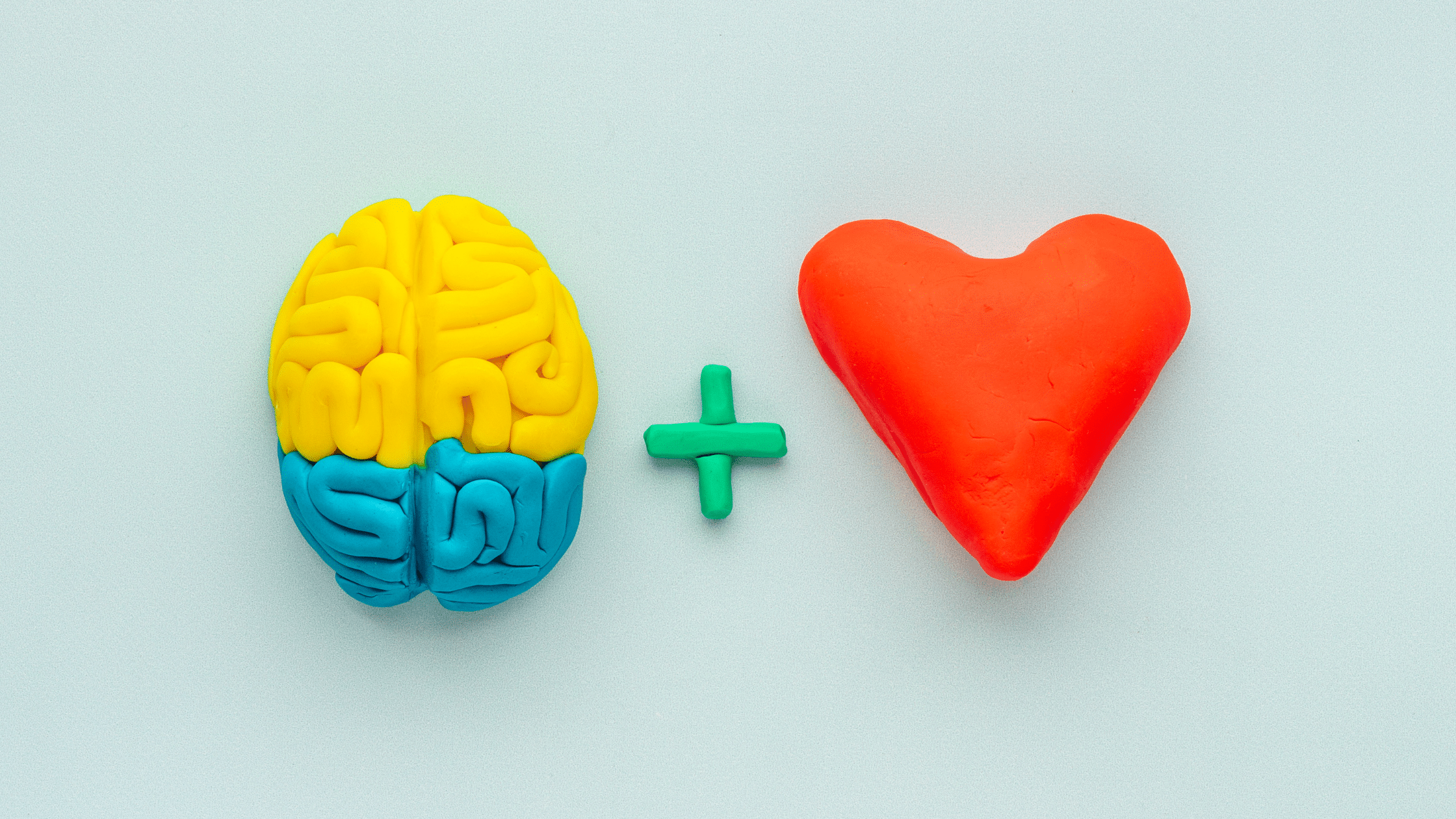
Ignoring the cardiac impacts of anorexia can be dangerous. The longer restriction continues, the greater the chance of irreversible harm.
According to the National Eating Disorders Association (NEDA), up to 80% of people with anorexia will develop some form of cardiac abnormality. Long-term risks include:
- Cardiac muscle atrophy
- Heart failure due to weakened contraction
- Permanent arrhythmias
- Sudden cardiac death
Even in recovery, there are risks—especially if refeeding happens too quickly. Refeeding syndrome, a condition where electrolyte shifts can stress the heart, requires careful medical oversight.
Healing happens in stages. And your heart needs both medical monitoring and emotional support.
If you’re navigating recovery, our free journaling app can help you track gentle meals and emotional patterns.
Healing the Heart: Physical, Emotional, and Relational Recovery
Recovery is not just about eating more—it’s about being held, seen, and nourished across all layers of your experience.
Medical support might include:
- EKGs and cardiac monitoring
- Regular labs for electrolytes
- Restoring nutrition slowly, with guidance
Emotional healing often involves:
- Letting go of perfectionism
- Feeling safe enough to feel
- Learning to co-regulate with a therapist, friend, or coach
Your body is not a battlefield. And your heart is not the enemy. It slowed down because it had to. But it’s never stopped longing for rhythm, connection, and breath.
Coaching can be a soft place to explore healing at your own pace. Learn more about our coaching offer.
Stories of Hope: When the Heart Begins to Beat Freely Again
Sophia was 27 when she collapsed at work. She’d been living in “high-functioning” anorexia for years. No one knew. After months in treatment, the thing she remembers most wasn’t the food—it was the first time she laughed so hard she cried. Her chest hurt, in the best way.
Recovery is not a straight line. But for many, the fog lifts. Hands warm. Sleep returns. The heartbeat evens. There is space again—for music, for love, for breath.
You don’t have to do this alone.
Want to learn the stages of recovery and how to make peace with food? Explore our Enlighten Eats course.
Conclusion: Your Heart Was Always Trying to Protect You
If your heart has felt tired lately—physically or emotionally—know this: it’s not your fault. It’s not weakness. It’s wisdom.
Your body adapted to pain in the best way it could. And now, if you’re ready, you can begin to move toward healing—slowly, gently, supported.
You are not broken. You are beating—still.
Feeling curious about your next step? Take our free quiz to reflect on your relationship with food and find insight.