


Pitting nails, characterized by small depressions on the nail surface, can be an indicator of underlying health issues, including vitamin deficiencies.
This condition not only affects the appearance of nails but can also signal more significant nutritional imbalances.
Understanding the causes of pitting nails is crucial, as it helps unveil connections to nutrient deficiencies that might otherwise go unnoticed. In your journey to better health, the Eating Enlightenment Food Journal App can be a supportive tool, helping you track cravings, manage emotional eating, and prevent binges.
You can make informed choices that nurture your overall well-being by gaining insights into your eating patterns.
Causes

As we mentioned, psoriasis is one of the most common causes. This is because psoriatic arthritis usually produces swelling and inflammation in the joints.
This can then lead to other symptoms, such as nail pitting.
Other conditions that can cause nail pitting include skin conditions like eczema or psoriasis, but there are also some non-skin conditions that can lead to this problem.
Vitamin c deficiency is also considered one of the most underlying cause behind pitting nails.
For example, certain vitamin deficiencies have been linked to nail pitting. Vitamin A and zinc are two essential nutrients for healthy nails. If you are not getting enough of these vitamins, it could lead to nail pitting.
What Causes Nail Pitting?
There are a number of different conditions that can cause nail pitting.
Psoriasis is the most common cause, but other conditions such as eczema, alopecia areata, and lichen planus can also lead to this condition.
In addition, certain medications, such as retinoids and antimalarials, can also cause nail pitting.
Vitamin deficiencies, such as a lack of vitamin A or zinc, have also been linked to nail pitting.
Can a vitamin deficiency cause nail pitting?
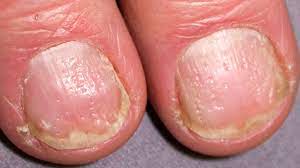
Some evidence suggests that vitamin deficiencies can also cause nail pitting.
One study found that a deficiency in vitamin B12 was associated with this condition.
Other vitamins such as biotin and vitamin D have also been suggested as possible causes of nail pitting, but more research is needed in this area.
B12 and nail pitting
Vitamin B12 is essential for the health of your nails.
A deficiency in this vitamin can lead to nail problems, including pitting.
If you think you may be deficient in vitamin B12, speak to your doctor about taking a supplement.
Can iron deficiency cause nail pitting?
Iron deficiency is another possible cause of nail pitting.
Iron is necessary for the production of collagen, which is a protein that helps to keep nails strong and healthy.
If you think you may be deficient in iron, speak to your doctor about taking a supplement.
It’s also quite essential to understand that , in some cases, nail pitting can be a sign of an underlying condition such as psoriasis.
If you have nail pitting and are concerned about it, speak to your doctor for more information.
Diagnosis
If you have nail pitting, your doctor will likely ask about your medical history and perform a physical exam.
They may also order blood tests to check for vitamin deficiencies or other conditions causing your nail pitting.
It’s also important to avoid self-diagnosis and self-treatment, as some conditions can cause similar symptoms.
Only a qualified healthcare professional can provide a diagnosis and recommend appropriate treatment. It’s also keep in mind nail disorders in mind while diagnosing.
Treatment

So how to treat nail pitting?
There is no specific treatment for nail pitting.
However, if your nail pitting is caused by an underlying condition such as psoriasis, treating the condition can help to improve the appearance of your nails.
In addition, taking supplements to correct vitamin deficiencies may also help to improve the health of your nails.
If you have nail pitting and are concerned about it, speak to your doctor for more information. They can help determine the cause and recommend the best course of treatment.
Possible causes of nail pitting include: Psoriasis, eczema, alopecia areata, lichen planus, certain medications such as retinoids and antimalarials, vitamin deficiencies.
Nail pitting can also indicate an underlying condition such as psoriasis.
If you have nail pitting and are concerned about it, speak to your doctor for more information. They can help to determine the cause and recommend the best course of treatment.
Treatment for nail pitting may include treating the underlying condition, taking supplements to correct vitamin deficiencies, and improving the health of your nails.
Pitted nails can be unsightly, but there are treatments available to help improve the appearance of your nails.
However, there are other nail appearance problems as well. Please read here to learn more about:
Home Remedies
There are also some home remedies that may help improve your nails’ appearance.
Some home remedies for nail pitting include: using a cuticle cream or oil, applying a base coat before painting your nails, and avoiding harsh chemicals.
And you can also try using a nail hardener to help strengthen your nails and prevent further damage. Also avoid using nail polish as it can increase the chances for brittle nails.
It’s also essential to practice good nail care. This means keeping your nails clean and trimmed, and wearing gloves when you’re doing activities that could damage your nails.
Foods

If you’re concerned about nail pitting, there are also some specific foods that you can eat to help improve the health of your nails.
Some foods that are good for nail health include:
- dark leafy greens
- salmon
- nuts
- avocados
- and biotin-rich foods like eggs and chicken.
Vitamins
You can also get vitamins for nail health through supplements.
Some vitamins that are good for nails include: vitamin C, vitamin B12, and iron.
Vitamins are always a good option to help improve the health of your nails.
Once you have diagnosed your vitamin deficiency through blood tests, you will have a fair idea about which vitamin you need to take as a supplement for nail health.
Summary
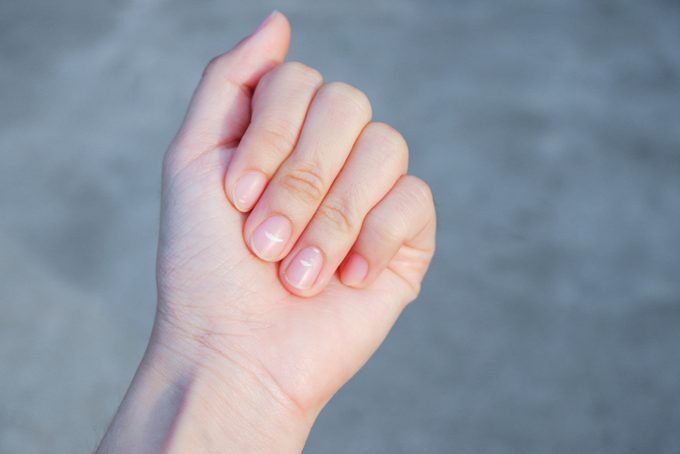
Nail pitting and brittle nails is a common condition that several different things can cause.
If you have nail pitting, speak to your doctor for more information. They can help to determine the cause and recommend the best course of treatment.
Treatment for nail pitting may include treating the underlying condition, taking supplements to correct vitamin deficiencies, and improving the health of your nails.
There are also some home remedies that may help improve your nails’ appearance.
And you can also try using a nail hardener to help strengthen your nails and prevent further damage. It’s also essential to practice good nail care.
This means keeping your nails clean and trimmed, and wearing gloves when you’re doing activities that could damage your nails.
Avoid using nail polish etc as well. Zinc deficiency is also widespread, so don’t worry.
If you’re concerned about nail pitting, there are also some specific foods you can eat to help improve the health of your nails.
Some good foods for nail health include dark leafy greens, salmon, nuts, avocados, and biotin-rich foods like eggs and chicken.