

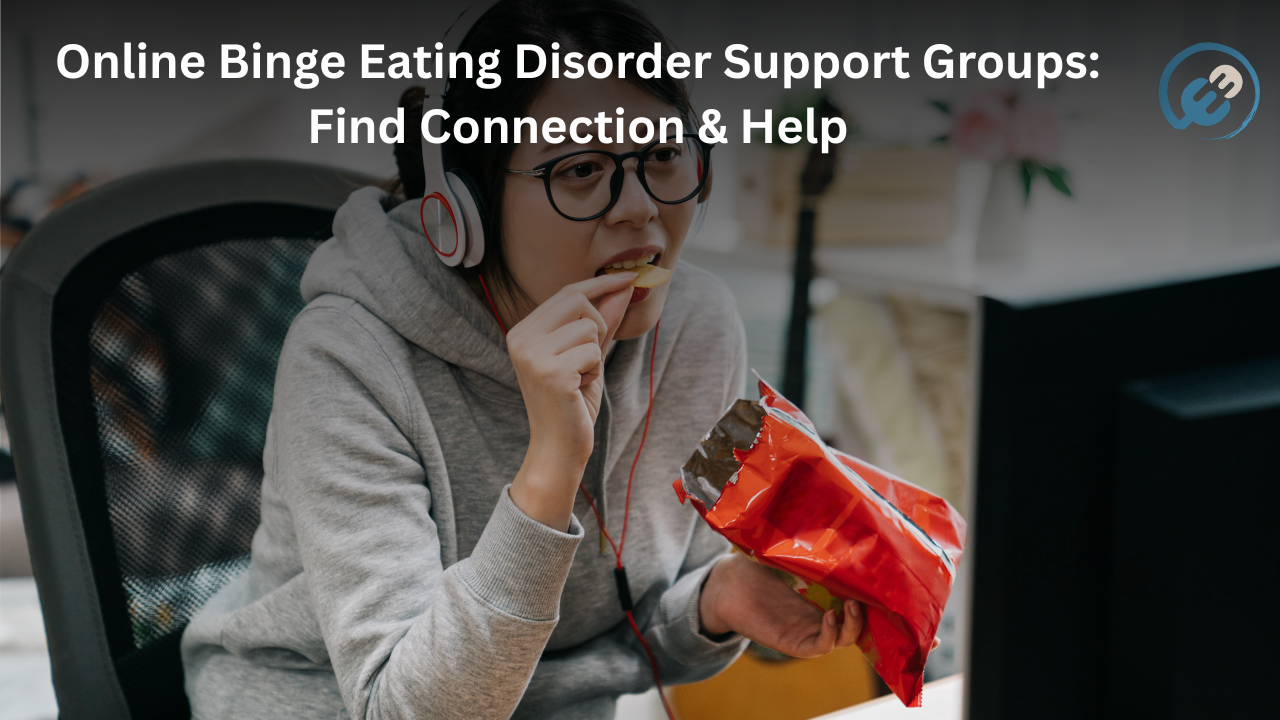
There’s a moment that many people with binge eating disorder (BED) experience. It often comes after another late-night binge, the food wrappers scattered, the body heavy with shame. Maybe it happens while scrolling alone, heart racing, typing words into a search bar: “binge eating disorder support group online.”
That search is not a sign of weakness.
It’s a sign of incredible strength. A whisper from the part of you that still hopes for something better. A part of you that senses: Maybe I don’t have to do this by myself anymore.
This article was created for you. Whether you’re newly diagnosed, self-aware but unsupported, or quietly battling in private—this space exists to remind you:
- You’re not broken.
- Your eating patterns are responses to deep, layered pain—not personal failures.
- Healing happens in connection.
If you’re curious about what drives your relationship with food, our free quiz can offer gentle insight into the emotional and behavioral patterns underneath binge eating.
Why Online Support Groups for Binge Eating Can Be a Lifeline
Let’s start with the truth: binge eating disorder is more common than most people realize—impacting approximately 3.5% of women and 2% of men (Hudson et al., 2007). But it often hides in silence.
Why?
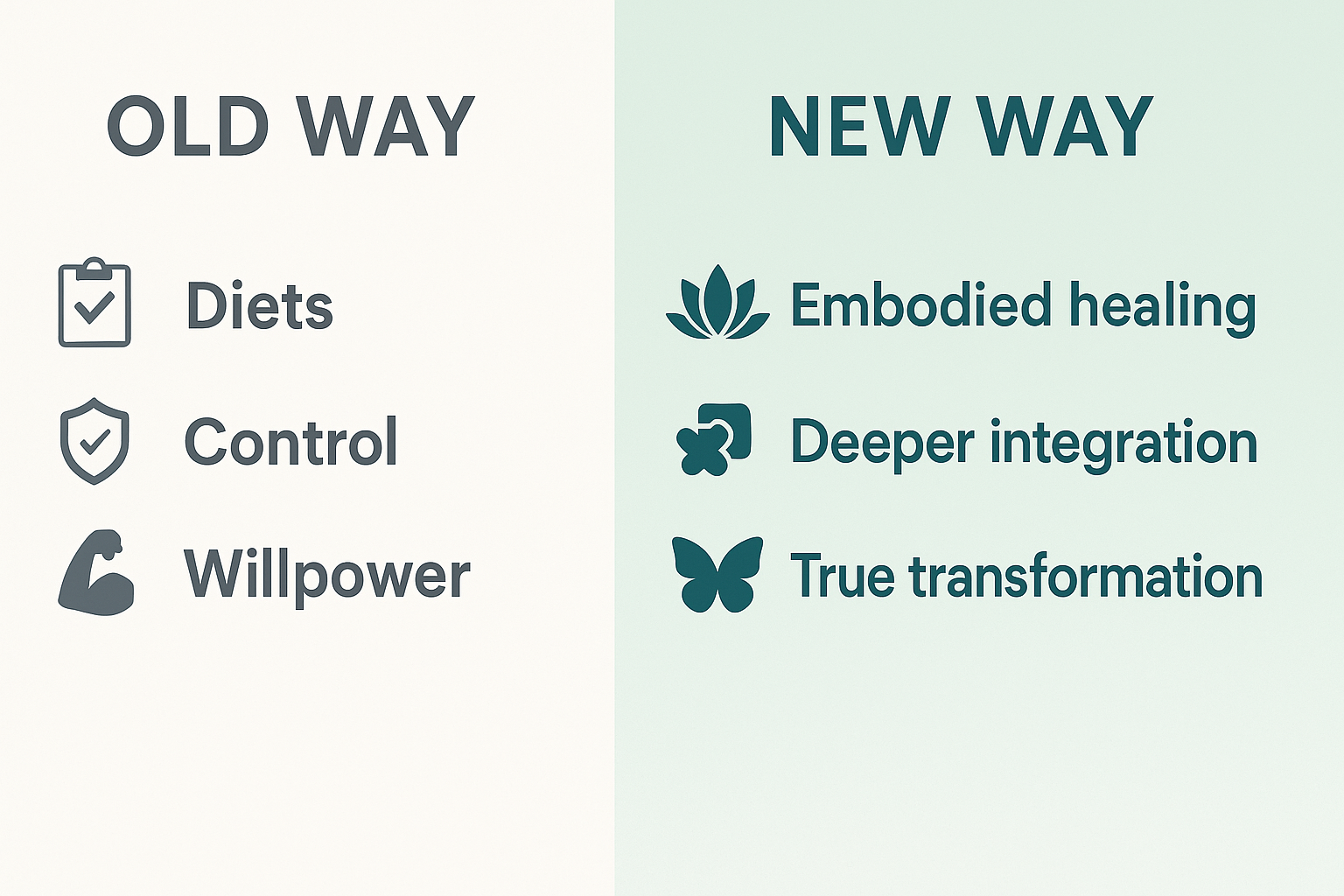
Because BED is coated in shame. Because so many people don’t look like they have an eating disorder. Because diet culture teaches us that overeating is a willpower issue, not a survival adaptation to emotional or relational deprivation.
Online support groups can disrupt this narrative. They:
- Offer immediate access from anywhere—no travel, no exposure
- Create safe containers for people who’ve never spoken their pain aloud
- Provide emotional co-regulation through story-sharing and presence
- Build consistency and accountability in a flexible, shame-free way
“The first time I heard someone say ‘me too’ in an online meeting, I cried,” shared a participant from a BED group hosted on Zoom. “It was the first time I felt like I wasn’t disgusting.”
In a world that often pathologizes or ignores emotional eating, these spaces are revolutionary.
How to Choose the Right Online Support Group for You
Not all groups are the same. And that’s a good thing—you get to find what resonates.
Here’s what to look for:
1. Safety and Moderation
- Are meetings moderated by professionals or trained facilitators?
- Is confidentiality respected?
- Are guidelines around triggering content in place?
2. Alignment with Your Values
- Some groups use 12-step frameworks (e.g., Overeaters Anonymous)
- Others focus on body neutrality, trauma-informed care, or intuitive eating
- Choose what feels supportive, not shaming
3. Frequency and Format
- Daily, weekly, or drop-in style?
- Chat-only, video, or hybrid?
- Many offer asynchronous forums for added flexibility
4. Cost and Accessibility
- Many groups are free
- Some offer sliding scale options
- Coaching-based or therapist-led groups may charge, but often include tools and exercises
You don’t need to commit forever. Try one meeting. See how your body feels afterward.
If you’re looking for a guided, structured space to unpack shame, rebuild trust with food, and explore the roots of your eating, consider our Enlighten Eats Course—a trauma-informed, compassionate companion for your healing.
Real Healing Happens in Safe Relationship (Even Online)
The nervous system doesn’t heal in isolation.
When binge eating becomes a coping mechanism, it’s often because somewhere along the way, your system learned that food was more reliable than people. Maybe it started with an unpredictable caregiver. Or being praised for losing weight while silently falling apart inside.
When no one was there to comfort you, food was. When emotions felt unsafe, numbing was survival.
Online groups offer relational repair in real time:
- Seeing faces of people who get it
- Hearing others name feelings you’ve buried
- Learning to co-regulate through gentle presence
This isn’t about sharing trauma stories. It’s about learning that you’re not too much, not alone, and not bad.
In trauma-informed circles, you may experience:
- Nervous system softening
- Breath becoming fuller
- Shame releasing, even if just for a moment
That’s real healing. And yes, it can happen over Zoom.
Trusted Online Binge Eating Disorder Support Groups to Explore
✅ Eating Enlightenment Coaching Circles
- Trauma-informed
- Led by trained facilitators
- Focus on nervous system healing, body trust, and emotional safety
- Includes journaling prompts and somatic tools
✅ Overeaters Anonymous (OA)
- 12-step based
- Wide availability of virtual meetings
- Emphasis on abstinence, may include triggering language for some
✅ The Body Trust Community
- Fat-positive and weight-inclusive
- Focus on decolonizing eating narratives
- Welcoming for people of all body sizes and identities
✅ Facebook + Reddit Peer Communities
- Informal but can be supportive
- Ideal for lurking, low-pressure engagement
- Not trauma-informed, so enter with discernment
Don’t forget to check our Mindful Meal Journal App—a gentle way to connect your emotional state, hunger cues, and food choices each day.
How to Know When You’re Ready to Join a Group
It’s okay if the thought of being seen—even virtually—feels terrifying.
You might not be ready to speak. You might not even turn on your camera. That’s okay.
Here are some signs you’re ready to try:
- You feel isolated or misunderstood in your current support system
- You’re aware of your binge eating and want change, but don’t know where to start
- You’re tired of DIY solutions that leave you feeling worse
- You crave connection that doesn’t revolve around dieting or “fixing” yourself
You don’t have to bare your soul. Just show up.
Even if you say nothing, healing can begin in witnessing others speak the words you couldn’t.
Gentle Next Steps to Support Your Journey
There’s no pressure here—just possibilities.
Here are some loving next steps:
- 🎯 Take our free quiz to discover what may be fueling your binge patterns
- 📓 Download the Mindful Meal Journal App to gently connect food and feelings
- 🌀 Join a Coaching Circle for guided, relational support
- 📘 Enroll in the Enlighten Eats Course if you’re ready to dive deeper into healing
Each of these tools was created by people who know this path. Who’ve walked it. Who still walk it.
You Deserve to Be Seen and Supported
Healing binge eating disorder isn’t about controlling your hunger or willpower.
It’s about tending to the places in you that felt unseen, unmet, or unheld.
Online support groups aren’t a magic fix—but they are a doorway. A soft place to land. A space to witness and be witnessed.
Your healing doesn’t have to be loud. It just has to be real.
And it can start with clicking “Join