


Navigating a gluten-free lifestyle can be a complex and often confusing experience.
For those who are sensitive to gluten, the task of identifying hidden sources of gluten in everyday foods is critical. Among these common foods, soy sauce is a particularly perplexing item. Is there gluten in soy sauce?
This blog aims to illuminate this question and empower the gluten-free community with the information they need to make informed choices.
Understanding Gluten and Its Sources
To begin our exploration, it’s essential to understand what gluten is and where it can be found. Gluten is a group of proteins found in wheat, barley, and rye.
It provides elasticity and structure to baked goods, making it a staple ingredient in many foods. However, for individuals with celiac disease or gluten sensitivity, gluten can cause severe health issues, including digestive problems, fatigue, and more.
Familiar sources of gluten include bread, pasta, cereal, and baked goods. However, gluten can also be found in less obvious places like sauces, soups, and processed foods. This hidden gluten is what makes maintaining a gluten-free diet so challenging.
The Controversy of Gluten in Soy Sauce: A Historical Perspective
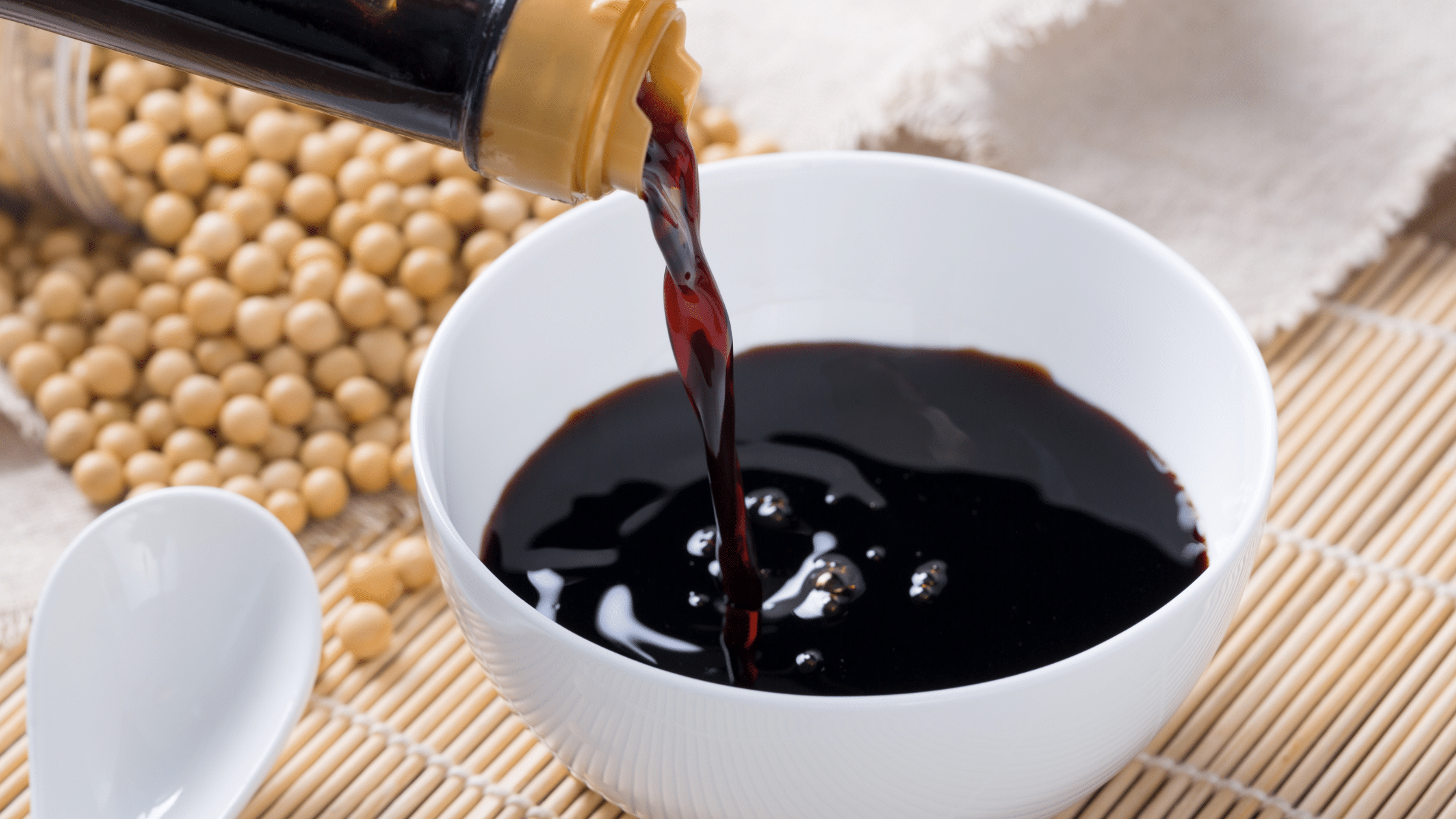
Soy sauce has been a staple in Asian cuisine for centuries. Traditionally, soy sauce is made by fermenting soybeans, wheat, salt, and water.
Because it contains wheat, conventional soy sauce indeed has gluten. However, the fermentation process led some to believe the gluten content might be negligible. This belief has caused much debate and confusion within the gluten-free community.
Historically, soy sauce production varied by region and technique, leading to inconsistent gluten levels. The controversy persists as modern manufacturing practices standardize soy sauce production, but questions about gluten content remain.
Demystifying Gluten in Soy Sauce:: The Science Behind It
To understand this issue, we must examine the science behind soy sauce fermentation. Enzymes break down proteins, including gluten, into smaller fragments during fermentation. Some argue that this process reduces gluten to levels safe for those with gluten sensitivity. However, studies have shown that traditional soy sauce still contains enough gluten to trigger reactions in those with celiac disease or gluten intolerance.
Testing for gluten in soy sauce involves using sensitive methods like ELISA (enzyme-linked immunosorbent assay). These tests have confirmed that conventional soy sauce does contain gluten, making it unsafe for those on a strict gluten-free diet.
The Evolution of Gluten-Free Soy Sauces
Recognizing the need for gluten-free options, manufacturers have developed alternative soy sauces. These gluten-free soy sauces use different ingredients, such as rice or tamari, instead of wheat. Tamariari, for example, is a Japanese soy sauce traditionally made with little or no grain, making it a popular choice for those avoiding gluten.
Gluten-free soy sauces have gained popularity and are now widely available in stores and online. They offer the same savory umami flavor as traditional soy sauce without the gluten, providing a safe and delicious alternative for the gluten-free community.
How to Identify Gluten-Free Soy Sauce
Identifying gluten-free soy sauce is crucial for maintaining a strict gluten-free diet. Here are some tips to help you make the right choice:
- Read the Label: Look for soy sauces labeled “gluten-free.” These products have been tested and certified to meet strict gluten-free standards.
- Check Ingredients: Avoid soy sauces that list “wheat” as an ingredient. Instead, opt for those made from rice, tamari, or other gluten.
- Look for Certifications: Reliable gluten-free soy sauces often carry certifications from reputable organizations, such as the Gluten-Free Certification Organization (GFCO).
Practical Tips for Making Gluten-Free Choices
Maintaining a gluten-free diet requires vigilance and knowledge. Here are some practical tips to help you stay on track:
- Educate Yourself: The first step is understanding where gluten can hide in your food. Familiarize yourself with familiar sources of gluten and read labels carefully.
- Ask Questions: When dining out, don’t hesitate to ask restaurant staff about gluten-free options and how dishes are prepared. Cross-contamination can be risky, so ensuring your meal is gluten-free is essential.
- Join a Community: Connecting with others who follow a gluten-free diet can provide support and share valuable insights. Online forums, social media groups, and local meetups can be great resources.
Which soy sauce is gluten-free?

When seeking a gluten-free soy sauce, Tamari is an excellent Tamari. Unlike traditional soy sauce containing wheat, Tamari is brewed primarily of fermented soybeans, making it naturally gluten-free.
It’s essential to check the label for certification to ensure it meets your dietary needs. Enjoy the rich umami flavor of Tamari without the worrTamariluten.
Can someone who is celiac have soy sauce?
Individuals with celiac disease should be cautious with traditional soy sauce, which often contains wheat. However, Tamari is a beautiful at maritime. It’s crafted primarily from soybeans and is usually gluten-free.
Always check the label to ensure it meets gluten-free standards, offering a safe and enjoyable option for those with celiac disease.
Does gluten exist in ketchup?
Most ketchup brands are naturally gluten-free, made from simple ingredients like tomatoes, vinegar, and sugar. However, it is always wise to check the label for hidden gluten-containing additives or cross-contamination warnings.
Opting for certified gluten-free ketchup can provide peace of mind and ensure a worry-free meal addition.
Why is wheat present in soy sauce?
Wheat is often included in traditional soy sauce because it contributes to its rich, savory flavor. Wheat and soybeans combine during fermentation to create a distinctive taste many enjoy.
However, Tamari offers a similar Tamari profile without wheat for those seeking gluten-free alternatives, supporting your journey toward healthier eating habits.
Conclusion Empowering the Gluten-Free Community with Knowledge
In summary, traditional soy sauce does contain gluten due to its wheat content. However, the growing availability of gluten-free soy sauces offers safe alternatives for those with gluten sensitivity.
Understanding the science behind soy sauce fermentation and identifying gluten-free products allows you to enjoy flavorful meals without compromising your health.
The gluten-free community is built on shared experiences and knowledge. By staying informed and supporting each other, we can make living gluten-free a positive and empowering experience.