


It usually starts with something small.
An email that felt too sharp. A silence that felt too loud. A schedule that felt too full.
And then — you’re in the pantry. Or standing at the fridge. Or ordering food you didn’t plan to, didn’t want to, didn’t need… but something in you did.
And once it starts, it’s like you disappear.
The food becomes a blur, the shame hits like a wave, and you’re left wondering: Why can’t I stop this?
If that’s where you are — or have been — please breathe with me.
This is not about willpower.
This is about your body, your history, your emotions, and your nervous system trying to protect you in the only way it knows how.
In this article, we’ll gently explore:
- Why stress makes us binge
- What’s happening in your body (not just your mind)
- And how to begin shifting this pattern from the inside out
No diets. No shame. Just insight, care, and truly helpful tools.
🧡 Curious about your relationship with food?
Take our gentle quiz — it might give you a little clarity.
Why We Binge When We’re Stressed: It’s Not About Food
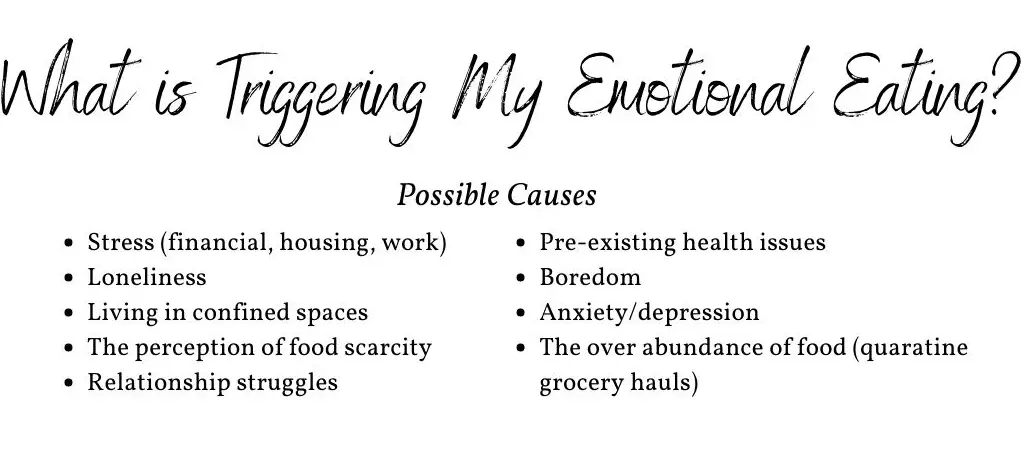
Stress eating isn’t about the food. It never was.
It’s about unmet needs. Overwhelmed systems. Old patterns rising under pressure.
Imagine this: You’re carrying a full load emotionally — deadlines, family tension, loneliness, sensory overload — and your nervous system reaches a tipping point.
To your body, food becomes the fastest path to:
- Relief
- Soothing
- Distraction
- Safety
Especially carbohydrates and sugar — they offer a brief neurochemical “hug” when the world feels too loud.
In one study, stress-induced eating was strongly associated with perceived lack of control and increased emotional eating (Adam & Epel, 2007, Appetite). This wasn’t about hunger. It was about stress chemistry and nervous system overwhelm.
When your internal world says, “I can’t take this anymore,” food can become the answer — even if it doesn’t solve the problem.
Reflection Question:
What am I actually hungry for right now — food, or freedom from pressure?
The Binge-Stress Cycle: How Shame Fuels the Pattern
After a binge, the self-talk often gets cruel.
“What’s wrong with me?”
“I ruined everything.”
“I’ll start over tomorrow.”
Shame rushes in — and ironically, this adds more stress. Which then makes another binge more likely.
Here’s the trap:
- Stress builds → binge
- Binge happens → shame
- Shame becomes stress → binge again
This is a nervous system loop, not a character flaw.
And you can interrupt it. But not with more restriction or force.
You interrupt it by building safety — slowly, gently — from within.
Nervous System Wisdom: Why You Can’t “Think” Your Way Out
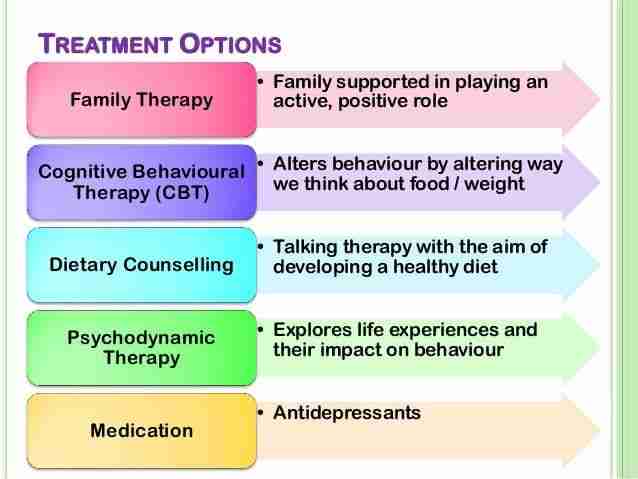
When you’re in a stress state, the body goes into survival mode:
- Heart races
- Breath shortens
- Thinking narrows
- Cravings spike
Your logical brain goes offline. Your emotional and survival brain takes over.
That’s why “just don’t eat it” doesn’t work when you’re dysregulated.
Your body isn’t asking for rules.
It’s asking for regulation.
Try this before food:
- Hand on your chest: Feel the rise and fall of your breath
- Sigh deeply: Inhale through your nose, exhale with sound
- Orienting: Name 5 things you see around you
These small practices signal safety to your nervous system. And safety is what helps the binge urge soften.
🧘 Want to gently build these rhythms into your day?
Our journaling app is a gentle way to track patterns and return to presence.
How to Build Stress Resilience Without Food
You don’t need to eliminate stress to stop binge eating.
You need new ways to hold it.
Here are practices that work — not because they’re perfect, but because they’re kind:
1. Name What You’re Feeling
Stress becomes less overwhelming when it’s named.
Try saying aloud: “I’m feeling anxious and overloaded. And I want comfort.”
2. Create a Stress Ritual (Not a Diet Rule)
Instead of: “I’m not allowed to eat when I’m stressed,”
Try: “Before eating, I’ll light a candle and sit for 2 minutes with my tea.”
Small, consistent rituals change the channel from panic to presence.
3. Soothing, Not Substitution
Instead of forcing “healthy” swaps, ask:
“What soothes my body right now?”
That might be:
- A warm bath
- Texting a trusted friend
- Journaling a stream-of-consciousness letter to your body
Soothing interrupts the urgency.
🌱 Want to learn the root causes of disordered eating and how to meet them?
Our Enlighten Eats course walks you through each stage with compassion.
What If You Still Binge? Read This Slowly.

If you still binge — it doesn’t mean you’re failing.
It means your body is still trying to cope the best way it knows how.
Try asking this:
“What need was I trying to meet just now?”
“How can I meet it differently next time — even a little?”
That question brings you out of shame and into insight.
Every time you pause to reflect — even after the binge — you rewire the pattern.
Healing Is Possible: You’re Not Alone in This
Many people believe they’ll always be at war with food. But that’s not true.
Healing from stress bingeing is deeply possible. It just doesn’t happen through force.
It happens through:
- Listening instead of judging
- Soothing instead of shaming
- Presence instead of punishment
And yes — support helps. Immensely.
🧡 If you want someone to walk beside you, our coaching offer is here when you’re ready.
Final Words: Be Gentle With the Part That Binges
The part of you that reaches for food when life feels too much?
She’s not bad. She’s overwhelmed.
She may be a younger version of you — scared, tired, longing for love.
She doesn’t need to be fixed.
She needs to be held.
You’re not broken. You’re becoming.
✨ Take our free quiz to explore your relationship with food
📖 Or download our Mindful Meal Journal App — your safe space to reflect