


With its velvety texture and rich flavor, cream cheese has become a staple in countless kitchens, gracing bagels, desserts, and savory dishes. As we indulge in this versatile delight, a pertinent question arises: How long can cream cheese sit out before it bids farewell to its peak freshness?
Unraveling the mysteries of cream cheese shelf life is not merely about culinary curiosity but is crucial for maintaining flavor and food safety. Join us as we delve into the intricacies of cream cheese preservation, exploring guidelines, tips, and the science behind ensuring every spread or dollop of this beloved dairy product remains a delightful culinary experience.
Understanding Food Safety:

To guarantee health and safety, it’s imperative to comprehend how long cream cheese can safely linger outside the fridge. According to the U.S. Food and Drug Administration (FDA), the recommended time for cream cheese at room temperature is no more than two hours. This guideline also applies to other dairy products, as room temperature provides a breeding ground for bacteria, escalating the risk of foodborne illness. So, whether indulging in a bagel with cream cheese or hosting a party, be mindful that cream cheese loses its freshness and safety after two hours.
The Two-Hour Rule:
The mere thought of cream cheese going bad can be unsettling. Fortunately, like most dairy products, cream cheese can endure a few hours outside of refrigeration. The general rule is two hours at room temperature, beyond which it is advisable to discard it. This timeframe is rooted in science, considering that bacteria thrive in temperatures between 40 to 140°F, commonly known as the danger zone. In cases where the temperature exceeds 68°F, err on caution and discard the cream cheese within one hour to prevent the rapid growth of harmful bacteria.
Extended Timeframe for Heating:
Extending the two-hour timeframe is plausible if the cream cheese is intended for a heated recipe. Heating cream cheese beyond 140°F eliminates harmful bacteria, making it safe for consumption. However, caution is urged when considering cream cheese that has been out for over two hours; it’s unsafe for use as a topping or spread.
Addressing Concerns About Leaving Cream Cheese Overnight:
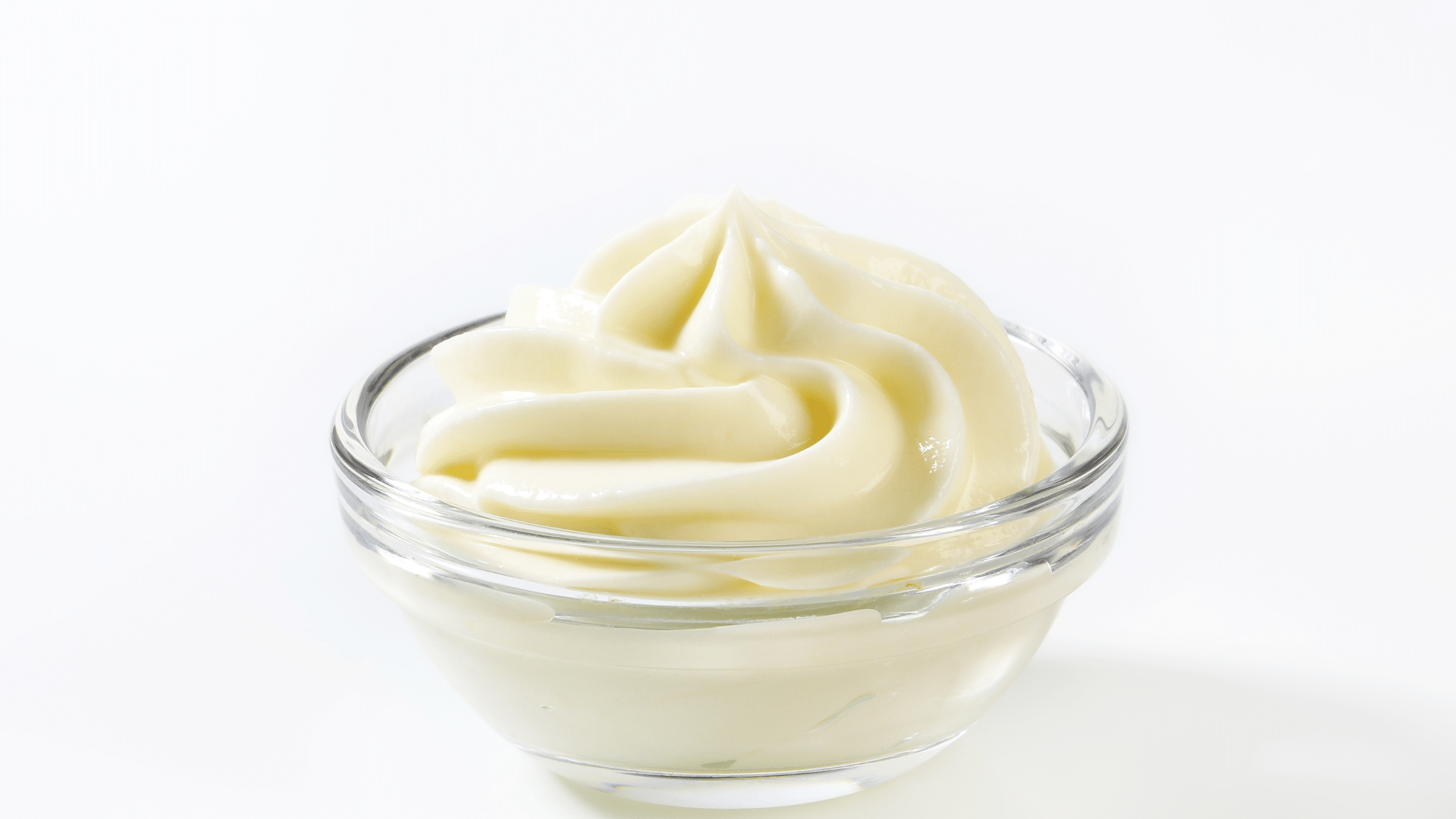
Is cream cheese still safe if left out overnight? This critical question underscores the necessity of understanding food safety. Comparing cream cheese to a delicate snowflake, it thrives in cool environments and can develop harmful bacteria when left at room temperature for more than two hours. Our reader, Sarah, wisely chose to discard cream cheese left out overnight to prioritize health over potential risks.
Setting a Timer for Softening:
Cream cheese, like us, appreciates a bit of warmth occasionally. Experts suggest leaving it at room temperature for up to two hours for safe softening. Our reader, Lisa, cleverly times her cream cheese softening to an hour, ensuring a perfect consistency for her recipes. Food safety is paramount; if left out for more than two hours, it’s safer to discard.
The Case of Cream Cheese Frosting:
Cream cheese frosting, akin to cream cheese, demands refrigeration for safety. Leaving it out for over two hours can foster harmful bacteria, as shared by reader Mark’s unfortunate experience. Prioritize safety over indulgence and dispose of cream cheese frosting left out overnight.
Determining Cream Cheese Freshness:

“How long does it take for cream cheese to go bad?” – a pivotal question. Once opened, cream cheese remains fresh for about two weeks if refrigerated. Recognizing signs of spoilage, such as mold or a sour smell, is crucial. Our reader, Sam, emphasizes the importance of checking the date, appearance, and smell to ensure cream cheese freshness.
Philadelphia Cream Cheese Guidelines:
Philadelphia cream cheese, like any cream cheese, requires refrigeration. Once opened, it is advisable to consume within one week, as suggested by Philadelphia’s guidelines. However, sources vary, with some indicating a shelf life of up to 10 days. Reader Jane’s tip underscores the importance of sealing tightly and maintaining a cold fridge.
Conclusion:
In conclusion, cream cheese is a versatile delight that demands refrigeration to retain its freshness and safety. Adhering to the two-hour rule, especially in warmer temperatures, is crucial. Additionally, ensure usage within the expiration date to mitigate the risk of foodborne illnesses. Stay safe and savor your cream cheese responsibly.