

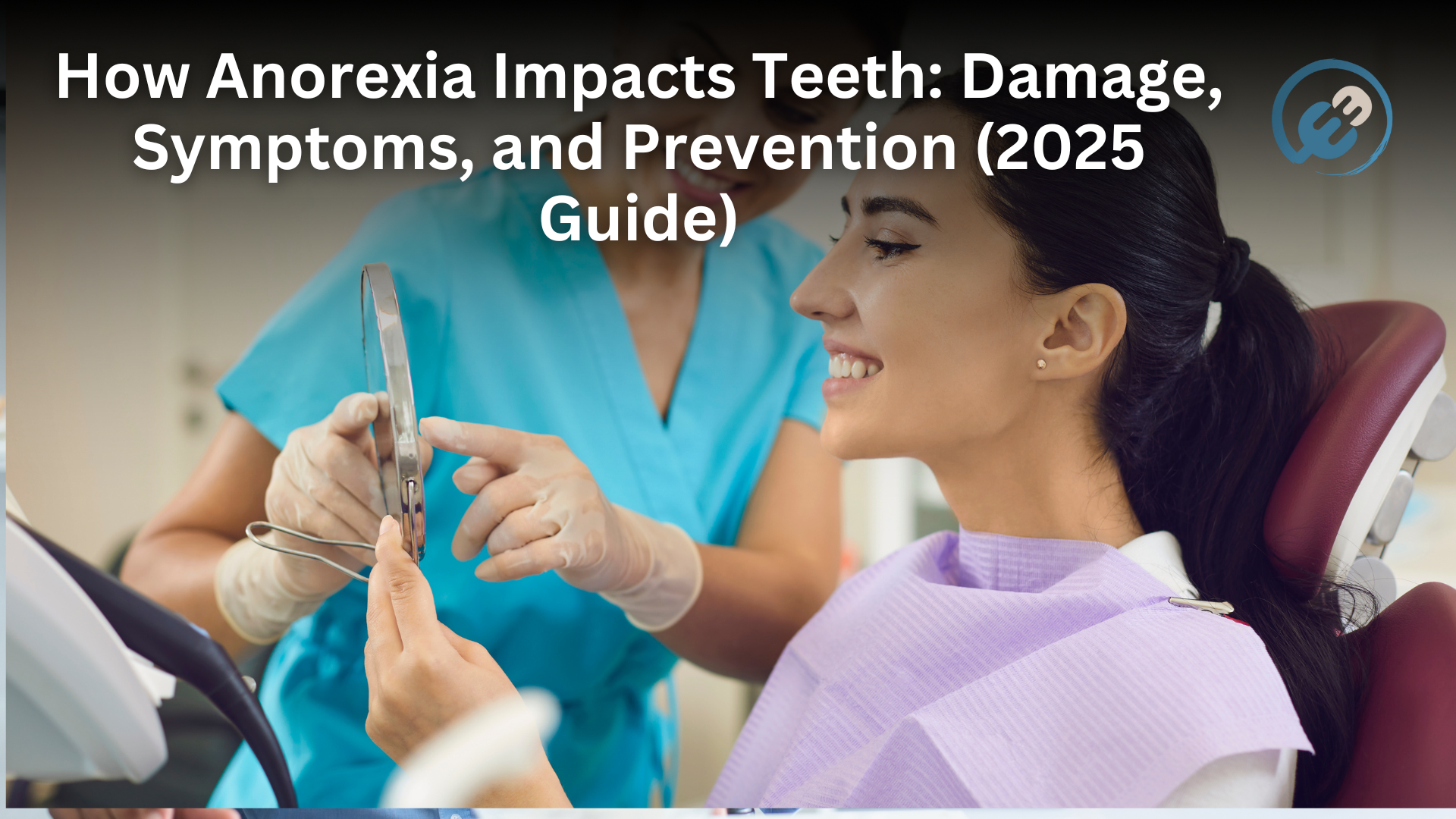
Sometimes the first thing to change is your smile.
Maybe you notice your gums bleeding when you brush. Maybe a sharp twinge of pain when sipping something cold. Or maybe it’s just a quiet awareness… your teeth don’t feel like they used to.
For many people navigating anorexia or disordered eating, dental pain is a silent companion. It’s not always talked about — even in recovery spaces. But the truth is, your teeth tell a story. And it’s not a story of vanity or failure. It’s one of survival, silence, and the deeply human longing to be okay.
This article is here to gently guide you through how anorexia impacts teeth, what symptoms to look out for, and most importantly, how to begin caring for your smile again — without shame.
Curious about your relationship with food? Our free quiz can offer some gentle insight.
The Hidden Toll: How Anorexia Affects Oral Health
At first glance, teeth might not seem central to anorexia. But they are often among the first places the disorder leaves a physical mark.
When the body is in survival mode — low nutrients, irregular meals, purging behaviors — the mouth becomes vulnerable:
- Saliva production decreases, leaving you with dry mouth, bad breath, and higher risk of decay.
- Enamel starts to thin, especially if vomiting is present.
- Gum tissue shrinks, exposing sensitive roots.
But it’s not just the physical. Disconnection from the body — part of a nervous system shutdown response — often means we stop tending to self-care rituals. Brushing becomes irregular. Dental visits feel overwhelming or even shameful. What might have once been routine starts to feel impossible.
It’s not laziness. It’s your body trying to cope.
Dental Damage from Anorexia: What Really Happens?
Let’s break it down more concretely. Here’s what disordered eating can do to your teeth and mouth:
- Enamel erosion from stomach acid (if purging is involved)
- Frequent cavities from dry mouth and poor nutrition
- Cracked lips and sores due to dehydration and B-vitamin deficiency
- Receding gums from lack of collagen-building nutrients like vitamin C and protein
This damage often happens gradually. A chipped tooth here. A dull ache there. Until one day, smiling feels foreign.
One small study found that women with anorexia had significantly higher rates of enamel erosion and oral disease compared to non-disordered eaters (Roberts & Li, 2020).
But again, it’s not just food behaviors. Stress, jaw clenching, and biting from anxiety all play a role.
Healing has to include your whole system — body, nervous system, and spirit.
Common Symptoms You Shouldn’t Ignore
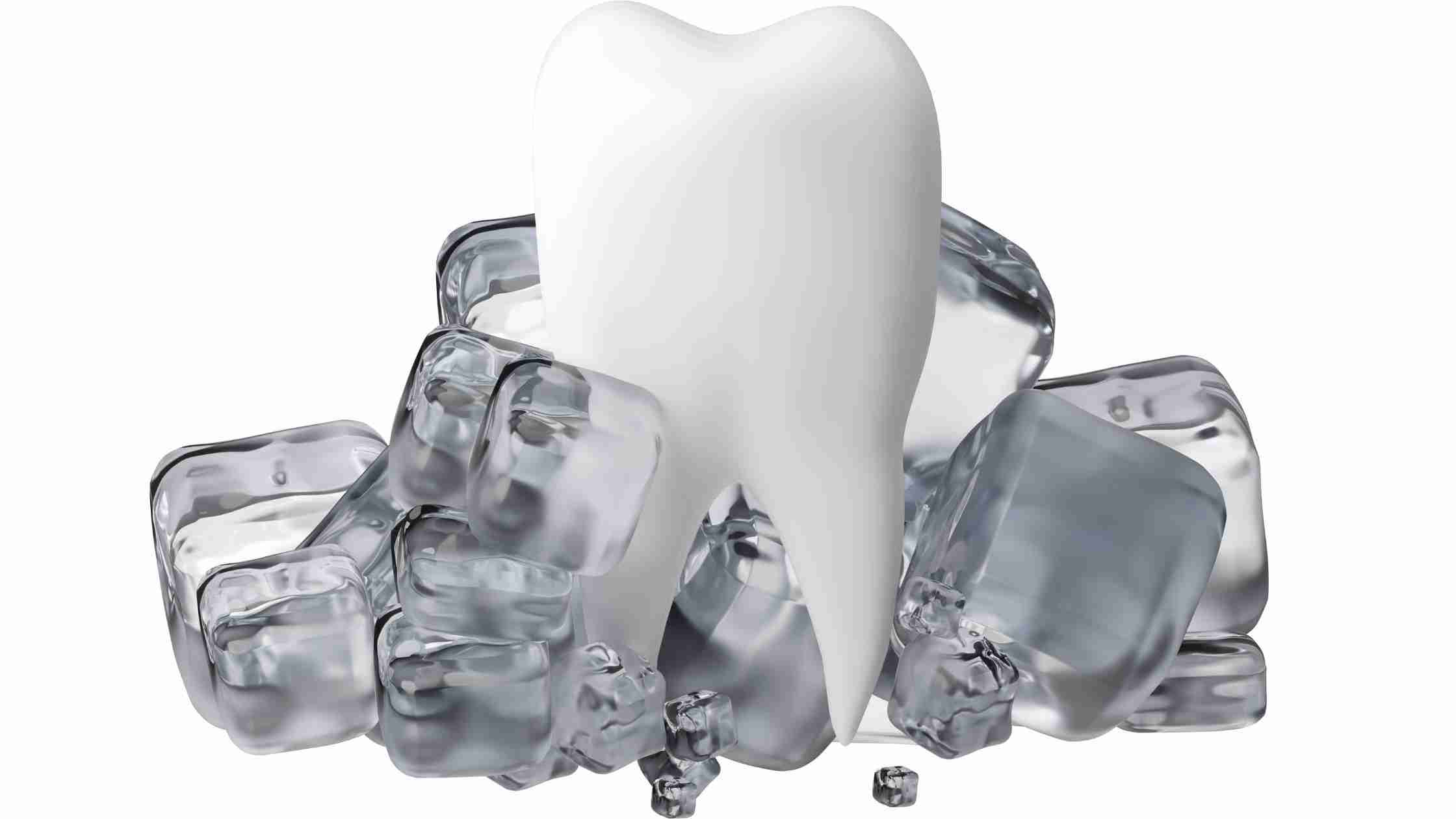
You don’t need to be in crisis to take your oral health seriously. Here are some signs that your mouth might be asking for help:
- Increased tooth sensitivity, especially to hot or cold
- Bleeding or swollen gums
- Persistent dry mouth
- White spots or translucent edges on teeth
- Frequent canker sores
- Loose teeth or feeling like your bite has changed
If going to the dentist feels too vulnerable, know that you’re not alone. Many people delay care for years — not out of denial, but fear of being judged.
Let’s change that narrative. You deserve care, even if it’s imperfect.
Why It Hurts to Smile: The Emotional Layer of Dental Pain
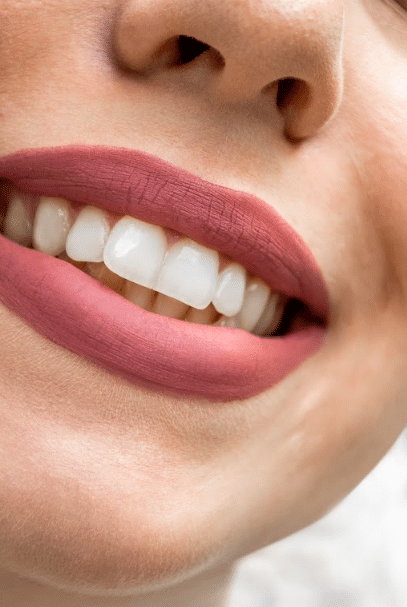
We don’t just smile with our teeth. We smile with our nervous systems. Our relationships. Our sense of safety.
When anorexia is present, smiling can feel like a performance — something we put on to seem okay, even when we’re in deep pain. So when your smile starts to hurt physically, it often echoes something deeper emotionally:
- The pressure to appear “fine”
- The fear of being exposed
- The belief that beauty is your worth
This is not your fault. It’s a mirror of a culture that equates health with thinness and success with control.
But you can begin to reclaim your smile — not as a mask, but as an honest expression of healing.
A Whole-Person Approach to Healing Oral Damage
Real healing doesn’t just start in the bathroom with a toothbrush. It starts inside your relationship with your body. Your rhythms. Your nervous system.
Here are some compassionate ways to begin:
- Nutrition: Rebuilding nutrients like calcium, vitamin D, and B-complex vitamins can support enamel, gums, and bone.
- Hydration: Sipping water throughout the day can reduce dry mouth and support saliva flow.
- Gentle hygiene: Use a soft-bristled brush, avoid harsh whitening products, and brush after — not immediately after — vomiting, if purging is part of your pattern.
- Self-connection rituals: Light a candle before brushing. Play music. Make it a moment of care, not obligation.
Need small, consistent support? Try our Mindful Meal Journal App for grounding practices and compassionate self-tracking.
How to Talk to a Dentist Without Shame
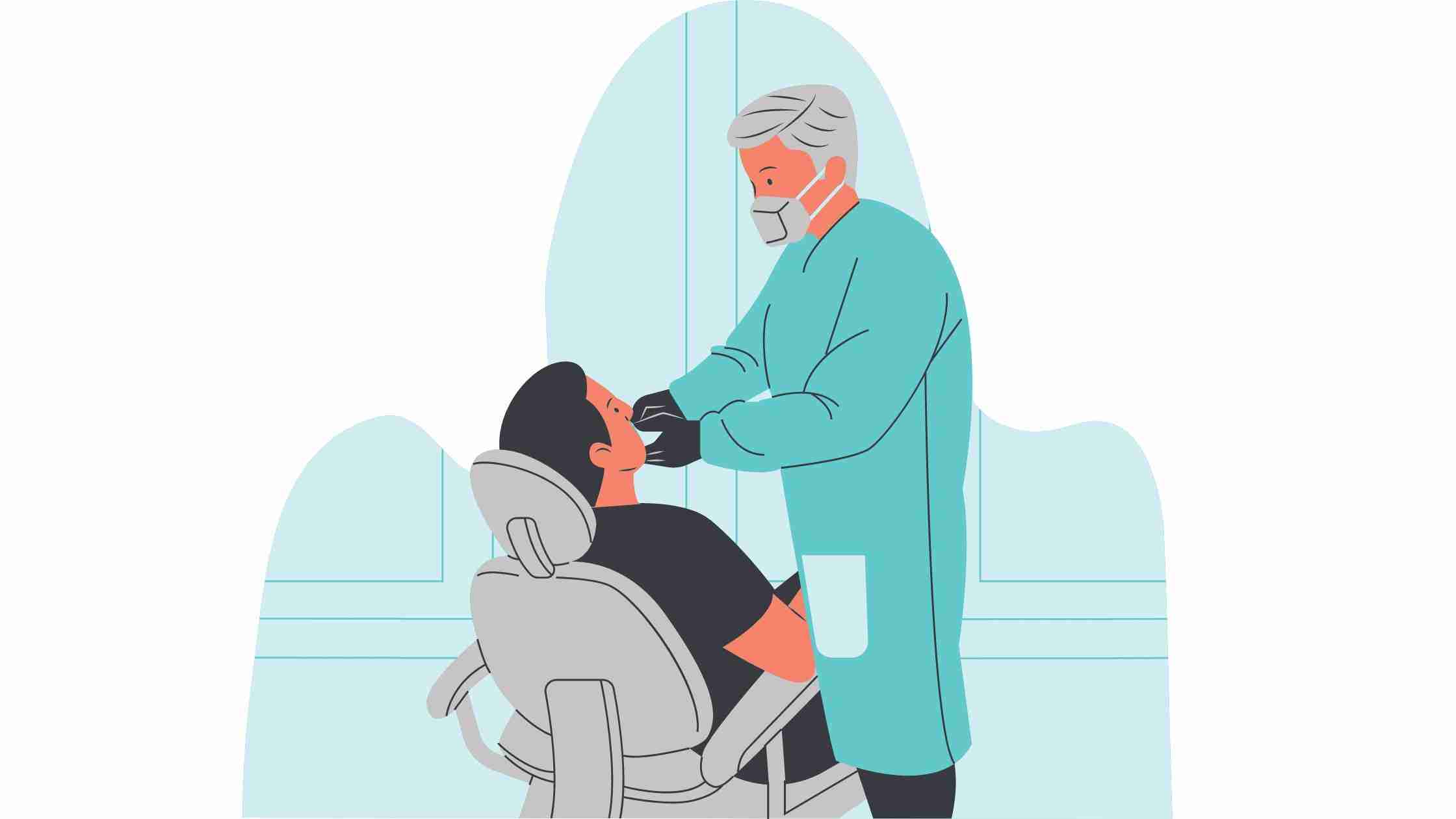
Dentists can feel like one of the most intimidating appointments for those with anorexia — especially if you fear being judged.
But remember: you are allowed to take up space. Here are some ways to make the experience safer:
- Bring a script. You don’t have to explain everything. Try: “I’ve had some struggles with nutrition and I’m just starting to get help. I’d like to focus on practical care today.”
- Set boundaries. You can ask not to be weighed, not to be lectured, or even request a trauma-informed provider.
- Bring someone with you. Co-regulation is real. Having a friend or support person nearby can help keep your system grounded.
You deserve respectful care — no matter what your dental history looks like.
Prevention Moving Forward: Caring for Teeth with Compassion
Prevention isn’t about fear. It’s about partnership with your body. Here’s how to begin:
- Brush gently, twice a day, with a fluoride toothpaste
- Floss or rinse when possible (no guilt if you miss)
- Stay hydrated — saliva is protective
- Chew sugar-free gum if dry mouth is an issue
- Schedule dental visits as part of your healing timeline, not perfection
Watch for relapse signs: clenched jaw, canker sores, increased sensitivity. These are gentle nudges from your body to slow down and check in.
Want to understand the root causes of disordered eating? Our Enlighten Eats Course explores healing through a whole-person lens.
Conclusion: Your Smile Is Worth Protecting
There’s no shame in having dental damage from anorexia. Your teeth are not a sign of failure — they’re a reflection of how hard your body has been working to survive.
You are not broken. You are healing.
Your smile — whether crooked, chipped, or hidden — is still yours. And it deserves care, tenderness, and truth.
Want to feel safer in your healing journey? Explore Eating Enlightenment Coaching for one-on-one support from compassionate guides who get it.