


There’s something quietly heartbreaking about finding clumps of your hair on your pillow or in the shower drain — especially when you’re already carrying the weight of disordered eating.
Hair loss might not seem like the most “urgent” part of anorexia. But for many, it’s the first time the body’s pain becomes visible.
Maybe that’s why it hits so hard.
If you’re here, you might be afraid of what’s happening to your hair — and what it means about your health, your worth, or your future.
Let’s take a breath. You’re not broken.
Your body isn’t betraying you — it’s speaking.
In this article, we’ll explore how anorexia affects hair, why it happens, what you can do about it, and how healing starts far beneath the surface.
Can Anorexia Really Cause Hair Loss? Yes — Here’s Why
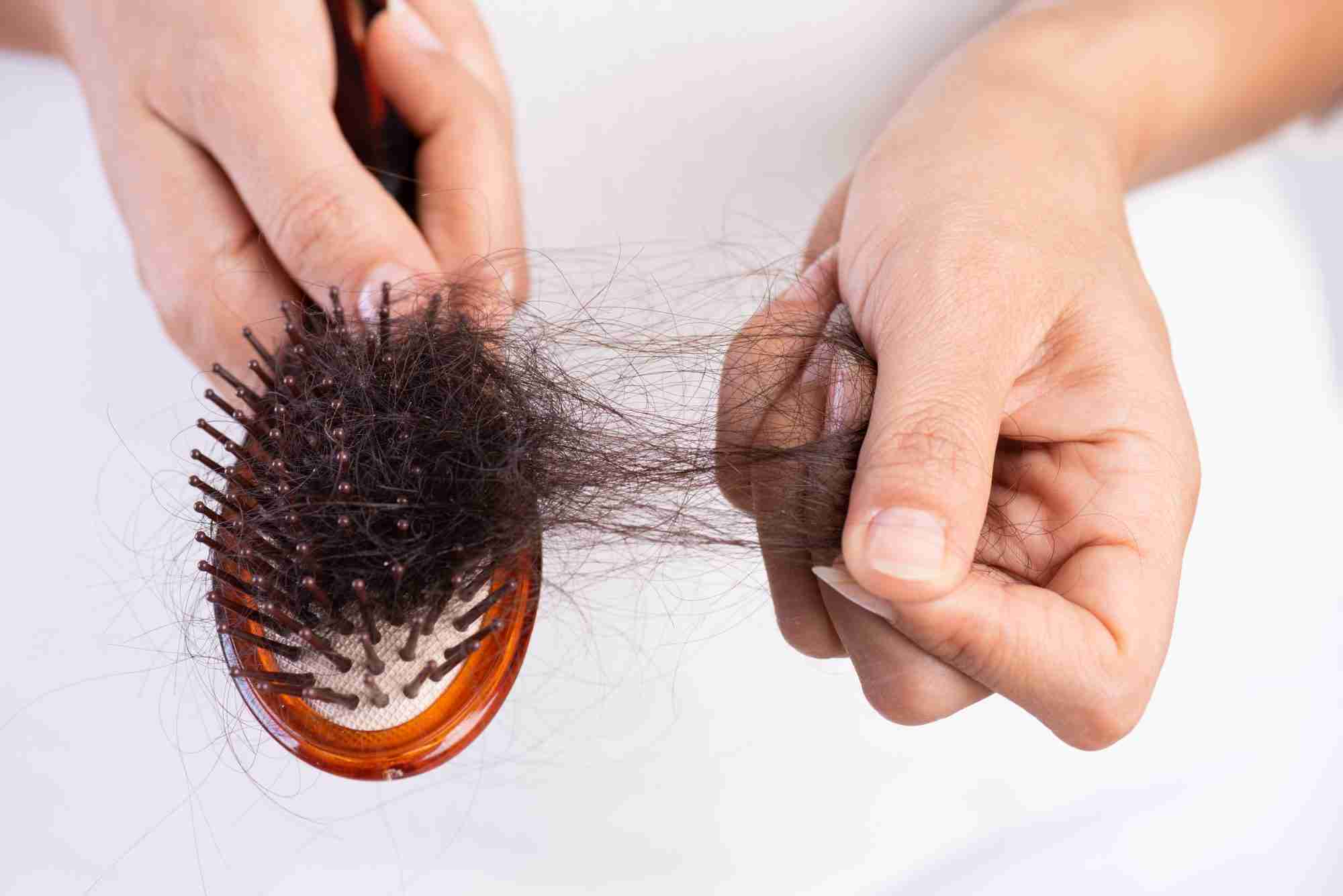
When the body is deprived of nutrients, it doesn’t stop functioning — it reprioritizes.
Hair growth, while emotionally meaningful, isn’t necessary for survival. So when the body experiences calorie restriction or starvation (as with anorexia), it goes into a protective state. Energy is conserved for essential organs like the heart and brain — and hair growth slows or stops altogether.
This can result in:
- Telogen effluvium: a condition where hair prematurely enters the shedding phase
- Thinning or brittle hair due to lack of protein, iron, zinc, and essential fatty acids
- Lanugo: fine, soft hair that develops on the body as a response to extreme weight loss
According to the American Academy of Dermatology, rapid weight loss or nutrient deficiency can trigger hair loss within 3–6 months of onset (AAD, 2023).
So yes, anorexia can cause significant hair changes — but these changes are reversible with consistent nourishment and care.
The Emotional Toll of Hair Loss in Recovery
Hair isn’t just aesthetic. It holds meaning — identity, femininity, even safety.
That’s why losing it can feel like more than a physical symptom.
It becomes a mirror for the grief, shame, and confusion that often go unspoken in eating disorder recovery.
Many clients say:
- “I feel like I’m falling apart.”
- “Now everyone will know something’s wrong.”
- “It’s one more thing I’ve ruined.”
If you’re feeling this way, please know: your grief is valid.
And your body is not punishing you — it’s protecting itself the only way it knows how.
What you’re experiencing isn’t failure. It’s a signal.
And healing begins when we stop shaming the signal and start listening.
💡 If you’d like support in understanding your body’s signals with kindness, the Enlighten Eats Course walks you through a holistic path toward food and body peace.
Why Nutritional Deficiency Affects Hair — and More
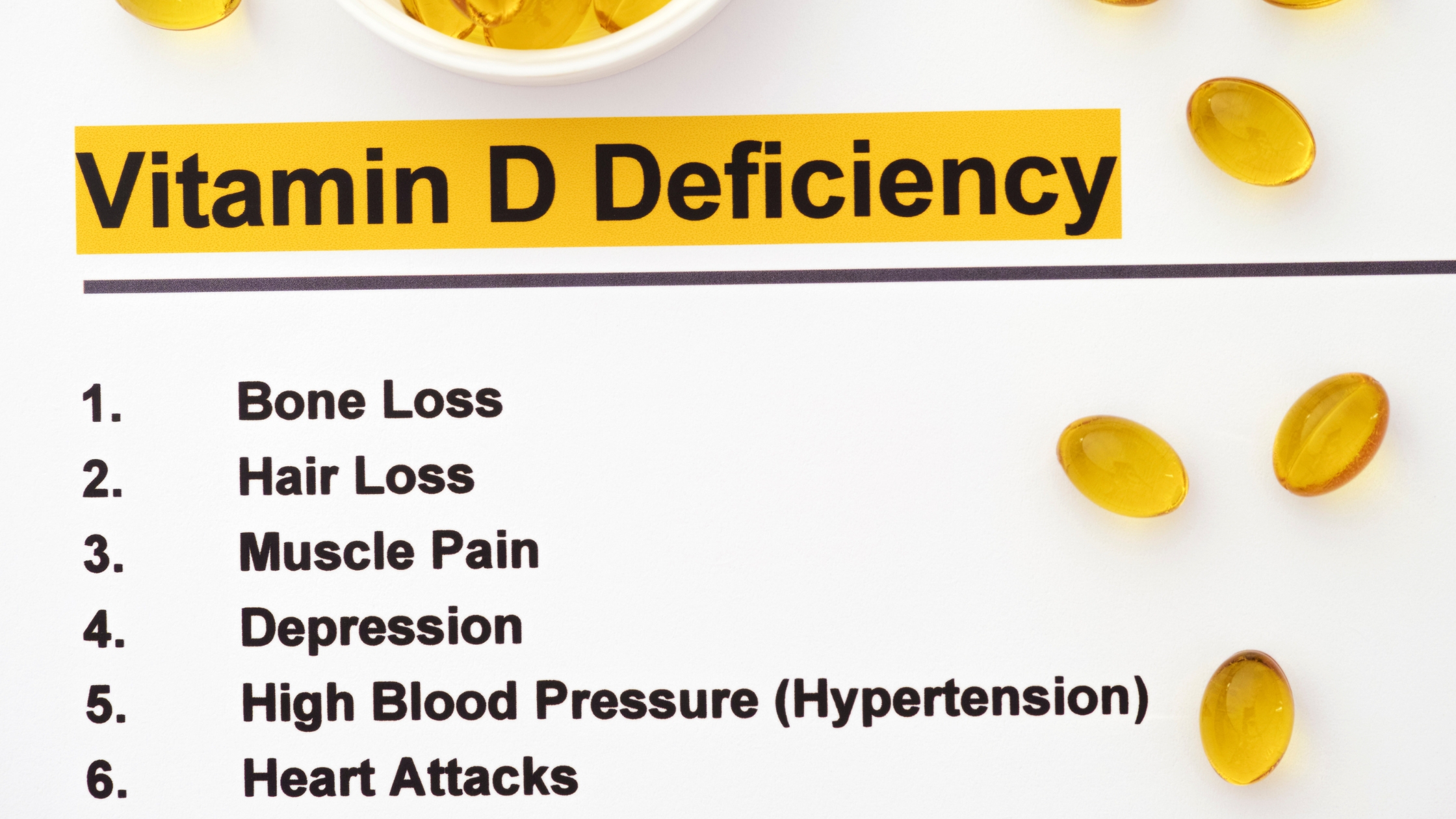
Hair needs nourishment to grow — just like every part of your body.
Some of the most common deficiencies seen in people with anorexia that directly impact hair include:
- Protein – critical for hair structure (keratin)
- Iron – supports oxygen delivery to hair follicles
- Zinc – aids cell reproduction and tissue growth
- Vitamin D – supports follicle health
- B Vitamins (especially B12 and biotin) – essential for energy and strength
But these deficiencies don’t just impact your hair.
They affect:
- Mood regulation
- Hormonal balance
- Digestion
- Cognitive clarity
- Immune strength
In other words, hair loss may be the first visible clue to a much deeper imbalance.
Rather than judging that, we can use it as a prompt for reconnection — not restriction.
What Hair Loss in Anorexia Really Means on a Deeper Level
Hair loss is not just a medical side effect. It often surfaces when the nervous system is overwhelmed and the body is in a state of shutdown or freeze.
This kind of dysregulation can stem from:
- Childhood environments where food was controlled or moralized
- Trauma that made the body feel unsafe
- Perfectionism or people-pleasing patterns that silenced needs
In this context, anorexia becomes a way to find control or safety — and hair loss becomes a consequence of survival mode.
It’s not just about “getting more calories.”
It’s about creating an internal and external environment where the body feels safe enough to shift out of conservation and back into growth.
This is why recovery requires more than food. It requires:
- Co-regulation with safe people
- Emotional expression
- Nervous system support
- Time, compassion, and rest
✨ Our Mindful Eating Journal can help gently track meals, emotions, and body signals — with no shame, just curiosity.
Can Hair Grow Back After Anorexia? What to Expect in Healing

Yes, hair can regrow — and often does — with proper nourishment and time.
What recovery looks like:
- Shedding may increase before it improves (as follicles reset)
- Hair texture or color might change
- Nutritional refeeding is key (including protein, healthy fats, vitamins)
- Stress reduction and body regulation help follicles shift from “pause” to “growth”
- Patience is essential — regrowth can take 6–12 months post-nourishment
Tips for supporting regrowth:
- Include healthy fats like avocado, nuts, and olive oil
- Prioritize lean proteins (eggs, legumes, chicken, tofu)
- Consider gentle supplements with guidance (biotin, iron, zinc, omega-3s)
- Avoid restrictive diets, over-exercising, and stress overload
A 2022 study in Nutrients journal found that nutritional rehabilitation led to significant hair regrowth in patients recovering from anorexia nervosa within six months (Papadopoulou et al., 2022).
You are allowed to rest.
You are allowed to nourish.
You are allowed to grow — slowly, and fully.
What to Do If You’re Not Ready to Eat More Yet
Let’s be honest: for many people with anorexia, eating more can feel more terrifying than hair loss.
That’s okay.
This isn’t about rushing or forcing. It’s about gently moving toward trust — in your body, in nourishment, in safety.
If you’re not ready to eat more, you can still:
- Stay curious about your patterns
- Reflect on when hair loss began and what it might symbolize
- Start journaling about what nourishment means to you
- Talk to a coach or therapist who specializes in eating disorders
- Explore your triggers with compassion, not judgment
Conclusion: You’re Not Losing Hair Because You’re Broken — You’re Being Called Back to Life

Hair loss is painful. Not just physically — emotionally, symbolically.
It can feel like you’re unraveling. Like something inside you is giving up.
But it’s not.
Your body is not failing.
It’s doing exactly what it’s supposed to do when it’s not getting what it needs.
And now, with compassion, you get to offer it something new.
Not a punishment. Not a fix.
But a relationship.
One rooted in tenderness, not toughness.
In nourishment, not control.
In listening, not silence.
✨ If you’re ready to explore that path, start with our free quiz. It’s not a diagnosis — it’s a mirror, held gently.