


In the pursuit of better health, fiber is often an unsung hero. Yet, any nutritionist will emphasize its critical importance in a balanced diet.
Fiber does more than just support healthy digestion; it plays a pivotal role in overall well-being, influencing everything from heart health to weight management.
In this blog, we will dive into the vital importance of fiber, exploring why it is essential for your health and how it contributes to a well-rounded diet.
We will also provide practical tips on how to easily incorporate more fiber into your meals, along with the numerous benefits you can expect to enjoy.
Join us as we uncover the powerful impact of this often-overlooked nutrient and guide you towards a healthier, more fiber-rich lifestyle.
What is Fiber, and Why Do We Need It?
Fiber is a type of carbohydrate that our bodies can’t digest. While this might seem unimportant, fiber is essential for our digestive health.
There are two main types of fiber—soluble and insoluble—and each serves unique functions in our body. Soluble fiber dissolves in water, forming a gel-like substance that can help lower blood glucose and cholesterol levels. Insoluble fiber doesn’t dissolve in water and helps add bulk to our stool, aiding in bowel regularity.
Fiber is like the unsung hero of a balanced diet. It helps regulate the body’s use of sugars, keeping hunger and blood sugar levels in check.
Without sufficient fiber, we can experience issues like constipation, weight gain, and an increased risk of chronic diseases.
Types of Fiber Soluble vs. Insoluble
Understanding the two fiber types can help you make more informed dietary choices. Soluble fiber is found in oats, peas, beans, apples, and citrus fruits. This type of fiber absorbs water and forms a gel, which slows down digestion. This slowing effect can help control blood sugar levels and lower cholesterol.
In contrast, insoluble fiber is found in whole grains, nuts, beans, and vegetables. Unlike soluble fiber, it doesn’t dissolve in water. Instead, it adds bulk to your stool and helps it pass quickly through the stomach and intestines. This type of fiber is particularly beneficial for those struggling with constipation or irregular bowel movements.
Both types of fiber are essential for different reasons, and a balanced diet should include a variety of both. By incorporating foods rich in soluble and insoluble fiber, you’ll support your digestive health and overall well-being.
The Health Benefits of Consuming Enough Fiber
The benefits of consuming enough fiber extend far beyond just digestive health. For starters, a high-fiber diet can aid in weight management by promoting a feeling of fullness, which can reduce overall calorie intake. Fiber also helps regulate blood sugar levels, making it essential for diabetes patients.
Furthermore, fiber has been shown to lower cholesterol levels, which can reduce the risk of heart disease. Studies have also linked high-fiber diets to a lower risk of developing various chronic conditions, including colorectal cancer.
Incorporating more fiber into your diet can also improve your gut health. Fiber acts as a prebiotic, feeding the beneficial bacteria in your gut. A healthy gut microbiome is crucial for overall health, impacting everything from immune function to mental well-being.
How Much Fiber Do You Need? Daily Recommendations
Knowing how much fiber you need is the first step towards better health. According to the Institute of Medicine, the recommended daily fiber intake is 25 grams for women and 38 grams for men. However, many people fall short of these recommendations.
One way to ensure you’re getting enough fiber is to include a variety of high-fiber foods in your meals. This can be easier than you think, and the benefits are worth the effort.
Paying attention to your fiber intake and making a conscious effort to include more fiber-rich foods in your diet can support your digestive health and reduce the risk of chronic diseases.
Sources of Fiber: A Comprehensive List of High-Fiber Foods
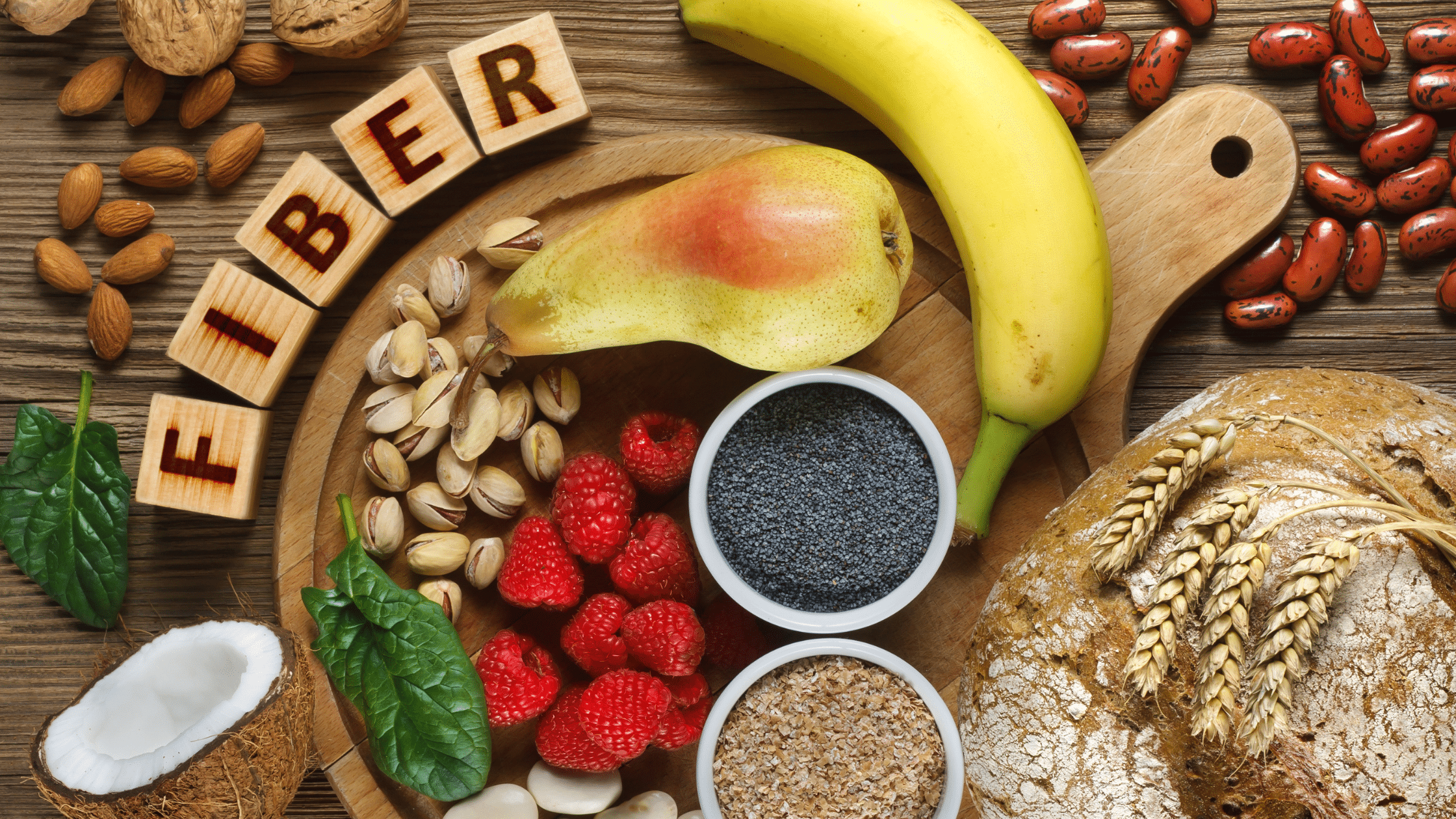
If you’re wondering where to find fiber, look no further. Here’s a comprehensive list of high-fiber foods to include in your diet:
- Fruits: Apples, bananas, oranges, strawberries, and raspberries.
- Vegetables: Carrots, beets, broccoli, and Brussels sprouts.
- Legumes: Lentils, black beans, chickpeas, and peas.
- Whole Grains: Oats, quinoa, barley, and whole wheat.
- Nuts and Seeds: Almonds, chia seeds, and flaxseeds.
Incorporating these foods into your meals can help you meet your daily fiber requirements. Start by adding a serving of fruit to your breakfast or snacking on raw vegetables throughout the day. Whole grains can easily replace refined grains in your meals, and legumes are a versatile addition to salads, soups, and stews.
Tips for Increasing Fiber Intake in Your Diet
Increasing your fiber intake doesn’t have to be challenging. Here are some simple tips to help you get started:
- Start Your Day with Fiber: Choose high-fiber cereals or oatmeal for breakfast. Add fruit and nuts for an extra fiber boost.
- Snack Smart: Opt for fruits, vegetables, and whole-grain snacks instead of processed foods.
- Incorporate Legumes: Add beans or lentils to your soups, salads, or main dishes.
- Choose Whole Grains: Replace white bread, rice, and pasta with their whole-grain counterparts.
- Add Fiber Gradually: Increase your fiber intake slowly to prevent digestive discomfort.
By following these tips, you can easily incorporate more fiber into your diet and enjoy its numerous health benefits.
How to Read Food Labels for Fiber Content
Understanding food labels can help you make better choices regarding fiber. Look for the “Dietary Fiber” content on packaged foods under the Nutrition Facts panel. A food item with 5 grams or more of fiber per serving is considered high in fiber.
Whole grains, fruits, and vegetables also indicate a higher fiber content. Avoid foods with “enriched” or “refined” grains, as they have had much fiber content removed during processing.
By becoming familiar with reading food labels, you can make more informed decisions and ensure that you’re meeting your daily fiber needs.
The Role of Fiber in Gut Health
Gut health is closely connected to overall health, and fiber is crucial in maintaining a healthy gut. Fiber acts as a prebiotic, nourishing the beneficial bacteria in your gut. These bacteria help digest food, produce essential nutrients, and protect against harmful pathogens.
A diet high in fiber can promote a diverse and healthy gut microbiome, which has been linked to improved immune function, better mental health, and a lower risk of chronic diseases.
Incorporating various fiber-rich foods into your diet can support your gut health and contribute to your overall well-being.
Fiber and Weight Management
Fiber can be a valuable ally if you’re looking to manage your weight. High-fiber foods are generally more filling than low-fiber foods, which can help you feel satisfied with fewer calories. This can lead to reduced calorie intake and support weight loss or maintenance.
Additionally, fiber helps regulate blood sugar levels, preventing the spikes and crashes that can lead to cravings and overeating. By including more fiber in your diet, you can support your weight management goals and enjoy a healthier lifestyle.
Fiber and Heart Health
Fiber has been shown to have numerous benefits for heart health. Soluble fiber, in particular, can help lower LDL (harmful) cholesterol levels by binding to cholesterol particles and removing them from the body. This can reduce the risk of heart disease and stroke.
A high-fiber diet can also help lower blood pressure and reduce inflammation, which is important for maintaining a healthy heart. By prioritizing fiber-rich foods, you can support your heart health and reduce the risk of cardiovascular disease.
Fiber for Diabetes Management
Fiber is an essential nutrient for those managing diabetes for those managing diabetes. Soluble fiber can help slow the absorption of sugar into the bloodstream, preventing rapid spikes in blood sugar levels. This can make it easier to manage blood sugar and reduce the risk of complications associated with diabetes.
Incorporating high-fiber foods into your meals can provide steady energy and help keep your blood sugar levels stable. By prioritizing fiber in your diet, you can support your diabetes management and overall health.
Which foods contain the most fiber?

High-fiber foods are essential for maintaining a healthy digestive system and overall well-being. Incorporating these nutrient-rich foods into your diet can support your journey toward better health. Here are some of the top sources of dietary fiber:
- Legumes: Beans, lentils, and chickpeas are excellent sources of fiber. They also support digestion and provide protein, making them a hearty addition to any meal.
- Whole Grains: Foods like brown rice, oatmeal, barley, and whole wheat bread are packed with fiber. Choosing whole grains over refined grains helps sustain energy levels and promotes a healthy gut.
- Fruits: Berries, apples, pears, and oranges are exceptionally high in fiber. Including various fruits in your diet can enhance your intake of essential vitamins and minerals while supporting digestive health.
- Vegetables: Leafy greens, broccoli, Brussels sprouts, and carrots are all fiber-rich. Eating a diverse range of vegetables ensures you get a mix of soluble and insoluble fibers essential for digestion.
- Nuts and Seeds: Almonds, chia seeds, flaxseeds, and sunflower seeds are excellent sources of fiber. To boost your fiber intake, add them to salads, smoothies, or snacks.
- Sweet Potatoes: Rich in fiber and loaded with nutrients, sweet potatoes can be a comforting and delicious way to support your digestive health.
How do I obtain 30 grams of fiber daily?
Achieving a daily intake of 30 grams of fiber can greatly enhance your well-being and support your journey towards holistic health. Here are some nurturing and empowering suggestions to help you reach this goal:
Breakfast
- Oatmeal: Start your day with a comforting bowl of oatmeal. Add a handful of berries and a tablespoon of chia seeds for an extra fiber boost.
- Whole Grain Toast: Enjoy two slices of whole grain toast topped with avocado or nut butter. This combination provides both fiber and healthy fats.
Mid-Morning Snack
- Fruit and Nuts: A small apple paired with a handful of almonds can be both satisfying and high in fiber.
Lunch
- Legume Salad: Make a hearty salad with mixed greens, chickpeas, lentils, and various colorful vegetables, such as bell peppers and carrots. Top with sunflower seeds for added crunch and fiber.
Afternoon Snack
- Vegetable Sticks and Hummus: Fresh celery, carrot sticks, and cucumber with a serving of hummus make a nourishing snack that contributes to your fiber intake.
Dinner
- Quinoa and Vegetables: Prepare a warm dish with quinoa as the base, complemented by steamed broccoli, Brussels sprouts, and sweet potatoes. These ingredients combined offer a significant amount of fiber.
Evening Snack
- Smoothie: Blend a smoothie with spinach, a banana, a tablespoon of flaxseeds, and unsweetened almond milk. This soothing drink can help you unwind while increasing your fiber intake.
Do eggs contain a lot of fiber?
Eggs are a nutritious and versatile food, but they do not contain fiber. They are rich in high-quality protein, vitamins, and minerals, making them an excellent addition to a balanced diet. However, it’s essential to complement eggs with other fiber-rich foods for those looking to increase their fiber intake.
Here are some simple ways to pair eggs with high-fiber foods:
- Vegetable Omelet: Incorporate vegetables like spinach, bell peppers, onions, and tomatoes into your omelet. These vegetables add fiber and enhance the dish’s nutritional value.
- Avocado Toast with Eggs: Serve poached or scrambled eggs on whole-grain toast topped with mashed avocado. The combination provides protein, healthy fats, and fiber.
- Egg Muffins: Bake egg muffins with a mix of colorful vegetables and a sprinkle of chia seeds. These are perfect for a quick, fiber-boosting breakfast or snack.
Conclusion
Fiber is a powerful nutrient that is crucial to our health and well-being. By understanding the importance of fiber, incorporating high-fiber foods into your diet, and following practical tips to increase your fiber intake, you can enjoy its numerous benefits.
Whether looking to improve your digestive health, manage your weight, support heart health, or manage diabetes, fiber is essential to a healthy diet. Commit to prioritizing fiber and take the first step towards a healthier, more vibrant you.
Consider booking a call with one of our nutrition experts for more personalized guidance and support on your wellness journey. They can help you create a customized plan to meet your needs and goals.