

Balancing a healthy diet can feel challenging, but incorporating low-calorie high-protein foods can make a significant difference.
Whether you’re looking to lose weight, build muscle, or simply improve your overall health, understanding and integrating these foods can be a game-changer.
This guide will walk you through the benefits, provide practical tips, and help you make informed choices that align with your wellness goals.
Why Choose Low-Calorie High-Protein Foods?
Understanding the benefits of low-calorie high-protein foods is crucial for anyone aiming to enhance their health.
Protein is a fundamental building block for our bodies, essential for muscle repair and growth, hormone production, and overall energy levels.
By choosing foods that are both high in protein and low in calories, you can meet your nutritional needs without consuming excess energy, supporting better weight management and overall health.
The Science Behind Protein
Protein is made up of amino acids, which are vital for various bodily functions. These amino acids help in the repair of tissues, and the production of enzymes and hormones, and are crucial for muscle development.
Your body does not store protein as it does with fats and carbohydrates, making it essential to consume enough protein daily to support your body’s needs.
Benefits of Low-Calorie Options
When you opt for low-calorie high-protein foods, you’re essentially getting the best of both worlds. These foods help in keeping you full longer, reducing the likelihood of overeating.
This satiety factor helps in maintaining a calorie deficit, which is crucial for weight loss. Additionally, high-protein diets have been shown to boost metabolism, further aiding in weight loss and maintenance.
Balancing the Diet
It’s essential to balance your diet with a variety of nutrients while focusing on low-calorie high-protein foods.
Incorporating a mix of vegetables, fruits, whole grains, and healthy fats ensures that you’re getting a well-rounded intake of vitamins, minerals, and other essential nutrients. This holistic approach supports overall well-being and helps prevent nutrient deficiencies.
Top 10 Low-Calorie High-Protein Foods
Introducing the top low-calorie high-protein foods into your diet can be incredibly easy and delicious. Here are ten foods that not only pack a protein punch but also help keep your calorie intake in check.
Chicken Breast
Chicken breast is a lean source of protein, making it a staple in many healthy diets. A 3-ounce serving contains about 26 grams of protein and only 140 calories. It’s versatile and can be grilled, baked, or stir-fried, making it easy to incorporate into various meals.
Greek Yogurt
Greek yogurt is another excellent source of protein, offering around 10 grams per 100 grams serving with just 59 calories. It’s a perfect breakfast option or snack that can be paired with fruits, nuts, or honey.
Egg Whites
Egg whites are low in calories and high in protein, providing about 3.6 grams of protein and only 17 calories per egg white. They’re perfect for omelets, scrambles, or adding to smoothies for an extra protein boost.
Cottage Cheese
Cottage cheese is a protein-rich dairy product with about 11 grams of protein and 98 calories per 100 grams. It’s great on its own, mixed with fruits, or added to salads for a creamy texture.
Tuna
Tuna is a lean fish that offers a substantial amount of protein. A 3-ounce serving contains approximately 20 grams of protein and just 100 calories. It’s perfect for sandwiches, salads, or as a topping for crackers.
Lentils
Lentils are a plant-based protein source that is both nutritious and filling. One cup of cooked lentils provides about 18 grams of protein and 230 calories. They can be used in soups, stews, or salads.
Edamame
Edamame, or young soybeans, are not only delicious but also packed with protein. One cup of cooked edamame has around 17 grams of protein and 189 calories. They make a great snack or addition to stir-fries and salads.
Turkey Breast
Similar to chicken, turkey breast is a lean meat option. A 3-ounce serving has about 25 grams of protein and only 125 calories. It’s excellent for sandwiches, salads, or as a main dish.
Quinoa
Quinoa is a unique grain that is also a complete protein, meaning it contains all nine essential amino acids. One cup of cooked quinoa provides about 8 grams of protein and 222 calories. It’s a fantastic base for bowls, salads, and side dishes.
Shrimp
Shrimp is another seafood option that is low in calories and high in protein. A 3-ounce serving contains approximately 20 grams of protein and only 84 calories. Shrimp can be grilled, sautéed, or added to pasta dishes.
Practical Tips for Incorporating Low-Calorie High-Protein Foods

Transitioning to a diet rich in low-calorie high-protein foods can be seamless with a few practical tips. Here are some strategies to help you make the most out of your dietary choices.
Meal Prepping
Meal prepping is an excellent way to ensure you have healthy meals ready to go. By preparing your meals in advance, you can control portions, manage calorie intake, and ensure that you always have high-protein options on hand.
Try cooking in batches and storing your meals in individual containers for easy access throughout the week.
Smart Snacking
Choosing the right snacks can make a big difference in your diet. Opt for snacks that are high in protein and low in calories to keep you satisfied between meals.
Greek yogurt, edamame, cottage cheese, and boiled eggs are all excellent options that can be prepared quickly and enjoyed on the go.
Balanced Breakfasts
Starting your day with a high-protein breakfast can set the tone for the rest of the day. Protein helps stabilize blood sugar levels, reducing cravings and hunger pangs later on. Consider incorporating Greek yogurt, egg whites, or a quinoa bowl into your morning routine to kickstart your metabolism.
Delicious Low-Calorie High-Protein Recipes
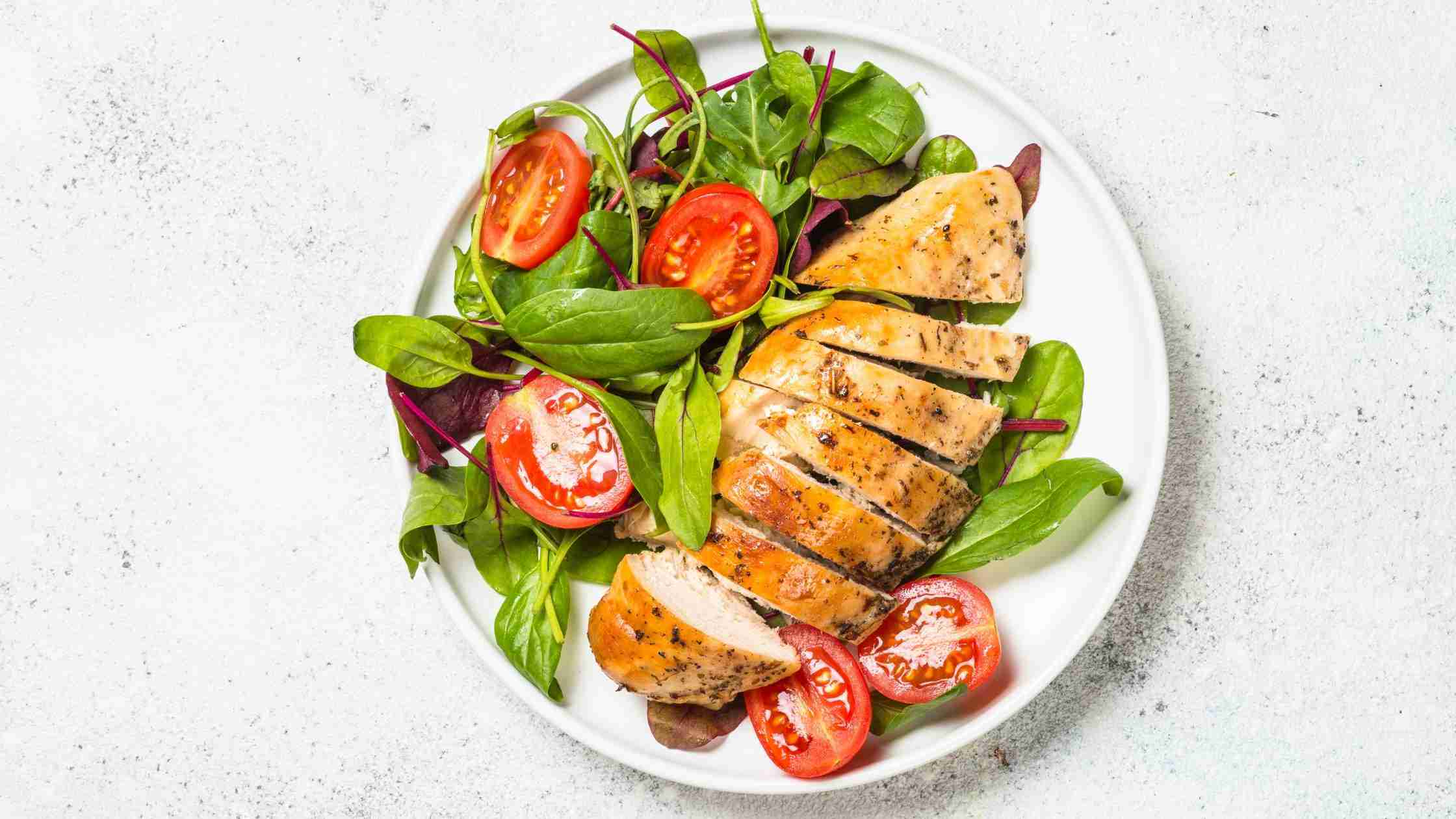
Incorporating low-calorie high-protein foods into your diet doesn’t mean compromising on taste. Here are a few delicious recipes to get you started.
Grilled Chicken Salad
Ingredients:
- 3 ounces grilled chicken breast
- Mixed greens
- Cherry tomatoes
- Cucumber slices
- 1/4 cup quinoa
- Balsamic vinaigrette
Instructions:
- Grill the chicken breast until fully cooked.
- In a large bowl, combine mixed greens, cherry tomatoes, cucumber slices, and quinoa.
- Top with grilled chicken and drizzle with balsamic vinaigrette.
Greek Yogurt Parfait
Ingredients:
- 1 cup Greek yogurt
- 1/2 cup mixed berries
- 1 tablespoon honey
- 2 tablespoons granola
Instructions:
- In a glass or bowl, layer Greek yogurt, mixed berries, and granola.
- Drizzle with honey.
- Enjoy immediately or refrigerate for later.
Lentil Soup
Ingredients:
- 1 cup lentils
- 1 diced onion
- 2 diced carrots
- 2 celery stalks, chopped
- 4 cups vegetable broth
- 1 can diced tomatoes
- 2 cloves garlic, minced
- 1 teaspoon cumin
- Salt and pepper to taste
Instructions:
- In a large pot, sauté onion, carrots, and celery until tender.
- Add garlic and cook for another minute.
- Stir in lentils, vegetable broth, diced tomatoes, and cumin.
- Bring to a boil, then reduce heat and simmer for 30 minutes or until lentils are tender.
- Season with salt and pepper to taste.
Common Misconceptions About High-Protein Diets

There are several misconceptions surrounding high-protein diets. Let’s debunk a few of the most common myths to help you make informed decisions.
Myth 1: High-Protein Diets Are Harmful to Kidneys
One common misconception is that high-protein diets can harm the kidneys. However, research shows that high-protein diets are safe for healthy individuals. It’s essential to consult with a healthcare provider if you have pre-existing kidney conditions before making dietary changes.
Myth 2: All Proteins Are Created Equal
Not all proteins are created equal. Animal proteins like chicken, fish, and dairy are complete proteins, containing all essential amino acids. Plant proteins, such as beans and legumes, may lack one or more essential amino acids. Combining different plant-based proteins can ensure you get a complete amino acid profile.
Myth 3: High-Protein Diets Lead to Nutrient Deficiencies
Another misconception is that focusing on protein means missing out on other essential nutrients. A well-balanced diet that includes a variety of foods can provide all necessary nutrients while still being high in protein. Including vegetables, fruits, whole grains, and healthy fats ensures a comprehensive nutrient intake.
ALSO READ – White Rice Bowl Calories: How to Enjoy Nutritious Meals
Creating a Sustainable High-Protein Diet
Sustainability is key when it comes to any diet. Here are some tips to help you maintain a high-protein diet in the long term.
Variety is Vital
Incorporating a variety of protein sources can prevent monotony and ensure a well-rounded nutrient intake. Mix animal and plant-based proteins to keep your meals interesting and nutritionally balanced.
Listen to Your Body
It’s essential to listen to your body’s signals and adjust your diet accordingly. If you feel fatigued or notice any adverse effects, consult with a healthcare provider or nutritionist to make necessary adjustments.
Stay Hydrated
A high-protein diet can increase your body’s need for water. Ensure you’re staying hydrated by drinking plenty of water throughout the day. This helps in digestion and overall bodily functions.
Final Thoughts on Low-Calorie High-Protein Foods
Incorporating low-calorie high-protein foods into your diet can lead to numerous health benefits, including weight management, muscle growth, and improved overall health.
By understanding the science, debunking myths, and making informed choices, you can create a sustainable and enjoyable diet that supports your wellness goals.
Remember, every individual’s dietary needs are unique. It’s important to find what works best for you and make adjustments as needed. If you’re looking for personalized guidance, consider booking a consultation with a nutrition expert.
Start Your Journey Today
Are you ready to transform your diet and lifestyle? Begin by exploring the world of low-calorie high-protein foods and discover the positive impact they can have on your health and well-being.
For more tips, recipes, and personalized advice, don’t hesitate to reach out to our team of experts. Your path to a healthier you starts now.
FAQs:
What is low in calories and high in protein?
Greek yogurt is low in calories and high in protein, making it a nutritious choice for supporting muscle growth and satiety. It also contains probiotics that promote gut health. Enjoy it as a versatile snack or breakfast option to boost your wellness journey.
How do I obtain a lot of protein without consuming a lot of calories?
Opt for lean protein sources like skinless chicken breast, tofu, or lentils. These options provide ample protein without excessive calories. Incorporate them into balanced meals to support your health and personal growth journey.
Do low-calorie, high-protein diets help people lose weight?
Yes, low-calorie, high-protein diets can aid in weight loss by promoting satiety and preserving muscle mass. This approach supports a balanced, holistic path to achieving your wellness goals, nurturing both body and mind.