

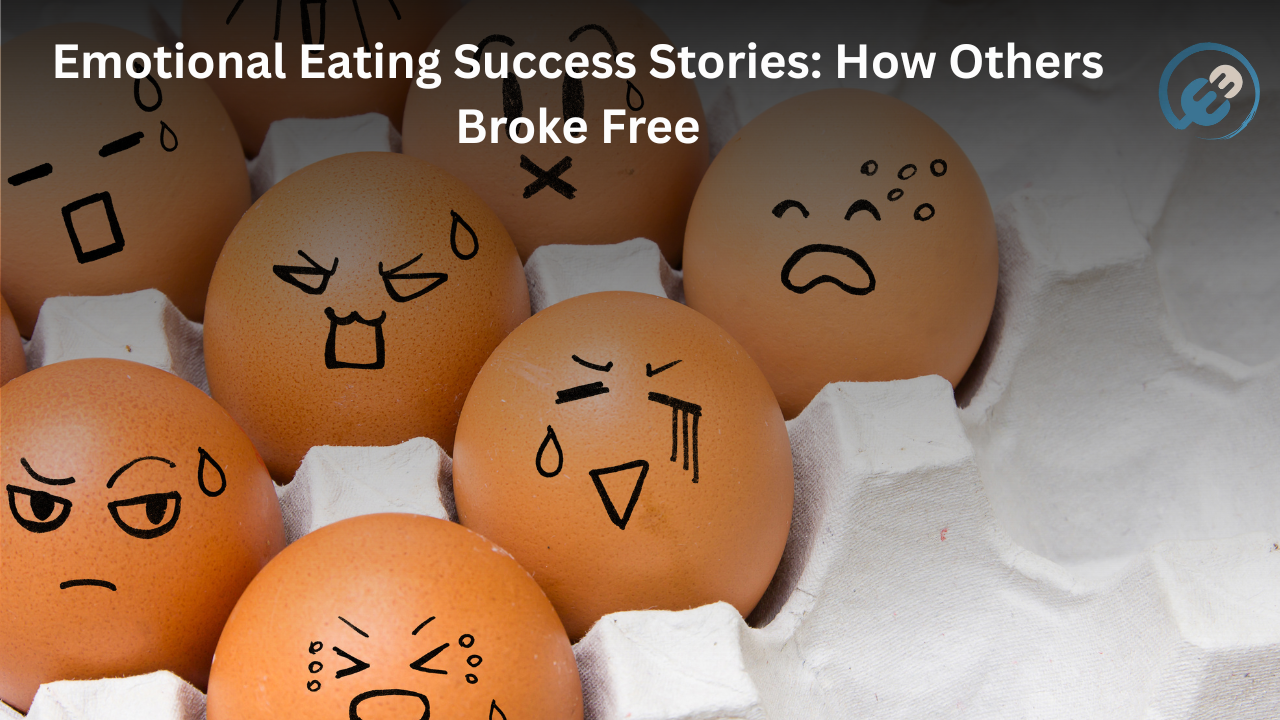
If you’ve ever found yourself reaching for food not out of hunger but to soothe stress, loneliness, or overwhelm, you’re not alone. Emotional eating is a common response to life’s challenges, and many have walked this path before you. The good news? Recovery is possible, and countless individuals have transformed their relationship with food, finding peace and balance. weljii.comEating Disorder Hope
In this article, we’ll share real-life stories of those who have overcome emotional eating. Their journeys offer hope, practical insights, and a reminder that healing is within reach.Tony Ferguson SA+3healthpub.com+3escapefromemotionaleating.com+3
1. Recognizing the Pattern: The First Step to Change
Emotional eating often begins subtly. A stressful day leads to a comforting snack, which becomes a nightly ritual. Over time, food becomes a primary coping mechanism.The Whole30® Program+5weljii.com+5Tony Ferguson SA+5Tony Ferguson SA
Rebecca’s Story: Rebecca, a full-time nanny, found herself turning to cheese and sweets during stressful moments. She shared, “My nutrition pre-Whole30 was pretty awful, and I had been dealing with emotional eating.” Through the Whole30 program, she learned to identify her triggers and developed healthier coping strategies. The Whole30® Program
Key Takeaway: Awareness is the first step. By recognizing patterns and understanding triggers, individuals can begin to make conscious choices about their eating habits.
2. Seeking Support: The Power of Community

Overcoming emotional eating isn’t a journey one has to take alone. Support groups, therapy, and community programs can provide the encouragement and accountability needed.Tony Ferguson SA+2healthpub.com+2escapefromemotionaleating.com+2
Jessica’s Experience: Jessica found solace in the “Escape From Emotional Eating” program. She noted, “Emotional eating was directly affecting my health. I tried to control my diet by tracking, measuring, and calorie counting. However, there was an army of voices in my head.” Through the program, she learned to address the emotional roots of her eating habits. escapefromemotionaleating.com+2healthpub.com+2escapefromemotionaleating.com+2escapefromemotionaleating.com
Key Takeaway: Connecting with others who understand your struggles can be transformative. Shared experiences foster empathy, reduce isolation, and offer practical strategies for change.Tony Ferguson SA+28East London NHS Foundation Trust+28Eating Recovery Center+28
3. Embracing Holistic Healing: Beyond the Plate

True recovery from emotional eating involves more than just changing dietary habits. It requires addressing the underlying emotional, psychological, and even physiological factors.The Whole30® Program+7healthpub.com+7escapefromemotionaleating.com+7
Ashley’s Transformation: Ashley Zablocki, a mother of two, lost 123 pounds in 11 months by transforming her relationship with food and incorporating exercise into her daily routine. She began by walking on a treadmill and gradually adjusted her diet, reducing portion sizes and eliminating constant snacking. With the support of therapy to address emotional triggers, Zablocki now feels mentally and physically healthier. New York Post
Key Takeaway: Addressing emotional eating requires a comprehensive approach. By nurturing both the mind and body, individuals can achieve lasting change.Beating Binge Eating: Recovery Coach+8weljii.com+8Obesity Action Coalition+8
4. Navigating Setbacks: Understanding Relapse
Recovery is rarely a straight path. Setbacks can occur, but they don’t signify failure. Understanding and preparing for potential relapses can empower individuals to stay on track.EDAW 2025
Insights from Experts: The Eating Recovery Center emphasizes that relapse can be part of the recovery journey. They liken it to the game “Chutes and Ladders,” where one might slide back but can always climb again. They advise practicing self-compassion and seeking support during challenging times. Eating Recovery Center+1Cambridge Eating Disorder Center+1
Key Takeaway: Setbacks are natural. Approaching them with understanding and resilience can reinforce one’s commitment to recovery.
5. Celebrating Success: Stories of Triumph

Every recovery journey is unique, but each success story offers inspiration and proof that change is possible.
Danielle’s Renewal: Danielle Mitchell, a 31-year-old mother, overcame eating disorders and mental health struggles to re-enter the fitness industry in a healthier, more sustainable way. Her recovery included therapy and a reassessment of her approach to health following the birth of her daughter. Realizing the importance of functional health over appearance, she banned scales, adopted a balanced diet without restrictions, and prioritized physical well-being. This led her to return to the fitness world with a renewed perspective, creating “The Lifestyle Reset Project” to support others in similar situations. news
Key Takeaway: Recovery can lead to renewed purpose and the ability to support others on their journeys.
Conclusion: Your Path to Freedom
Emotional eating is a complex challenge, but as these stories illustrate, recovery is attainable. By recognizing patterns, seeking support, embracing holistic healing, understanding setbacks, and celebrating successes, individuals can transform their relationship with food.weljii.com
Take the Next Step: If you’re ready to explore your relationship with food and embark on a journey toward healing, consider taking our free quiz for gentle insight. Additionally, our Mindful Meal Journal & Scheduling App, Enlighten Eats Course, and Coaching services are available to support you every step of the way.