


You run your fingers through your hair and feel it—thinner than before. Maybe you’ve noticed strands on your pillow, in the shower drain, or clinging to your clothes. Maybe you try to pretend it’s not happening. But inside, there’s a quiet panic: Why am I losing my hair?
For those navigating anorexia or restrictive eating patterns, hair loss can be an alarming and deeply emotional symptom. It’s not just about appearance. It’s about control. Safety. Identity.
This article is a gentle companion to those wondering why this is happening—and whether there’s hope for healing. We’ll explore the science behind anorexia and hair loss, the emotional toll it can take, and the pathways toward recovery—inside and out.
Can Anorexia Really Cause Hair Loss? The Science Explained
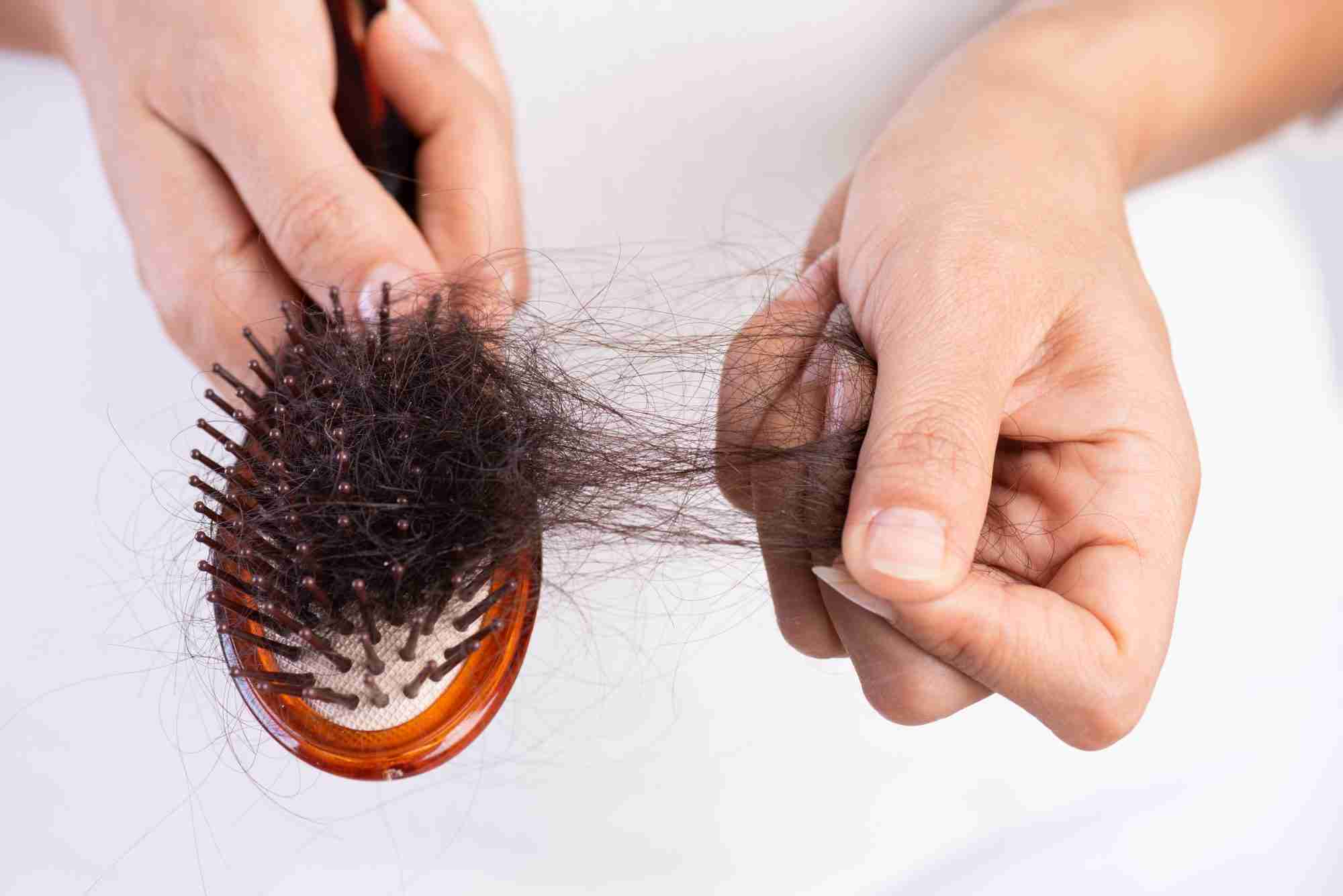
Yes—anorexia can and often does cause hair loss. The body, in its wisdom, prioritizes survival over aesthetics. When it senses prolonged energy deficiency, it conserves resources for vital organs like the heart and brain. Hair growth? Not essential.
Here’s what’s happening beneath the surface:
- Protein Deficiency: Hair is made of keratin, a protein. Without enough dietary protein, the body redirects amino acids to more urgent functions.
- Hormonal Shifts: Malnutrition can disrupt estrogen, thyroid, and cortisol levels, all of which affect the hair growth cycle.
- Telogen Effluvium: A stress response that pushes hair from the growing phase (anagen) into the resting/shedding phase (telogen), causing sudden thinning or fallout.
In a study published by The American Journal of Clinical Dermatology, telogen effluvium was found to be a common dermatological manifestation in people with anorexia nervosa (Derenzini et al., 2021). The body, essentially, is waving a red flag.
Emotional Weight: The Psychological Toll of Losing Your Hair
Hair is not just hair. It’s culture. It’s identity. It’s how many of us feel seen.
For someone already grappling with disordered eating and body image challenges, hair loss can trigger:
- Panic — “Is something seriously wrong with me?”
- Shame — “Now people will know I’m not okay.”
- Grief — A quiet mourning for the version of yourself you used to recognize
In a world that ties femininity, beauty, and self-worth to appearance, losing your hair can feel like losing your voice. But it’s also a call inward—an invitation to remember that you are more than your reflection.
Why Hair Loss Can Be a Turning Point in Recovery

For many, hair loss is the moment they realize the body is not fine. It’s a visible symptom of an invisible war happening inside.
💬 “I thought I was still in control. But when I saw my hair coming out in clumps, I knew something was really wrong.”
This realization—while painful—can be a catalyst. A pause. A nudge from the body that says: I need help. I want to live.
In many recovery stories, hair loss isn’t the end. It’s the beginning. The sign that prompts the first doctor’s visit, the first call to a coach, or the first bite of a meal that once felt terrifying.
Is Hair Loss from Anorexia Reversible? What Recovery Looks Like
The good news? Yes, hair loss from anorexia is often reversible—once the body receives consistent nourishment and begins to feel safe again.
What regrowth requires:
- Refeeding: Restoration of calories, fats, and proteins
- Micronutrients: Iron, zinc, vitamin D, and B-complex vitamins are critical for hair health
- Patience: Hair grows slowly. Expect several months before noticeable changes.
It’s important to note that even with recovery, the timeline isn’t instant. Hair follicles need time to reset, and the shedding phase may continue even as healing begins.
⏳ If hair loss persists, consult a healthcare provider. Thyroid conditions, stress, or genetic factors may also contribute.
Deeper Healing: Restoring Trust with Your Body After Hair Loss

Hair loss isn’t just physical. It can rupture your relationship with your body—especially if that body already feels foreign or unsafe.
Rebuilding that trust takes time. And gentleness.
- Name the grief. It’s okay to miss your hair. Your former self. Your sense of control.
- Practice safety. Soothing routines, cozy clothes, warm food, and slow breathing help the nervous system feel anchored again.
- Invite softness. Not every moment needs to be strong. You are allowed to feel tender, even lost.
→ Want to begin reconnecting with your body’s cues?
Explore our Mindful Meal Journal App to reflect, eat, and rest without shame.
What Helps: Practical and Emotional Support for Hair Loss and Recovery
You don’t have to fix this alone. You don’t have to fix anything at all. But here are some supports that can help your body and spirit reweave:
Practical
- Gentle hair care: Avoid tight hairstyles, heat, or harsh brushing
- Nutrient-rich foods: Eggs, leafy greens, fatty fish, beans, seeds
- Supplements: As advised by a doctor or dietitian
Emotional
- Talking to others: Whether on Reddit, in therapy, or with a coach
- Art/journaling: Expressing grief without words
- Allowing help: Let someone hold this with you
Next Steps on the Path to Healing: Tools That Can Support You

Healing from anorexia-related hair loss isn’t just about hair. It’s about coming back to life.
Here are some steps that can walk with you:
- 🌀 Take the free food relationship quiz for insight into your inner patterns
- 📓 Use the Mindful Meal Journal App to track without obsession
- 💬 Try coaching to move through grief and confusion with a trusted guide
- 🌱 Learn through our Enlighten Eats Course how to rebuild body trust from the inside out
Conclusion: Your Body Wants to Heal — Including Your Hair

Your hair may feel like the most visible loss—but it’s not the whole story.
Your body has been surviving. Trying. Asking.
And it hasn’t given up on you.
With nourishment, safety, and care—your hair can regrow. But more importantly, you can regrow. You can come home to your body. You can feel the warmth of healing—not because you’re fixed, but because you’re finally free to be whole.