


Depression and binge eating disorder often go hand-in-hand, creating a painful cycle of emotional numbness, shame, and compulsive eating.
You feel low, heavy, disconnected from life.
You eat to soothe, to feel something, to disappear.
Then comes the guilt, the crash… and deeper depression.
It’s not your fault.
It’s not about willpower.
It’s about survival patterns—patterns you can change.
This is a story about real recovery—from two brothers who’ve lived it and a client named Jen who broke free.
Meet Jen: A Story of Hope and Healing from Binge Eating and Depression

Jen remembers binge eating as early as 10 years old.
Thanksgiving. Painfully full. Couldn’t stop eating.
“I just couldn’t or didn’t stop,” she said. “And I remember feeling ashamed even then.”
For years, she used food to cope with depression, boredom, and anxiety. She didn’t call it binge eating. She thought it was just a “bad habit.”
That changed when she took a binge eating disorder quiz and scored 10 out of 10.
“That was my wake-up moment,” she said. “I realized… this is real. And I’m not okay.”
So she reached out for help.
She didn’t just heal her eating. She changed her life.
Jared & Skyler’s Journey Through Depression and Food Struggles
We’re Jared and Skyler—two brothers who struggled with binge eating and depression for years.
Jared coped by controlling everything. Wrestling. Perfectionism. Starving during the day, binging at night.
Skyler shut down emotionally. Food became comfort and escape.
It wasn’t until we went beyond diets and willpower into trauma healing, emotional processing, and soul work that things truly shifted.
That’s why we created the Eating Enlightenment 3-Stage Process. And it’s the process Jen followed too.
The Eating Enlightenment 3-Stage Healing Model

Stage 1: Foundation – Stabilize with Food and Structure
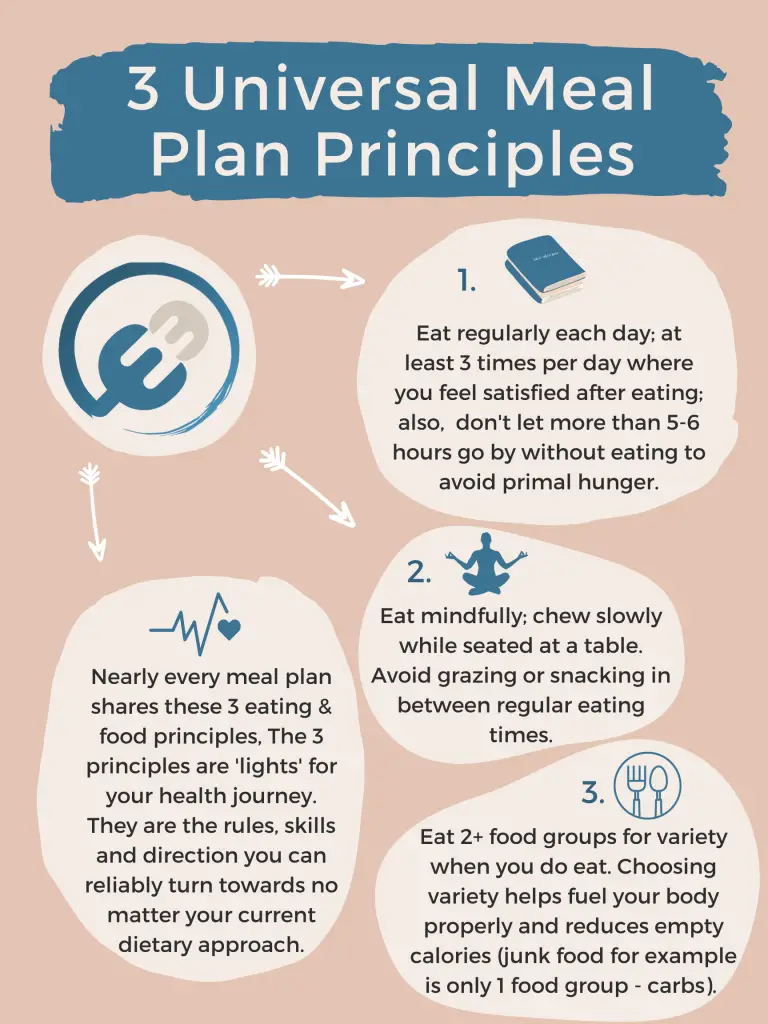
Jen thought skipping breakfast was “being good.” But by night, she was ravenous—and that’s when the binges hit hardest.
In Stage 1, we focus on consistent, balanced nutrition:
- Eat three meals a day, no skipping
- Include protein, fat, and fiber
- Ditch diet rules—your body needs safety, not scarcity
Jen said:
“Once I started eating enough, my brain stopped panicking. I could finally think clearly.”
This stabilizes blood sugar, calms cravings, and resets your nervous system—a critical first step in healing both binge eating and depression.
Stage 2: Awareness – Journal, Feel, Listen
At first, Jen said:
“I’m not an accountable person. Journaling isn’t for me.”
But when she started writing down her thoughts, she noticed something shift.
She saw her inner critic clearly.
She heard the pain underneath the binge urges.
She began separating her Self from the stories in her mind.
In Stage 2, we guide clients to:
- Identify binge triggers
- Name emotional patterns
- Practice compassionate self-talk
This creates space between thought and action—and that’s where healing begins.
Stage 3: Integration – Soul Connection and Embodied Transformation

Jen’s depression didn’t just come from food.
It came from disconnection—from her emotions, her body, and her sense of self.
In Stage 3, we go deeper:
- Explore Inner Child work
- Use IFS (Internal Family Systems) to meet binge “parts”
- Reconnect to your higher Self—the calm, wise voice within
Jen told us:
“Now I can feel my urges without reacting. I can breathe. I feel connected to something deeper. That’s new for me.”
This is where binge urges truly dissolve.
Not through force—but through integration.
Jen’s Results

| Stage | What Jen Did | Key Shifts |
|---|---|---|
| Stage 1 | Ate breakfast daily, stopped skipping meals | Body calmed down, binge urges softened |
| Stage 2 | Journaled emotions & thoughts before meals | Clarity, less compulsion, compassion |
| Stage 3 | Explored parts work, did inner child healing | Energy shift, soul reconnection |
Before:
- Daily bingeing
- Emotional exhaustion
- Hiding, numbing, disconnecting
After:
- No more nightly binges
- Calm meals with her kids
- Self-trust and emotional resilience
“I used to think food was the problem. Now I know food was trying to help me. And I’ve learned how to listen to what I really need.”
FAQ: Depression and Binge Eating Disorder
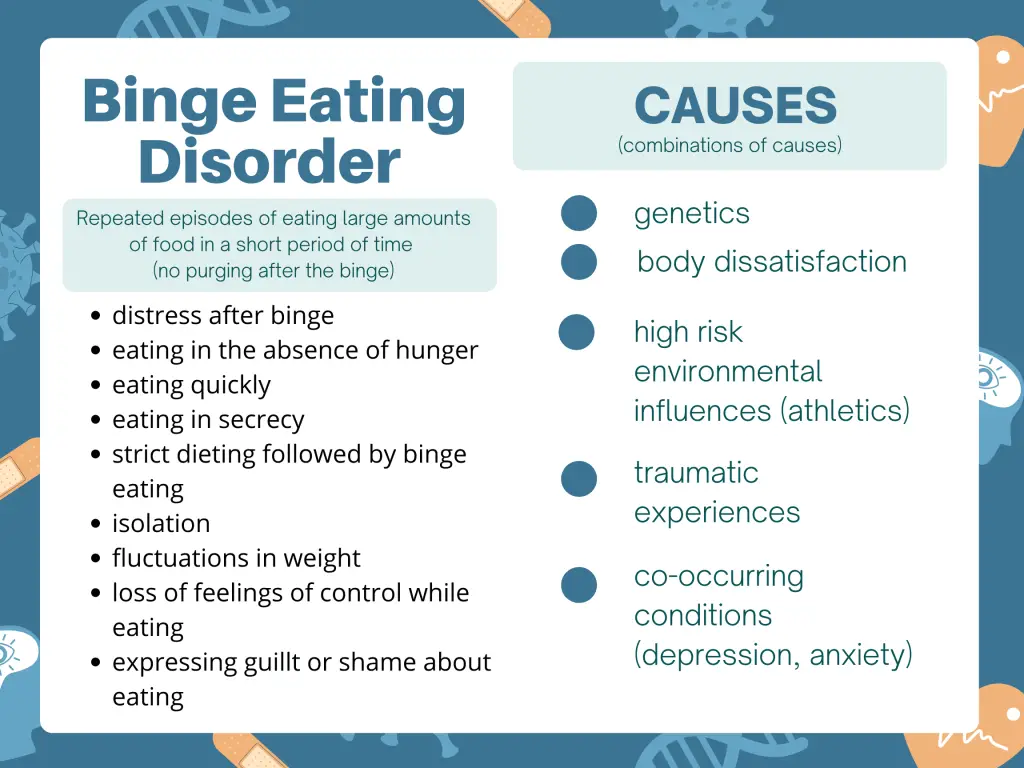
How common is it to have both depression and binge eating?
Very common. Studies show:
- Over 50% of people with binge eating disorder also suffer from depression.
- Depression increases impulsive eating, emotional numbing, and food cravings.
Source: NIMH
What are the signs of binge eating disorder?
- Frequent episodes of eating large amounts of food quickly
- Feeling a loss of control while eating
- Eating past fullness
- Shame, guilt, and hiding eating behaviors
- Eating to cope with emotions or boredom
What’s the difference between emotional eating and binge eating disorder?
| Symptom | Emotional Eating | Binge Eating Disorder |
|---|---|---|
| Loss of control | Sometimes | Frequent, intense |
| Frequency | Occasional | Multiple times per week or daily |
| Shame/Guilt afterward | Mild | Severe, distressing |
| Eating past fullness | Occasional | Regular and extreme |
| Triggers | Emotions/stress | Emotions, biology, trauma history |
| Impact on daily functioning | Low to moderate | High – affects sleep, mood, relationships |
Can binge eating disorder be cured?
Yes. Recovery is possible.
With proper support, up to 85% of people experience lasting relief.
Source: American Psychological Association
What treatment is most effective?
The best results come from combining:
- Consistent, non-restrictive nutrition
- Cognitive Behavioral Therapy (CBT-E)
- Dialectical Behavioral Therapy (DBT)
- Parts Work / IFS Therapy
- Somatic therapy for nervous system healing
Is medication helpful?
SSRIs can help reduce binge frequency and stabilize mood in some people.
But meds alone aren’t a cure—they work best alongside emotional and behavioral healing.
What’s the first step I can take today?
Start with breakfast.
Then write one honest sentence in a journal.
Just begin. You don’t have to fix everything at once.
Your Healing Is Possible
Jen’s story isn’t rare.
It’s what happens when people stop blaming themselves and start understanding their patterns.
You don’t need more discipline.
You need more safety, compassion, and connection—starting with your body.
That’s what we do inside the Enlighten Eats Course and Coaching Program.
It’s not a diet. It’s not a quick fix.
It’s a return to the You that’s been there all along.
👉 Click here to start your healing journey
or
📥 Download our free emotional eating journal tool