


There’s a quiet moment after a binge—maybe the wrappers are still on the floor, or the fridge door is open again. Maybe you’re numb. Maybe you’re ashamed. Maybe you’ve promised yourself it won’t happen again.
If this is where you are, or have been, this article is for you.
Binge eating isn’t a failure. It’s a pattern of protection—an emotional loop built for survival. And it can be healed.
Cognitive Behavioral Therapy (CBT) is one of the most researched, effective, and compassionate tools for interrupting the binge cycle—not by force, but by gently untangling thoughts, feelings, and behaviors.
In this guide, we’ll explore:
- What CBT is (and isn’t)
- How it specifically helps with binge eating
- What a session might look like
- How to combine CBT with nervous system healing and community support
- Next steps you can take—today
✨ Curious about your relationship with food? Take our free quiz for personalized insight.
What Is Cognitive Behavioral Therapy (CBT)?
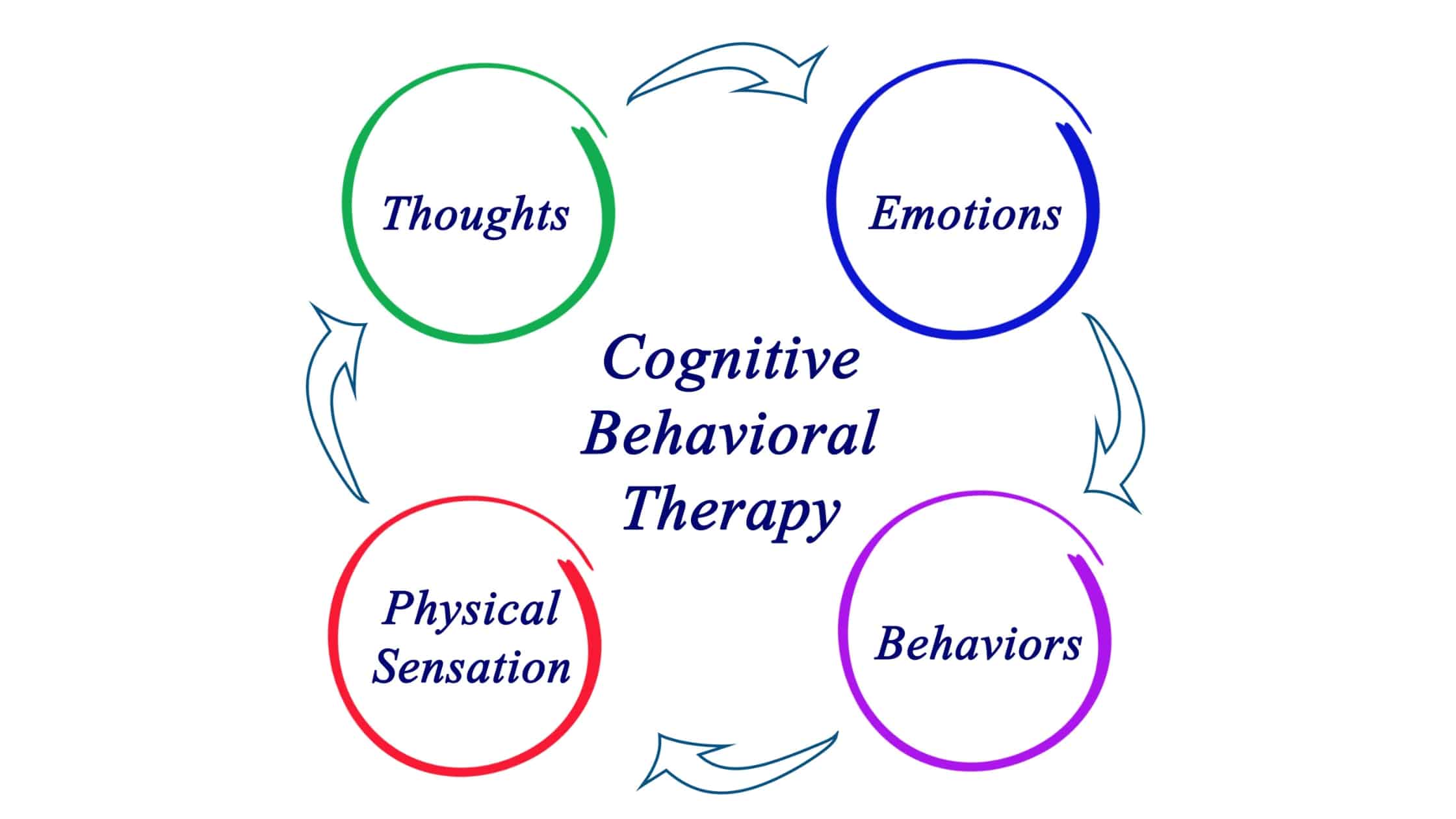
Cognitive Behavioral Therapy is a goal-oriented, evidence-based form of talk therapy that focuses on identifying and changing unhelpful thoughts and behaviors.
Rather than digging endlessly into the past, CBT works by:
- Identifying distorted beliefs (e.g., “I’m bad because I overate”)
- Interrupting automatic thought loops
- Replacing self-punishment with compassion and curiosity
- Practicing new behaviors, like mindful eating, boundary setting, or body respect
CBT is not about perfection.
It’s about progress—gently turning toward yourself, again and again, with new tools and perspectives.
“The goal isn’t to never binge again. It’s to respond differently when you do.” — Enlighten Eats
Why CBT Works for Binge Eating Disorder
Binge Eating Disorder (BED) is the most common eating disorder in the U.S., yet often misunderstood. At its core, binge eating is a coping mechanism—a way to handle unbearable emotion, unmet needs, or trauma stored in the body.
CBT helps by:
- Unpacking the binge cycle: What happens before, during, and after?
- Rewriting the inner critic: Changing self-talk from shame to support
- Building skills for distress tolerance
- Restoring food as nourishment, not punishment or rebellion
📘 Our Enlighten Eats Course offers a deeper dive into the emotional and cognitive roots of disordered eating—and how to reclaim food freedom.
What a CBT Session for Binge Eating Might Look Like
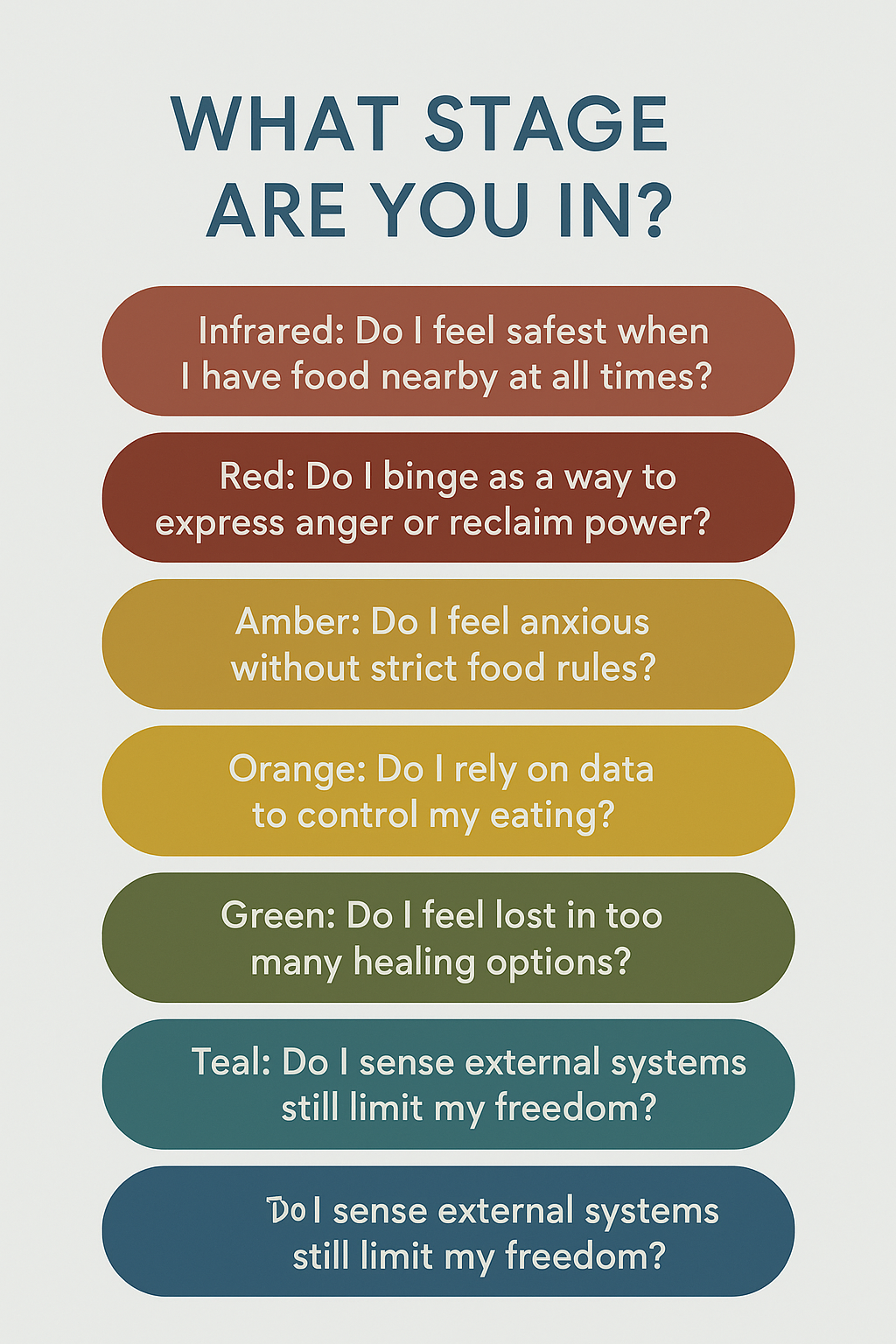
Here’s an example:
You tell your therapist, “I lost control last night. I ate an entire pizza and then cried.”
They don’t shame you.
Instead, they help you reconstruct the timeline:
- What thoughts were swirling beforehand? (“I don’t deserve dinner if I didn’t exercise.”)
- What emotions were underneath? (Guilt, fatigue, loneliness)
- What need was unmet? (Rest. Comfort. Connection.)
- What meaning did you make of the binge? (“I’m a failure.”)
Then, they help you challenge that story.
They introduce tools—maybe an urge log, a values journal, or a distress tolerance exercise.
And they help you prepare for next time:
“What’s one kind thing you can do for yourself after a hard day—before you open the fridge?”
Research Supporting CBT for Binge Eating
According to a 2020 meta-analysis in Behaviour Research and Therapy, CBT significantly reduces binge episodes and improves emotional regulation compared to other interventions. Another study in the International Journal of Eating Disorders showed that guided self-help CBT led to sustained improvements after 12 months.
CBT works.
But more importantly: it meets you where you are—without demanding that you “just stop eating.”
Nervous System Awareness: Beyond the Brain

CBT is powerful—but it’s not enough on its own if your nervous system is constantly in a state of dysregulation.
If you find yourself bingeing after freeze responses…
If you’re stuck in fawn or flight all day and collapse at night into the cupboard…
That’s not a thought problem. That’s a nervous system calling for co-regulation.
This is where body-based tools matter:
- Gentle breathwork
- Grounding practices before and after meals
- Co-regulation with a therapist, coach, or friend
- Softening into safety—not discipline
📓 Our Mindful Meal Journal App blends CBT-style reflection with somatic attunement for daily integration.
How to Start CBT for Binge Eating
Here are your options:
1. Therapist-Delivered CBT
- Look for someone trained in CBT-E (enhanced CBT for eating disorders)
- Ask if they specialize in trauma-informed or nervous system-aware care
2. Self-Help CBT (Guided or Independent)
- Books like “Overcoming Binge Eating” by Dr. Christopher Fairburn
- Evidence-based online CBT programs
3. CBT-Informed Coaching
- Coaches trained in CBT can help you implement strategies day-to-day, offering compassionate accountability
💬 Ready for customized, judgment-free support? Explore coaching here—you don’t have to walk this alone.
CBT Isn’t About Controlling You—It’s About Reclaiming You
If binge eating has stolen your joy, your time, your peace, your hope—please know this:
CBT doesn’t just “fix” symptoms.
It helps you understand yourself.
It helps you stop making food the enemy.
And it helps you return to your body—not as a battleground, but as home.
Gentle Next Steps
- ✨ Take the quiz to explore your patterns with compassion
- 📘 Learn more in the Enlighten Eats Course
- 📓 Start journaling with the Mindful Meal App
- 🤝 Explore coaching support for daily encouragement