


Maybe your dog used to leap for the food bowl. Maybe they danced at the sound of kibble hitting metal. But now? Nothing. The bowl sits full. Treats go untouched. You offer cooked chicken—still, no interest.
And beneath the frustration and confusion is something deeper: worry. Because when a dog stops eating, it feels like something in the rhythm of your relationship shifts.
They can’t tell you what’s wrong. But they’re telling you something.
This article explores a gentle, layered question: Can dogs develop anorexia? We’ll look at the medical, emotional, and environmental roots of appetite loss in pets—and offer steps you can take to support them without panic or pressure.
Can Dogs Really Have Anorexia? A Clarifying Look at the Term

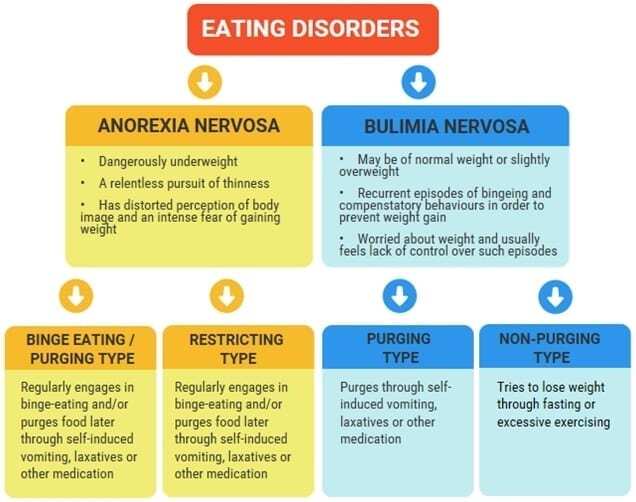
In veterinary medicine, “anorexia” means loss of appetite, not an eating disorder in the human psychological sense.
There are two types:
- True anorexia: Your dog has no desire to eat at all.
- Pseudo-anorexia: Your dog wants to eat but is physically unable due to pain or illness.
So while dogs don’t have the same cognitive patterns of body image distortion or shame as humans, their nervous systems and emotional environments still deeply impact appetite. And in some cases, their loss of interest in food mirrors the emotional distress we might associate with eating disorders in people.
According to a 2021 article in Veterinary Clinics of North America, inappetence is one of the most common reasons dogs are brought to the vet—especially in aging dogs or those with chronic illness (Tivers, 2021).
In this way, anorexia in dogs is not a disorder of vanity or identity—but a somatic signal. A way their bodies communicate imbalance, illness, or emotional overwhelm.
Common Causes of Appetite Loss in Dogs: It’s Not Just “Being Picky”
Just like in humans, appetite in dogs is sensitive to inner and outer change.
Medical causes include:
- Dental pain (broken tooth, infected gums)
- GI upset (nausea, parasites, food intolerance)
- Kidney or liver disease
- Cancer or chronic illness
- Medication side effects
Emotional/environmental causes include:
- Anxiety or grief (loss of a pet or person, changes in routine)
- Relocation or disruption (moving homes, new schedules, loud environments)
- Previous trauma (especially for rescues)
- Owner stress (yes, they feel it—your tension becomes theirs)
It’s important to understand that dogs are relational, sensory creatures. They may respond to the smallest shifts: a new food smell, a tense household, a missing companion.
Their silence is not indifference. It’s protection.
One pet parent shared: “After our divorce, Max stopped eating for three days. The vet found nothing wrong. Turns out he was grieving too.”
How the Nervous System Affects Appetite in Dogs

Dogs, like humans, have nervous systems shaped by safety, connection, and environment. When they feel unsafe—physically or emotionally—their systems may enter a freeze or shut-down state.
This often looks like:
- Withdrawing from food or people
- Curling up in unusual places
- Refusing even favorite treats
- Lethargy or extra sleep
What’s happening here is not “bad behavior.” It’s nervous system dysregulation—a state where survival instincts override normal hunger cues.
This mirrors what happens in humans with trauma-based appetite loss: when the body doesn’t feel safe, digestion shuts down, and nourishment becomes secondary.
Creating a sense of co-regulated safety—through presence, routine, and calm—can gently help the appetite return.
Signs Your Dog Might Be Experiencing Anorexia (and What to Do)
Here are common behavioral and physical signs to watch for:
Behavioral
- Refusing food for more than 24 hours
- Suddenly disinterested in favorite treats
- Eating only when hand-fed
- Avoiding the food area
- Whining or pacing near food but not eating
Physical
- Weight loss or muscle wasting
- Vomiting or diarrhea
- Drooling or pawing at the mouth
- Bad breath or oral swelling
- Lethargy, shaking, or hiding
What you can do:
- Book a vet appointment immediately to rule out medical causes
- Keep a food diary (note what they eat, when, and under what conditions)
- Minimize environmental stressors (loud noises, chaotic schedules)
- Try warming food slightly to increase smell
- Offer hand-feeding with calm voice and presence
- Avoid forcing—this can increase stress and aversion
Our mindful journaling app can help you gently track your dog’s eating rhythms and behavior shifts—without pressure, just presence.
How Dogs Mirror Our Emotions Around Food

This may sound tender and strange, but it’s worth saying: dogs often reflect our internal worlds.
If you are navigating your own food challenges—restriction, guilt, control—your dog may be absorbing that energy. They feel your rhythms. Your pauses. Your panic.
This doesn’t mean you’re causing their anorexia. But it does mean that healing might be mutual.
A client once said:
“I realized I only relaxed at meals when my dog was okay. And she only ate when I was calm. We were dancing with each other’s nervous systems.”
This is the social nervous system at play. Co-regulation—between human and animal—is real. And it means that supporting their healing can sometimes nudge us toward our own.
When Appetite Loss Signals a Deeper Transition (End of Life)
It’s painful to name, but important: appetite loss can be a sign that your dog is preparing to let go.
In older pets or those with terminal conditions, refusing food may be part of the body’s natural slowing down. It doesn’t always mean suffering—but it does mean a shift is happening.
Signs to watch for:
- Refusal of all food and water
- Withdrawing from contact
- Labored breathing or incontinence
- Fatigue that doesn’t lift
In these moments, compassion—not correction—is the medicine. Talk to your vet about palliative care or euthanasia options. Sit with them. Breathe. Let them know they are loved, not for eating or obeying—but simply for being.
How to Support a Dog with Anorexia (Without Panic or Pressure)

Healing often begins not with doing more, but with softening what’s already here.
Supportive steps:
- Establish predictable routines (same mealtimes, same space)
- Use low-stress feeding environments (quiet, away from high-traffic zones)
- Practice calm, grounded presence during feeding
- Explore safe, vet-approved appetite stimulants if recommended
- Reframe feeding as an invitation, not a demand
Above all: trust the relationship. Your dog is not giving up. They’re communicating. And your steady presence matters more than the perfect meal.
Feeling overwhelmed? Our coaching team can support you in understanding the emotional toll of caregiving—especially when it reflects your own food journey.
Conclusion: Listening Beneath the Bowl
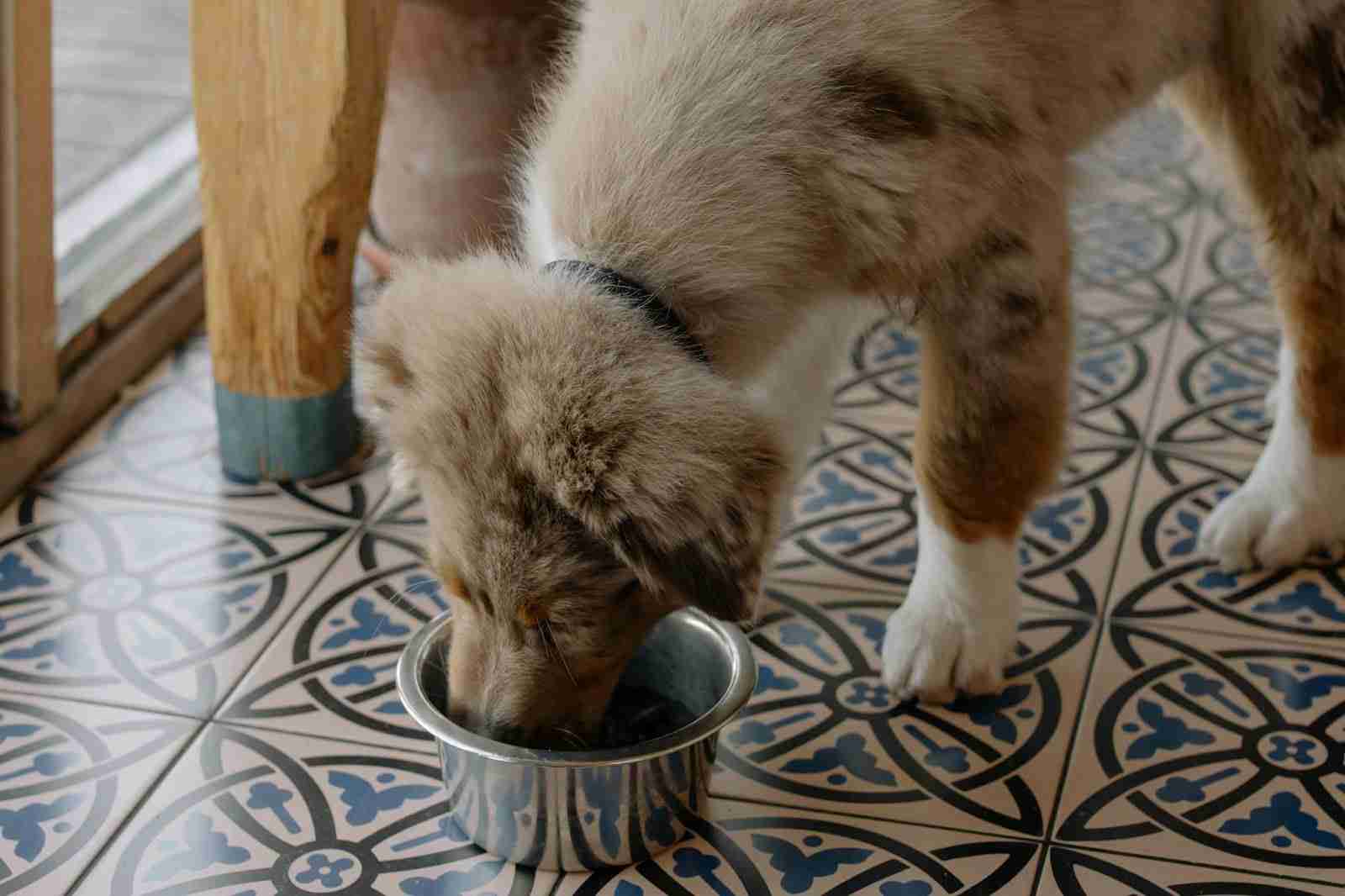
When your dog stops eating, it’s not just a disruption to routine—it’s an emotional signal.
They may not speak. But they’re telling you something through silence. Through stillness. Through that untouched bowl.
Whether it’s illness, stress, grief, or age, their refusal is never stubbornness. It’s sensitivity. A body asking for understanding, not urgency.
In caring for their appetite, we often reconnect with our own. And in helping them feel safe, we remember what it means to soften into trust again.
Begin with our free food relationship quiz if your own appetite feels tangled too.
Or explore our mindful meal and behavior journal—created for both humans and their healing rhythms.