


In our pursuit of well-being and a deeper understanding of our bodies, we must approach each aspect of our health with compassion and curiosity.
Today, we’re gently fizzing open a conversation about a common experience many of us share but might not fully understand—bloating caused by fizzy drinks.
Bloating can feel uncomfortable, leaving us searching for answers and solutions that align with our holistic approach to health.
It’s a sensation that can affect our emotional and physical well-being, reminding us of the interconnectedness of our dietary choices and overall health.
Understanding Bloating

Before we dive into the lively world of fizzy drinks, let’s first wrap our arms around what bloating is.
In simple words, bloating is a feeling of fullness or swelling in the abdominal area, often accompanied by discomfort. Our body tells us something is stirring within, seeking our attention and care.
Fizzy drinks, with their delightful bubbles and satisfying pop, are a staple in many of our lives.
They offer a moment of refreshment and joy, but for some, they can also bring an unwelcome guest—bloating.
Why Do Fizzy Drinks Cause Bloating?
When we enjoy a fizzy drink, we’re actually ingesting tiny bubbles of carbon dioxide gas. As we drink, some of this gas can get trapped in our digestive system. This trapped gas can cause our stomach to feel full and bloated, leading to discomfort.
It’s a gentle reminder from our bodies that what we consume can affect us in various ways, nudging us to make good choices that support our health.
How can you get rid of carbonated bloating?
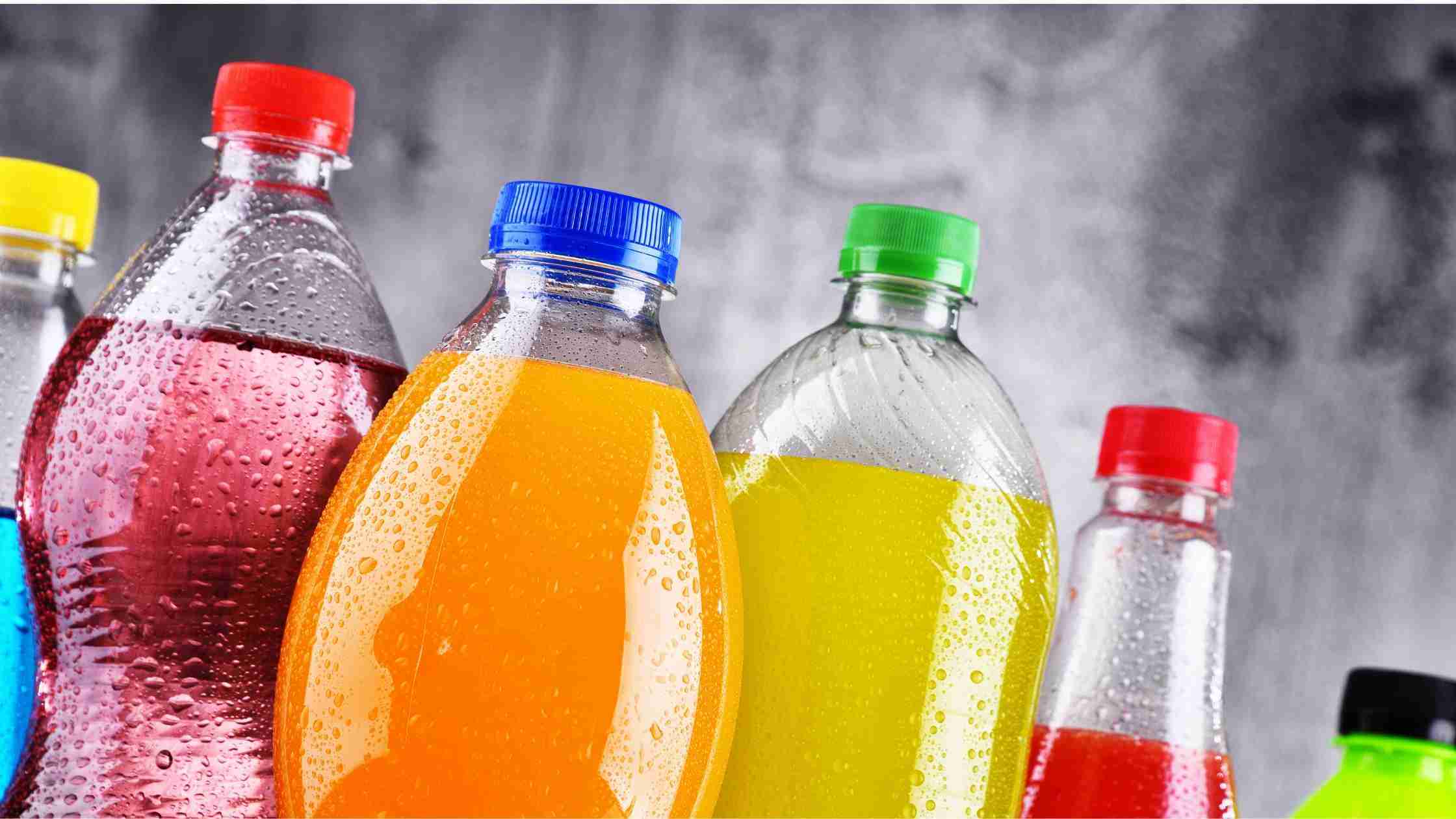
To reduce carbonated bloating, try these quick tips:
- Opt for still water instead of carbonated drinks.
- Avoid using straws to prevent swallowing air.
- Limit consumption of gas-producing foods like beans and carbonated beverages.
- Engage in regular physical activity to aid digestion.
Fizzy Drinks: Pros and Downsides
When it comes to fizzy drinks, commonly known for their enthusiasm and refreshing taste, there are both positive aspects and downsides to consider:
Pros:
- Refreshing Sensation: Fizzy drinks offer a bubbly and crisp sensation that many find enjoyable, especially on a hot day or as a treat.
- Variety of Flavors: The market offers a wide array of flavors in carbonated drinks, catering to diverse taste preferences and providing a range of options.
- Social Enjoyment: Fizzy drinks can be a social beverage. They are often served at gatherings and events, adding to the convivial atmosphere.
Downsides:
- Sugar Content: Many fizzy drinks are high in sugar, which can contribute to weight gain, dental issues, and p
- Carbonation Effects: The carbonation in these drinks can lead to bloating discomfort and may exacerbate gastrointestinal issues in some individuals.
- Caloric Intake: Regular consumption of sugary fizzy drinks can add significant empty calories to one’s diet, potentially impacting overall health and weight management.
Do fizzy drinks help stomach aches?

Fizzy drinks may not be the best choice for alleviating stomach aches. The carbonation in fizzy drinks can sometimes exacerbate stomach discomfort by introducing gas into the digestive system, potentially leading to bloating and increased pain.
To ease stomach aches, it is generally advisable to opt for non-carbonated, soothing beverages like herbal teas, ginger ale (non-carbonated), or plain water.
Additionally, if stomach issues persist or worsen, it is always recommended to consult with a healthcare professional for personalized advice and treatment.
6 Beverages That Cause Bloating
Here are six beverages that can contribute to bloating, along with some informative insights:
- Soda: Carbonated drinks like soda can introduce gas into your digestive system, leading to bloating and discomfort.
- Alcohol: Beer and fizzy cocktails can cause bloating due to carbonation and fermentation in the gut.
- Diet Drinks: Sugar-free beverages containing artificial sweeteners can sometimes lead to bloating and gas in sensitive individuals.
- Coffee: While coffee is a diuretic, excessive consumption can irritate the stomach lining and contribute to bloating.
- Energy Drinks: High caffeine and sugar in energy drinks can disrupt digestion and lead to bloating.
- Fruit Juices: Some fruit juices high in fructose can be hard to digest, leading to bloating for some individuals.
Being mindful of these beverages and their effects on your body can help you make informed choices to reduce bloating and promote digestive wellness. Remember, hydration with water is critical for overall health and digestion.
How long does soda bloating last?

Soda bloating can last for varying durations depending on individual factors. Some people may experience bloating shortly after drinking soda, while for others, it could persist for a few hours. If you regularly face bloating after consuming carbonated beverages, monitoring your symptoms and reducing your intake is essential.
To alleviate soda-induced bloating, you can implement the following strategies:
- Opt for still water instead of carbonated drinks.
- Limit consumption of gas-producing foods like beans and carbonated beverages.
- Engage in physical activity to aid digestion and reduce bloating.
- Drink soda slowly or in small amounts to allow your stomach to adjust to the carbonation, which can help prevent gas and bloating.
This link provides insights on reducing bloating and maintaining digestive wellness: Medical News Today—18 ways to reduce bloating: Quick tips and long-term relief. Listening to your body’s responses to different foods and beverages is crucial in managing bloating effectively.
Foods That Cause Bloating
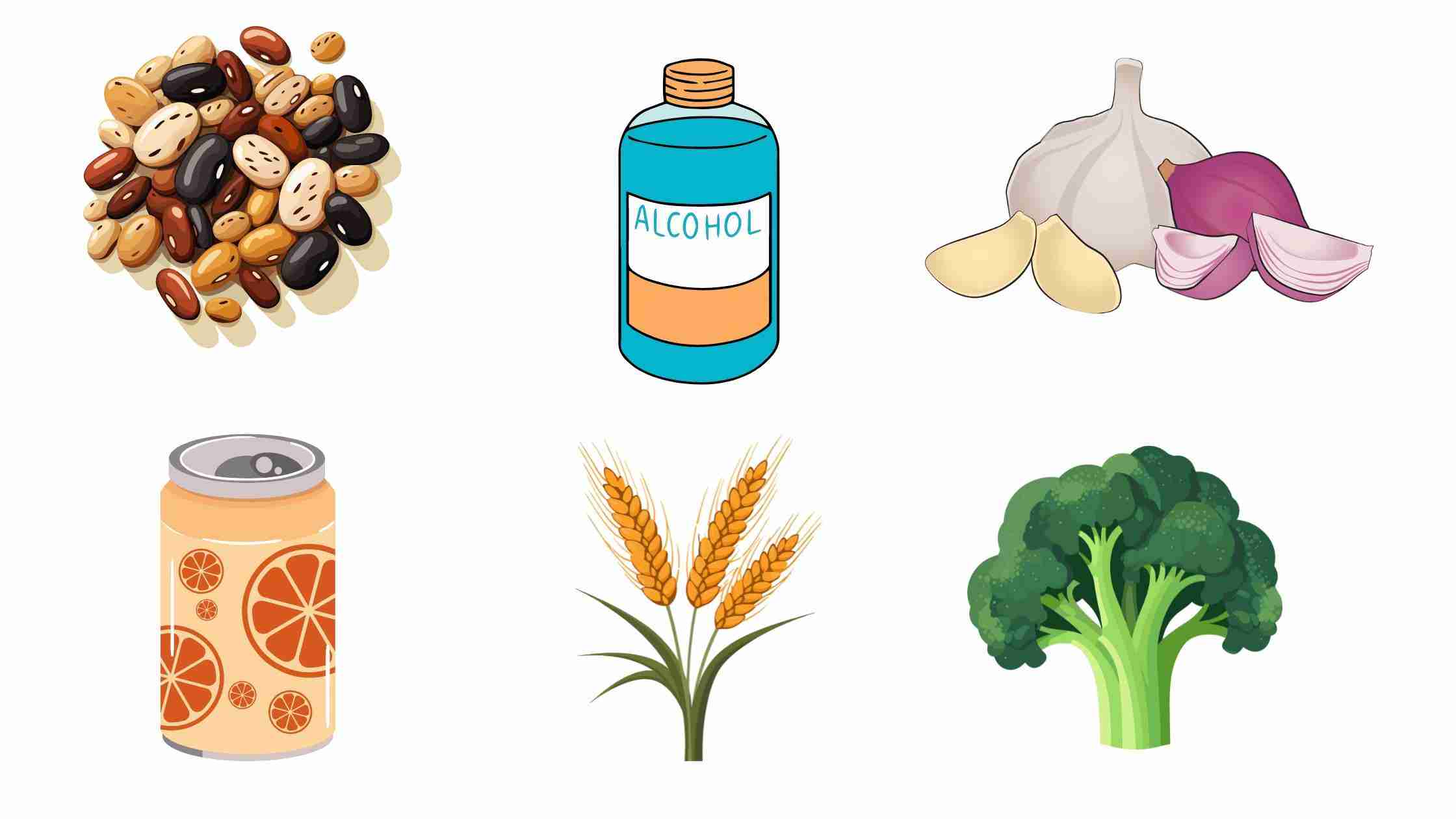
Regarding foods that can cause bloating, being mindful of your diet is critical to managing discomfort. Here’s a list of common culprits, along with alternative options to consider:
- Beans: Beans are fiber-rich, but their complex carbohydrates can lead to bloating. Consider opting for well-cooked beans or lentils to aid digestion.
- Sugar alcohols: Found in certain sugar-free products, sugar alcohols like sorbitol and xylitol can ferment in the gut, causing gas and bloating. Check labels for sugar and alcohol content.
- Garlic and onions: These flavorful additions can trigger bloating in some individuals. For similar flavors, experiment with garlic-infused oils or chives.
- Carbonated beverages: The bubbles in soda can introduce gas into your digestive system, leading to bloating. Swap carbonated drinks for still water to reduce gas intake.
- Wheat/Rye/Barley: Gluten-containing grains can be hard to digest for some people, contributing to bloating. Explore gluten-free alternatives like quinoa or rice.
- Cruciferous vegetables: Foods like broccoli, cauliflower, and Brussels sprouts contain raffinose, a sugar that can cause gas. To aid digestion, enjoy these veggies cooked instead of raw.
By making mindful choices and being aware of how these foods affect your body, you can reduce bloating and improve your overall digestive comfort.
- (Source: Gastroenterologist San)
- (Source: Cleveland Clinic)
- (Source: Healthline)
Foods that reduce bloating quickly

Here are some foods that can help reduce bloating quickly while supporting overall digestive health:
- Ginger: Known for its anti-inflammatory properties, ginger can soothe the digestive system and alleviate bloating. Try ginger tea or add fresh ginger to meals.
- Peppermint: Peppermint oil has been shown to relax the muscles of the GI tract, reducing bloating and gas. Enjoy a cup of peppermint tea after meals.
- Pineapple: This tropical fruit contains bromelain, an enzyme that aids in digestion and can help reduce bloating. Enjoy fresh pineapple as a snack or in smoothies.
- Probiotic-rich foods: Foods like yogurt, kefir, and kimchi contain beneficial probiotics that support gut health. These can help balance your gut flora and reduce bloating.
- Cucumber: With high water content and a mild diuretic effect, cucumbers can help reduce water retention and bloating. Add cucumber slices to salads or enjoy them as a refreshing snack.
Incorporating these foods into your diet can relieve bloating and improve your digestive system.
Listening to Our Bodies

Our bodies are unique, and how we respond to fizzy drinks can vary. For some, a soda may cause noticeable bloating, while the effect might be minimal for others. It’s a personal experience deeply intertwined with our health journeys.
Mindful Consumption
Being mindful of how fizzy drinks affect our bodies is a step towards nurturing our well-being. If you notice that these beverages make you feel bloated, it might be an invitation to explore other refreshing alternatives that align more closely with your body’s needs.
Exploring Alternatives
Water infused with fruits, herbal teas, or naturally flavored seltzers can be beautiful substitutes that offer hydration without the extra gas. These choices support our physical health and emotional well-being as we make decisions that honor our bodies.
A Holistic Approach to Bloating
Addressing bloating, mainly caused by fizzy drinks, calls for a holistic approach. It involves tuning into our bodies, recognizing our responses, and making choices that contribute to our overall health and happiness.
Incorporating practices that support digestion, like gentle movement or mindfulness techniques, can also help manage bloating. Caring for our whole selves—mind, body, and spirit—is important.
In Conclusion
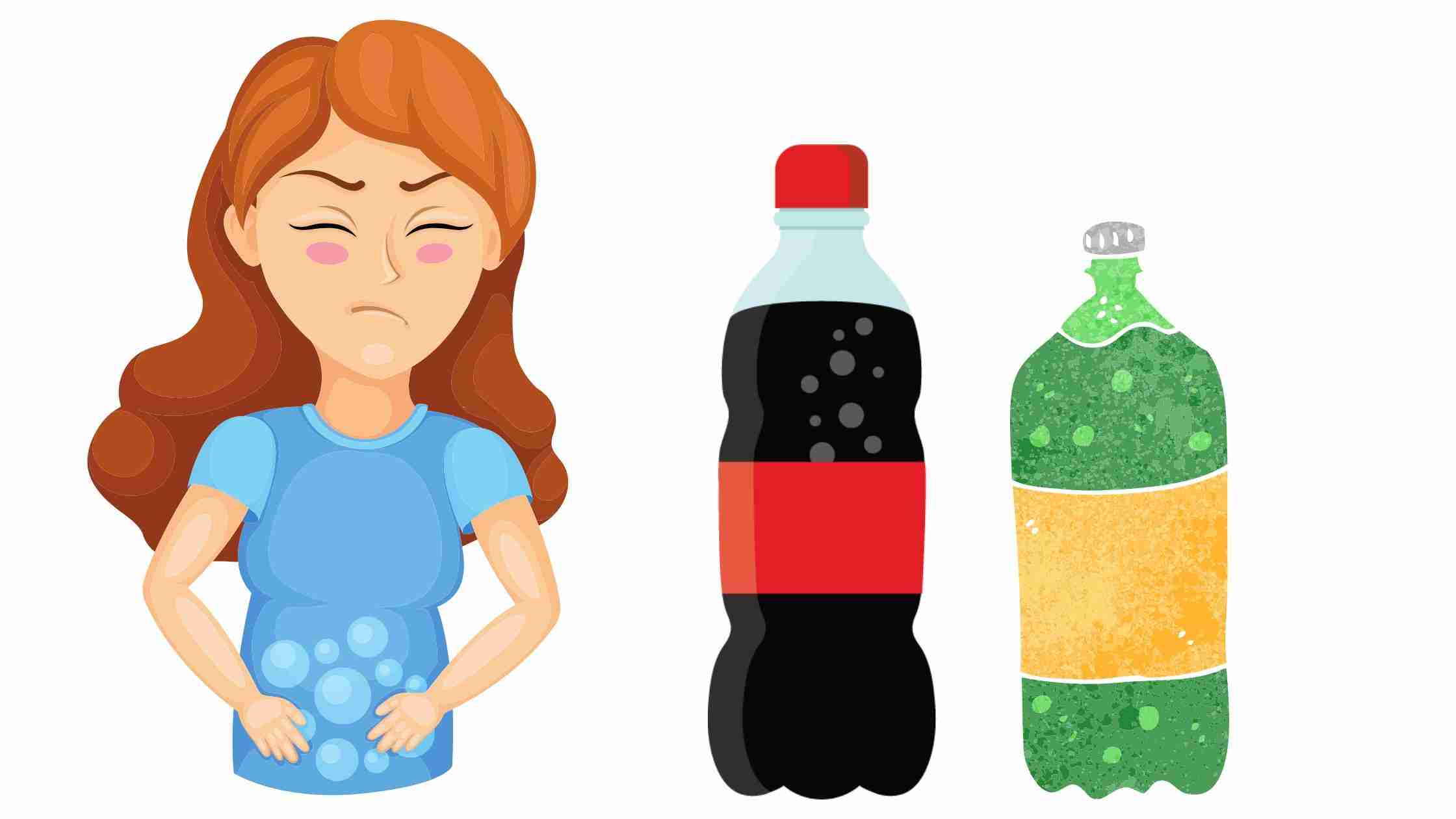
Exploring the connection between fizzy drinks and bloating is a step towards understanding our bodies and nurturing our well-being. It’s an opportunity to approach our health with kindness, making choices that empower and support us on our journey.
Remember, you are the best advocate on your path to wellness. Listening to your body and making choices that resonate with your needs is a profound act of self-care. Here’s to your health in all its bubbly complexity!
FAQ:
Why do fizzy drinks cause bloating?
Fizzy drinks can cause bloating due to trapped carbon dioxide gas in the digestive system, which can cause discomfort and distension after consumption. Be mindful of carbonation’s effects on your stomach’s comfort.
Is it okay to drink fizzy drinks every day?
Drinking fizzy drinks daily is not recommended due to their high sugar content and potential to cause bloating from carbonation. Moderation and opting for healthier beverage choices are essential for overall well-being.
Do fizzy drinks keep you up?
Fizzy drinks can contain caffeine, which may disrupt sleep if consumed close to bedtime. Opt for non-caffeinated beverages in the evening to promote better sleep quality.
Do fizzy drinks make you fart?
Fizzy drinks can contribute to increased flatulence due to their carbon dioxide, leading to gas build-up in the digestive system. Be mindful of this effect when consuming carbonated beverages.