


When we think of anorexia, most people imagine a thin teenage girl. But anorexia in men exists — deeply, painfully, and often invisibly.
It hides behind over-exercising. It wears the mask of discipline. It gets misdiagnosed as anxiety, depression, or “just stress.”
And worst of all, it thrives in silence.
Many men suffering from anorexia don’t even realize they have it. They’ve been praised for their willpower, applauded for their “clean eating,” and taught since boyhood that emotion is weakness and hunger is failure.
This article is for the men who are quietly hurting. For those who can’t name what’s wrong, but feel the weight of shame in their relationship with food. For anyone who has wondered, “Is this normal?” and feared the answer.
Let’s break the silence, meet the signs with compassion, and explore real healing — grounded in the truth that you are not broken, and you are not alone.
Why Anorexia in Men Is So Often Overlooked
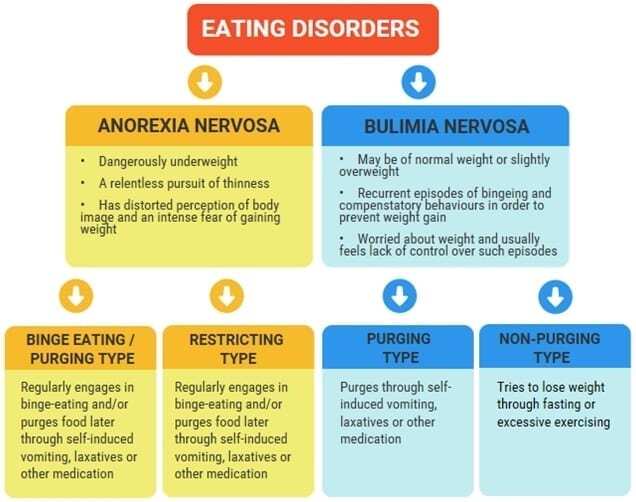
Anorexia has long been framed as a “female issue.” Media representations, diagnostic criteria, and even most clinical trials focus on women. This leads to dangerous assumptions:
- That men don’t get eating disorders
- That restrictive eating in men is just “fitness”
- That male suffering must look aggressive or externalized
The reality is more complex.
Men often internalize disordered eating differently. Instead of seeking thinness, they may chase leanness, muscle tone, or control. And because these traits are culturally celebrated, the warning signs are ignored.
Medical professionals often miss the diagnosis, too. One study found that only 1 in 4 people with anorexia are male, but this may be grossly underreported (Strother et al., 2012). Many men go undiagnosed until the physical symptoms become extreme.
In a culture where strength is equated with silence, anorexia in men becomes a hidden epidemic.
Early Signs of Anorexia in Men (That Often Go Unnoticed)
What does male anorexia look like? Often, it looks like dedication. It looks like success. It looks like someone who “has it all together.”
Here are some early signs to gently watch for:
- Obsessive tracking of food, calories, or macros
- Rigidity around eating “clean”
- Avoiding social situations involving food
- Intense guilt after eating “too much”
- Excessive or compulsive exercise, especially cardio
- Anxiety around missed workouts or rest days
- Flat mood, irritability, or withdrawal
One man described it like this: *”People congratulated me for being fit. They didn’t know I hadn’t eaten a full meal in weeks.”
What looks like discipline on the outside may be a cry for control on the inside.
The Hidden Cost of Male Anorexia

Anorexia impacts every system in the body. In men, it often results in:
- Hormonal imbalances (including lowered testosterone)
- Bone density loss
- Digestive issues and chronic fatigue
- Sexual dysfunction
- Heart irregularities
But the emotional toll can be just as devastating:
- Feeling emotionally numb or disconnected
- Mood swings, irritability, or emotional shutdown
- Inability to feel joy or rest
- Hyper-focus on control to avoid deeper pain
Underneath it all is often a dysregulated nervous system. When the body is starved, the brain enters survival mode. Emotion becomes unsafe. Vulnerability feels impossible. Hunger turns into a battlefield.
Masculinity, Shame, and the Silence Around Food Struggles
From a young age, boys are taught to “man up.”
They’re taught that hunger is weakness. That emotions are inconvenient. That control equals worth. So when food becomes a coping mechanism — or a target of control — there’s no room to talk about it.
Shame grows in the silence.
Men often report:
- Feeling embarrassed to ask for help
- Believing they “shouldn’t have these problems”
- Using anger, withdrawal, or overachievement to mask pain
Anorexia becomes the only place they feel powerful.
And yet, that power isolates.
Healing begins when men are given permission to feel. To be seen not as broken, but as human.
When Control Becomes a Cage: Understanding the ‘Why’ Beneath the Behavior

Anorexia is not a vanity issue. It is a survival strategy.
Beneath the food rules and body obsession is often:
- A history of perfectionism and fear of failure
- Childhood environments that lacked emotional safety
- Trauma, bullying, or shame around body or identity
- A desperate need for predictability in an unpredictable world
What starts as control quickly becomes a cage.
Over time, the body becomes the battleground. Hunger is punished. Emotions are exiled. The man disappears beneath the persona.
But healing is possible. And it starts by asking: What have I been trying to survive?
Healing Paths for Men with Anorexia: What Actually Helps
Recovery isn’t about giving up control. It’s about learning new ways to feel safe.
Some tools that support male healing include:
- Somatic work to reconnect with hunger and emotion
- Trauma-informed therapy or coaching that honors nervous system pacing
- Men’s groups where vulnerability is welcomed, not judged
- Movement practices focused on pleasure, not punishment
At Eating Enlightenment, we meet men where they are. We don’t shame. We don’t pathologize. We listen, reflect, and gently guide.
If you’re ready to explore support, our coaching program offers safe, respectful space to begin.
Support Tools to Start Right Now (Without Judgment)
You don’t need a diagnosis to deserve support. Here are a few ways to begin today:
- Take our free quiz to explore your relationship with food
- Download our Mindful Meal Journal & Scheduling App to gently track hunger, fullness, and patterns
- Connect with a coach who understands the unique shape of male suffering and resilience
Healing begins with small, consistent acts of self-respect.
An Invitation: You Are Not Broken — You Are Human

If you’re a man struggling with food, body image, or control, please know:
You’re not weak. You’re not alone. And you’re not too late.
Anorexia is not just a disorder of food. It’s a reflection of pain, silence, and survival. And it can be healed.
If you’re curious where to start, take our free quiz. It might not change everything overnight. But it could offer the insight you need to take one gentle step forward.
You deserve to eat. To rest. To feel. To be.
And most of all — to be met with compassion, not critique.