


You don’t binge because you’re lazy.
You don’t binge because you lack willpower.
You binge because something inside hurts. Because there was a moment—maybe long ago—when food felt like the only safe thing.
And even now, when you try to “do better,” something inside still pulls.
If you’re reading this, you’re not alone. You’re not failing. You’re human. And this blog exists to show you that recovery is not only possible—it’s real.
In this post, you’ll find stories, strategies, and gentle tools to guide your healing—based on lived experience and compassionate science.
Curious about your own food patterns? Try our free quiz for gentle insight into your current relationship with food.
What Binge Eating Really Feels Like (And Why That Matters)

Recovery starts with being honest about the pain.
Binge eating doesn’t just happen with a bag of chips. It often starts with an internal storm:
- The sudden fear you can’t name
- The shame that follows
- The moment of numbness afterward
And then the thoughts: “What’s wrong with me?” “Why do I keep doing this?” “I’ll start over tomorrow…”
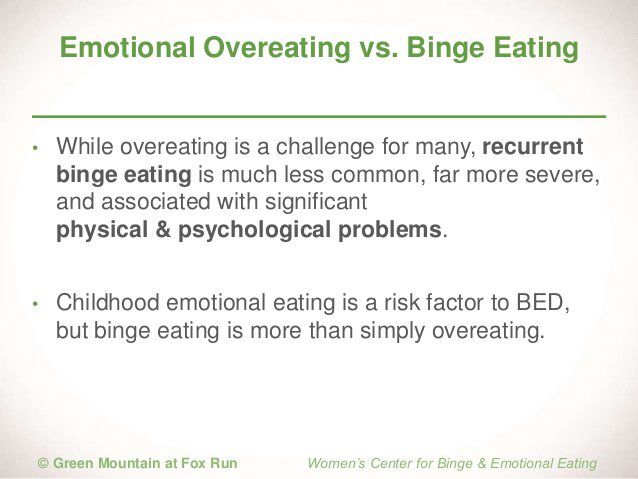
But the truth is, binge eating is a strategy. A response to overwhelm. A nervous system coping mechanism that once worked—until it didn’t.
As Giel et al. (2022) note in their review of binge eating disorder (BED), emotional dysregulation and impaired interoception (the ability to sense internal states) are core features of this struggle.
What that means in human terms: your body and mind are trying to keep you safe, even when it doesn’t feel like it.
How Recovery Actually Begins: Gentle, Not Grand
Most people think recovery starts with a big decision—some radical day of transformation.
But for many of us, it begins smaller. Softer.
One morning, you pause. You journal before breakfast. You reach for water before panic.
Maybe you use a tool like the Mindful Meal Journal App to see your patterns clearly—for the first time without judgment.
That pause becomes a crack in the pattern. A breath of air in a tight space.
Recovery often starts not with control, but with curiosity.
Try asking yourself:
- “What am I actually feeling right now?”
- “What would I say to a friend who felt this?”
- “What does my body need, underneath the craving?”
Stories from the Other Side: You’re Not Alone
Emily’s story:
“I thought if I was thinner, life would be easier. But when I finally reached my ‘goal weight,’ I was miserable. The binges didn’t stop—they got worse. Recovery didn’t begin until I let go of the scale and started therapy. That’s when I found Eating Enlightenment. I realized I was hungry—not just for food, but for peace.”
Jasmine’s story:
“My binges started in high school after my parents’ divorce. I’d sneak food to feel something—anything. Ten years later, I still felt stuck. The Enlighten Eats course helped me see the emotional patterns underneath. I finally understood my nervous system was in survival mode.”
These stories echo a truth many of us share: binge eating is not about food. It’s about unmet needs.
And when we meet those needs—gently, consistently—the cravings begin to lose their power.
Recovery Tools That Make a Real Difference
There’s no one-size-fits-all plan for healing. But here are tools that support many on their journey:
✨ 1. A Daily Journal (Without Judgment)
Writing down what you eat—and how you feel—can create space between impulse and action.
Try tracking:
- Emotions before and after eating
- Energy levels
- Hunger and fullness cues
You can use our app or a simple notebook.
✨ 2. A Coach or Mentor
Sometimes we need someone to witness us—without fixing us.
Coaches trained in nervous system care and developmental psychology can offer powerful support. If you’re ready, our coaching program might be a good next step.
✨ 3. Consistent Meals
Ironically, most binges happen because we’re not eating enough during the day.
Make meals regular. Include protein and fat. Fuel your body before it cries out.
✨ 4. Somatic Tools
Your body stores your history.
Gentle movement, breathing, grounding, and even humming can calm your system and reduce urges.
What No One Tells You About Binge Recovery
Healing doesn’t feel like healing at first.
It might feel boring. Scary. Grief-filled.
You’re not just giving up binges—you’re giving up your most reliable form of self-soothing.
This space can feel empty. But slowly, you fill it with other things:
- A walk with a friend
- Music that brings you back
- A nourishing breakfast
- A deep breath before the spiral
Recovery means you get to meet yourself again—without shame.
Common Setbacks (And How to Recover From Them)
Even with progress, you’ll have hard days. That’s okay.
🌀 You binge again and feel crushed.
➡ Remember: One binge doesn’t erase your progress. It’s just information.
Ask: “What did I need in that moment that I didn’t get?”
💤 You feel numb and don’t want to try.
➡ Start small. One glass of water. One kind word to yourself.
Healing doesn’t require full energy—just willingness.
🎯 You start obsessing over “doing recovery right.”
➡ Perfectionism is part of the disorder. Let recovery be messy. You’re allowed to rest.
What Life Looks Like After Binge Eating Disorder

Eventually, the binges grow less frequent.
But something deeper changes too.
You stop panicking when you’re full. You trust your body’s rhythms. You notice joy in unexpected places—dancing in your kitchen, resting without guilt, laughing after a meal.
You learn that being alive is not about control. It’s about connection.
And you begin to believe something radical: You are already enough.
Conclusion: Your Next Gentle Step
If anything in this blog stirred something inside you—pause. Breathe.
There’s no rush. You’re not behind. You’re simply beginning… again.
Here are a few gentle next steps:
- Take our free quiz to reflect on your relationship with food
- Download our Mindful Meal Journal App to track without shame
- Explore the Enlighten Eats course for a deeper path to peace
- Consider coaching if you’re ready for kind, transformative support
You don’t have to do this alone.
You never did.