


Navigating the world of supplements can sometimes lead to unexpected turns, mainly when an iron supplement meant to boost your energy leaves you feeling worse. This discomfort might be bewildering, but it’s a more common issue than you might think.
Understanding the reasons behind these adverse effects can empower you to make informed decisions about your health. The Eating Enlightenment Food Journal App can be invaluable in this journey, helping you track your dietary habits, manage cravings, and address emotional eating.
Fostering a balanced approach to nutrition guides you toward achieving your wellness goals with confidence and clarity.
What is Iron Overload?
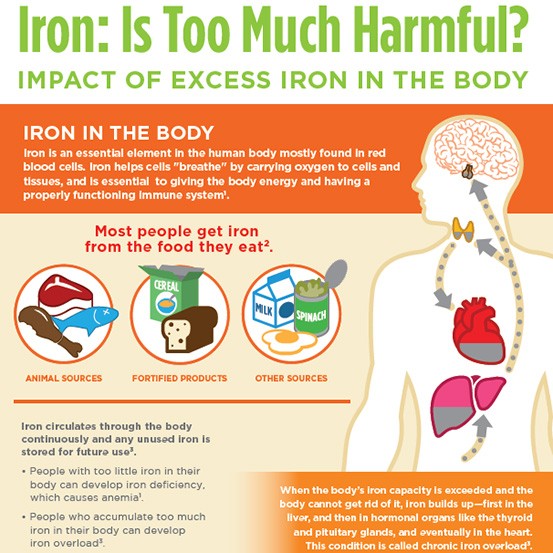
Many people are unaware of the dangers of iron overload, which occurs when there is too much iron in the body.
This can happen for a variety of reasons, including genetic disorders, multiple blood transfusions, or taking iron supplements when you don’t need them.
While a small amount of iron is essential for good health, too much iron can be dangerous. Excess iron can build up in organs, causing damage and even death.
What Causes Iron Overload?
There are a few different ways that someone can develop iron overload. One way is through a genetic disorder called hemochromatosis. Hemochromatosis is an inherited condition that causes the body to absorb too much iron from the diet.
People with hemochromatosis require treatment to remove excess iron from their bodies as their iron absorption is not working correctly.
Another way that someone can develop iron overload is by having multiple blood transfusions. Blood transfusions are often given to people with conditions like sickle cell disease or thalassemia.
These transfusions help treat these conditions but can also lead to iron overload if a person has them regularly. However, this is much more rare.
Finally, taking iron supplements when you don’t need them can also lead to iron overload. People who take iron supplements without being diagnosed with iron deficiency are at risk for developing this condition.
Symptoms of Iron Overload
The symptoms of iron overload can vary depending on the severity of the condition. In some cases, there may be no symptoms at all.
However, if the condition is more severe, you may experience fatigue, weakness, weight loss, abdominal pain, and diabetes.
Suppose you experience any of these symptoms after taking iron supplements. In that case, it’s essential to see a doctor right away so they can determine if you have iron overload and develop a treatment plan accordingly.
If you suspect iron overload, you may want to order an online blood test for iron and anemia specifically (which will also tell you if your iron levels are too high).
Treatment for Iron Overload
If you’re diagnosed with iron overload, there are a few different treatment options available.
One option is phlebotomy, a medical procedure in which blood is removed from the body to reduce the amount of iron in the blood.
Another option is chelation therapy, a medical procedure in which medication is used to remove excess iron from the body.
Finally, lifestyle changes, such as changing your diet or taking iron supplements as directed by your doctor, can also help treat this condition.
How Much Iron Do I Need Per Day?
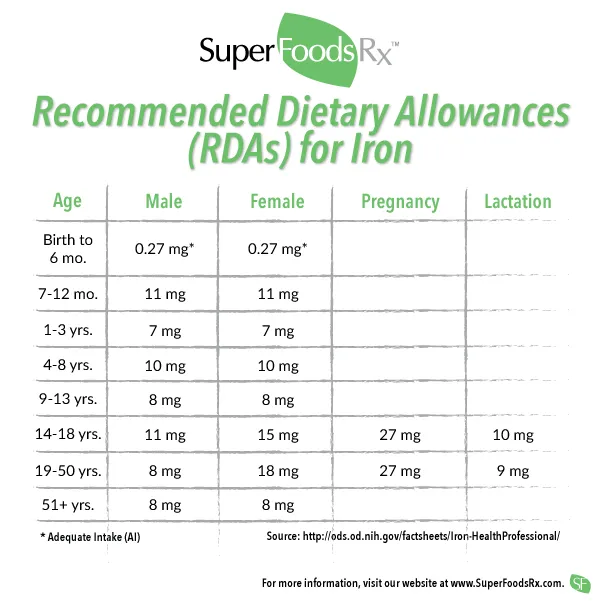
According to the National Institutes of Health, most adults need between 8 and 18 milligrams (mg) of iron daily. Pregnant women need more—27 mg a day.
Children need different amounts depending on their age. For example, infants up to 6 months old need 0.27 mg a day, while children 9–13 years old need 8 mg a day.
The body needs iron to make hemoglobin, a protein in red blood cells that carries oxygen from the lungs to all body parts. If you don’t have enough iron, your body can’t make enough hemoglobin, and you may develop iron deficiency anemia.
This common type of anemia occurs when your blood doesn’t have enough healthy red blood cells. Iron deficiency anemia can make you feel tired and weak.
Foods that Contain Iron
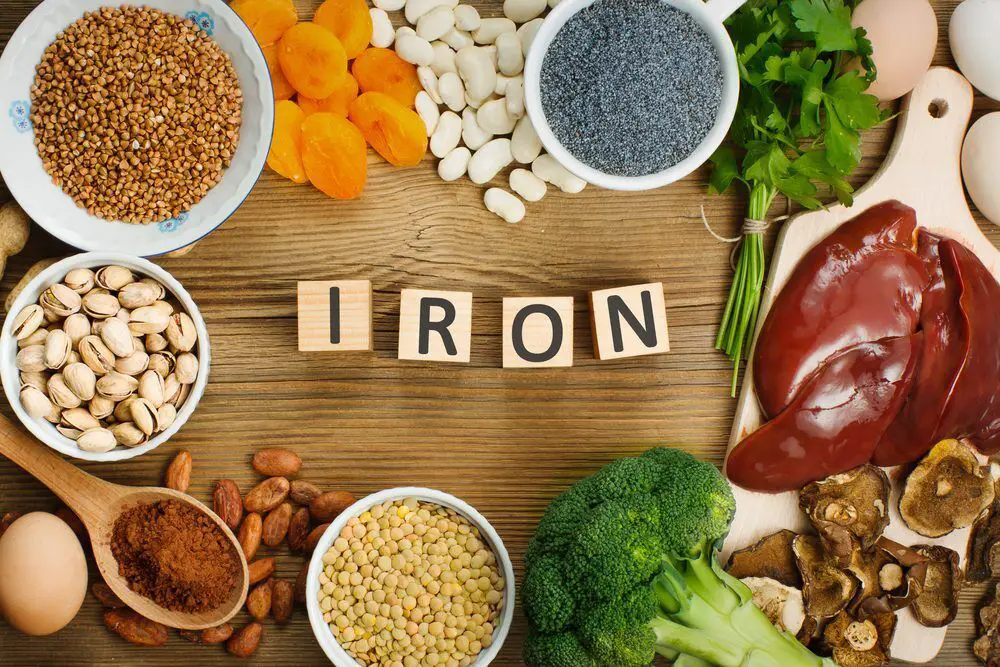
You can get the iron you need from food or supplements. Foods high in iron include meats (especially liver), eggs, leafy green vegetables, beans, and fortified cereals.
The body does not absorb non-meat sources of iron as easily as meat sources, so it is important to eat foods that are high in vitamin C along with non-meat sources of iron.
The body absorbs more iron from supplements if they are taken with vitamin C-rich foods or juices. Here is a list of iron rich foods from the Red Cross.
How do I tell if I have too much iron?
Having too much iron in your body can be harmful. One way to know if you have too much iron is to keep track of the amount you consume daily through a mindful food journal.
Include not only the meals you’re eating but also any snacks or drinks that contain iron. Supplements can also contain high levels of iron, so read the label and compare it to the amount you should have daily.
If you think you might have too much iron in your body, there are some things you can look out for.
Excess iron can lead to headaches, joint pain, fatigue, gastrointestinal issues like constipation or diarrhea, and even heart problems. If you experience any of these symptoms, talk to your doctor to see if you need to reduce your iron intake.
Why do I feel weird after taking iron supplements?

As you know by now, iron deficiency can lead to many problems, including fatigue, anemia, and weakness. Iron supplements are often recommended for people who are deficient in this mineral, but they can also cause side effects such as nausea and constipation.
In some cases, people may also experience feelings of anxiety or irritability after taking iron supplements.
While these side effects are typically mild and disappear within a few days, they can be bothersome for some people. Talk to your doctor if you experience any adverse side effects after taking iron supplements.
How long does it take for your body to adjust to iron supplements?
When taken as directed, iron supplements can be effective in treating anemia and restoring normal blood oxygen levels.
However, it is crucial to be aware that it can take several weeks or even months for the body to adjust to iron supplements and reach full saturation.
During this time, side effects such as nausea, constipation, and diarrhea are common. In most cases, these side effects will subside as the body adjusts to the supplement.
However, if they persist or become severe, it is essential to speak to a doctor. With time and patience, iron supplements can effectively treat iron deficiency anemia.
Types of Iron Supplements
There are several different types of oral iron supplements available on the market. The most common is ferrous sulfate, which comes in tablet form. Ferrous sulfate is generally well-tolerated but can cause stomach upset in some people.
Another option is an iron pill, a smaller, easier-to-swallow tablet containing a lower dose of iron. Iron pills are less likely to cause gastrointestinal side effects but may need to be taken more frequently to achieve the same result.
Conclusion:
It’s essential to ensure you are getting enough iron in your diet; however, it’s also possible to have too much iron in your system. Iron overload can occur for various reasons and lead to serious health problems if not treated properly.
If you experience any symptoms after taking iron supplements, see a doctor immediately so they can determine if you have iron overload and develop a treatment plan accordingly.
If you want more info about supplements and vitamins, including how to read labels, myths, and more – read our ultimate guide for beginners who want to start taking supplements and vitamins.