


Experiencing sudden sensitivity in your teeth, especially to cold temperatures, can be pretty concerning. You’re not alone if you’ve recently sipped ice-cold water only to be met with a sharp, painful sensation.
Many people face this discomfort at some point, and understanding its reasons can help you find relief.
In this blog post, we will explore the causes of tooth sensitivity to cold, how to alleviate the discomfort, and when it’s crucial to seek professional help.
By the end of this article, you’ll be equipped with knowledge and practical tips to improve your dental health.
Understanding Tooth Sensitivity
What Is Tooth Sensitivity?
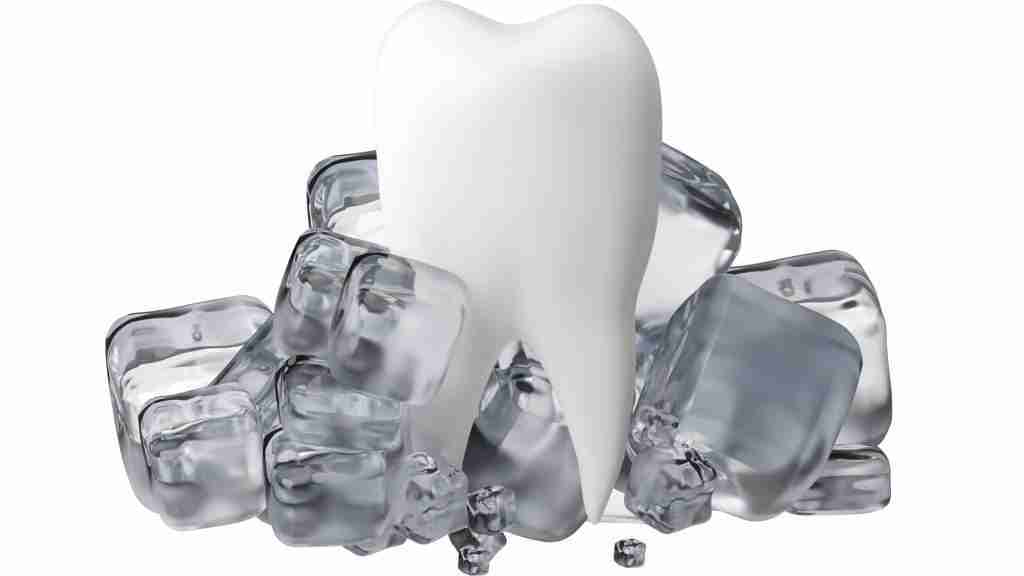
Tooth sensitivity, or dentin hypersensitivity, is a common dental issue.
It occurs when the inner layer of your teeth, called dentin, becomes exposed. This exposure can lead to discomfort when consuming hot or cold foods and beverages.
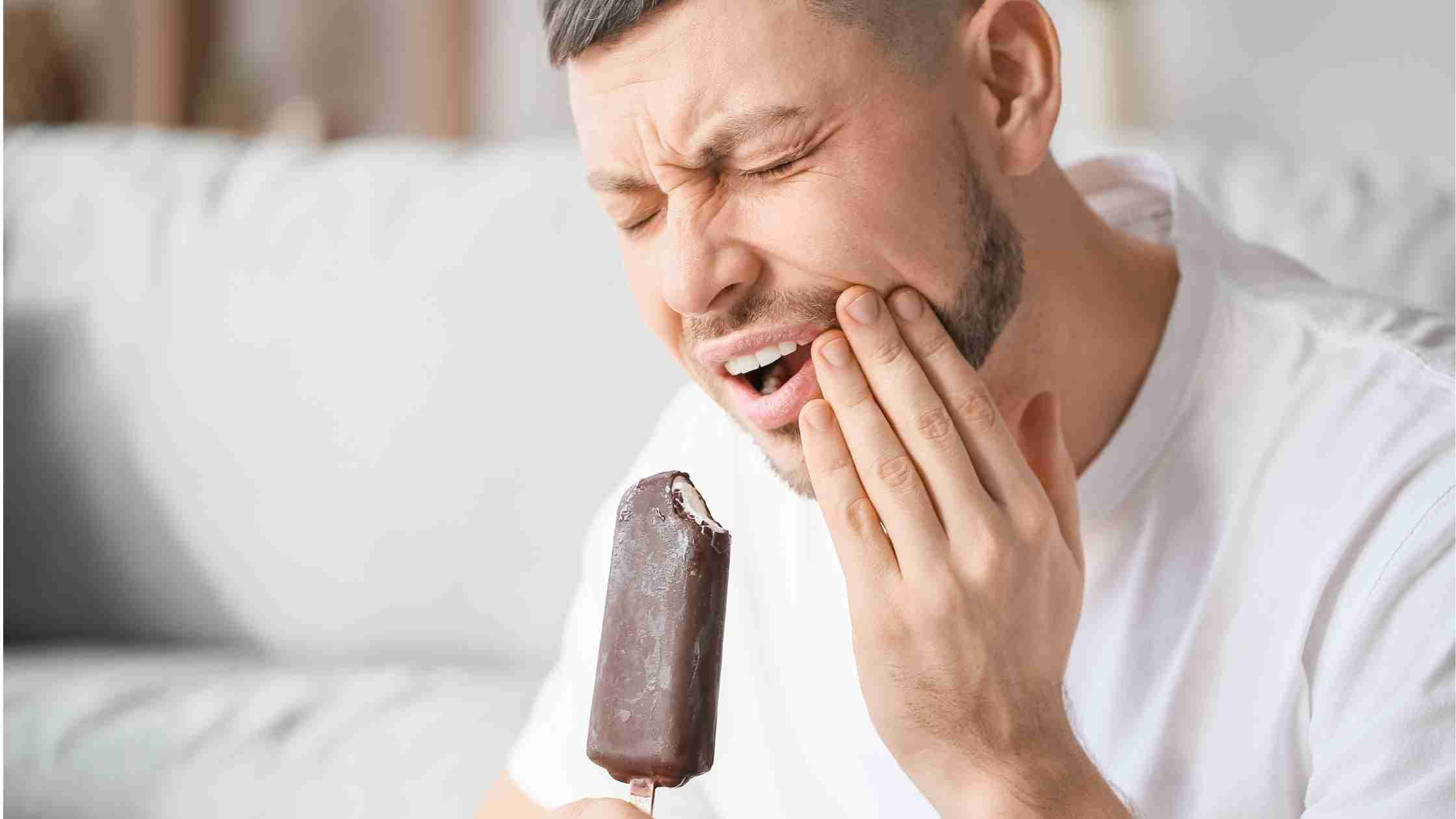
Sensitivity can result in sharp, fleeting pain that can be alarming.
The discomfort usually stems from various factors, which we will explore further in this post.
How Common Is Tooth Sensitivity?
Tooth sensitivity is quite common, affecting approximately 1 in 8 people. It can occur at any age and may result from various lifestyle choices or dental issues.
If you’ve just noticed increased sensitivity, it’s essential to know that you’re not alone and there are ways to manage it effectively.
The Importance of Recognizing Sensitivity
Recognizing tooth sensitivity early can help prevent further complications. Left untreated, it may lead to more severe dental problems, such as cavities or gum disease.
Understanding the cause of your sensitivity can help you find relief and maintain your oral health.
ALSO READ – 6 Best Vitamins for Teeth and Gums
Causes of Sudden Tooth Sensitivity
Enamel Erosion
One major cause of tooth sensitivity is enamel erosion. Enamel is the hard, protective layer that covers teeth. The underlying dentin can become exposed when this layer wears away due to factors like acidic foods, beverages, or improper brushing techniques.
Once the dentin is exposed, cold temperatures can easily stimulate the nerves inside your teeth, causing discomfort. To protect your enamel, practicing good oral hygiene and limiting the consumption of acidic foods is essential.
Gum Recession
Another common reason for sudden sensitivity is gum recession. This occurs when the gums pull back from the teeth, exposing the roots. The roots do not have protective enamel, making them more susceptible to temperature changes.
Gum recession can be caused by aggressive brushing, periodontal disease, or natural aging. If you notice gum recession, it’s crucial to consult with your dentist, as they can suggest appropriate treatments to restore gum health.
Tooth Decay
Tooth decay is also a significant contributor to sensitivity. Cavities can form when bacteria produce acids that wear away at the tooth surface. Cold stimuli can trigger sharp pain if a cavity develops near the nerve endings.
Regular dental check-ups can help detect and treat cavities before they worsen. If you suspect you have a cavity, don’t delay in seeking professional help.
Managing Tooth Sensitivity
Over-the-Counter Solutions
If you experience sudden tooth sensitivity, several over-the-counter solutions can help. Sensitivity toothpaste is specifically designed to block pain signals from reaching the nerves in your teeth.
These toothpaste options often contain potassium nitrate, which can provide relief when used consistently.
Consider fluoride treatments, which can strengthen your enamel and reduce sensitivity. Many drugstores carry fluoride mouth rinses that can be beneficial.
Home Remedies
In addition to commercial products, you can try some home remedies to ease discomfort. Rinsing your mouth with warm salt water can help reduce inflammation and promote healing.
Another option is to create a gentle paste by mixing baking soda and water. Applying this paste to your teeth for a few minutes may help neutralize acids and reduce sensitivity.
While these remedies can provide temporary relief, they should not replace professional dental care. Always consult your dentist for personalized recommendations.
Lifestyle Changes
Making a few lifestyle changes can also improve tooth sensitivity. Start by maintaining a balanced diet that limits acidic foods and beverages. Instead, choose a diet rich in fruits, vegetables, whole grains, and dairy products.
Also, practice oral hygiene by brushing gently with a soft-bristled toothbrush and flossing daily. Avoiding aggressive brushing can help prevent gum recession and enamel erosion.
When to See a Dentist
Warning Signs
While occasional sensitivity may not cause concern, specific warning signs indicate it’s time to see a dentist. If your sensitivity lasts longer than a few days or worsens, seeking professional help is essential.
Also, if you notice any swelling in your gums, persistent pain, or discolored teeth, these symptoms warrant a dental evaluation. Ignoring these signs could lead to more severe issues.
Professional Evaluation
A dentist can conduct a thorough examination to determine the underlying cause of your sensitivity. They may suggest specific treatments based on their findings. These treatments can range from dental sealants to more complex procedures like root canals, depending on the severity of the issue.
Preventive Care
Seeing your dentist regularly is crucial for maintaining oral health. Professional cleanings help remove plaque and tartar, which can contribute to sensitivity. Your dentist can also provide personalized advice on maintaining good dental health based on your unique needs.
Conclusion

Tooth sensitivity can be uncomfortable and concerning, but understanding its causes and finding practical solutions can make a significant difference.
By recognizing factors such as enamel erosion, gum recession, and tooth decay, you can take proactive steps to manage sensitivity.
Remember to make lifestyle changes, use over-the-counter solutions, and consult your dentist for any persistent issues. Your dental health is essential, and taking care of your teeth today will pay off in the long run.
If you’re experiencing sensitivity, don’t hesitate to contact your dental care provider for personalized guidance. Together, you can create a plan to ensure your smile remains healthy and bright for years to come.
FAQ:
Does acute sensitivity of the teeth subside?
Yes, acute tooth sensitivity can subside with proper care. Using desensitizing toothpaste and avoiding acidic foods can help. It’s also essential to consult a dentist for personalized advice.
How can a tooth that is sensitive to cold be fixed?
A sensitive tooth can often be soothed with desensitizing toothpaste. To reduce discomfort, avoid cold and acidic foods. Consult a dentist for personalized treatment options that address your unique needs.
When it’s chilly, why do my teeth hurt so much?
When it’s chilly, your teeth may hurt due to increased sensitivity. Cold weather can cause tiny cracks in the enamel, leading to discomfort.
Why does a single tooth become cold-sensitive?
A single tooth can become cold-sensitive due to enamel erosion or a cavity. These issues expose the dentin, leading to discomfort. Consulting a dentist will help identify and treat the underlying cause.