

Have you ever caught yourself reaching for a handful of jelly beans entirely out of the blue? Maybe that delightful crunch as you bite through the colorful shell or the sugary sweetness bursts onto your tongue.
You might think, “Sure, they’re tasty, but why do I need them right now?” Suddenly, this harmless craving feels a little mysterious—what’s happening beneath the surface?
The truth is, cravings like this aren’t random. Your body and mind may signal what’s happening inside, whether a sudden urge for jelly beans or a longing for another sugary treat.
It could be something physical, like a dip in blood sugar, or something emotional, like a moment of stress or an old memory tugging at your heart. Understanding these cravings isn’t just about finding answers—it’s about creating a healthier, more peaceful relationship with food.
This blog post will guide you through seven reasons you might crave jelly beans. From nutritional deficiencies to emotional triggers and shifts in your routine, we’ll explore possible causes so you can uncover what your cravings mean.
Even more, you’ll learn how mindful journaling can help you tune into your body’s needs and discover actionable ways to manage these cravings in a compassionate, sustainable way.
If you’ve been wondering why jelly beans have such a hold on you, stay with me—we’re about to get to the heart of it. And trust me, there’s more to this story than sugar and bright colors.
7 Reasons Why You Might Be Craving Jelly Beans

Reason#1: Blood Sugar Imbalances
Imagine you’ve skipped breakfast or powered through the morning without a bite—suddenly, your energy crashes and all you want is something to pick you up. That’s what blood sugar imbalances do. When your blood sugar drops too low, your body craves quick energy, and jelly beans—pure sugar—fit the bill perfectly.
Blood sugar spikes and crashes are often linked to irregular eating schedules or meals not balanced with enough protein, healthy fats, and fiber. If you’ve been relying on snacks like jelly beans to regain energy, it’s your body’s way of saying, “I need consistency!”
To avoid this rollercoaster, make it a habit to eat regularly and include balanced meals in your day. Before grabbing that handful of jelly beans, try a journaling prompt like, “When did I last eat, and was it balanced?” Track these moments in your journal, and watch for patterns—awareness is your first step to stability.
Reason#2: Stress and Emotional Eating
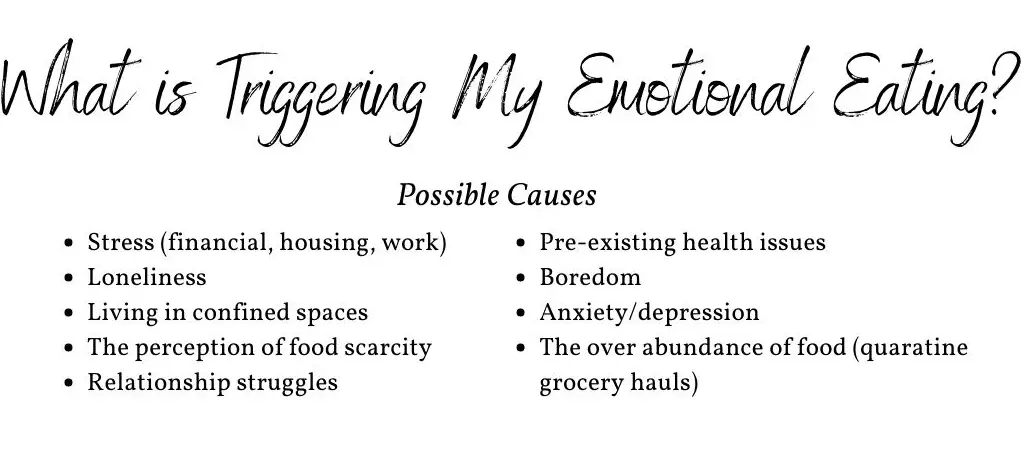
Have you noticed how cravings strike when you’re stressed or overwhelmed? That’s because stress triggers the release of cortisol, a hormone that increases appetite—especially for sugary treats like jelly beans. Sometimes, jelly beans aren’t just snacks; they’re comforting, a moment of sweetness when life feels heavy.
Many people eat sugary foods like jelly beans to soothe themselves or escape emotional discomfort. It’s not uncommon, but it’s worth asking, “What am I feeling?” Next time a craving hits, take a deep breath and practice mindful awareness. Write down, “What am I feeling right now? What might I need besides jelly beans?” That moment of pause can help you meet your emotions with compassion instead of sugar.
Reason#3: Habits and Triggers
Sometimes, craving jelly beans is less about your body’s needs and more about your brain’s habits. Maybe jelly beans were your childhood reward for finishing chores or your go-to snack during late-night TV binges. Over time, your brain learns to associate certain situations or times of day with jelly beans—even if you’re not hungry.
Breaking this automatic connection starts with mindfulness. Before reaching for the candy bowl, ask yourself, “What was happening just before this craving? Was I bored, tired, or needing a break?” By journaling these triggers, you can uncover patterns and consciously choose a different response—like a brisk walk, a glass of water, or a few pages of your favorite book.
Reason#4: Nutritional Deficiencies

Believe it or not, jelly bean cravings might stem from what’s missing in your diet. For example, deficiencies in magnesium or chromium can trigger sugar cravings, as these nutrients play a role in regulating blood sugar. If your body isn’t getting enough nutrients from whole, nourishing foods, it might nudge you toward sweets to compensate.
To address this, focus on adding nutrient-rich foods like leafy greens, nuts, seeds, and whole grains to your meals. After a jelly bean craving strikes, try reflecting in your journal, “What nourishing foods have I eaten today? How might I support my body better?” Nourishing your body doesn’t just reduce cravings—it builds a stronger foundation for overall wellness.
Reason#5: Lack of Sleep
Have you ever noticed that you crave more sugary snacks on days when you haven’t slept well? There’s science behind this—poor sleep messes with hunger hormones like ghrelin (which increases appetite) and leptin (which signals fullness). With these hormones out of sync, your body searches for quick energy, and jelly beans seem convenient.
Prioritize rest by creating a calming bedtime routine and aiming for consistent sleep patterns. Start tracking how sleep affects your cravings with this prompt: “How do I feel physically when I don’t get enough sleep? Do jelly bean cravings tend to pop up after rough nights?” This awareness can help you make connections and prioritize habits that set your body up for success.
Reason#6: Lifestyle Changes

Life and our eating patterns don’t stick to a routine. Travel, new work hours, or even a change in seasons can disrupt your regular meals and leave you craving convenience—sweets like jelly beans often win the convenience game.
Aim to anchor yourself with small, manageable habits when life feels unpredictable. Keep healthy snacks like fruit and nuts within reach, and plan meals as much as possible. Reflect on lifestyle shifts with this journaling prompt: “What’s changed in my routine lately, and could these changes influence my cravings?” A little planning paired with mindful reflection can help take the edge off those sugary urges.
Reason#7: Psychological Associations with Childhood or Memories
For many of us, jelly beans aren’t just candy—they’re a ticket back to simpler times. Maybe they remind you of Easter mornings, trips to the candy store, or childhood moments of happiness and warmth. These nostalgic cravings are less about sugar and more about reconnecting to feelings of safety, joy, or comfort.
While there’s nothing wrong with occasionally indulging in nostalgia, try exploring those emotional ties more deeply. Journal about a memory or feeling that arises, asking, “What does this craving remind me of? Is there something I’m longing for besides jelly beans?” You can fill that emotional gap without relying solely on sweets by honoring these emotions and creating new comforting rituals—like listening to your favorite song or calling a loved one.
10 Myths About Cravings for Jelly Beans

- Cravings Mean You Lack Willpower – Cravings are natural, not a sign of weakness.
- Only Kids Crave Jelly Beans – Cravings can happen at any age.
- Cravings Are Just Physical Hunger – Emotional triggers often play a more significant role.
- They Indicate Nutrient Deficiencies – Sugar cravings aren’t always tied to missing nutrients.
- Avoiding Jelly Beans Stops Cravings – Ignoring cravings can intensify them.
- All Cravings Are Unhealthy – Cravings can offer insight into your emotions or needs.
- Jelly Bean Cravings Equal Sugar Addiction – Not all cravings signal addiction.
- Eating Jelly Beans Always Leads to Weight Gain – Moderation is key, not complete avoidance.
- People with Healthy Diets Don’t Crave Sweets – Even balanced eaters experience cravings.
- Cravings Are the Same for Everyone – Cravings are unique to each individual.
When Cravings Might Signal Binge Eating Disorder

Cravings for sweets like jelly beans could sometimes hint at more profound issues, such as binge eating disorder (BED).
This isn’t about the occasional indulgence but a cycle tied to emotional distress and shame. Often, BED begins with restrictive eating—cutting out certain foods to feel in control.
But deprivation intensifies cravings, leading to binge episodes followed by guilt, which brings you back to restriction, perpetuating the cycle.
Managing Cravings with the Eating Enlightenment 3-Step Process

- Build Nutrition: Start with balanced meals rich in protein, healthy fats, and fiber to stabilize cravings. Use a journal to track your eating and how it makes you feel.
- Identify Triggers: Recognize emotional hunger vs. physical hunger with mindful pauses and journaling prompts like, “What am I feeling right now?”
- Heal Past Wounds: Explore the emotional roots behind cravings through techniques like Internal Family Systems (IFS) journaling. Ask, “What does this craving need from me?”
This mindful approach helps break the binge diet cycle, fostering a healthier relationship with food.
Closing Thoughts:

Cravings for jelly beans might seem like a whimsical indulgence at first glance, but as we’ve explored, they often stem from deeper physical, emotional, or habitual factors. Whether it’s blood sugar imbalances, stress, or a comforting habit from childhood, these cravings carry insights about your mind and body. Recognizing and addressing these patterns through mindful practices can turn what once felt like a frustrating urge into an empowering moment of self-awareness.
Focusing on nourishing your body with balanced meals, becoming mindful of emotional triggers, and examining the roots of your cravings through journaling can help you cultivate a healthier connection with food. It’s not about eliminating jelly beans—it’s about understanding why you crave them and making choices that align with your overall well-being.
If you’re ready to take this next step toward balance and freedom with food, the Eating Enlightenment Journal App is here to help. This free tool provides a simple yet effective way to track your eating habits, reflect on triggers, and uncover patterns that might hold you back. Through guided journaling, you can connect with your cravings on a deeper level and make meaningful, lasting changes.
Download the app today and explore how small, mindful steps can transform your relationship with food. You have everything within you to create this positive change—one mindful moment at a time.