

You are standing in your kitchen, staring at the dozen eggs in your fridge like they’re the answer to life’s mysteries. Maybe you’ve never been much of an egg-lover before, or perhaps you’ve always enjoyed them—but now, it feels as though the craving is taking over. Does this sound like you? You’re not alone. Pregnancy cravings, extreme ones, can feel both exciting and puzzling. And if eggs are suddenly all you can think about, you’re probably wondering, “Why now? What does this mean?”
First, take a deep breath. Cravings during pregnancy are usual and can hold meaningful clues about what your body needs—nutritionally, emotionally, and even psychologically. Often, cravings serve as a bridge of communication between your body and the incredible changes it’s undergoing. When it comes to eggs, there’s more beneath the surface than meets the eye (or the yolk!).
This post is here to help you unpack it all. Together, we’ll explore five potential reasons behind your egg craving, tapping into both scientific insights and emotional connections. Along the way, you’ll better understand what your body needs and learn creative, healthy ways to satisfy these cravings while nurturing your baby and yourself. Get ready to uncover the story behind your craving—it might just surprise you!
The Nutritional Benefits of Eggs During Pregnancy
Eggs are a nutrient-packed food that can support your pregnancy health and your baby’s growth.
High-Quality Protein
Eggs provide all nine essential amino acids, helping your baby grow while repairing and maintaining your tissues. Protein boosts energy and supports optimal development.
Key Pregnancy Nutrients
- Choline
Choline, found in yolks, aids brain development and memory while reducing the risk of neural tube defects. Many women lack enough choline, making eggs an excellent option. - Vitamin D
Supports bone strength, immune health, and calcium absorption for your baby’s skeletal formation. - B12 and Folate
Critical for DNA synthesis, red blood cell production, and preventing anemia while aiding your baby’s cell growth. - Healthy Fats
Omega-3s in eggs help develop your baby’s brain and eyes while maintaining your energy levels.
Easy Ways to Eat Eggs
- Breakfast: Scrambled eggs with veggies.
- Snacks: Hard-boiled eggs for easy protein.
- Lunch/Dinner: Top salads with poached eggs.
Safety Tips
- Cook eggs thoroughly to avoid salmonella. Whites and yolks should be firm. Use pasteurized eggs if needed.
- Check with your doctor if you have dietary restrictions or allergies.
Journaling Prompt
“How do I feel after eating eggs? Do they bring sustained energy, clarity, or satisfaction? What might my body need?”
Eggs are simple, nutritious, and versatile—an excellent addition to your pregnancy diet!
Some Important Reasons Behind Craving Eggs During Pregnancy
#1. Hormonal Changes
During pregnancy, your hormones work overtime to support you and your baby. Rising levels of estrogen and progesterone don’t just affect your mood—they also impact your appetite and cravings. These hormones heighten your sense of taste and smell, making certain foods, like eggs, feel irresistibly appealing.
Eggs are often nutrient-dense and packed with flavor, which may explain why they stand out when your senses are heightened. These cravings might even be your body’s way of drawing attention to something beneficial it needs. Instead of brushing this off as just “weird pregnancy cravings,” consider how your body is communicating with you. What does this pull toward eggs reveal?
Journaling Prompt:
“When I crave eggs, how do my senses (smell, taste, sight) react? What makes this craving feel satisfying or comforting?”
#2. Nutritional Needs
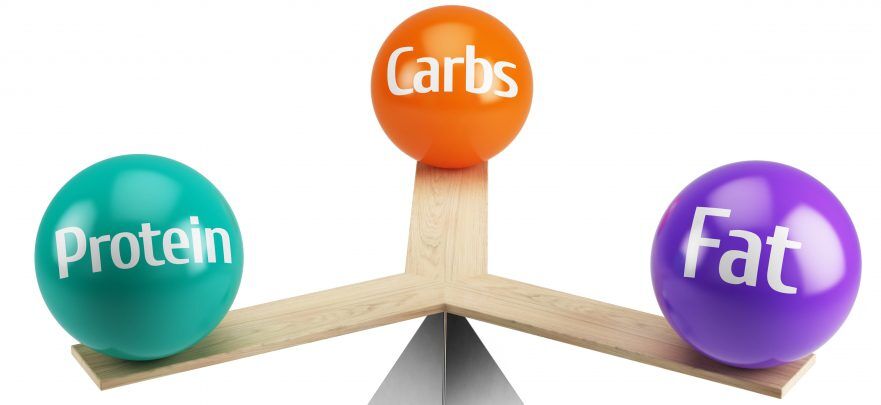
Eggs are nutritional powerhouses, and your growing baby has demands! Your body might be asking for the high-quality protein in eggs to help build and repair tissues—yours and theirs. Beyond protein, eggs are rich in essential nutrients like choline, which supports your baby’s brain and spinal cord development, and omega-3 fatty acids, which promote cognitive growth.
You could also be slightly deficient in some of these nutrients, and your body recognizes that eggs can replenish them. Many pregnant individuals report cravings tied to subtle nutritional deficiencies without knowing it consciously, so listening to your cravings without judgment can help identify what your body might need.
Journaling Prompt:
“How do I feel physically after eating eggs? Do I notice more energy, focus, or a sense of nourishment? How might my cravings be meeting my nutritional needs?”
#3. Psychological Connections
Sometimes, cravings go deeper than your body’s physical needs. Eggs might remind you of home-cooked breakfasts or cozy family traditions, evoking a sense of comfort and joy. Food cravings during pregnancy are often emotionally tied to feelings of safety, warmth, and nostalgia, especially when those cravings connect to childhood memories or cultural practices.
Ask yourself if eggs hold any sentimental value for you. Was there a family recipe you loved? Or do they symbolize something nourishing in your culture? Recognizing these ties can help you honor your physical needs and the emotional messages your cravings might carry.
Journaling Prompt:
“What memories or emotions come to mind when I crave certain foods like eggs? Are there connections to comfort, cultural traditions, or nostalgic feelings?”
#4. Cultural and Psychological Influences
Cravings often intertwine with cultural norms and upbringing. Eggs hold significant value across many cultures, usually seen as symbols of fertility or life. If eggs are a substantial part of your cultural diet, your cravings could be influenced by these subtle associations.
Additionally, cravings can be responses to emotional states. Moments of stress, boredom, or even anticipation might trigger a desire to eat specific comforting foods. Eggs are quick and versatile, making them an easy go-to snack when life feels overwhelming. Pause to reflect—are you craving eggs because you’re physically hungry, or might there be an emotional layer behind it?
Journaling Prompt:
“What is my emotional state when I feel cravings start? Am I stressed, tired, or even joyful? What might my body and mind be asking for beyond food?”
#5. Eggs Are Simply Satisfying

Sometimes, cravings are less about what your body lacks and more about what feels satisfying. Eggs are incredibly filling and enjoyable with their creamy yolks and versatile preparation methods. They offer sustained energy and balance, which might explain why they’ve taken center stage in your cravings.
This is the perfect opportunity to celebrate eggs as a nourishing and practical food rather than overthinking the “why” behind your cravings. Whether you’re enjoying scrambled eggs, a boiled snack, or an omelet loaded with veggies, eggs are an excellent way to connect with your meals meaningfully.
Practical Tip:
Cook eggs thoroughly during pregnancy to prevent risks, and explore different ways to include them in meals—adding a poached egg to a hearty salad, whipping up breakfast muffins, or pairing them with whole-grain toast for balance.
How to Incorporate Eggs into a Pregnancy Diet
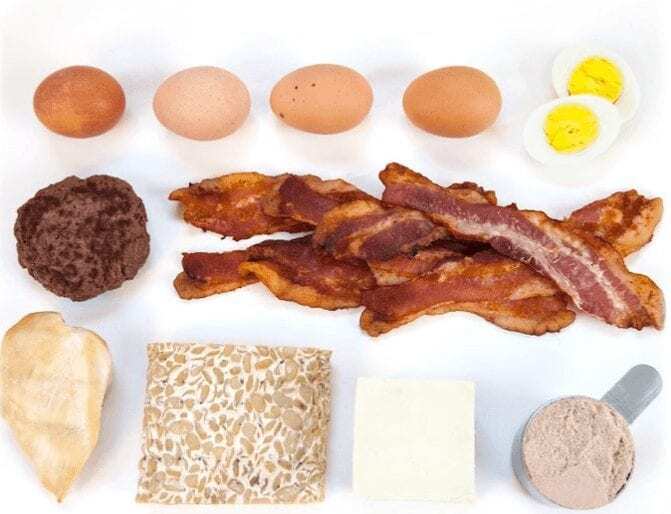
Eggs are a nutrient-packed and versatile food that enhances a pregnancy diet. They nourish you and your baby, offering essential nutrients while keeping meals fulfilling and straightforward. Incorporating eggs in different ways can bring variety and balance to your diet.
For breakfast, try a vegetable frittata packed with protein and fiber. Combine eggs with veggies like spinach, peppers, or mushrooms to create an energizing meal that supports digestion. Short on time? Prepare frittata muffins in advance for a quick, grab-and-go breakfast.
Hard-boiled eggs make excellent snacks, paired with veggie sticks or whole-grain crackers. This balanced option provides protein for hunger control, fiber for a healthy gut, and whole grains for steady energy. It’s a no-fuss addition to your daily routine.
Top a hearty salad with a poached egg or mix boiled eggs into pasta or potato salads for added protein for lunch or dinner. The creamy yolk doubles as a natural dressing, cutting down on extra condiments while enhancing flavor.
While concerns about cholesterol are common, moderate egg consumption is generally safe for healthy individuals, even during pregnancy. Consult your doctor if unsure and seek credible guidelines like the American Heart Association. Always cook eggs thoroughly—firm whites and yolks reduce salmonella risks. Pasteurized eggs are safer for recipes requiring raw eggs.
Journaling Prompt:
“What type of egg dishes bring me the most satisfaction and nourishment? How can I experiment to find the right balance in my diet?”
What Cravings Might Signal – Insights into Binge Eating Disorder

Cravings often hint at your body’s needs but, when frequent or intense, may reflect deeper emotions or unmet needs. Food can also respond to stress or comfort during pregnancy, making it vital to examine cravings with curiosity.
Enter the binge-diet cycle, where restricting food—for instance, avoiding fats—leads to deprivation. This restriction can intensify cravings, causing overeating or bingeing, followed by guilt or shame. This triggers stricter dieting, perpetuating the cycle. Breaking free involves addressing both triggers and emotions behind the behavior.
The Eating Enlightenment approach helps in three steps:
Step 1 – Nutritional Journaling: Track meals and satiety to uncover if cravings arise from missed nutrients or hunger. For example, skipping breakfast might prompt midday cravings for quick fixes. Reorganizing your meal plan may help.
Example Prompt: “Am I nourishing my body with regular, balanced meals? What improvements could simplify my nutrition?”
Step 2 – Mindfulness of Emotional Triggers: Pause when cravings occur and assess your emotions. Is hunger the cause, or might stress or boredom be at play? Try minor substitutions like water or movement to determine if the craving subsides.
Example Exercise: Before indulging, journal your feelings and explore non-food alternatives like rest or a short walk.
Step 3—Deep Diving into Inner Parts and Trauma: Journaling can help connect cravings to inner needs or past experiences. For example, if eggs remind you of cherished memories, consider whether they signify a deeper need like safety or love. Responding compassionately can weaken cravings’ emotional grip.
Example Prompt: “What does the part of me creating this craving want to tell me? Can I respond with care and curiosity?”
Encouragement and Closing Reflections
Cravings during pregnancy are more than just fleeting desires—they’re your body’s way of communicating its needs to nourish both you and your baby. Throughout this article, we’ve explored how the nutritional powerhouse of eggs can play a vital role in meeting these needs. From their high-quality protein, choline, and healthy fat content to their versatility in meals, eggs are a fantastic choice to support a healthy pregnancy.
Always remember that honoring your cravings is an act of self-care, not something to feel guilty or judgment over. Pregnancy is a time of profound change, and learning to listen to your body with compassion can deepen your relationship with your health and well-being. Every craving offers an opportunity to connect with yourself, explore your body’s needs, and meet those needs with love and mindfulness.
To take it a step further, we invite you to download the free Eating Enlightenment Journal App—a practical and empowering way to track your cravings, identify patterns, and better understand your nutritional needs during pregnancy. This tool offers personalized insights based on your habits, making it easier to maintain a balanced diet tailored to you and your baby’s well-being.