

Ever find yourself daydreaming about a steaming plate of chow mein or crispy spring rolls at the end of a long day? Maybe your mind wanders to the rich, tangy aroma of sweet and sour sauce or the satisfying crunch of fried dumplings.
If those cravings hit at the mere mention of Chinese food, you’re not alone. These dishes can charm your taste buds and plant themselves in your thoughts until you can’t resist the pull of takeout. But why? Why do Chinese foods, in particular, seem to hold such a magnetic appeal?
Cravings often go deeper than just a hankering for a specific flavor or dish. They might stem from physical cues, like your body’s need for certain nutrients, or emotional needs, like seeking comfort after a challenging day.
With its perfect blend of bold flavors, diverse ingredients, and cultural familiarity, Chinese cuisine can scratch any of these itches—and sometimes all of them at once. These cravings could be your body’s way of communicating something important or a reflection of cherished memories tied to family takeout nights or communal dining experiences.
That’s where the power of understanding comes in. At Eating Enlightenment, cravings are an opportunity for self-discovery—a chance to listen to what your body, emotions, and more profound self are trying to tell you.
Our three-step process, which involves mindfulness and journaling, helps you explore these cravings thoughtfully. It uncovers whether they are linked to nutritional needs, triggers, or even unresolved inner parts seeking healing. Together, we can break the cycle of habitual cravings and restore balance.
Intrigued? Stay with me—we’re about to uncover six compelling reasons behind your cravings for Chinese food, each offering insights that might surprise you.
Reason#1: Cultural Influences
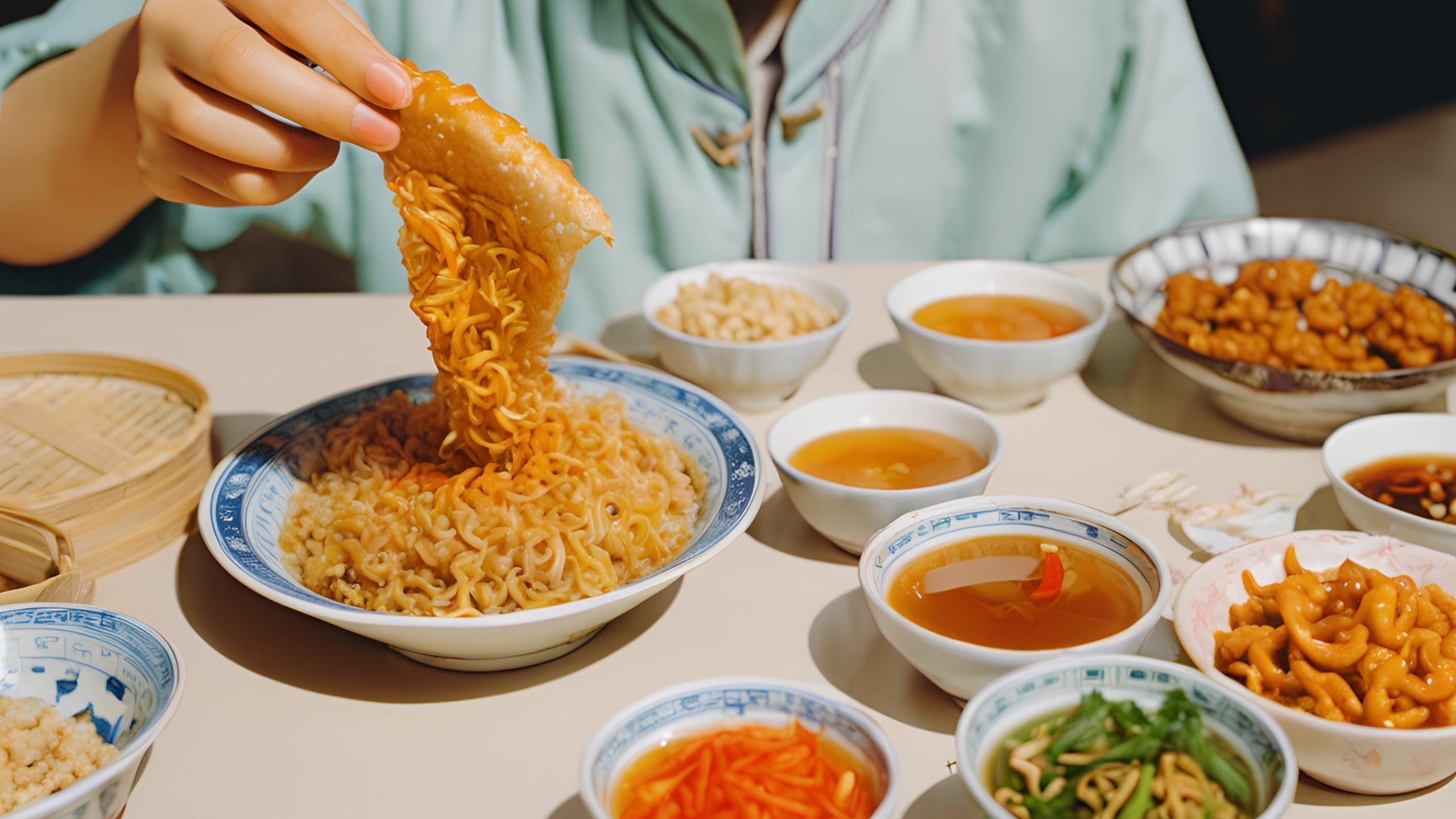
Food is so much more than nourishment; it holds stories. If you grew up in a culture where Friday night takeout meant steaming cartons of Chinese food, those flavors are more than delicious—they’re tied to heartwarming memories.
Eating Chinese food might take you back to family togetherness or celebrations where dishes like egg rolls and sweet sesame chicken always had a place on the table. Even if you weren’t raised eating Chinese cuisine regularly, its familiarity in popular Western fast food culture—think fortune cookies or the iconic takeout boxes—has likely woven it into your narrative.
Reflect momentarily, “What foods make you feel most connected to a period in your life? What memories or emotions surface when you crave certain cuisines?” Grab a journal and write it out.
Exploring your cultural connection to beloved foods can help you understand why cravings feel so personal. The next time you long for fried rice or orange chicken, consider adding an intentional twist—make it communal, like a dim sum at home with your family, to recreate that sense of warmth and nostalgia.
Reason#2: Unique Flavors and Umami
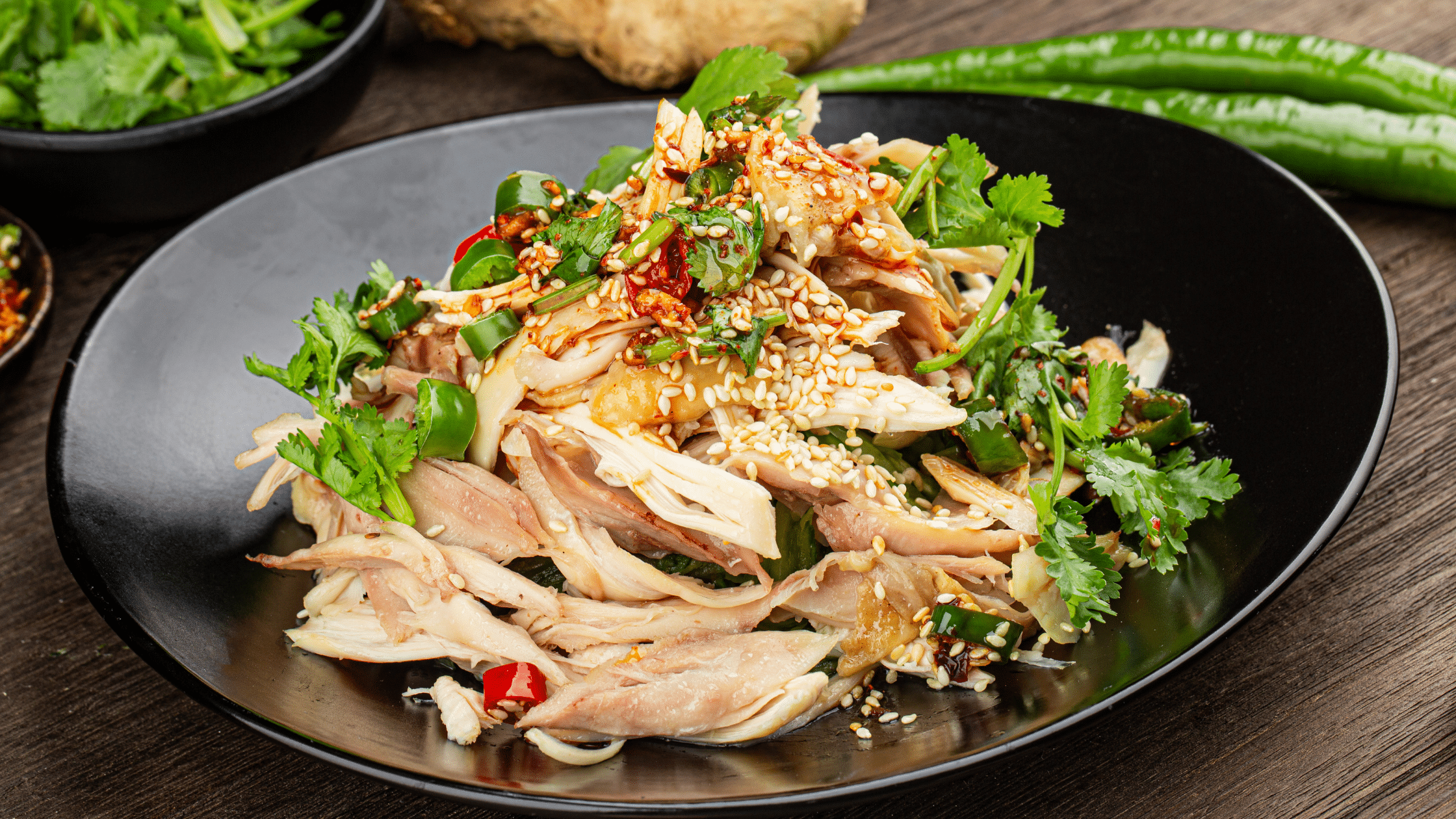
The flavors of Chinese food are a sensory masterpiece. With a perfectly balanced mix of salty soy sauce, spicy chilies, garlicky depth, sweet hoisin, and umami-rich proteins like tofu or pork, each bite is an explosion of taste.
Have you noticed how foods like kung pao chicken or hot and sour soup hit every note—salty, sweet, spicy, tart, and umami—all at once? It’s no wonder your taste buds are hooked.
Take a moment to think about the exact flavors you’re craving. Journal the last time you ate a dish like honey walnut shrimp or moo shu pork.
What textures or emotions did it evoke? Sitting with these sensory memories can help you become mindful of your eating habits and ground your cravings in the moment.
Mindfully prepare or order a dish when the craving strikes and savor the experience. You might even try cooking at home using simple, umami-enhancing ingredients like sesame oil or ginger to engage in deep eating.
Reason#3: Nutritional Deficiencies

Sometimes, a craving isn’t just about flavor—it can be your body asking for certain nutrients. Many Chinese dishes provide generous protein portions of chicken, tofu, or beef paired with nutrient-dense veggies like broccoli or bok choy. The sauces? They often offer salt, a key electrolyte your body might subtly signal it needs.
Track your meals through journaling to explore whether your cravings arise after days when protein, sodium, or even carbohydrates are scarce.
Keep an eye out for patterns. When the craving hits, take the opportunity to fuel your body mindfully. Opt for balanced Chinese-inspired meals at home that feature vegetables, lean proteins, and moderate sauces to satisfy your nutritional and flavor needs.
Reason#4: Emotional Comfort

After a long, exhausting day, a warm bowl of wonton soup or a few bites of sticky sesame chicken soothe the soul.
Emotionally, Chinese comfort food is reliable. Something rich, warm, and carb-laden is like a culinary hug. It’s an easy escape when stress or loneliness looms.
Think about those moments when the craving feels strongest. Are you overwhelmed, tired, or searching for a pick-me-up? Journaling helps uncover these emotional cues so you can tackle the source head-on.
Ask yourself, “What emotions am I feeling right now? Could this be about more than hunger?” Chinese food cravings often symbolize an unmet need for comfort. Enjoy it mindfully when you indulge or lean into other sources of calm—meditation, a warm bath, or connecting with a friend.
Reason#5: Convenience and Accessibility

Chinese food’s popularity means it’s ridiculously accessible—open late, quick delivery options, and always delicious. There’s no shame in leaning on what’s easy when you’re busy or too tired to cook. Understanding the role convenience plays in your food choices can help you find balance.
Reflect on your busy moments through journaling. If convenience leads you toward indulgent takeout often, brainstorm how you might bring balance.
Is there a way to recreate your favorite dishes at home—perhaps a quick veggie-packed fried rice or simple stir fry? This allows you to slow down and connect with the process, putting a healthier yet equally flavorful spin on your usual go-to order.
Reason#6: Social Connections
Few foods are better suited to sharing than Chinese dishes. Dim sum plates or large takeout spreads are communal and designed to be enjoyed as a group, promoting connection and togetherness. Sometimes, cravings for Chinese food can reveal a longing for social time with family or friends.
Ask yourself, “Are these cravings for flavor alone, or do I miss the social component of sharing food with others?” In your journal, reflect on recent gatherings or times you’ve been eating alone.
If you’re seeking a sense of community, why not invite a friend for a homemade stir-fry night or plan a shared dim sum meal? Cravings often extend beyond food to meet emotional and relational needs, and mindful reflection can help you address both.
6 Fun Facts About Craving Chinese Foods

- The Umami Magnet
Craving Chinese food? It’s likely the irresistible pull of umami, that savory “fifth taste” found in ingredients like soy sauce, mushrooms, and MSG. Dishes like hot and sour soup or beef stir-fry are umami-rich, stimulating receptors in your tongue that make your brain light up with pleasure. Our bodies are naturally drawn to umami because it signals protein and nutrients—exactly what we need to feel satisfied and nourished. - Nostalgia on a Plate
For many, craving Chinese dishes isn’t just about the food but the memories tied to it. Whether you had fun takeout nights as a kid or shared dim sum with friends, Chinese cuisine carries emotional weight. Even staples like fried rice or orange chicken can transport you back to those heartwarming moments, making a craving feel delicious and comforting. - Flavor Balance Fascination
Chinese food is a culinary masterpiece of balance, expertly combining salty, sweet, sour, spicy, and even bitter flavors. Think of General Tso’s Chicken with its contrasting tangy sauce and crispy coating or the sweet kick in a sesame honey shrimp dish. This harmonious medley appeals to your taste buds’ adventurous side, returning you for more. - The Crunch Effect
Have you ever noticed how much you love the crunch of an egg roll or the crispy edges of a pan-fried dumpling? Texture can be an overlooked part of cravings, but it’s key to Chinese cuisine. That satisfying bite releases endorphins, making your craving more than just about taste—it’s a whole sensory experience. - Stress and Comfort Connection
Stress and emotions can often dictate what we crave, and Chinese food offers the perfect blend of warmth and richness. Think wonton soup or lo mein—warm dishes like these feel like a hug in a bowl. Psychologically, your body is wired to seek comfort foods when feeling down or frazzled, and Chinese food delivers. - A Sugar and Spice Secret
The hidden kick of chili peppers or the subtle sweetness of hoisin sauce can intrigue your palate. Spicy dishes like kung pao chicken might even appeal to your body’s desire for a serotonin boost since the heat triggers feel-good chemicals. Meanwhile, sweeter dishes satisfy quick energy cravings, giving this cuisine a solid spot in your “must-eat now” mood.
Cravings and the Binge-Diet Cycle: Understanding the Link
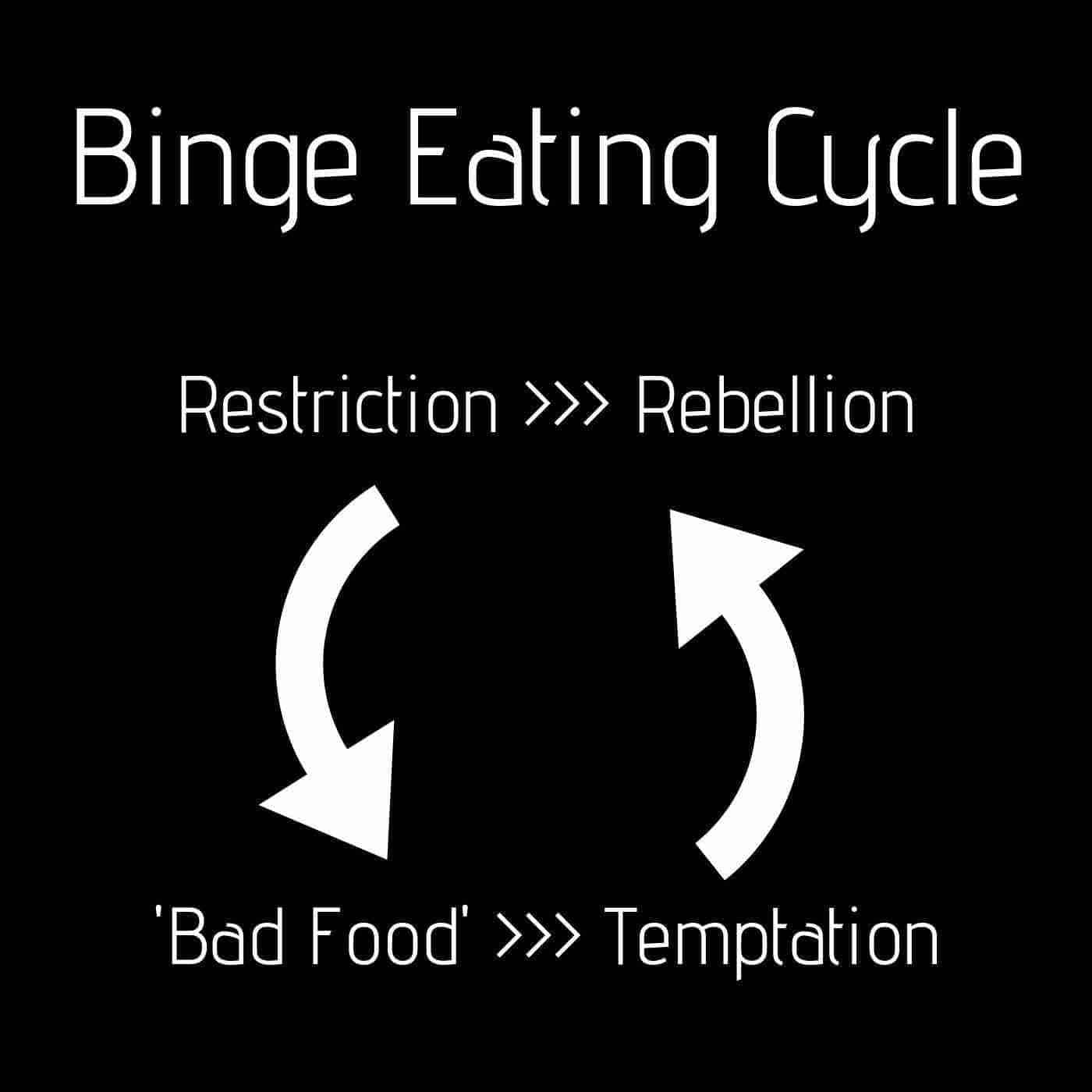
For those facing intense and frequent cravings, these urges may be tied to the binge-diet cycle. Restriction often leads to deprivation, triggering overwhelming cravings that result in binge episodes. This is followed by guilt and shame, perpetuating the cycle. Understanding this pattern is the first step to breaking free.
Journaling as a Path to Awareness
Journaling helps you spot patterns in your cravings, from physical hunger to emotional triggers like stress or loneliness. By reflecting on questions like “Am I reacting to hunger or emotion?” you can gain clarity and regain control over your eating habits.
The Eating Enlightenment Method

- Nutritional Journaling balances meals to prevent primal hunger and stabilize cravings. Consistent, nourishing intake reduces the chances of binge episodes.
- Mindfulness of Triggers encourages reflection on what’s driving cravings. Journaling prompts such as “What am I feeling right now?” help uncover emotional or situational causes.
- Healing Inner Parts digs deeper into emotional roots using journaling and Internal Family Systems (IFS) to release trauma and foster self-compassion.
With awareness and these steps, a healthier relationship with food becomes achievable.
Conclusion:

Chinese food cravings offer more than just a desire for delicious dishes—they’re a window into your personal and physical needs.
They could stem from comforting cultural ties, the irresistible pull of bold, umami flavors, or a physiological need for nutrients. Add emotional relief, the ease of convenience, and the joy of sharing Chinese cuisine with loved ones, and it’s easy to see why these cravings are so relatable.
Understanding your cravings isn’t just about satisfying your appetite. It’s also about exploring your relationship with food, uncovering hidden emotional triggers, and intentionally nourishing your body.
Reflecting on what drives your cravings—a need for connection, a hunger for specific nutrients, or the balance these dishes bring to your palate—can lead to mindful eating and culinary delight.
Try the Eating Enlightenment Journal App to enhance your self-reflection. This free tool helps you track your eating patterns, pinpoint triggers, and develop a healthier, more intuitive approach to food. When explored thoughtfully, cravings can guide you toward greater self-awareness and well-being.
Next time you’re savoring kung pao chicken or dreaming of dumplings, pause for a moment. Reflect on what your body and heart are trying to tell you, and celebrate the opportunity to learn and grow.
Download the Eating Enlightenment Journal App today and begin your journey toward understanding your cravings and nurturing a balanced, joyful relationship with food.