


Have you ever thought about cashews at the most random times—a bowl of creamy, crunchy goodness calling your name? Maybe you pass them at the grocery store and suddenly can’t resist grabbing a bag.
If that sounds like you, you’re in good company. Cravings for cashews might seem out of nowhere, but they’re not as random as they feel.
These cravings are your body’s way of sending you clues, and when you understand them, you can gain valuable insights into your health, emotions, and habits.
Cashews aren’t just a tasty snack; they pack a punch with nutrients like magnesium and healthy fats that support your energy, mood, and overall balance.
But cravings can reveal even more—they can highlight gaps in your diet, lifestyle, or emotional state. By digging deeper into these hunger signals, you can strengthen your physical well-being and relationship with food.
Together, we will uncover five fascinating reasons you might crave cashews. Along the way, we’ll explore how understanding these cravings can help you regain balance and make empowering choices.
Plus, we’ll introduce you to a simple but powerful tool—journaling—to help you track your cravings and decode what they mean. Spoiler alert: cashew cravings might be the wake-up call your body has been waiting for!
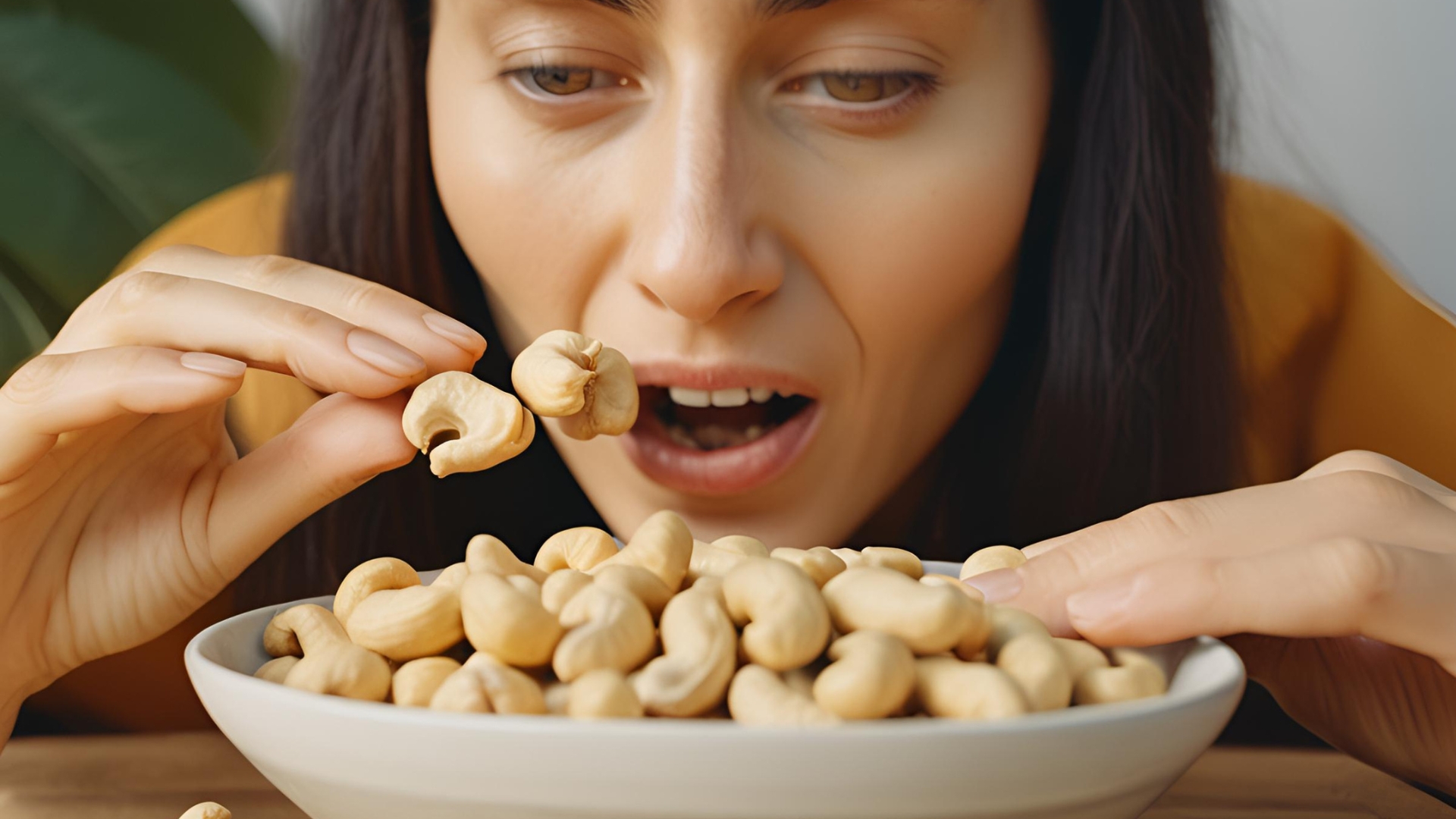
Reason #1. Nutrient Deficiency Alert
One of the most common reasons for craving cashews is your body’s need for specific nutrients. Cashews are loaded with magnesium—vital for energy production, bone strength, and muscle relaxation—and copper for brain health, as well as healthy fats for sustained energy.
When you’re low on magnesium, you might notice symptoms like fatigue, muscle tension, or difficulty concentrating. Your brain could be nudging you toward magnesium-rich foods like cashews to compensate for the shortfall. Think of these cravings as your body’s way of asking for what it needs.
Journaling Prompt: “When I crave cashews, what else is going on with my energy levels, sleep quality, and muscle tension?”
Action Tip: Incorporate more magnesium-rich foods, such as leafy greens, seeds, and almonds, into your meals. Use journaling to track your diet and symptoms, pinpoint patterns, and adapt your eating habits to suit your needs better.
Reason #2. Emotional Comfort Seeker
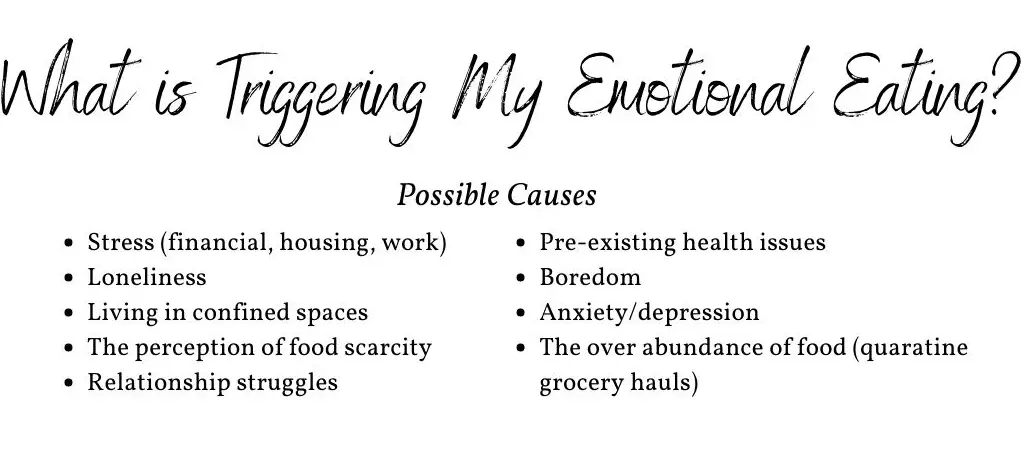
Craving cashews during stressful or emotional periods might reflect their role as comfort food for you. Their creamy texture and rich flavor can provide immediate emotional satisfaction, and their healthy fats may even help boost serotonin levels—the feel-good hormone.
Whether it’s nostalgia or just the need for a calming snack, cashews can become your go-to during tough times. Instead of ignoring the craving, take a moment to reflect on your emotional state. What’s driving you to seek comfort in food? Understanding this connection can help you build healthier coping mechanisms.
Journaling Prompt: “What am I feeling right now? When did this craving start, and is it connected to a stressful or emotional event?”
Action Tip: Before indulging, try a mindfulness practice such as deep breathing, a short walk, or journaling out your emotions. These small actions can help you pause and tend to what’s truly bothering you without entirely relying on food for comfort.
Reason #3. Fuel for Busy Lifestyles

Cashews are nutrient-dense and packed with protein, healthy fats, and carbohydrates, making them an appealing option for quick energy.
If you’re skipping meals or eating a diet low in variety, your body might try to compensate by urging you toward an easy, energy-packed snack like cashews. However, while this quick fix helps fill a gap in the short term, it’s a sign to evaluate your dietary habits more carefully.
Journaling Prompt: “How balanced and consistent has my diet been this week? Have I been skipping meals or eating nutrient-poor foods?”
Action Tip: Plan well-rounded meals with proteins, complex carbs, and healthy fats to sustain energy throughout the day. Keep a food journal to spot any nutrition gaps and serve as a guide for adjustments that ensure long-term wellness.
Reason #4. Hormonal and Seasonal Signals
It’s no coincidence that cashew cravings spike at certain times of the month or as the seasons change.
Hormonal fluctuations—like those during PMS or pregnancy—and the natural desire for warmth and energy during colder seasons can lead you to high-fat, satisfying snacks like cashews. Their rich nutritional profile and warming quality make them particularly appealing during these phases.
Journaling Prompt: “Is my craving recurring during specific times of the month or seasons? What changes in my body or environment might make me crave this now?”
Action Tip: Monitor your cravings alongside menstrual or seasonal patterns. By preparing ahead of time with balanced, warming foods in your diet, you can nourish your body proactively and reduce the intensity of your cravings.
Reason #5. Emotional Memories and Habits
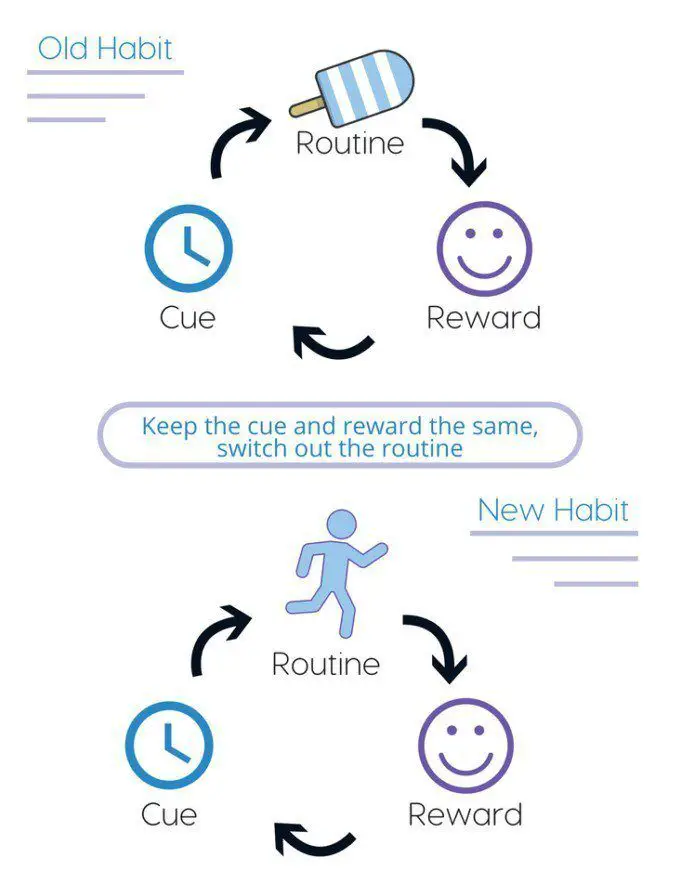
Sometimes, craving cashews is more about your mind than your body. If you associate them with pleasant memories, rewards, or relaxation, these cravings might signal an emotional pattern rather than physical hunger.
The creamy, indulgent flavor of cashews makes them incredibly satisfying, so your brain might connect them with moments of comfort and ease. Exploring this connection could lead to deeper self-awareness about your habits and emotional triggers.
Journaling Prompt: “What emotions or memories come up when I think about cashews? Is my craving connected to seeking comfort or reward?”
Action Tip: Practice mindfulness journaling to reflect on the emotional components of your craving. Ask yourself whether the craving aligns with your emotional needs or if there’s another way to nurture yourself—like calling a friend, reading a favorite book, or engaging in a hobby you enjoy.
5 Myths About Cravings: Why Am I Craving Cashews?

Cravings, especially for delicious snacks like cashews, can feel puzzling. Here are five common myths about cravings and the truth behind them:
1. Myth: Cravings Mean You Lack a Nutrient
While deficiencies (like low magnesium) can trigger cravings, they’re not the only reason. Stress, emotions, or physical exhaustion can also play a role.
Truth: Address cravings by eating a balanced diet and staying healthy.
2. Myth: Cravings Are a Lack of Willpower
Feeling guilty for wanting food like cashews? No need. Cravings are your body or brain responding to a physical, emotional, or both need.
Truth: Cravings are natural and often tied to emotions, routine, or energy needs.
3. Myth: Cravings Always Mean You’re Hungry
You don’t need to be hungry to crave something. Often, cravings are influenced by habit or external triggers, like passing by a favorite snack aisle.
Truth: Pause and ask yourself if you’re hungry, bored, or stressed before you snack.
4. Myth: Cravings Are Bad
Cravings get a bad reputation, but they’re simply signals from your body. Cashew cravings might reflect positive patterns, like seeking energy or healthy fats.
Truth: Listen to your body without judgment and nourish it wisely.
5. Myth: Cravings Can Be Ignored
Suppressing cravings often backfires, leading to stronger urges later. Instead, thoughtfully address the craving.
Truth: Satisfy in moderation or find healthy alternatives if possible.
The Bigger Picture of Cravings

Cravings can sometimes point to a deeper pattern, like those seen in Binge Eating Disorder (BED). BED is marked by cycles of restriction, deprivation, intense cravings, binge eating, and guilt—what’s known as the binge-diet cycle.
Often, it starts with not eating enough or avoiding certain foods, which builds deprivation and leads to a loss of control during a binge. The guilt that follows may push you back to restriction, perpetuating the cycle.
Pause and reflect with this journaling prompt: “Am I getting enough nutrients daily? How do I feel emotionally after eating cashews or similar snacks?”
A Simple 3-Step Approach

Breaking this cycle requires addressing both physical and emotional needs with the Eating Enlightenment approach:
- Build a Nutritional Foundation: Balance meals with protein, healthy fats, and carbohydrates to avoid deprivation and stabilize cravings.
- Practice Mindfulness – Notice triggers. Pause before acting on a craving and identify the emotions or situations behind it.
- Heal Through Journaling – Reflect on unresolved emotions or patterns driving cravings. Write letters to your “inner self” to uncover deeper needs.
You foster a compassionate and balanced relationship with food by nourishing your body and exploring your emotions.
Closing Thought:
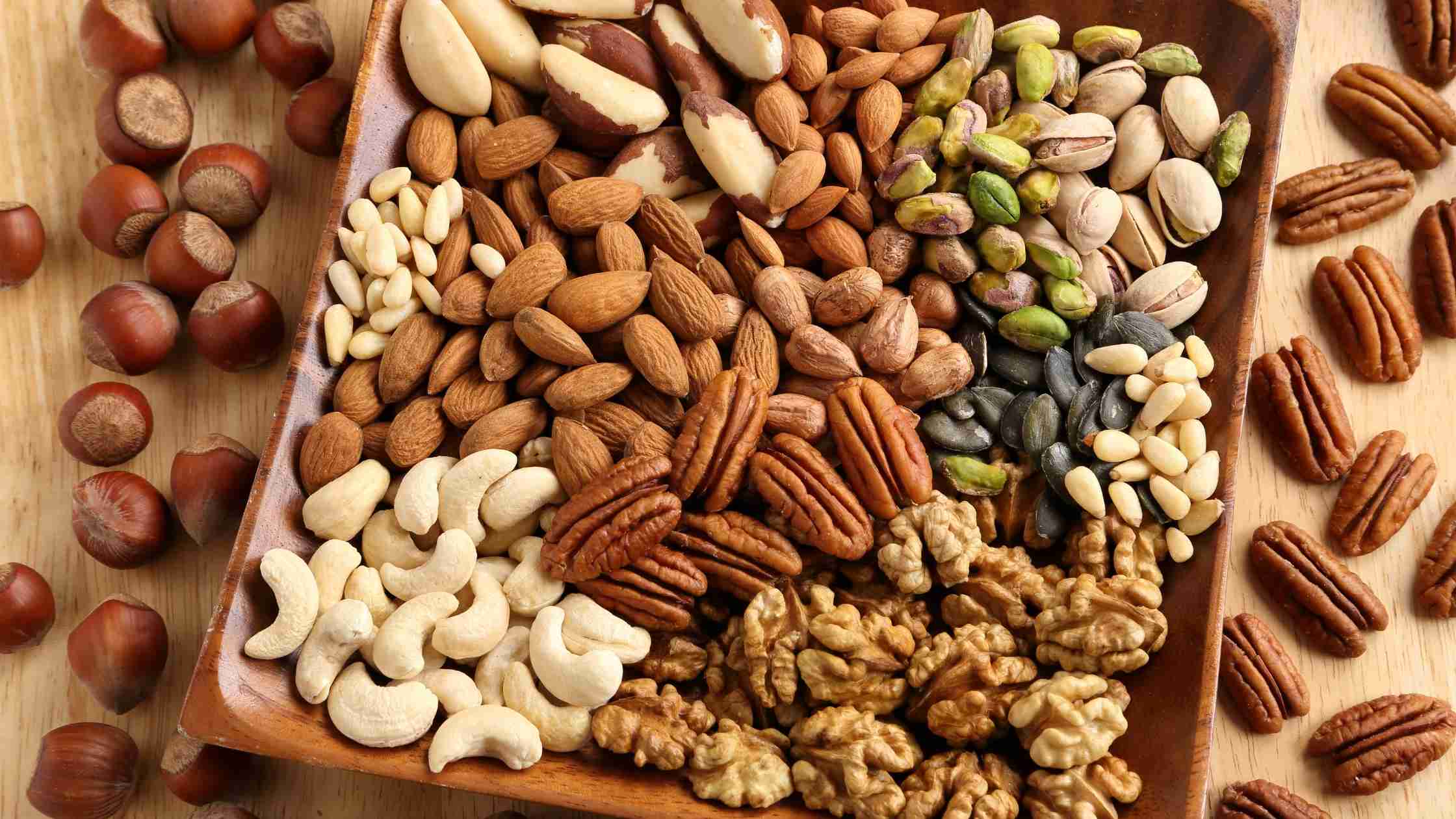
Cravings, like your desire for cashews, aren’t random. They’re meaningful signals from your body that reflect nutritional needs, emotional states, or even lifestyle habits.
Understanding these cravings is the first step towards building a healthier, more intuitive relationship with food.
By approaching your cravings with curiosity and mindfulness, you can uncover their more profound messages and find sustainable ways to support your overall well-being.
To help you on this path, the free [Eating Enlightenment Journal App] is a powerful tool that makes tracking your cravings and dietary patterns easy and insightful.
This app guides you in recognizing trends, understanding triggers, and making food choices that align with your unique needs. It’s more than a journal—it’s your self-discovery and mindful eating partner.
Your cashew cravings are a window into your body’s needs, lifestyle patterns, and emotions. By exploring these signals with curiosity and care, you’re not just managing cravings but connecting with yourself on a deeper, more compassionate level.
Take the first step today—download the Eating Enlightenment Journal App and begin your journey toward mindful eating and greater self-awareness. A healthier, more balanced relationship with food is within reach. Start now!