


Have you ever found yourself reaching for a tangy slice of lemon or craving the sharpness of vinegar-soaked pickles without knowing why? Maybe it’s a sudden urge that hits during a stressful moment, or perhaps it’s a craving that sneaks up on you when everything seems calm. It’s puzzling. These cravings for acidic foods may feel random, but they’re not—they could be your body’s way of communicating something important.
Understanding these cravings goes beyond satisfying a fleeting desire. They might reveal clues about your health, from subtle nutritional gaps to emotional triggers or the effects of daily stresses. Exploring why you crave acidic foods can uncover valuable insights into what your mind and body genuinely need.
In this post, we’ll explore eight fascinating reasons you might be drawn to these sharp, zesty flavors. Whether it’s a sign of a Vitamin C deficiency, a coping mechanism for stress, or simply a reflection of your body’s unique needs, unraveling the

“why” behind your cravings can provide a deeper perspective on your overall well-being. Together, we’ll examine how mindful journaling can help decode these cravings and guide you toward a more balanced relationship with food.
8 Reasons You Might Be Craving Acidic Foods
Start your exploration with these potential causes. Reflective journaling prompts accompany each reason to help you explore your cravings more deeply.
#1 Your Body Wants More Vitamin C

Craving acidic foods like a crisp slice of lime or tangy pickles might feel strange, but it’s often your body’s way of communicating an underlying need. One reason could be a craving for Vitamin C—your body’s immune powerhouse. Citrus fruits and other sour foods are rich in Vitamin C, which supports your immunity, skin health, and overall well-being. If your stores of this essential vitamin are running low, your craving might ask you to replenish it.
Aiming for variety, add bell peppers, strawberries, or a kiwi to your meals. These small steps support your health while noting how your diet may be meeting or lacking in this area. To guide yourself deeper, journaling could help—ask yourself, “Have I been unintentionally skipping foods that nourish my immune system? What might this vitamin deficiency mean for my overall wellness?”
#2 You Need Electrolyte Balance

Another potential cause of acidic cravings is the body’s need to regain electrolyte balance. Feeling dehydrated or experiencing an imbalance in fluids can lead to instinctive cravings for acidic foods, which often feel refreshing and hydrating.
Hydration is critical for regulating energy levels and maintaining vital organ functions. Drinking water regularly and eating electrolyte-rich foods like bananas or leafy greens can restore balance and reduce cravings.
Try sitting with your craving momentarily and record in a journal how your hydration status might impact your body’s signals. Reflect on this question, “Does drinking water impact this craving, and how does it feel to satisfy this need in a way that supports my overall health?”
#3 Digestive Health Troubles
Your digestive health can often prompt acidic cravings. If your stomach isn’t producing enough acid to digest food properly, you might unconsciously turn to acidic flavors to compensate. Interestingly, low stomach acid can sometimes mimic more familiar symptoms like heartburn, which could confuse matters further.
This is why it’s essential to tune into how your body feels before and after consuming acidic foods. To stay proactive, consider tracking how your digestion changes after meals. A simple journal prompt like “How do I feel after eating acidic foods—more comforted or less?” will help you uncover trends connected to your gut health and lead to better choices.
#4 Stress-Related Patterns

Stress is another major factor when it comes to acidic cravings. If you’ve noticed an uptick in your cravings during tense moments, you’re not alone. Overwhelmed, your body might seek sharp, tangy flavors that deliver a temporary sensory escape, giving your brain something bold to latch onto instead of your racing thoughts.
However, like any stress response, this is only a short-term solution. Incorporating relaxation techniques like deep breathing or gentle movement can be a longer-term remedy. Before reaching for that sour treat, take a moment to consider your emotions. Journaling could prompt mindfulness, asking, “What feels overwhelming right now, and am I reaching for these foods as an emotional release?”
#5 Psychological Connection or Comfort
Sometimes, acidic cravings are tied to emotional nostalgia. Maybe pickles taste reminds you of family gatherings, or a frosty lemonade brings back childhood summers. These food cravings act as a bridge to memories and moments of joy.
Instead of dismissing these experiences, honor them. Savor the memory they evoke, but take a broader approach to meet that emotional need. Reflect in a journal, “What am I truly craving here—a connection, comfort, or something else? How can I honor those feelings without solely relying on food?” This approach helps you connect with joyful memories without overindulging.
#6 Hormonal Fluctuations

Hormonal fluctuations can heighten cravings for sour tastes, particularly during menstruation, pregnancy, or menopause. Hormones affect our taste preferences directly by altering how we perceive flavors. During these times, you might find tangy foods especially appealing.
Use this to stay curious and notice patterns in your cravings. Keep a journal to track craving cycles, jotting down prompts like, “Do these cravings shift throughout the month, and how might they relate to these phases in my body?” This awareness can help you better understand what your body is communicating and how to respond compassionately.
#7 Boredom or Sensory Stimulation

Sometimes, when boredom sets in, your body craves acidic food to stimulate itself. The vibrancy of acidic flavors can snap you out of monotony, offering a sensory spark when your day feels flat.
Rather than automatically reaching for food, explore other ways to bring novelty into your routine. It could be through walking, reading a new book, or making flavored water with fresh herbs and a splash of lime juice. Journaling here can offer meaningful insights, with prompts like, “What else might bring excitement or joy into this moment? How can I refresh without relying on food?”
#8 A Deeper Emotional Need
Finally, acidic cravings may point to deeper emotional hunger. Often, we turn to food when we seek comfort or a way to cope with unmet needs. This doesn’t mean the craving is terrible—it’s a chance to pause and reflect.
Next time the urge hits, take a moment to sit with it instead of acting immediately. Try journaling about what comes up, asking, “What deeper feeling or yearning might this craving represent? How can I respond to myself in a nurturing way that goes beyond food?” This approach allows you to uncover the roots of your cravings and begin addressing them with kindness and care.
Cravings for Acidic Foods and Their Link to Binge Eating Disorder (BED)
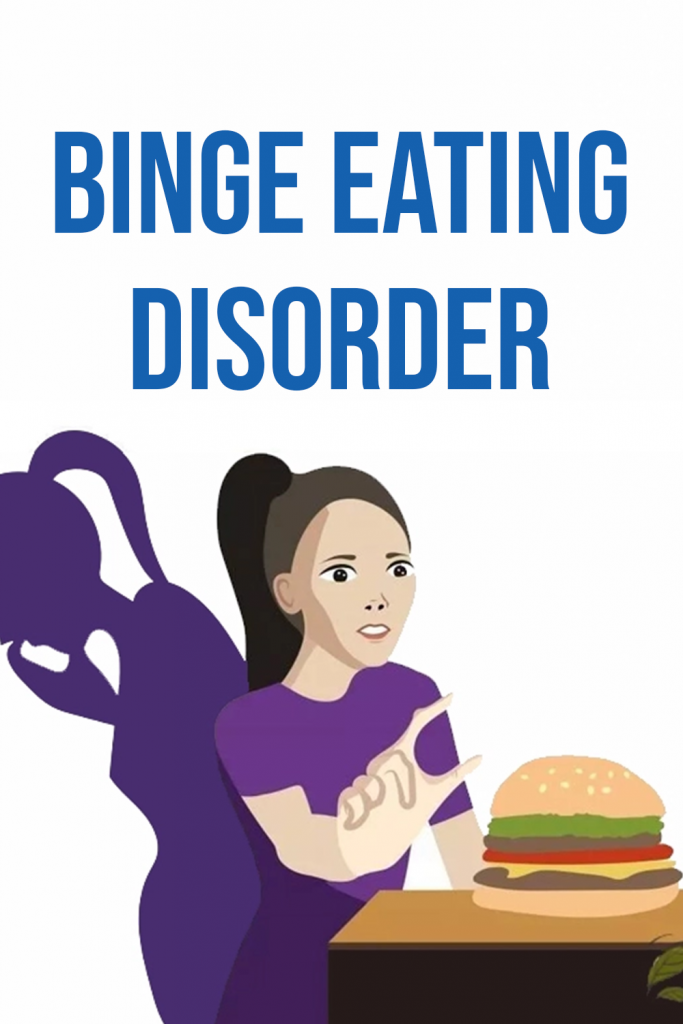
Cravings for acidic foods like lemons, pickles, or vinegar might seem harmless but can signal deeper issues for those with BED. These cravings often point to physiological needs, emotional coping, or sensory triggers tied to eating patterns.
Key Factors Behind Acidic Cravings
- Physiological Needs
- Nutritional Deficiency: Cravings for items like lemons may reflect a need for Vitamin C, often depleted by stress.
- Electrolyte Imbalance: Acidic flavors refresh and replenish when hydration is low.
- Low Stomach Acid: The body may seek acidic foods to compensate for improper digestion, worsened by overconsumption.
- Stress and Emotional Triggers
- Acidic cravings often mask stress or emotional discomfort, providing sensory relief through intense flavors.
- Emotional distress cycles into temporary relief, repeating the craving-binge pattern without solving underlying issues.
- Memory and Associations
- Nostalgia-driven cravings can connect to comforting memories, making acidic foods a way to revisit happy or soothing past experiences.
Common Triggers for Acidic Food Cravings
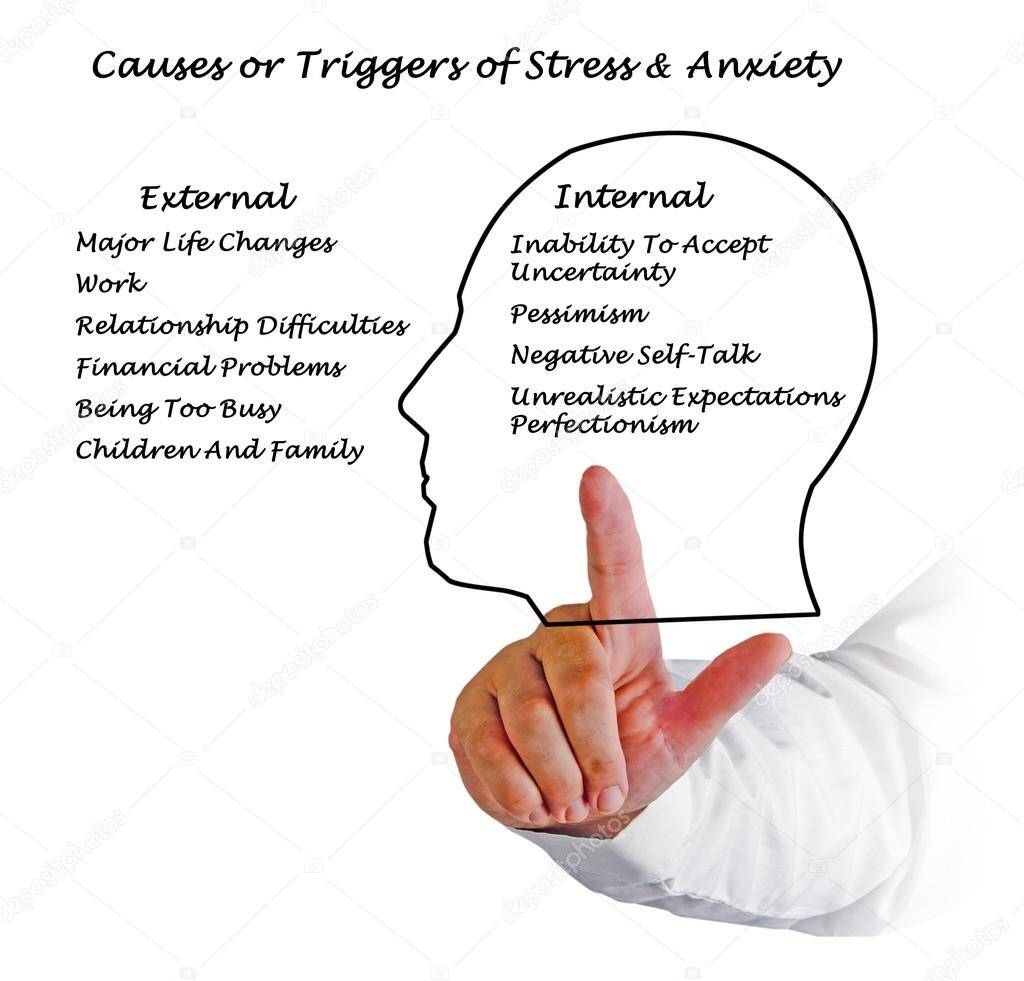
- Restrictive Dieting creates imbalances, prompting heightened focus on specific flavor profiles.
- Stress or Anxiety activates cortisol levels, increasing the demand for bold tastes.
- Hormonal Changes during menstruation or pregnancy influence the preference for sour foods.
- Dehydration signals a need for hydrating flavors.
Impact of Excessive Acidic Food Consumption
- Digestive Problems like acid reflux or ulcers.
- Dental Health Issues from eroded tooth enamel and sensitivity.
- Nutritional Imbalance is caused by prioritizing acidic foods over essential nutrients.
Strategies for Managing Acidic Cravings
Dietary Adjustments
- Increase Vitamin C naturally with bell peppers, oranges, or kiwis.
- Hydrate Regularly with water or electrolyte-infused drinks to avoid imbalances.
- Choose Milder Alternatives like tart berries or roasted tomatoes.
- Eat Balanced Meals to stabilize hunger cues and reduce binge tendencies.
Behavioral Therapies
- Be Mindful of triggers; pause to reflect on whether cravings stem from emotions, boredom, or hunger.
- Example prompt: “What am I feeling, and how else can I address it?”
- Journal Regularly to uncover patterns and anticipate triggers.
- Inner Parts Work explores unmet emotional needs behind cravings, guided by professional therapy.
Professional Help
- Cognitive Behavioral Therapy (CBT) identifies and reframes negative thought patterns.
- Work with a Dietitian to integrate balanced nutrition while accommodating cravings.
- Join Support Communities like those at Eating Enlightenment for shared recovery insights.
Practical Advice
- Be Kind to Yourself. Cravings are insights, not failures.
- Pause Before Acting. Use techniques like walking or breathing to assess your cravings.
- Seek Support. Bed-focused programs and mindful journaling apps can provide guidance and clarity.
Acidic food cravings can be an opportunity for growth and self-awareness. Balance physiological needs, uncover emotional patterns, and create lasting change for a healthier relationship with food.
Summary
Cravings, particularly for acidic foods, are more than fleeting desires—they’re your body’s way of communicating deeper needs. Understanding these cravings can provide valuable insight into your overall health and well-being, whether they indicate a nutritional gap, emotional stress, or hormonal shifts. By exploring why you crave certain flavors, you can take better care of yourself physically and emotionally.
Your cravings are not weaknesses; they’re essential signals deserving of your attention and compassion. Reflect on your dietary patterns, ask yourself what your body and mind might need, and take proactive steps toward balance and harmony. Listening to these cues is a step toward building a healthier relationship with food and yourself.
Why not start today? Download the free [Eating Enlightenment Journal App] and take the first step toward understanding your cravings. Use the app to track your eating patterns, uncover hidden triggers, and gain clarity about what your body needs. This simple yet powerful tool can help you transform your approach to food into one that’s mindful, intentional, and uniquely tailored to you.
Take control of your nutritional journey today—your health, happiness, and harmony are worth it.