

Vitamin K is essential for blood clotting, bone health, and overall well-being, yet its deficiency often goes unnoticed until it manifests through critical symptoms.
Recognizing the top signs of Vitamin K deficiency is crucial for maintaining health and preventing more severe complications.
By being aware and proactive, you can better manage your health journey. The Eating Enlightenment Food Journal App can be a valuable ally in this process, helping you track and manage cravings, emotional eating, and binges. With its insights, you can understand your eating patterns and make informed, healthier choices.
What is a K vitamin, and what does it do for the body?
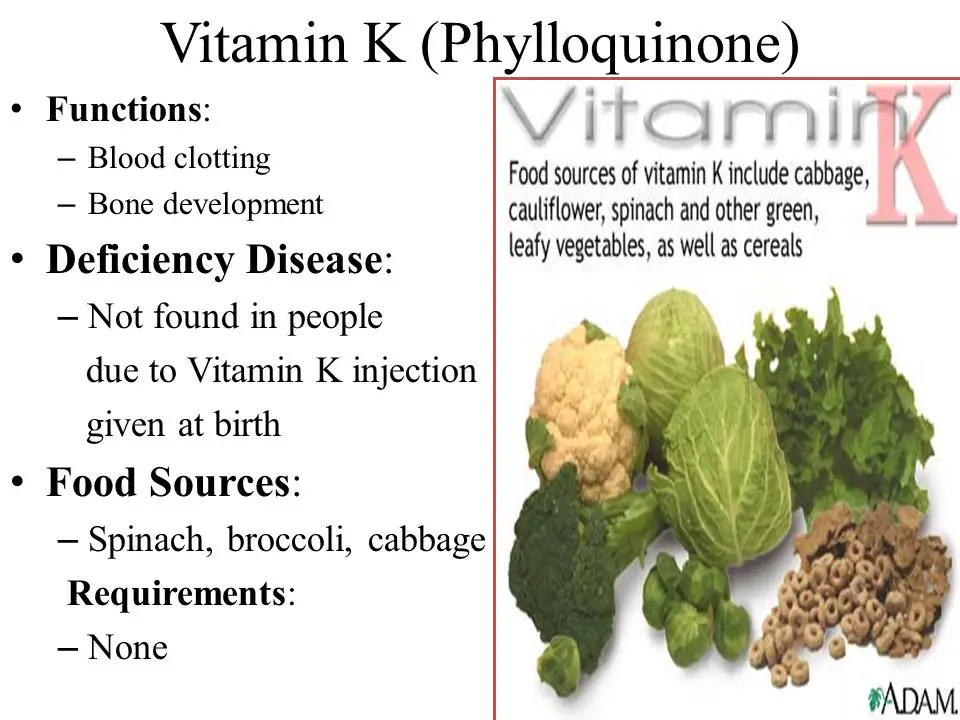
Vitamin K is a nutrient that the body needs for blood clotting.
Vitamin K interacts with the body’s proteins to produce clotting factors.
Without Vitamin K, the body’s clotting factors do not work correctly, and bleeding occurs.
Here is a 2022 study in which Dr. Coviello says, “Vitamin K deficiency can contribute to significant bleeding, poor bone development, osteoporosis, and increased risk of cardiovascular disease.”
1 – Excessive bleeding

One of the most common symptoms of vitamin K deficiency is excessive bleeding.
Without enough vitamin K, the blood cannot clot properly, leading to serious health problems.
This can manifest itself in some ways, including heavy menstrual bleeding, small blood clots appearing under the nails, and bruising easily.
Excessive bleeding is a sign of K vitamin deficiency because K vitamin is responsible for blood clotting.
2 – Easy bruising

As we mentioned before, K vitamin is responsible for blood clotting.
Without enough K vitamin, the blood cannot clot properly, leading to easy bruising.
Easy bruising is one of the most common symptoms of vitamin K deficiency and is a major concern for people with this condition.
How do you know if you bruise easily?
If bruises appear without any injury or take a long time to heal, you may be K vitamin deficient.
3 – Bloody poop

Bloody poop is another common K vitamin deficiency symptom.
When you have blood in your poop, this means that there is bleeding in your digestive tract.
Several things can cause this, but vitamin K deficiency is one of the most common causes.
Bloody poop can also be a sign of other severe health conditions, so it is vital to see a doctor if you experience this symptom.
4 – Other common bleeding situations
There are a few other common K vitamin deficiency symptoms that involve bleeding.
These include nosebleeds, gastrointestinal bleeding, and brain bleeds.
Nosebleeds are relatively common in people who are vitamin K deficient.
Gastrointestinal bleeding is more severe and can lead to vomiting blood or passing blood in your stool.
Brain bleeds are the most serious and can be life-threatening.
Unfortunately, brain bleeds are almost impossible to detect until too late.
Please visit your doctor regularly to help get ahead of these problems before they strike!
What are the benefits of having a healthy level of K vitamins in the body?
Here is a list of vitamin K benefits:
- Helps with blood clotting
- Needed for bone health
- Important for heart health
- It can help with anxiety and depression
- It may improve cognitive function
- Could reduce the risk of cancer
- It may help to treat osteoporosis
As you can see, having a healthy level of K vitamin in the body has many different benefits, including no deficiency bleeding!
What causes vitamin K deficiency?
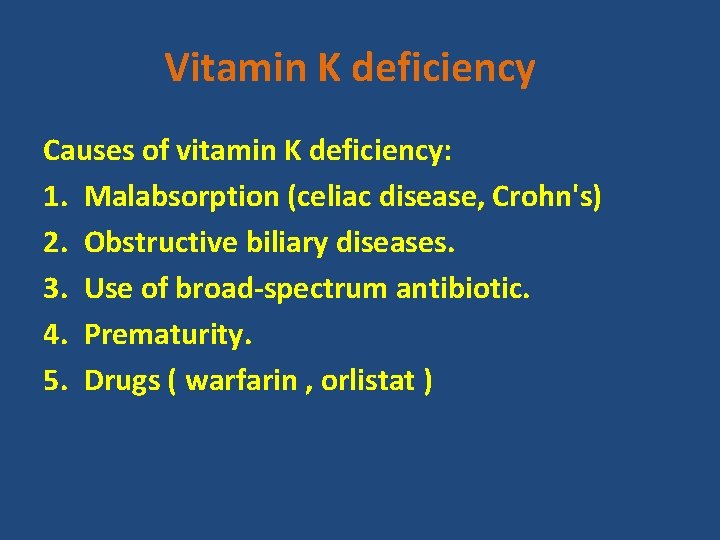
Vitamin K deficiency is relatively rare but can occur if you don’t eat enough leafy green vegetables or have a medical condition that affects your vitamin K absorption.
Vitamin K deficiency also occurs when a baby is born without the required quantity of vitamin K, which puts the baby at risk for bleeding.
For example, if a mother’s breast milk contains low vitamin K, the baby is at risk for vitamin K deficiency.
Unfortunately, Vitamin K deficiencies are prevalent in healthy youngsters.
Vitamin K deficiency tests
If you think you may be K-vitamin deficient, your doctor can perform a few tests to check.
The most common test is the prothrombin time test.
This test measures how long it takes your blood to clot.
If your blood takes longer to clot than average, this could be a sign of k vitamin deficiency.
Your doctor may also perform a complete blood count, a serum K-level test, or a K-dependent clotting factor test.
Read here for more info about vitamin deficiency tests.
Vitamin K deficiency treatment

If you are found to be vitamin K deficient, a few different treatment options are available.
You can take K vitamin supplements, eat foods high in K, or receive K vitamin injections.
Vitamin K supplements are available over the counter and can be taken in pill form.
For more info about a vitamin K supplement, please read our review article about the best vitamin K supplements.
Foods that are high in K vitamins
Vitamin K is found in leafy green vegetables, broccoli, Brussels sprouts, and cabbage.
It is also found in pork, beef liver, eggs, and dairy products.
It is also found in some oils, such as canola and soybean.
Summary – K vitamin deficiency symptoms

Although we’ve only listed four common symptoms of a K vitamin deficiency, this is not exhaustive.
Even for healthy adults, if you are experiencing any unusual deficiency bleeding, it’s best to speak with your doctor and get tested for a deficiency.
And if you think you might be prone to deficiencies, be sure to read our 101 article about bingeing – it just might save your life one day.