

I want to talk to you today about the symptoms of stress eating disorder.
Because I’m a Santa Clara Therapist, I help people with treating the symptoms of stress eating disorder.
Please take into consideration that I am biased towards over-eating disorders, as opposed to anorexia, as my specialty revolves around binge eating treatment, along with compulsive eating and emotional eating.
If you would like another resource on the signs of other eating disorders, you can check out the official statistics by the National Association of Anorexia and Associated Disorders.
Without further ado, my top 6 symptoms of stress eating disorders are:
- Eating faster than usual
- Eating past the point of fullness
- Eating when not physically hungry
- Eating alone or in secret
- Feeling upset or guilty after overeating
- Feeling that you are abnormal
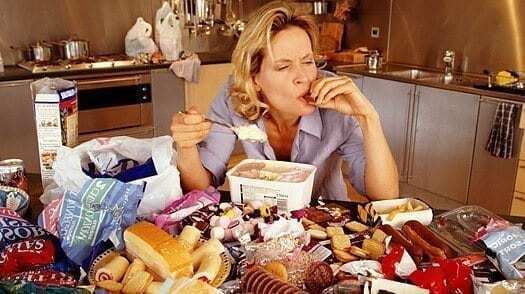
I was talking to someone about the symptoms of a stress-eating disorder …
I met this person recently, and we had just started talking about weight loss.
Side note: I like to start conversations around weight loss because many people have ‘weight loss’ at the top of their minds.
However, after repeated attempts at dieting where people see their weight regain, this person might start to realize deeper forces are at play.
This is when I’ll typically hear from people whom I met this person recently.
This person said the most challenging part about weight loss was …
‘Being compelled to eat a ton of food by my stomach even though I didn’t want to.’
I wanted to write this piece to give this person some insight … and to help the Mountain View community realize they aren’t alone. Hence, this article 🙂
When is stress Eating Disorder a disorder versus just ‘normal but bad eating habits and not a disorder’:
So, this person, as we chatted about eating habits, asked me a powerful question:
When does an eating disorder become an eating disorder?
This person said they witnessed their friends drinking too much alcohol and overeating food at parties, but this person said they wouldn’t consider their friends to have an eating disorder. Neither would this person’s friends say they had an eating disorder either.
So what happens when someone has destructive eating patterns but isn’t an eating disorder? How do you know the difference?
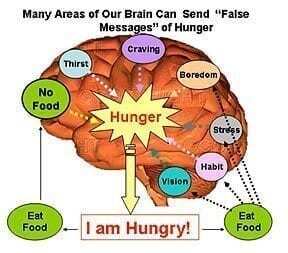
The answer to eating disorders versus lousy eating habits necessarily boils down to the subjective severity of these symptoms.
Many people have these symptoms who aren’t even overweight! Yet they report such severity of feeling upset that they might have a disorder.
Other people who do struggle with weight may find they have mild effects of compulsive eating and don’t feel they have a disorder.
So, indeed, the symptoms listed above are meant to be guidelines. It’s still up to them to deem these symptoms a problem.
What about binge eating disorder versus compulsive eating disorder?
So, there is some debate in the newest psychotherapy manual about the definition of Compulsive Eating Disorder versus Binge Eating Disorder.
This is at the heart of the question – when does an eating disorder become an eating disorder?
You don’t need to worry about whether you are binge or compulsively eating for most purposes.
Although, if you are curious …
Here’s an excellent article about the difference between compulsive and binge eating. I also wrote another post about the 5 Steps to Stop Food Cravings, which you can read here.
What about the root cause of the symptoms of Stress Eating?

Simply put, symptoms of compulsive eating stem from a belief that you won’t get enough food.
I’m skipping over a lot of detail, right, but the basic gist, the very foundation of eating disorders, is some subconscious level thinking your belly (not necessarily your mind) is starving.
For example, your mind may be starving your belly when attempting to diet.
Therefore, your belly (your belly takes over your brain when you are starving, and that’s why you feel out of control), your belly must stuff yourself because you are hungry.
But our emotional selves, our inner children, are much different.
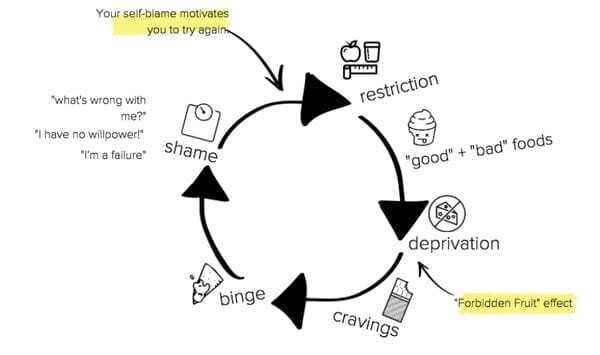
In dieting culture, you constantly restrict yourself and tell your inner kid ‘NO’ to certain types of food:
- Like, NO, you can’t have that hotdog at the ballgame because you overate beforehand
- Like, NO, you can’t have that Halloween candy because it has too much sugary
And every time you say NO to your hunger, your hunger (or your inner kid, I use hunger and inner kid pretty synonymous) thinks that food is unpredictable.
What does your hunger do?
Well, it tries to keep you alive by overeating.
Because your hunger is so powerful, it compels you to overeat.
So, the root cause of compulsive eating is the feeling that food is scarce and unpredictable.
People often struggle with motivation when trying to overcome stress eating, making inspiration hard to find. Food journaling supports weight management, boosts self-awareness, and encourages mindful eating.
The Eating Enlightenment Food Journal App on IOS and Android is user-friendly, customizable, and motivating. Download it today to transform your journey and embrace a healthier life.
Often, this pattern started in childhood.
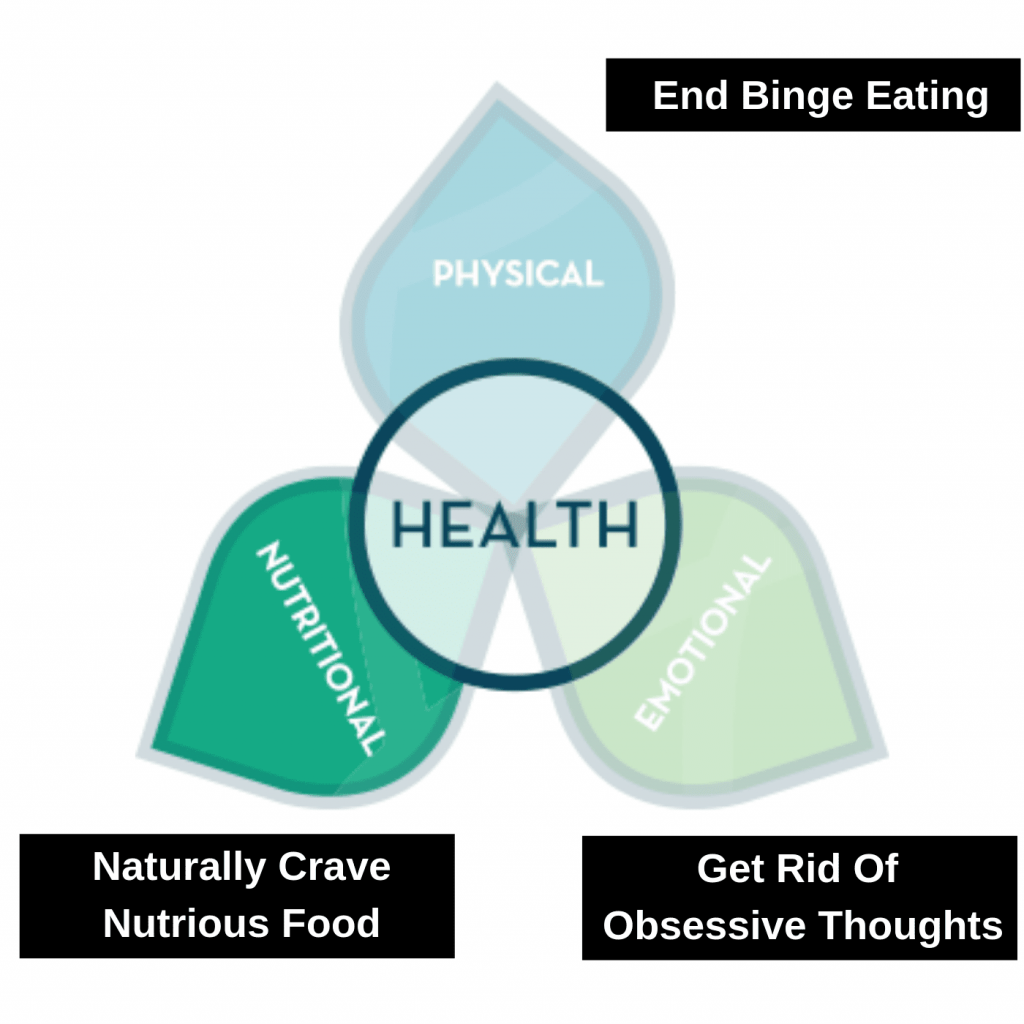
And the key to breaking this pattern is what I call Weight Loss Enlightenment.
Weight Loss Enlightenment (WLE) is a few different things.
- You pay attention to your hunger so you know if food is ‘scarce’. When food feels scarce, you automatically eat a ton more than you should. So, tuning into your body is a massive part of WLE.
- WLE is also about limiting beliefs. If you don’t trust your hunger enough, you will constantly restrict it as part of a diet. When you limit your hunger, you’ll inevitably send a signal to your hunger that food is scarce, and the cycle will repeat itself. So you need to work on the limiting belief that you can’t trust your hunger.
To regain confidence in your hunger, it would be best to practice the ‘yoga of weight loss.’
So, you heal this whole cycle by gaining trust in your hunger.
And gaining your trust back can be done!
So compulsive eating …
It’s probably better not to think of compulsive eating as a disorder…
But rather simply a lack of trust in your hunger.
Just start paying attention to when you feel like food is scarce.
Because the ultimate goal …
It is to see food in non-binary terms. This is a fancy word for seeing for ‘normally.’
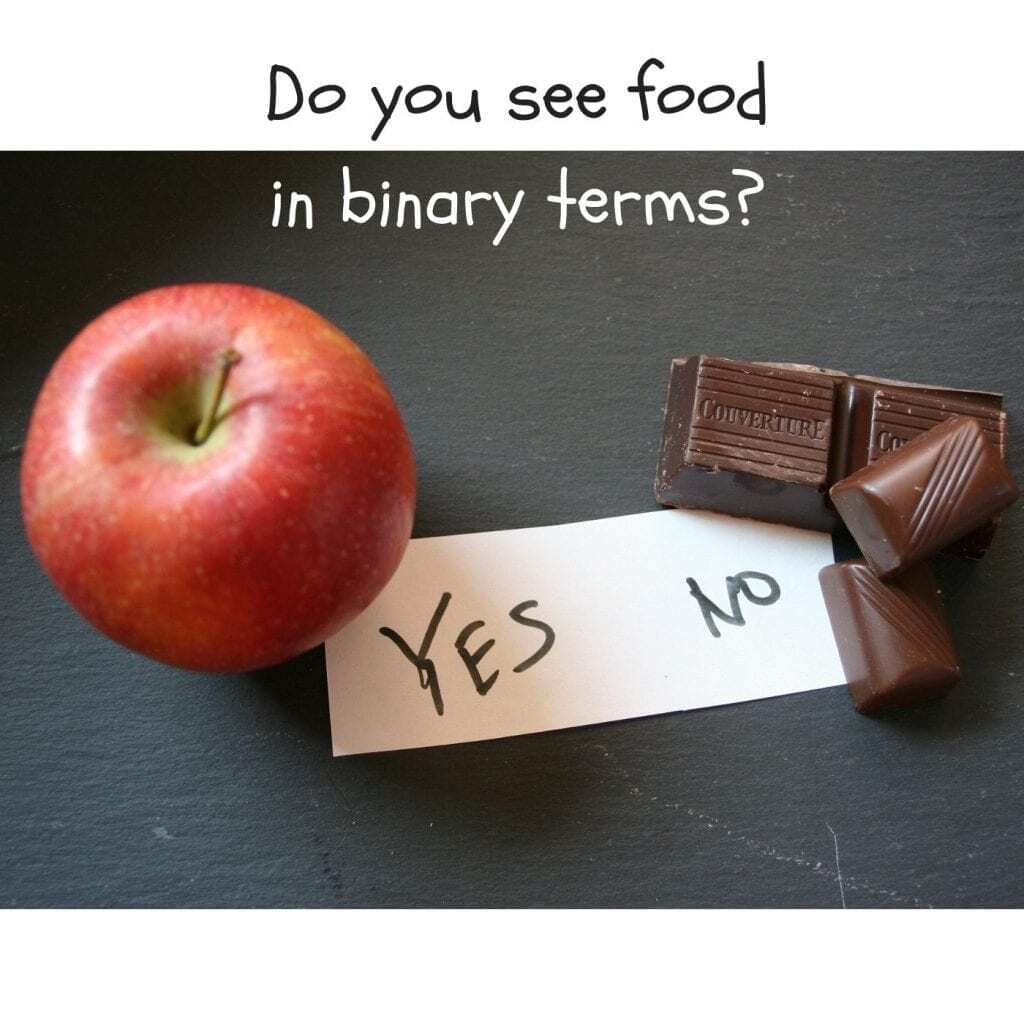
This means you can trust yourself to eat anything…
Because your emotional reaction to food is the same.
Food is no longer good or bad. It’s just food.
Huge realization!!!!
Yet the ultimate realization is realizing…
Unconditional eating.
You trust your hunger so much that you allow yourself to eat anything without guilt.
As Dr. Jamie Long says, “Intuitive Eating is based on the premise that our body instinctively knows how to nourish itself and maintain a healthy weight. That becoming more connected to our biological hunger and fullness cues is a far more effective way to attain health than following a strict diet.”