


Watermelon is a staple summer fruit, providing a refreshing and sweet treat on hot days. It’s often enjoyed by slicing into juicy pink wedges, discarding the seeds and rind without hesitation.
However, what you may not know is that watermelon rind is edible and can offer surprising health benefits.
In this article, we’ll examine this often-overlooked part of the beloved fruit and discover why you shouldn’t be so quick to toss it aside.
Get ready to be pleasantly surprised! So, let’s dive in and explore the world of watermelon rind together.
The Hidden Potential of Watermelon Rind
Watermelon rind is the firm, white portion of the fruit that’s typically discarded after slicing into the juicy pink flesh. It may not look very tasty, but don’t let its appearance fool you – watermelon rind has a surprising amount of nutrients and health benefits.
It’s been used for centuries in traditional medicine for its healing properties. So why is it still considered a waste by most people? Let’s uncover the hidden potential of this often-overlooked part of the watermelon.
Nutritional Value
Watermelon rind is not only edible but also packed with nutrients that can benefit our health. It’s a good source of vitamin C, which helps boost our immune system and protect us from illness.
It also contains vitamin A, which is essential for maintaining healthy skin and eyesight. Additionally, watermelon rind is rich in potassium, magnesium, and B vitamins—all crucial for the proper functioning of our body’s systems.
However, perhaps the most surprising fact about watermelon rind is its high levels of citrulline. This amino acid has been shown to positively affect blood pressure and circulation.
Citrulline is also known to improve athletic performance and aid in muscle recovery.
Who would have thought the often discarded watermelon rind could offer such impressive health benefits?
Health Benefits of Eating Watermelon Rind

- Improves digestion: Watermelon rind contains fiber, aiding digestion and promoting regularity.
- Lowers blood pressure: As mentioned before, the citrulline in watermelon rind has been shown to affect blood pressure and circulation positively.
- Anti-inflammatory properties: The presence of antioxidants in watermelon rind can help reduce inflammation in the body.
- Boosts immune system: The vitamin C content in watermelon rinds can strengthen the immune system and help fight infections.
- Good for heart health: The potassium and magnesium in watermelon rinds are essential minerals for maintaining a healthy heart and reducing the risk of heart disease.
- Improves skin health: Vitamin A in watermelon rind can improve skin health, making it look more radiant and youthful.
- Supports weight loss: Watermelon rind is low in calories and contains a lot of water, making it an excellent snack for those looking to lose weight.
Safety Considerations

Selecting:
- Choose a watermelon that feels firm and heavy for its size.
- Look for a yellow spot on the bottom of the watermelon, which indicates it was ripened on the vine.
Preparing:
- Wash the watermelon rind thoroughly before consuming or cooking with it.
- Cut off the outer green layer and only use the white part of the rind.
- If you are unsure about eating raw watermelon rind, try cooking it first to make it easier to digest.
How to Eat Watermelon Rind
Watermelon rind may not be the first thing that comes to mind when you think of delicious and healthy foods, but it has great potential! The white part of the rind can be eaten raw and adds a refreshing crunch to salads or blended into smoothies.
Watermelon rind can also be pickled using traditional recipes and methods, giving it a tangy and flavorful taste. For those who prefer cooked dishes, it makes a great addition to stir-fries, soups, and stews.
For the more adventurous eaters, many creative recipes incorporate watermelon rind, such as watermelon rind curry or watermelon rind jelly. The possibilities are endless!
Environmental and Economic Benefits
It’s important to remember that our food choices affect not only our own health but also the health of our planet. Incorporating watermelon rind into our diets can have a positive impact on both ourselves and the environment.
Reducing food waste is crucial for a sustainable future, as it decreases greenhouse gas emissions from landfills. By utilizing whole fruit, we are making a small but significant effort to reduce food waste.
Additionally, incorporating watermelon rind into our meals can save us money. Using all parts of the watermelon gives us more value from our purchase and makes our meals more cost-effective.
Another essential aspect to consider is supporting local and sustainable agriculture. Using all parts of the watermelon, we support sustainable farming farmers.
This can also lead to more diverse and nutrient-rich soil, contributing to healthier ecosystems.
Incorporating watermelon rind into our diets may not seem like a significant change, but it can positively impact our health and the environment.
Let’s start looking at watermelon as more than just a summertime treat but a holistic and sustainable meal choice. So, making conscious choices like using whole fruit benefits us and supports a healthier planet for future generations.
Is It Beneficial to Eat Watermelon Rind?
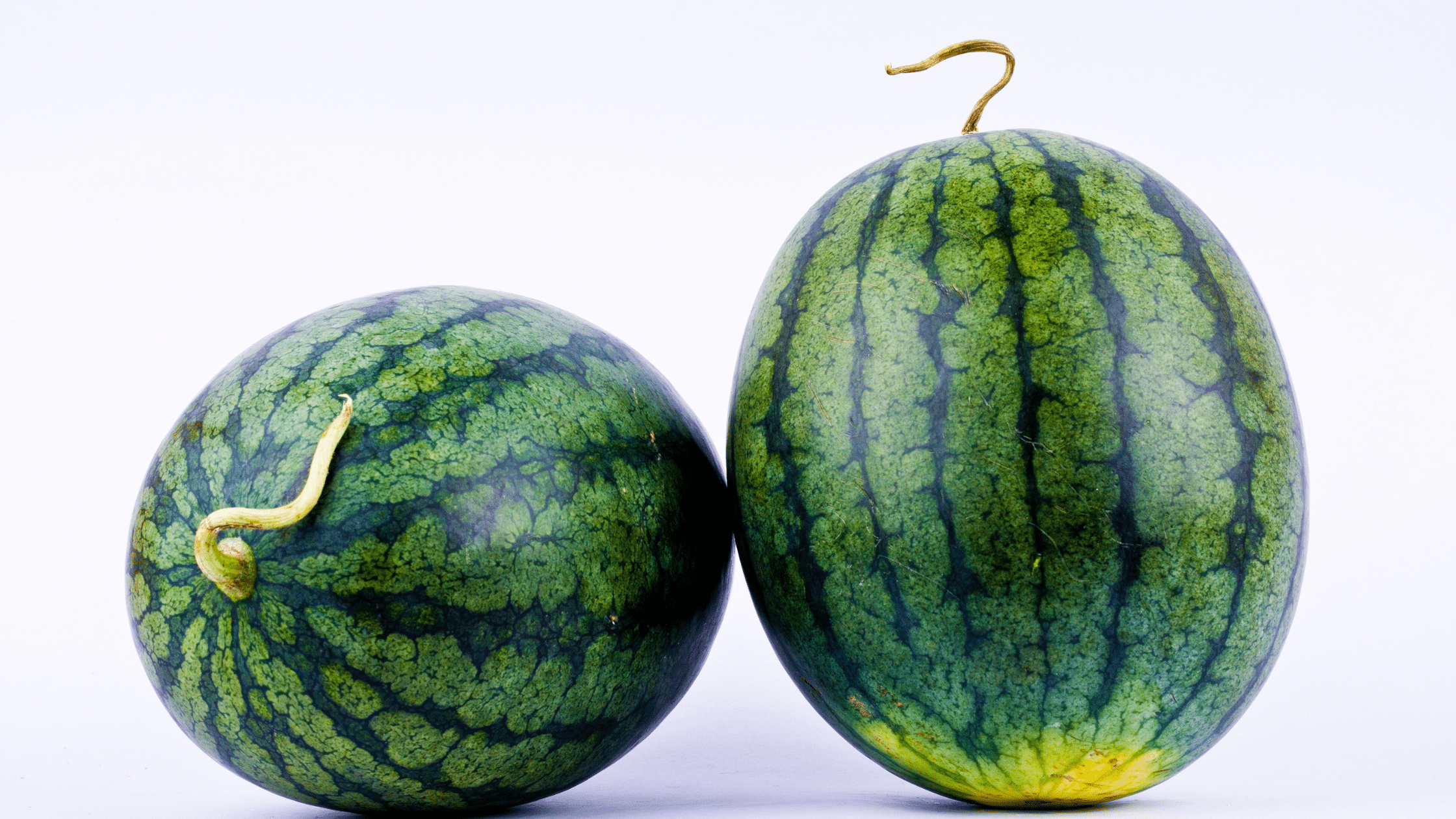
Yes, eating watermelon rind can be beneficial. The rind is rich in nutrients like vitamins A, C, and B6, antioxidants, and amino acids.
These nutrients contribute to overall health by supporting immune function, skin health, and muscle repair. Additionally, the rind contains fiber, which aids in digestion and promotes a healthy gut.
Incorporating watermelon rind into your diet can also reduce food waste and maximize the fruit’s nutritional value. You can blend the rind into smoothies, pickle it for a tangy treat, or add it to stir-fries for extra crunch and nutrients.
Remember, your journey towards wellness includes exploring new ways to nourish your body holistically. Embracing the benefits of watermelon rind is one small step towards a more mindful and nutritious lifestyle.
Can You Safely Eat Watermelon Rind Raw?
Yes, you can safely eat watermelon rind raw. It is packed with beneficial nutrients like vitamins A, B6, and C, fiber, and antioxidants. These contribute to your overall health by supporting immune function, digestion, and skin health.
While the taste of raw watermelon rind might not be as sweet as the flesh, it can be a refreshing addition to your diet. You can blend it into smoothies for a nutrient boost or add it to salads for a crunchy texture.
Eating watermelon rind is also a great way to reduce food waste. It allows you to make the most of the fruit’s nutritional value, embracing a more holistic approach to wellness. Always wash the rind thoroughly before consuming it to ensure it is clean and safe to eat.
Your journey towards healthier habits can include simple steps like incorporating watermelon rind into your diet. This small change can support your overall well-being and bring you closer to a more mindful and nutritious lifestyle.
Is it safe to consume the white part of watermelon?
Yes, it is safe to consume the white part of watermelon. Often overlooked, this part of the fruit is rich in nutrients like vitamins A, B6, and C, amino acids and antioxidants.
These elements support various aspects of health, including immune function, skin health, and muscle repair.
The white part of a watermelon is not as sweet as the red flesh but offers a mild flavor and crunchy texture. Add it to smoothies, salads, or even pickle it for a refreshing snack.
Incorporating the white part of watermelon into your diet is a simple way to enhance your nutritional intake while reducing food waste. It encourages a holistic approach to wellness, recognizing that every part of the fruit has value.
Is it okay to consume watermelon seeds?
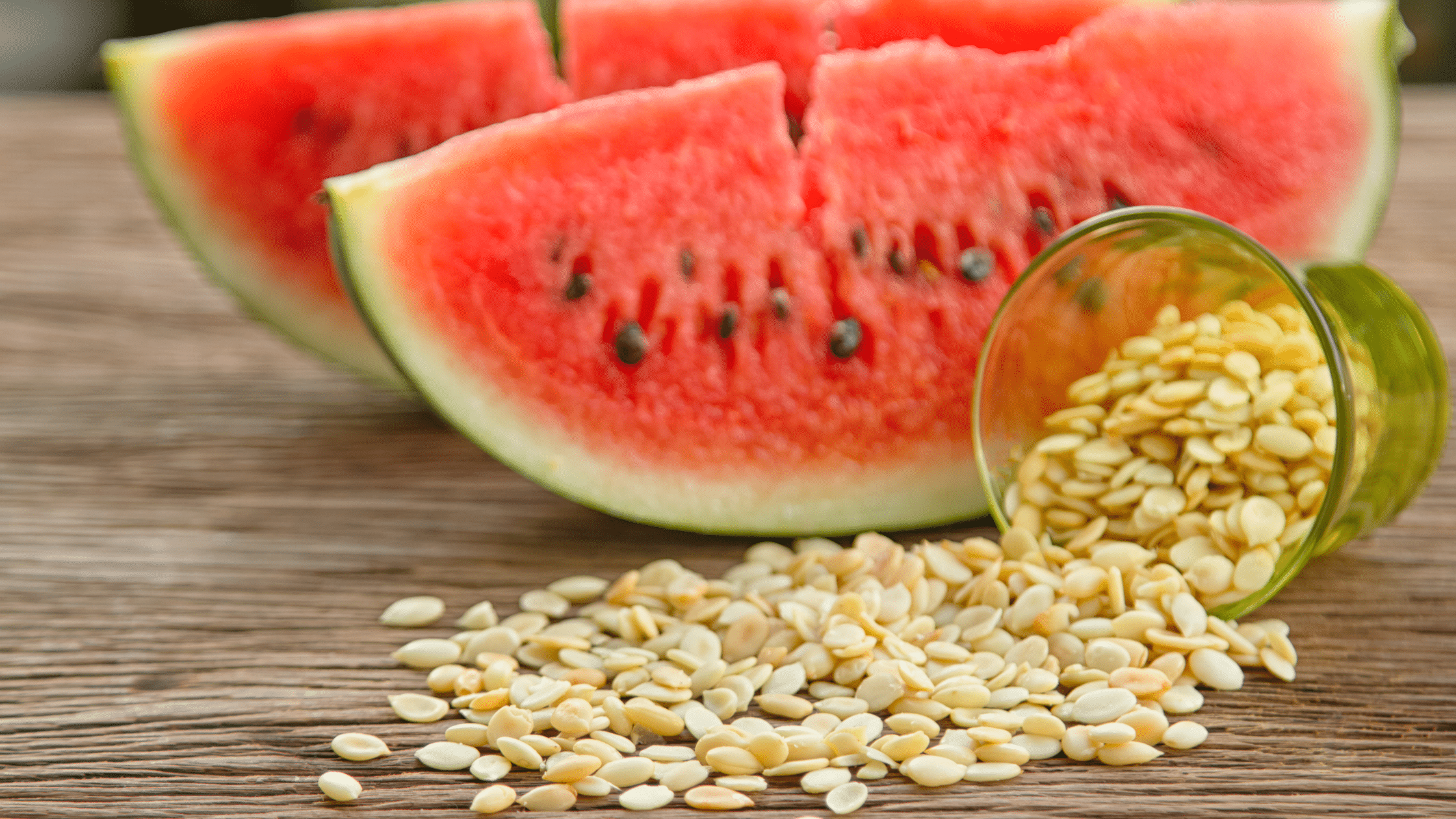
Yes, it is okay to consume watermelon seeds. They are safe and packed with nutrients like magnesium, iron, and healthy fats. These tiny seeds can support your overall health by contributing to heart health, boosting energy levels, and aiding digestion.
You can eat raw watermelon seeds, though their hard texture may not appeal to everyone. For a more enjoyable experience, try roasting them. Roasted watermelon seeds make a crunchy, nutritious snack to add to salads and trail mixes or enjoy alone.
Embracing the benefits of watermelon seeds is an excellent way to enhance your nutritional intake while reducing food waste. It reflects a holistic approach to wellness, where every part of the fruit is valued for its unique contributions to your health.
Conclusion
In conclusion, incorporating watermelon rind into our diets can benefit ourselves and the environment.
By reducing food waste, supporting sustainable agriculture, and saving money, we make small but significant changes towards a healthier and more sustainable future.
So, next time you enjoy a juicy watermelon, don’t forget to save the rind and explore its many uses in your meals.
Let’s make conscious choices that benefit both ourselves and our planet. Remember, every little step counts towards a better world. So, let’s start using whole fruit and reap its excellent benefits.