


He’s staring at the plate again.
Chicken, rice, broccoli — the same as yesterday. Measured down to the gram. He calls it discipline. But sometimes it feels more like prison. He doesn’t talk about it, though. Not to his friends. Not to his partner. Not even to himself, really.
Because he doesn’t look “anorexic.” And because he’s a man.
If you’re reading this — whether for yourself or someone you love — know this: you’re not alone, and there’s nothing weak or broken about struggling with food, control, or your body.
Anorexia affects men, too. Not just physically, but emotionally, relationally, and spiritually. And yet, many men go undiagnosed, misunderstood, or silently ashamed.
This article explores what male anorexia really looks like in 2025 — and how healing doesn’t come from “fitting the mold,” but from reclaiming your voice, your body, and your worth.
Curious about your relationship with food? Our free quiz offers a gentle way to start exploring.
Take the Eating Enlightenment Quiz
What Does Anorexia Look Like in Males? (It’s Not Always What You Think)
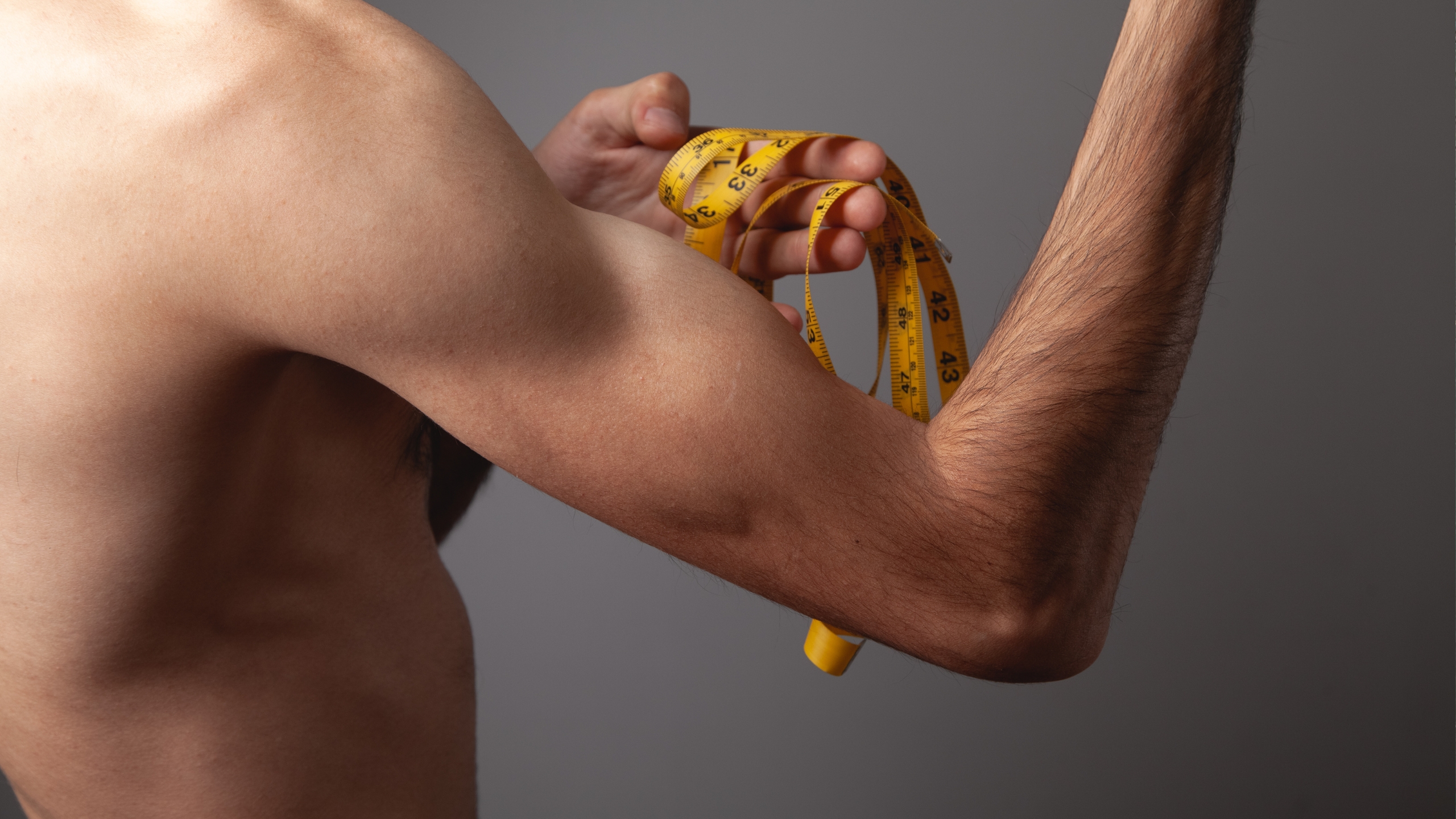
The stereotypical image of anorexia — frail, teen girl, visibly underweight — erases a vast number of sufferers. Especially men.
In reality, anorexia in males can look like:
- Rigid food rules and “clean eating” obsession
- Excessive exercise under the guise of fitness
- Fear of body fat or muscle loss
- Disconnection from hunger cues
- Shame around emotional needs or appetites
And often, it’s hidden behind socially accepted behaviors like:
- Intermittent fasting
- Bulking and cutting cycles
- Keto, paleo, or low-carb dieting
A 2020 study in the Journal of Eating Disorders found that 1 in 3 people with an eating disorder is male, yet men are far less likely to be diagnosed or treated (Strother et al., 2020).
Why? Because anorexia in men doesn’t always present as dramatic weight loss. Instead, it often comes masked in discipline, performance, and stoicism — traits that get praised in male culture.
Why Male Eating Disorders Often Go Undiagnosed
It’s not just individual silence that keeps male anorexia hidden — it’s systemic.
Here’s why so many men get missed:
- Medical bias: Doctors may overlook symptoms if the man isn’t underweight
- Diagnostic criteria: Historically designed around female presentations
- Cultural conditioning: Men are taught to suppress emotional pain and seek control through achievement
- Shame: Many men believe they don’t “deserve” care unless they’re visibly struggling
One client shared, “I told my doctor I was afraid to eat. He said I looked healthy and should be proud of my willpower.”
These moments create rupture — not just between patient and provider, but between a man and his own inner truth.
If you’ve felt dismissed or invisible in your relationship with food, you’re not broken. You’re human. And you deserve care.
Explore our coaching program for one-on-one, attuned support.
Anorexia in Men: The Role of Shame, Control, and Early Safety Patterns

Most men with anorexia aren’t “trying to be skinny.” Often, it starts with something deeper:
- Wanting to feel in control in a chaotic world
- Feeling too much or not enough emotionally
- Receiving love or praise only when succeeding or self-denying
In childhood, many boys learn that emotions are dangerous. That hunger — for food, affection, attention — is something to be controlled, mocked, or punished.
So food becomes a battleground.
We’ve worked with men who:
- Grew up in families where thinness equaled morality
- Were athletes taught to cut weight or bulk without emotional context
- Had trauma histories where eating or body control was a survival strategy
These aren’t just personal issues. They’re nervous system adaptations.
When the world doesn’t feel safe, we grasp for control. We shut down cues. We numb hunger. We mistake restriction for strength.
Healing isn’t about willpower. It’s about safety. About trust. About slow reconnection.
The Hidden Face of Muscle Dysmorphia and Orthorexia
Many men with anorexic tendencies are actually praised for them.
They count every gram of protein. Track every workout. Fear rest days. Refuse “unclean” food. They may even have six-pack abs — but feel terrified of “losing control.”
This is often muscle dysmorphia, a form of body dysmorphic disorder more common in men. It overlaps heavily with orthorexia — an obsessive need to eat “pure” or “healthy.”
Both fall under the umbrella of disordered eating. Both can deeply harm relationships, mental health, and quality of life.
But because they don’t “look” like anorexia, they often go undetected.
What Healing Looks Like for Men with Anorexia
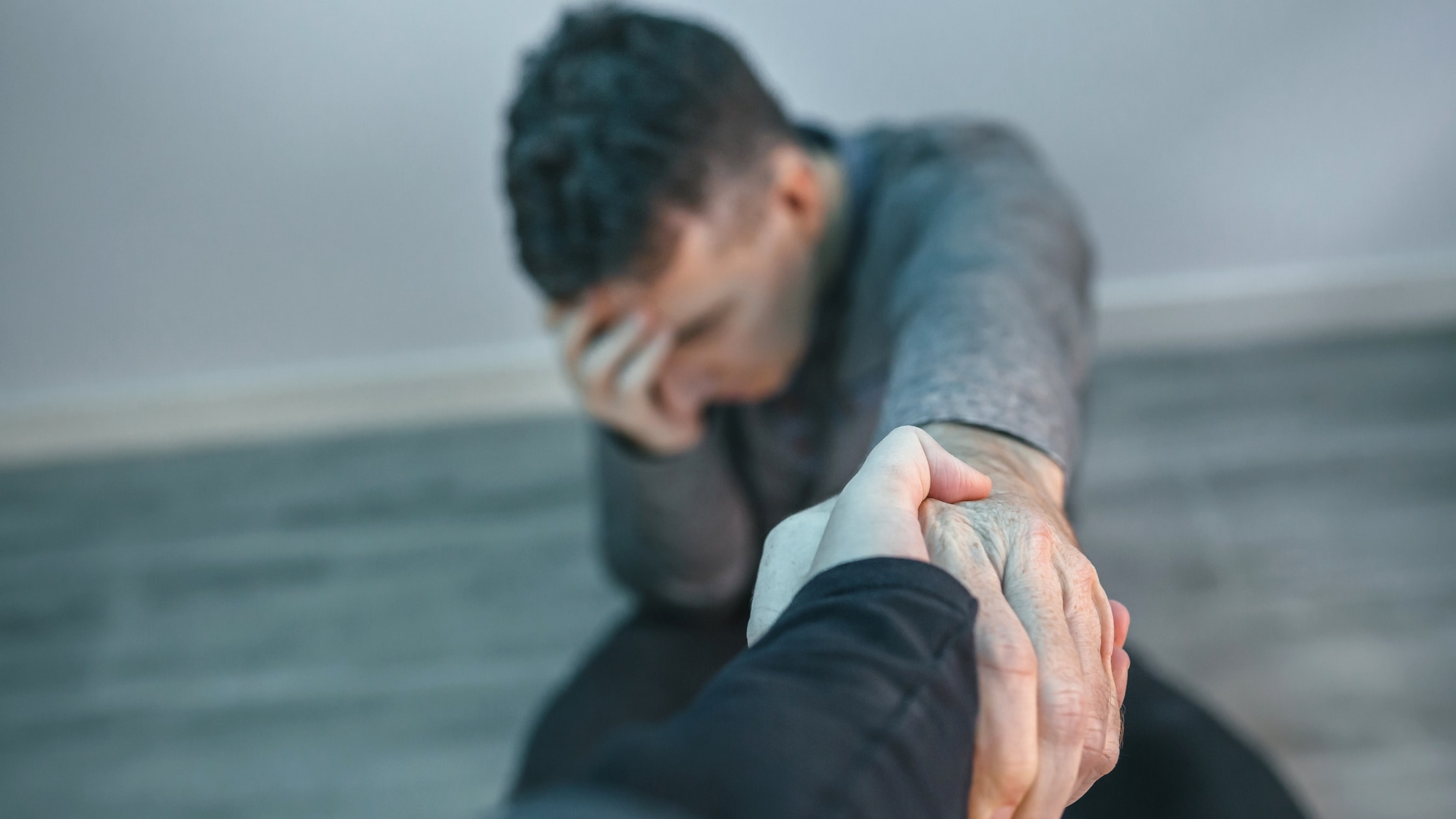
Healing is not about fixing. It’s not about snapping out of it or learning to eat “normally.”
It’s about listening to the parts of you that have been trying to protect you all along.
That voice that says, “Skip the meal” — it’s trying to keep you safe. That rigidity — it once made you feel powerful. That fear of softness — it comes from a world that didn’t make space for your vulnerability.
Real recovery means:
- Learning how to recognize and respond to internal cues
- Understanding how trauma, stress, or grief shape eating behaviors
- Moving from isolation to co-regulation — healing in relationship with others
- Reframing “control” from suppression to conscious choice
Want support building new habits and softening harsh self-talk?
Try the Mindful Meal Journal App — a compassionate, body-aware tool designed to support daily healing.
It’s Okay to Ask for Help (Even If You Don’t Have All the Words Yet)
If something about your relationship with food, body, or control feels off… that’s enough.
You don’t need a perfect diagnosis. You don’t have to wait until you’re “sick enough.” You don’t have to suffer in silence.
There’s no shame in reaching out. In fact, it’s an act of immense courage.
Conclusion: You Are More Than a Body to Be Controlled

If you’ve spent years trying to shrink, sculpt, suppress, or control your body — we see you.
Anorexia in men is real. Complex. Painful. And it deserves more attention, more compassion, and more healing than it often receives.
You don’t have to do this alone.
You can choose connection over isolation. Curiosity over shame. Nourishment over numbness.