


In today’s fast-paced world, many people seek ways to improve their health and reduce their environmental footprint.
One popular solution is adopting a plant-based lifestyle. This choice isn’t just about eating more vegetables; it’s about creating a holistic approach to wellness that benefits both you and the planet.
This blog post will explore how going green with your diet can lead to personal growth, better health, and a more sustainable world. Whether you’re a curious beginner or a seasoned plant-eater, you’ll find valuable insights and practical tips to help you.
What is a Plant-Based Lifestyle?

A plant-based lifestyle focuses on consuming foods derived primarily from plants. This includes fruits, vegetables, nuts, seeds, oils, whole grains, legumes, and beans. It doesn’t necessarily mean you need to become a vegetarian or vegan, but it does emphasize eating more plant-based foods while reducing animal products.
Health Benefits of Plant-Based Eating
Improved Heart Health
Plant-based diets are rich in fiber, antioxidants, and healthy fats. These nutrients can help lower cholesterol, reduce blood pressure, and decrease the risk of heart disease. Many studies have shown that people who follow plant-based diets have better heart health than those who consume more animal products.
Better Digestive Health
Foods like fruits, vegetables, and whole grains are high in fiber, essential for a healthy digestive system. A fiber-rich diet promotes regular bowel movements, prevents constipation, and can lower the risk of digestive disorders.
Enhanced Energy Levels
Plant-based foods are nutrient-dense and provide sustained energy throughout the day. Consuming a variety of whole foods can help maintain stable blood sugar levels and avoid the energy crashes that often come with processed foods.
Environmental Impact of Plant-Based Diets
Reduced Carbon Footprint
Animal agriculture contributes significantly to greenhouse gas emissions. By choosing plant-based options, you can lower your carbon footprint and help combat climate change.
Conservation of Water Resources
Raising livestock requires vast amounts of water, far more than growing crops. Eating more plant-based foods contributes to water conservation efforts, helping to preserve this vital resource for future generations.
Preservation of Ecosystems
Deforestation for animal farming destroys natural habitats and endangers wildlife. A plant-based diet supports sustainable agriculture practices that protect ecosystems and biodiversity.
ALSO READ – 7 Green Vegetables To Boost College Brain Power
Getting Started with Plant-Based Eating
Start Slow
Transitioning to a plant-based lifestyle doesn’t have to happen overnight. Begin by incorporating more plant-based meals into your weekly routine. Try “Meatless Mondays” or dedicate a few weekly days to plant-based eating.
Explore New Recipes
The internet contains delicious plant-based recipes catering to all tastes and dietary needs. Experiment with different cuisines and cooking methods to discover new favorite dishes.
Focus on Whole Foods
Prioritize whole, minimally processed foods. These items are packed with nutrients and free from added sugars, unhealthy fats, and artificial ingredients.
Essential Nutrients in Plant-Based Diets
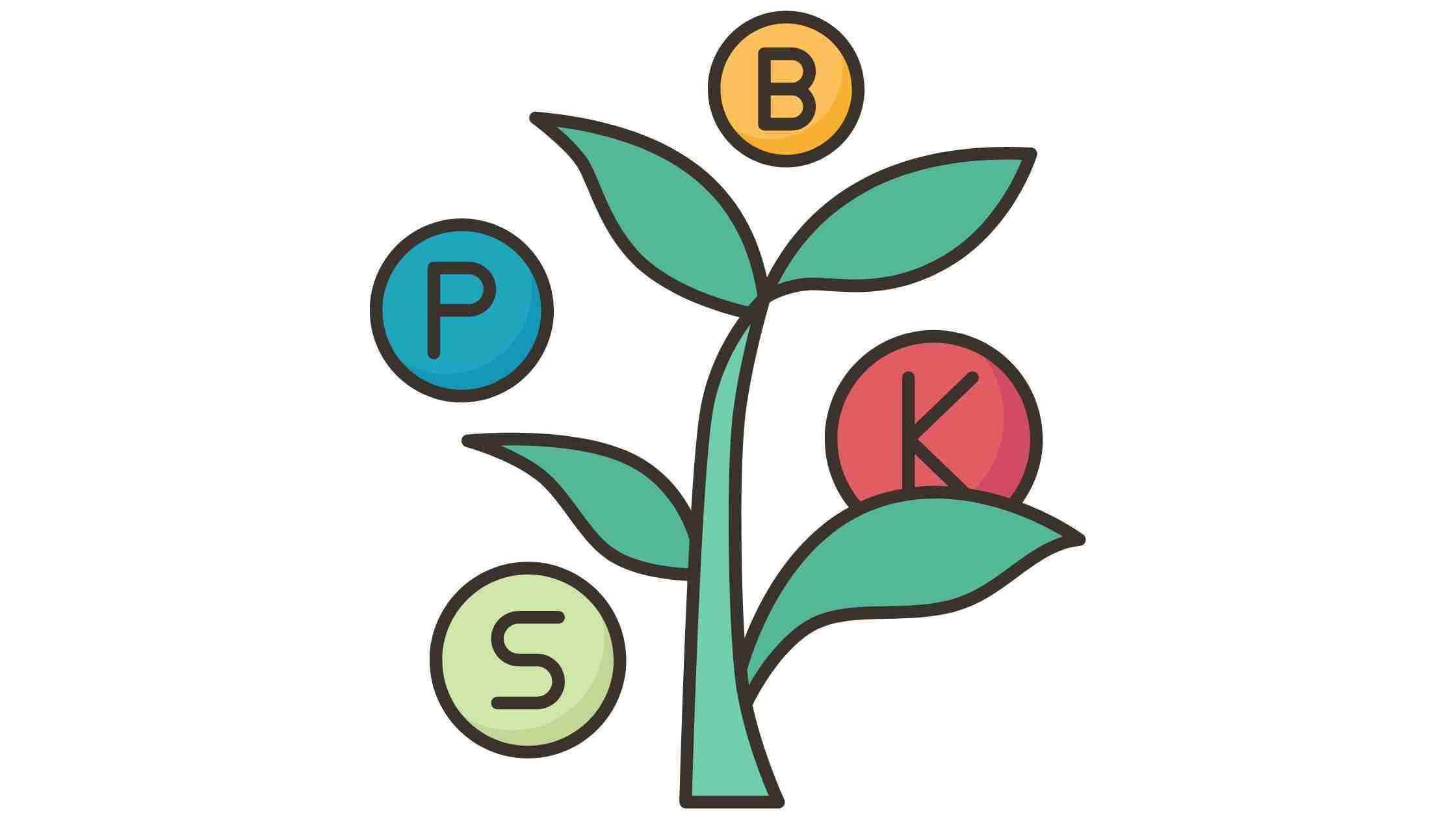
Protein
Contrary to popular belief, you can get plenty of protein from plant-based sources. Beans, lentils, tofu, tempeh, nuts, seeds, and whole grains are all excellent choices.
Iron
Plant-based sources of iron include lentils, chickpeas, quinoa, sunflower seeds, and leafy greens like spinach and kale. Pair these foods with vitamin C-rich items like citrus fruits to enhance iron absorption.
Calcium
Calcium isn’t just found in dairy. You can get it from fortified plant milk, tofu, almonds, and dark leafy greens.
Tips for Staying Motivated
Connect with a Community
Join online forums, social media groups, or local meetups focused on plant-based living. Sharing your experiences and learning from others can provide motivation and support.
Keep Learning
Stay informed by reading books, watching documentaries, and following reputable blogs about plant-based nutrition and sustainability.
Celebrate Small Wins
Acknowledge your progress, no matter how small. Each plant-based meal is a step towards better health and a greener planet.
Addressing Common Concerns
Will I Get Enough Nutrients?
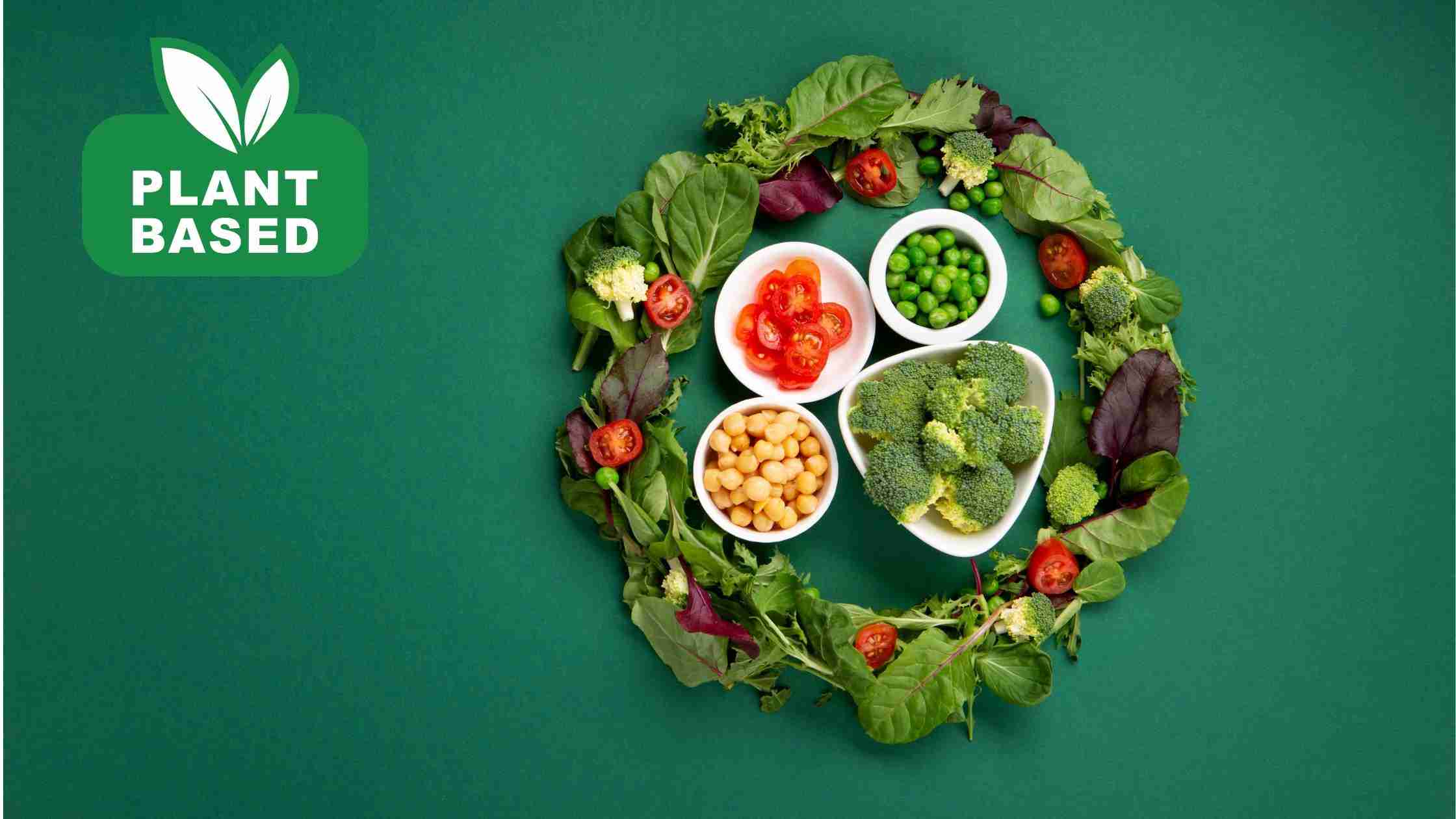
Yes, a well-planned plant-based diet can provide all the necessary nutrients. Focus on various foods to ensure you’re getting a balanced intake.
Is It More Expensive?
While some plant-based products can be costly, staples like beans, lentils, rice, and seasonal vegetables are affordable. Planning meals and buying in bulk can help keep costs down.
What About Social Situations?
Navigating social events can be tricky, but you can always bring a plant-based dish to share. Communicate your dietary choices with friends and family; you might find them more supportive than expected.
Success Stories
Real-Life Examples
Many people have transformed their lives through plant-based eating. From weight loss to improved mental clarity, the benefits are vast.
Celebrity Endorsements
Influential figures like athletes and actors have adopted plant-based diets and publicly share their positive experiences, inspiring others to do the same.
Conclusion
Adopting a plant-based lifestyle is a powerful way to enhance your well-being and contribute to a healthier planet. With numerous health benefits, a positive environmental impact, and a supportive community, there’s never been a better time to start your green journey. Remember, every small step counts. Begin today, and enjoy the rewarding path of personal growth and sustainable living.
Are you ready to take the next step? Join our community for more tips, resources, and support on your plant-based adventure.
FAQs:
Is a plant-based diet beneficial?
A plant-based diet can significantly enhance overall well-being by providing essential nutrients, reducing the risk of chronic diseases, and promoting a healthier lifestyle. It supports emotional balance and mental clarity through a holistic approach to nutrition.
What foods fit the definition of plant-based?
A plant-based diet includes fruits, vegetables, whole grains, nuts, seeds, and legumes. These foods provide essential nutrients that support physical and emotional well-being.
What does being a plant-based person entail?
Being plant-based means embracing a diet rich in fruits, vegetables, whole grains, nuts, seeds, and legumes. This holistic approach fosters personal growth and well-being through mindful, compassionate choices and nurturing physical, emotional, and mental health.
What are some examples of plant-based lifestyles?
Plant-based lifestyles include veganism, which excludes all animal products, and vegetarianism, which omits meat but may include dairy and eggs. Flexitarianism is another approach, focusing mainly on plant foods while allowing occasional beef. Each path supports holistic wellness and personal growth.
What are the drawbacks of a diet high in plants?
A diet high in plants can sometimes lack essential nutrients like vitamin B12, iron, and omega-3 fatty acids. It’s important to plan meals mindfully to ensure balanced nutrition. This approach supports a holistic journey toward well-being and growth.